
 Save 15% on your 1st Autoship learn more

 Email us
 Live Chat
 FAQs
FAQs





Introduction
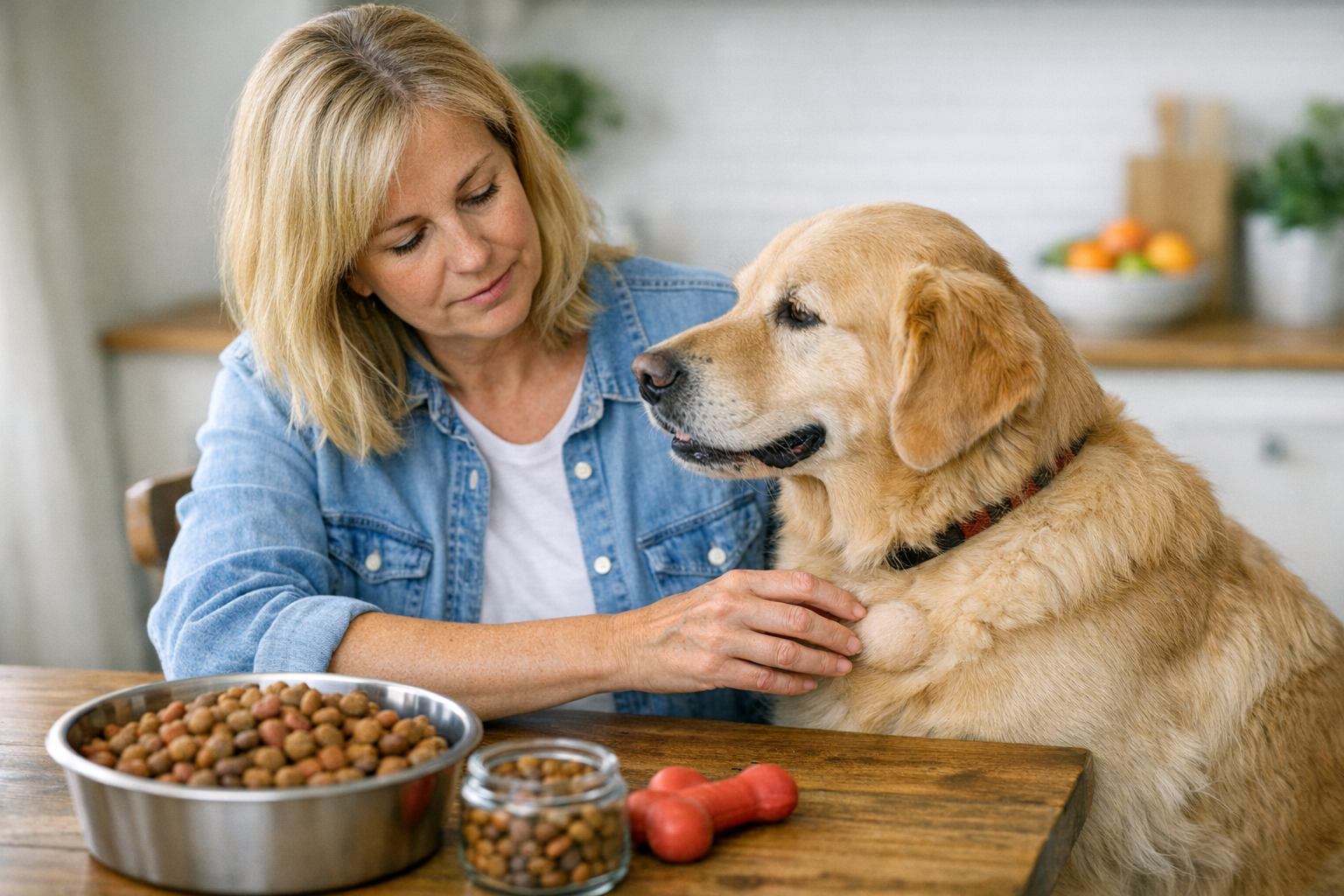
Finding a new lump while you are scratching your dog's belly can make your heart sink. You were just enjoying a quiet evening together when your fingers brushed against a soft, squishy mass that was not there before. Many owners immediately worry about cancer. Most of the time, these lumps are lipomas, which are benign fatty tumors. One of the first questions owners ask us at BaxterBoo is whether their dog's diet is to blame. They wonder if dry dog food causes these fatty deposits to form. If you want a good starting point for nutrition choices, explore our dog food category.
This article explores the connection between nutrition and lipomas. We will look at what the science says about dry food ingredients, the role of obesity, and how you can support your dog’s health. While diet is not a simple "yes or no" answer for causing lumps, what you put in the bowl definitely impacts your dog's long-term wellness. We want to help you feel confident about your pet's nutrition and health management.
What Exactly Is a Lipoma?
A lipoma is a collection of fat cells that grows just under the skin. They are non-cancerous and usually feel soft and movable. If you push on it gently, the lump often slides around a bit rather than feeling stuck to the muscle or bone. They can show up anywhere, but you will often find them on the chest, abdomen, or limbs.
Most dogs will develop at least one lipoma as they enter their senior years. While they are usually harmless, they can occasionally grow large enough to cause discomfort. A very large lump in the armpit might make it hard for a dog to walk comfortably. Even though they are benign, any new lump needs a professional diagnosis.
Vet Tip: Never assume a lump is "just a fatty tumor" based on feel alone. Ask your veterinarian to perform a fine needle aspirate. This is a quick test where they use a small needle to pull cells from the lump to check them under a microscope.
The Connection Between Dry Food and Lipomas
There is no scientific evidence that dry dog food directly causes lipomas to grow. However, the quality of the food and the calories it provides play a major role in your dog's metabolic health. Lipomas are essentially "walled off" fat. If a dog’s body is struggling to process fat or manage calories, they may be more prone to these growths.
Some holistic experts believe that "toxic load" contributes to lipomas. This idea suggests that if a dog is exposed to too many preservatives, chemicals, or low-quality ingredients, their body tries to protect itself. The body might encapsulate these unwanted materials in fat cells, resulting in a lump. While this is not a universally accepted clinical theory, focusing on high-quality nutrition is always a smart move for your dog.
The Problem with Fillers
Low-quality dry foods often rely on heavy fillers like corn, soy, and wheat. These ingredients are high in carbohydrates. When a dog eats more carbohydrates than they can burn for energy, the body stores that extra energy as fat. If your dog is eating a diet that is mostly starch and very little high-quality protein, their metabolism may become sluggish. This metabolic slowdown is often associated with the development of fatty masses.
The Role of Rancid Fats
Fat is an essential part of a dog's diet, but the type of fat matters. In some lower-grade dry foods, the fats can become oxidized or rancid over time. This happens more often in foods that use generic "animal fat" rather than specific sources like "chicken fat" or "salmon oil." Consuming oxidized fats can lead to inflammation in the body. Since lipomas are essentially a disorder of fat cells, keeping inflammation low through high-quality fat sources is a better strategy. A good place to compare protein-forward options is our selection of Orijen products.
Weight Management: The Most Important Factor
While we cannot say dry food causes lipomas, we do know that obesity is a major risk factor. Overweight dogs are significantly more likely to develop fatty tumors than dogs at an ideal weight. Extra body fat provides the raw material for lipomas to form.
If your dog is eating a calorie-dense dry food and not getting enough exercise, those extra pounds add up. Managing your dog's weight is the most effective thing you can do to reduce the risk of new lumps. Even if your dog already has lipomas, losing weight can sometimes help the lumps stop growing or even shrink slightly. If weight control is your priority, start with our weight management collection.
Key Takeaway: Obesity is the strongest dietary link to lipomas. Keeping your dog lean through portion control and high-quality protein is your best defense against fatty tumors.
Assessing Your Dog's Body Condition
You should be able to feel your dog's ribs easily without pressing hard. When you look at them from above, they should have a visible waist. If your dog looks like a cylinder or a footstool, they are likely carrying too much weight. Transitioning to a high-protein, lower-fat dry food can help them return to a healthy size.
Ingredients to Watch For
If you are concerned about your dog's skin health and lumps, it is time to look closely at the ingredient label. We recommend choosing foods that avoid artificial additives. These are often the "toxins" that holistic vets worry about. For broader support options, our dog healthcare category is a helpful place to browse.
- BHA and BHT: These are chemical preservatives used to keep fats from spoiling. Some studies suggest they can be hard on the liver and kidneys.
- Artificial Dyes: Colors like Red 40 or Blue 2 do nothing for your dog. They only make the food look better to humans.
- Generic Meat Meals: Look for specific proteins like "deboned turkey" or "lamb meal" rather than "meat and bone meal."
- High-Glycemic Carbohydrates: Ingredients like white rice and corn can cause blood sugar spikes, which can lead to fat storage.
Choosing a premium brand like Orijen, Acana, or Farmina ensures your dog is getting nutrient-dense ingredients. These brands focus on biological appropriateness, meaning they use more of the animal proteins dogs were designed to eat.
The Importance of the Lymphatic System
The lymphatic system is like the body's drainage system. It helps move waste products out of the tissues. When this system is sluggish, fat and toxins can accumulate. Some people believe that lipomas are a sign that the lymphatic system is not keeping up.
Dry food can be dehydrating. If your dog does not drink enough water to compensate for the dry kibble, their fluids can become thick and stagnant. Encouraging your dog to drink more water or adding a little moisture to their dry food can support better circulation and lymphatic flow.
Tips for Better Drainage:
- Add a splash of bone broth or water to every meal.
- Provide fresh, filtered water to avoid chlorine and heavy metals.
- Ensure your dog gets daily exercise to keep their "internal pump" moving.
- Brush your dog regularly to stimulate blood flow to the skin.
When Your Vet Prescribes a Special Diet
Sometimes, a dog's health needs go beyond what standard retail food can provide. If your dog has a metabolic condition, severe obesity, or other health issues alongside their lipomas, your vet might suggest a prescription diet. These foods are formulated to treat specific medical conditions under a doctor's supervision. When that happens, our pet pharmacy can be a useful next stop.
Vet Tip: If your dog's lipomas are growing rapidly or if your dog has other symptoms like lethargy or skin irritation, ask your vet if a prescription diet might be appropriate. These formulas can help manage the underlying metabolic issues that contribute to fatty growths.
Can Supplements Help?
In addition to a high-quality diet, certain supplements may support fat metabolism and skin health. While no supplement is guaranteed to "melt" a lipoma, they can support the body's natural processes.
Omega-3 Fatty Acids
Salmon oil or green-lipped mussel oil provides essential fatty acids that reduce inflammation. This is great for skin health and may help keep fat cells functioning normally. Brands like Zesty Paws or Honest Paws offer high-quality oils that are easy to add to dry food. You can compare one option here: Zesty Paws Wild Alaskan Salmon Oil Skin & Coat Supplement for Dogs & Cats.
Liver Support
The liver is the primary organ responsible for processing fats and filtering toxins. Herbs like milk thistle and dandelion root are often used in pet supplements to support liver function. A healthy liver means a more efficient metabolism.
Digestive Enzymes
As dogs age, they produce fewer digestive enzymes. This makes it harder for them to break down the fats and proteins in their dry food. Adding a digestive enzyme supplement can help ensure that nutrients are being used for energy rather than stored as stagnant fat.
Managing Your Dog's Environment
Diet is just one part of the puzzle. If you believe the "toxic load" theory of lipomas, you should also look at your dog's environment. The things your dog walks on and breathes can affect their health just as much as what they eat.
- Lawn Chemicals: Pesticides and herbicides can be absorbed through a dog's paw pads. Try to stick to pet-safe lawn care.
- Cleaning Products: Harsh floor cleaners can irritate a dog's skin and add to their chemical exposure.
- Flea and Tick Prevention: While essential, some dogs are more sensitive to certain chemicals than others. Our flea and tick collection and pharmacy options can help you find the right fit for your dog's sensitivities.
Is Grain-Free Better for Lipomas?
There is a lot of debate about grain-free diets. For dogs with lipomas, the real goal is to reduce unnecessary carbohydrates. Some grain-free foods replace grains with potatoes or peas, which are still high in starch. The key is to look for "low glycemic" options.
A diet that uses ancient grains like spelt or oats may be better for some dogs than a grain-free diet that is heavy on white potatoes. The goal is to keep blood sugar stable. Stable blood sugar means less insulin, and less insulin means less fat storage. Brands like Farmina Vet Life focus on these low-glycemic formulas to support better metabolic health in dogs.
How to Transition Your Dog to a Better Food
If you decide to move your dog to a higher-quality dry food to help manage their weight and health, do it slowly. A sudden change can cause an upset stomach, especially in senior dogs.
- Days 1 to 3: Mix 25% of the new food with 75% of the old food.
- Days 4 to 6: Mix 50% of the new food with 50% of the old food.
- Days 7 to 9: Mix 75% of the new food with 25% of the old food.
- Day 10: Feed 100% of the new food.
Watch your dog's stool during this time. If it becomes loose, slow down the transition. This slow change gives the digestive enzymes in the gut time to adjust to the new nutrient profile.
The Role of Exercise in Lipoma Prevention
Movement is the best way to support the lymphatic system. Unlike the heart, which has a pump to move blood, the lymphatic system relies on the movement of muscles to circulate fluid. If your dog is sedentary, waste products can sit in the tissues longer.
Even a slow 20-minute walk twice a day can make a big difference for a senior dog. It helps burn calories, keeps the joints mobile, and encourages the body to process fats more efficiently. When combined with a high-quality dry food, exercise is your most powerful tool for keeping your dog lump-free. For more practical guidance, see our weight management article.
When Should You Worry About a Lipoma?
While most fatty tumors are not a medical emergency, there are times when you should take action. You should monitor every lump on your dog's body. We recommend keeping a "lump map" where you write down the date, location, and size of every bump you find.
- Rapid Growth: If a lump doubles in size in a few weeks, see your vet.
- Firmness: If a soft lump suddenly feels hard or fixed to the underlying tissue, it needs a re-check.
- Redness or Ulceration: If the skin over the lump looks angry, red, or starts to break open, it could be infected or may not be a simple lipoma.
- Interference with Movement: If a lump is in a spot like the groin or armpit and makes your dog limp, it might need to be removed surgically.
Bottom line: Diet and weight management are your best preventative tools, but they cannot replace regular veterinary checkups for monitoring existing lumps.
Support for Your Senior Dog's Journey
At BaxterBoo, we have been helping pet owners navigate these health concerns since 2006. We know how stressful it is to find a new bump on your best friend. That is why we carry over 500 trusted brands, so you can find the exact nutrition your dog needs at every life stage.
Whether you are looking for a weight-management dry food or a supplement to support their senior years, we have experts who handpick every item in our warehouse. If you are a new customer, you can even get a $10 reward on your first order over $39 when you sign in at checkout. We also offer our Autoship programme that saves you money on every order and gives you a free MVP Gold membership through the MVP Rewards programme. This makes it easy to keep your dog on a consistent, healthy diet without the stress of running to the store.
Summary of Dietary Steps for Lipoma Management
To summarize, while dry dog food is not a direct cause of lipomas, the quality of that food is vital. Focus on these steps to support your dog:
- Maintain an ideal body weight to reduce the raw material for fatty tumors.
- Choose high-quality dry foods with named animal proteins and no artificial preservatives.
- Avoid foods with excessive carbohydrate fillers that lead to fat storage.
- Support the liver and lymphatic system with plenty of fresh water and daily exercise.
- Work with your vet to diagnose every new lump and consider prescription options if metabolic health is a concern.
Our pharmacy is here to support you if your vet recommends a specific medical path. We provide a convenient way to manage your pet's ongoing health needs with the trust and expertise of a dedicated pet retailer. If you want more background on lump monitoring, our guide to lumps on dogs is a helpful next read.
Key Takeaway: You cannot control your dog's genetics or age, but you can control their weight and the quality of their food. These are the two most important factors in managing lipomas and overall wellness.
FAQ
Can I get rid of my dog's lipomas by changing their food? A change in food is unlikely to make an existing lipoma completely disappear. However, switching to a high-quality, lower-calorie diet can help an overweight dog lose weight, which may stop the lumps from growing larger. Maintaining a healthy weight is the best way to prevent new lipomas from forming.
Is grain-free dry food better for dogs with fatty tumors? Not necessarily. The most important factor is the overall carbohydrate and calorie content rather than just the presence of grains. Look for low-glycemic recipes that use high-quality proteins and avoid starchy fillers like white potatoes or corn, which can contribute to fat storage and inflammation.
Does high fat in dog food cause lipomas to grow? Dietary fat itself does not directly cause lipomas, but excess calories from any source lead to obesity. Since lipomas are made of fat cells, an obese dog has a much higher risk of developing them. Focusing on a balanced diet with healthy fats like Omega-3s is better than simply cutting all fat.
Are there any specific ingredients in dry food that cause lumps? There is no single ingredient proven to cause lipomas, but some holistic veterinarians suggest that artificial preservatives like BHA and BHT or artificial dyes may increase a dog's "toxic load." Choosing a "clean" dry food with natural preservatives like tocopherols (Vitamin E) is a safer choice for your dog's long-term health.






