
 Save 15% on your 1st Autoship learn more

 Email us
 Live Chat
 FAQs
FAQs





Introduction
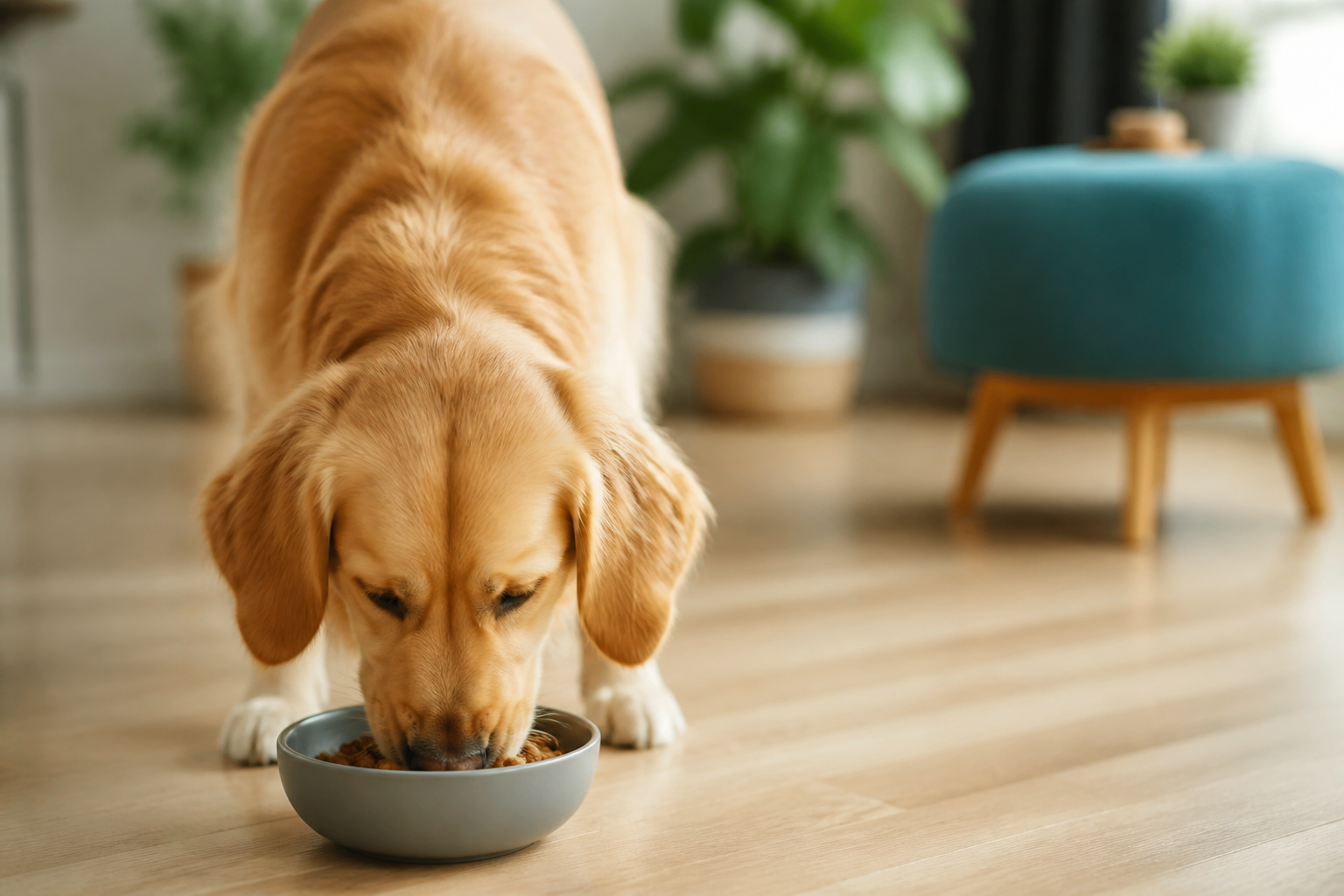
You hear that satisfying crunch every morning when you pour breakfast into the bowl. It is easy to assume those hard bits of kibble are scrubbing your dog's teeth like a tiny brush. Many of us at BaxterBoo grew up hearing that dry food is the key to a healthy mouth and fresh breath. However, the reality of canine oral health is a bit more complex than a simple crunch. We want to help you understand what dry food actually does for your dog's teeth and where it falls short. This post looks at the science behind kibble and provides a practical plan for keeping your dog's smile bright.
Quick Answer: Regular dry dog food does not significantly clean a dog's teeth. While it may be slightly better than wet food for preventing plaque buildup, most kibble shatters upon contact and fails to reach the gumline where dental disease starts.
The Myth of the Crunchy Cleaner
For decades, pet owners were told that dry food acts as a natural toothbrush. The theory was that the abrasive surface of the kibble would scrape away plaque as the dog chewed. While this sounds logical, it rarely works that way in practice. Most standard kibble is small and brittle. When your dog bites down, the piece of food shatters almost instantly.
The mechanical cleaning action only happens if the tooth penetrates deep into the food. With regular dry food, the "scrubbing" only touches the very tips of the teeth. It does not reach the base of the tooth or the gumline. This is a problem because that is exactly where bacteria and plaque like to hide. If the food does not rub against the gums, it is not doing much to prevent periodontal disease.
Furthermore, many dogs do not even chew their dry food thoroughly. Some dogs tend to gulp their meals, swallowing the kibble whole or only cracking it once. In these cases, there is zero dental benefit. Even for dogs that do chew, the starchy residues in many dry foods can actually contribute to dental issues.
How Kibble Ingredients Impact Dental Health
It is important to look at what is inside the bag, not just the texture. Many commercial dry foods rely on carbohydrates and starches to hold the kibble together. These starches break down into simple sugars in the mouth. Sugar is the primary fuel for the bacteria that cause plaque and tartar.
If a dog eats a diet high in fillers, those small particles can get trapped between the teeth. This creates a playground for oral bacteria. Over time, this leads to the formation of a sticky film called plaque. Within just a few days, plaque that is not removed starts to mineralize into tartar. Once tartar forms, it is hard like concrete. You cannot brush it away at home.
Key Takeaway: The physical shape of regular kibble is less important than the ingredients. High-starch diets can leave sugary residues that encourage bacterial growth in the mouth.
If you are comparing everyday options, you can browse our dog food selection while considering your dog's overall nutritional needs.
Comparing Wet Food and Dry Food
The debate between wet and dry food often centers on dental health. It is true that wet food is "sticky" and can cling to the teeth more easily than dry food. This can provide a substrate for bacteria to grow more quickly if the teeth are not cleaned. However, the difference is often less dramatic than people think.
A major study in 1996 looked at over 1,300 dogs to see if diet made a difference. Researchers found very few significant differences in the dental health of dogs fed dry food versus those fed wet food. Both groups showed signs of gingivitis and bone loss if they did not receive other forms of dental care.
Some owners choose to mix wet and dry food together. This can make the meal more palatable, but it does not provide a dental advantage. If your dog has a preference for wet food, you do not have to force them to eat dry food just for their teeth. Instead, focus on a high-quality diet and a solid cleaning routine.
The Science of Specialized Dental Diets
While regular kibble is not a dental miracle, there are specific dental diets designed to help. These are very different from the standard bags you find in a grocery store. Companies like Royal Canin and Farmina Vet Life create formulas specifically for oral hygiene. These foods are engineered with two main goals: texture and chemistry.
For veterinary diets and specialized formulas, our Vet Life selection offers Farmina Vet Life products for dogs and cats.
Mechanical Scrubbing Action
Dental-specific kibble is usually much larger than standard kibble. This forces the dog to chew rather than swallow whole. The internal structure of these pieces is often fiber-dense and "airy." Instead of shattering, the tooth sinks into the kibble. This allows the food to wipe the surface of the tooth all the way down to the gumline.
Chemical Plaque Blockers
Many of these professional diets also include "calcium chelators." These are ingredients that bind to the calcium in a dog's saliva. By grabbing that calcium, the food prevents it from hardening the plaque into tartar. This keeps the buildup softer for longer, making it easier to remove through brushing or chewing.
Vet Tip: If your dog has existing dental issues or is prone to heavy tartar, a prescription dental diet may be necessary. Our pharmacy at BaxterBoo offers these specialized diets through our partnership with Pet's Choice. Always consult your veterinarian before switching to a prescription food to ensure it meets your dog's specific nutritional needs.
Why the Gumline Matters Most
When we talk about dental health, we are not just talking about white teeth. The most dangerous part of dental disease happens where you cannot see it. About 70% of a dog's dental structure is below the gumline. Plaque and bacteria that settle under the gums cause inflammation, also known as gingivitis.
If left untreated, this inflammation turns into periodontal disease. This can lead to:
- Receding gums
- Bone loss in the jaw
- Loose or lost teeth
- Abscesses and infections
Because kibble rarely reaches these hidden areas, it cannot be your only line of defense. Even the best dental food is just one part of a larger plan. You must find ways to disrupt the bacteria living under the "flap" of the gum.
For additional guidance on building a routine, read our pet dental care tips.
The Connection Between Oral Health and the Whole Body
Dental care is not just about avoiding "dog breath." It is a vital part of your dog's overall longevity. The mouth is the gateway to the rest of the body. When a dog has a dental infection, the gums become very vascular. This means bacteria from the mouth can easily enter the bloodstream.
Once in the blood, these bacteria can travel to major organs. Studies have shown links between severe dental disease and damage to the heart, liver, and kidneys. By keeping your dog's mouth clean, you are protecting their most vital systems. This is especially important for senior dogs whose immune systems may not be as strong as they once were.
Key Takeaway: Poor oral hygiene is a systemic health risk. Keeping the mouth clean protects the heart, liver, and kidneys from bacterial infection.
For products that support broader wellness, explore our dog healthcare products.
Better Alternatives for Cleaning Teeth
Since we know dry food is not a complete solution, what should you use instead? A multi-pronged approach is always the most effective way to manage oral health at home.
Daily Brushing
Brushing is the gold standard. It is the only way to effectively remove plaque from the gumline every single day. Use a toothbrush designed for dogs and a pet-safe toothpaste. Never use human toothpaste, as it contains ingredients like fluoride and xylitol that are toxic to dogs.
Dental Chews and Treats
Products like Greenies are designed with a specific texture to scrub teeth. These are excellent supplements to brushing. When a dog gnaws on a dental chew, the mechanical action helps wipe away soft plaque. Look for products with the Veterinary Oral Health Council (VOHC) seal of approval. This seal means the product has been tested and proven to reduce plaque or tartar.
You can also read our guide to dental chews for dogs before choosing an option for your pet.
Water Additives and Gels
For dogs that absolutely will not tolerate brushing, dental additives can help. These are liquids you add to your dog's water bowl or gels you apply to their gums. They work by breaking down the biofilm that allows bacteria to stick to the teeth. While not as effective as brushing, they are a helpful tool for difficult pets.
Our dental and breath care collection includes dental chews, gels, toothpaste, and other oral-care products.
How to Check Your Dog's Teeth at Home
We recommend doing a quick "mouth check" at least once a week. This helps you catch problems before they become painful or expensive. Start by gently lifting your dog's lips to look at the side teeth and the gums.
Signs to watch for:
- Persistent bad breath (more than just "dog breath")
- Yellow or brown buildup on the teeth
- Red, swollen, or bleeding gums
- Broken or loose teeth
- Difficulty eating or dropping food
- Excessive drooling
If you notice any of these signs, it is time for a veterinary visit. Dogs are very good at hiding pain. Often, they will continue to eat even if they have a fractured tooth or a painful infection. Professional evaluation is the only way to know what is happening beneath the surface.
For more information about warning signs, see our article on dogs hiding bad teeth.
The Importance of Professional Cleanings
No matter how well you brush or what food you buy, most dogs will eventually need a professional cleaning. Just like humans go to the dentist for a deep clean, dogs need a veterinarian to remove tartar that has hardened.
A professional cleaning involves scaling the teeth with specialized tools and polishing them to slow down future buildup. This procedure is done under general anesthesia. This is the only safe way to clean under the gumline and perform a full exam. Anesthesia-free "dentals" are not recommended. They are mostly cosmetic and do not address the health of the gums or the roots of the teeth.
Vet Tip: Yearly dental exams are essential for all dogs. If your vet recommends a professional cleaning, do not wait. Addressing dental disease early can prevent the need for extractions later and saves your dog from unnecessary pain.
Transitioning to a New Dental Routine
If you want to improve your dog's oral health, start slowly. You do not need to change everything overnight. Consistency is more important than intensity.
Step 1: Consult your vet. Ensure your dog does not have any painful broken teeth before you start brushing or giving hard chews.
Step 2: Introduce a toothbrush. Let your dog lick some pet-safe toothpaste off your finger or the brush to create a positive association.
Step 3: Gradually increase the time. Start with just a few teeth and work your way up to the whole mouth over a few weeks.
Step 4: Supplement with the right tools. Add a daily dental chew or consider a specialized dental diet if your vet agrees.
A Balanced Approach to Pet Care
Since 2006, BaxterBoo has helped pet owners navigate the huge world of pet supplies. We have seen every trend in dog food come and go. One thing remains constant: there is no shortcut to good health. A bag of dry food is a great foundation for nutrition, but it is not a replacement for active care.
We carry over 500 brands, including favorites like Kong, Greenies, and Royal Canin. Whether you need a finger brush, a specific dental treat, or a prescription diet through our pharmacy, we are here to support your journey. Your dog's health depends on the small choices you make every day at mealtime and during grooming.
Bottom line: Dry food is a convenient and nutritious option, but it cannot be your dog's only source of dental care. Combine a high-quality diet with regular brushing and professional veterinary checkups for the best results.
Conclusion
Dry dog food is not the dental miracle many people once believed it to be. While it offers some minor benefits over wet food, regular kibble simply cannot reach the areas that matter most. To truly protect your dog's smile, you need to look beyond the crunch. This means focusing on:
- High-quality ingredients that limit starchy residues.
- Daily brushing with pet-safe toothpaste.
- Proven dental treats and chews with the VOHC seal.
- Regular professional cleanings at your veterinarian's office.
By taking an active role in your dog's dental hygiene, you are doing more than just freshening their breath. You are extending their life and ensuring they stay comfortable well into their senior years. If you are ready to start a new routine, check out our collection of dental care supplies. The MVP Rewards programme can even help you save on the essentials you need for a lifetime of healthy smiles.
FAQ
Does dry food really clean a dog's teeth better than wet food?
Dry food is slightly more abrasive than wet food, which may help reduce some surface plaque. However, most kibble shatters easily and does not reach the gumline where the real damage occurs. For meaningful cleaning, you need a specialized dental diet or regular brushing rather than just standard dry food.
Can I just give my dog bones to clean their teeth instead of brushing?
While some raw bones can act as an abrasive, they come with significant risks. Hard bones can fracture a dog's teeth or splinter and cause internal injuries. Brushing is much safer and more effective at removing bacteria from the gumline without the risk of a veterinary emergency.
How often should I brush my dog's teeth if they eat dry food?
You should ideally brush your dog's teeth every day, regardless of whether they eat dry or wet food. Plaque begins to turn into hard tartar within 24 to 48 hours. Daily brushing is the only way to remove that plaque before it becomes a permanent problem that requires professional removal.
Are there specific ingredients in dry food that help with dental health?
Some dental-specific dry foods contain calcium chelators, which prevent minerals in saliva from hardening plaque into tartar. These diets are also formulated with a unique fiber structure that allows the tooth to sink into the kibble for a better scrubbing effect. Regular dry food usually lacks these specific dental-support features.






