
 Save 15% on your 1st Autoship learn more

 Email us
 Live Chat
 FAQs
FAQs





Introduction
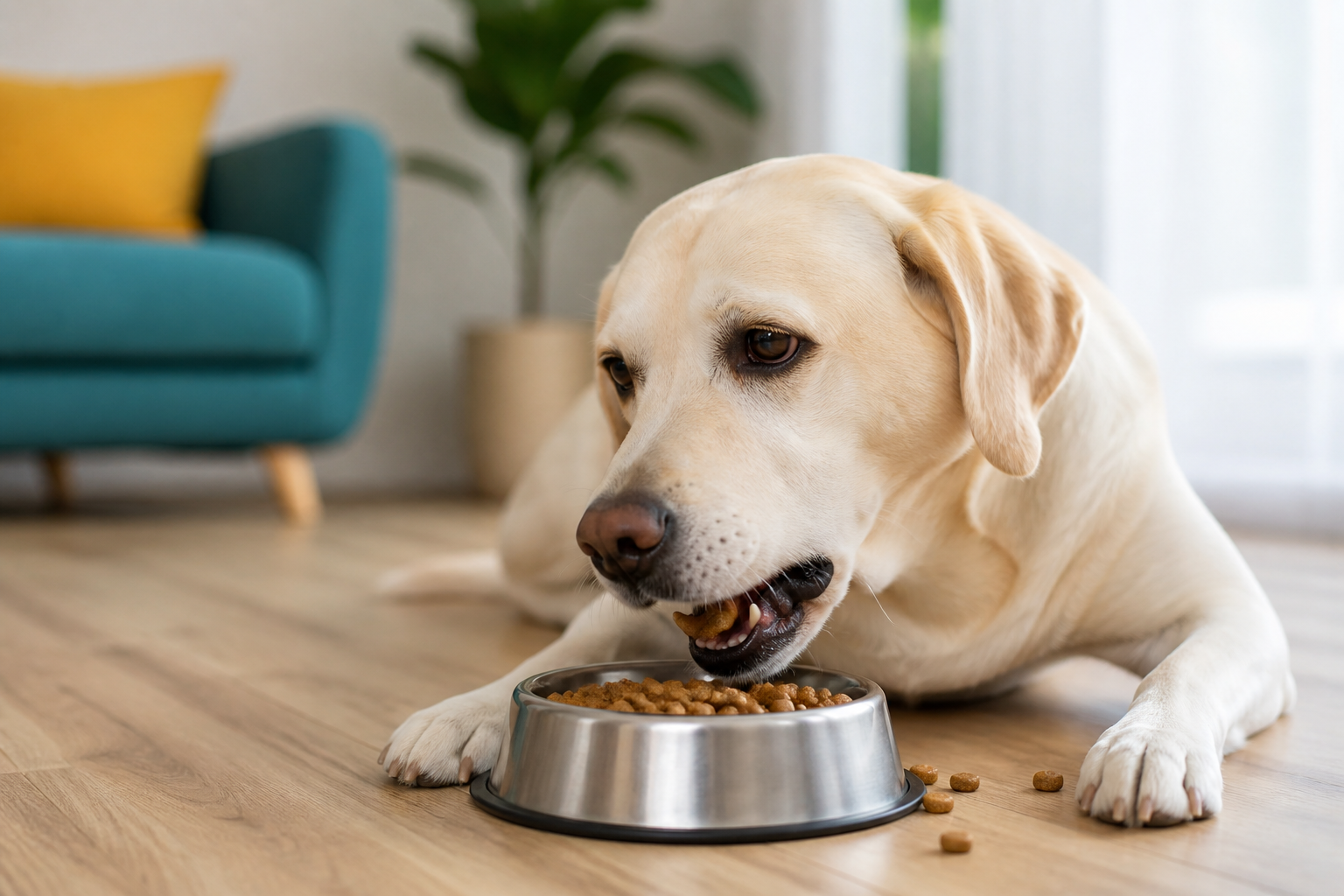
You are standing in the pet food aisle or scrolling through a long list of options and looking for a way to keep your dog’s smile bright. You hear the familiar crunch of kibble in the bowl and wonder if that sound means your dog’s teeth are getting a good scrubbing. It is one of the most common questions we hear at BaxterBoo from owners who want to avoid expensive veterinary dental cleanings. The idea that dry food cleans teeth like a toothbrush is a long standing belief in the pet world. We want to help you understand what the science actually says about kibble and oral health. This post covers the reality of how dry food interacts with plaque, the difference between regular kibble and dental diets, and the most effective ways to keep your dog’s mouth healthy.
Quick Answer: While the mechanical action of chewing dry food may provide a very slight scraping effect, regular kibble does not effectively clean a dog’s teeth. Most kibble is too small and brittle to remove plaque at the gum line where it matters most.
The Mechanical Reality of Kibble
The theory behind dry food and dental health is simple. People assume that as a dog bites down on a hard piece of kibble, the friction scrapes away plaque and tartar. In a perfect world, the food would act like a tiny abrasive sponge. However, the physical structure of most standard dry dog food does not allow this to happen.
Most kibble is designed to be small enough for a dog to eat quickly. When a dog bites a piece of regular dry food, it usually shatters near the tip of the tooth. The food breaks apart before the tooth can sink deep enough for the kibble to reach the gum line. This means the most critical area of the tooth receives no cleaning benefit at all.
Many dogs do not even chew every piece of food. If you have ever seen a dog "inhale" their meal, you know that much of that kibble is swallowed whole. Without the actual motion of chewing, there is zero mechanical friction. Even for dogs that do chew thoroughly, the brittle nature of the food means it turns into a paste quickly once it mixes with saliva.
Why Brittle Texture Fails
- Regular kibble is made to be shelf stable and easy to digest.
- The pieces are often porous and airy.
- The "crunch" happens instantly upon contact with pressure.
- The food particles often get stuck in the crevices of the teeth.
Key Takeaway: Standard kibble shatters too quickly to provide meaningful abrasion against the teeth, especially near the sensitive gum line where disease starts.
The Role of Ingredients and Carbohydrates
When considering if dry dog food helps clean teeth, we have to look at what is actually in the food. Most dry foods require a significant amount of carbohydrates to hold the kibble together. These starches and sugars can actually contribute to dental problems rather than solving them.
Bacteria in your dog's mouth thrive on simple sugars. When a dog eats a diet high in grain or starch, those small particles can stick to the teeth and under the gums. This provides a constant food source for the bacteria that create plaque. Over time, that plaque hardens into tartar or calculus.
High quality brands we carry at BaxterBoo, such as Stella and Chewy’s or The Honest Kitchen, often focus on high protein and lower glycemic ingredients. This can be better for overall health, but the physical form of the food still matters. If the food is sticky or leaves a residue, it may be doing more harm than good for the teeth despite the high quality of the ingredients. Explore our dog food category when comparing food formats and formulas.
Veterinary Dental Diets vs. Regular Kibble
While regular kibble may not do much for dental hygiene, there are specific veterinary dental diets designed for this exact purpose. These foods are fundamentally different from the "all life stages" bags you might find at a grocery store.
Dental diets use a specific technology involving the size and the internal matrix of the kibble. The pieces are much larger, forcing the dog to bite down multiple times. Instead of shattering like glass, these kibbles are designed with a fibrous structure that allows the tooth to penetrate the piece. This creates a "squeegee" effect that wipes the surface of the tooth as the dog chews.
Some of these diets also include chemical anti-plaque agents. These are often polyphosphates that coat the kibble and help prevent minerals in the saliva from hardening into tartar. These specialized diets are often only available through a prescription.
What Makes a Dental Diet Different?
- Increased kibble size to encourage chewing.
- Directional fibers that resist crumbling.
- Controlled levels of minerals that contribute to tartar.
- Specific coating to reduce bacteria growth.
Vet Tip: If your dog has a history of rapid tartar buildup or gingivitis, ask your veterinarian about a prescription dental diet. Our dog pharmacy carries prescription pet medications through our pharmacy service, which can be a vital part of a long term dental health plan.
The VOHC Seal of Approval
If you are looking for a dry food that actually helps clean teeth, you should look for the Veterinary Oral Health Council (VOHC) seal. This organization does not perform its own testing. Instead, it reviews data provided by manufacturers to ensure that the product meets specific standards for reducing plaque or tartar.
Not all high quality foods have this seal. It is an expensive and rigorous process to obtain it. However, seeing that seal on a bag of food or a bag of treats like Greenies gives you a level of certainty. It means there is scientific proof that the product does what it claims regarding oral health.
Why Wet Food is Not the Enemy
There is a common myth that wet food causes teeth to rot. While it is true that wet food does not provide any mechanical cleaning, it also does not necessarily cause more decay than regular dry kibble. In some cases, the higher moisture content can help wash away some food particles.
The real issue is that neither wet food nor standard dry food is a substitute for active dental care. If you feed wet food, you must be even more diligent about brushing. However, you should not switch to a dry food you dislike just because you hope it will clean your dog’s teeth. The dental benefit of regular kibble is too small to outweigh the importance of a diet that meets your dog's specific nutritional needs.
The Dangers of Periodontal Disease
Understanding why we want clean teeth is just as important as knowing how to get them. Dental disease is not just about bad breath. It is a serious health concern that can impact your dog's entire body.
When plaque sits on the teeth, it leads to inflammation of the gums, known as gingivitis. If left untreated, this progresses to periodontal disease. This can cause the bone supporting the teeth to dissolve. Even more concerning is the fact that the bacteria in the mouth can enter the bloodstream. This has been linked to damage in the heart, liver, and kidneys.
Key Takeaway: Dental health is systemic health. Keeping teeth clean is a primary way to protect your dog’s internal organs and overall longevity.
For more warning signs and prevention guidance, read our guide to recognizing bad teeth in dogs.
Beyond the Bowl: Effective Dental Care
Since we know that dry food is not a "magic bullet" for clean teeth, we have to look at what actually works. A multi-faceted approach is the only way to truly maintain your dog's oral health. Our dog dental care collection includes products that can support an at-home routine.
Daily Brushing
This is the gold standard. Nothing replaces the physical action of a toothbrush and pet-safe toothpaste. You do not need to spend twenty minutes on it. Even a quick thirty second scrub of the outside of the teeth can make a massive difference.
Dental Chews and Toys
Products like those from Kong or various dental chews can provide the mechanical action that regular kibble lacks. These are designed to be chewed for long periods, which stimulates saliva and provides prolonged friction. Browse our dental dog treats for chew options made for oral care.
Water Additives and Gels
For dogs that absolutely will not tolerate brushing, there are additives you can put in their water or gels you can apply to their gums. These often use enzymes to break down plaque or ingredients that make the mouth less hospitable to bad bacteria.
Professional Cleanings
Just like humans, dogs eventually need a professional cleaning. This involves scaling the teeth above and below the gum line while the dog is under anesthesia. It allows a veterinarian to find problems that are invisible during a standard exam.
Vet Tip: If your dog has red gums, a foul odor that goes beyond "dog breath," or seems to be dropping food while eating, schedule a dental exam. These can be signs of painful infections that require professional treatment or medication from our pet pharmacy.
For additional at-home ideas, see these pet dental care tips.
How to Start a Dental Routine
If you have relied on dry food to clean your dog’s teeth up until now, it is never too late to start a real routine. You do not have to do everything at once.
Step 1: Check the mouth. Lift your dog's lips and look for brown tartar or red gums. If you see significant buildup, a cleaning at the vet is the best starting point.
Step 2: Introduce a toothbrush. Use a soft brush or a finger brush. Let your dog lick some poultry-flavored toothpaste off it first so they associate it with a treat.
Step 3: Pick a consistent time. Whether it is after the evening walk or right before bed, consistency helps the dog accept the routine.
Step 4: Incorporate dental treats. Use VOHC-approved treats as a reward for a successful brushing session.
The Cost of Neglect
Many owners hesitate to invest in dental care because of the cost of specialized food, treats, or professional cleanings. However, the cost of a routine dental cleaning is significantly lower than the cost of oral surgery. When teeth become abscessed or the jawbone is compromised, the extractions and specialized care can cost thousands of dollars.
By focusing on a combination of high-quality nutrition and active dental maintenance, you save money in the long run. We see many owners at BaxterBoo who have managed to keep their senior dogs' teeth healthy and intact well into their teens through simple daily habits.
Choosing the Right Products
At BaxterBoo, we carry a wide variety of brands that support your dog’s health from the inside out. While a standard bag of Farmina or NutriSource is excellent for nutrition, we also provide the tools you need for the "other half" of dental care. This includes dental toys, enzymatic toothpastes, and specialized chews. You can pair recurring essentials with our Autoship programme when it fits your routine.
If your veterinarian has diagnosed a specific condition like severe gingivitis or a mouth infection, our pharmacy partnership with Pet's Choice can help you get the necessary FDA-approved medications. This ensures your dog gets exactly what the doctor ordered without extra trips to a physical clinic.
Bottom line: Regular dry dog food is not an effective way to clean teeth, so you must rely on brushing, dental treats, and professional care to keep your dog healthy.
Summary of Dental Care Methods
| Method | Effectiveness | Frequency | Pros |
|---|---|---|---|
| Regular Kibble | Very Low | Daily | Convenient, standard part of diet |
| Dental Diets | Moderate to High | Daily | Designed specifically for cleaning |
| Brushing | Highest | Daily | Removes plaque before it hardens |
| Dental Chews | Moderate | 3-5 times a week | Most dogs enjoy them as treats |
| Water Additives | Low to Moderate | Daily | Very easy to use |
| Vet Cleaning | Highest | Yearly | Cleans under the gum line |
The Role of Genetics in Dental Health
It is important to acknowledge that some dogs are simply more prone to dental issues than others. Small breeds, such as Pugs, Yorkies, and Chihuahuas, often have crowded mouths. When teeth are packed closely together, there are more places for food and bacteria to hide. These dogs may need even more support than a large breed with a spacious jaw.
If you have a small breed dog, do not feel discouraged if they still develop tartar despite your best efforts. Genetics play a huge role. For these pets, using a combination of a dental diet, daily brushing, and perhaps an enzymatic water additive is often necessary.
Conclusion
While we would all love for a bowl of kibble to do the hard work of dental hygiene, the truth is that dry dog food is not a replacement for a toothbrush. Most kibble is simply too brittle and small to make a difference at the gum line. To truly protect your dog from the pain and health risks of periodontal disease, you need a proactive plan. This includes high-quality nutrition, daily oral care, and regular veterinary checkups. At BaxterBoo, we are here to support you with everything from the best food brands to a full-service pharmacy for your dog’s health needs. Start a daily brushing habit today and look into our dental care category to find the right tools for your pet’s smile.
FAQ
Does my dog really need their teeth brushed if they eat hard kibble?
Yes, your dog still needs their teeth brushed even if they eat hard kibble. Most dry food shatters quickly and does not reach the gum line where plaque causes the most damage. Brushing is the only way to physically remove the biofilm of bacteria that leads to tartar and gum disease.
Are there any dry foods that actually clean teeth?
There are specialized veterinary dental diets that are specifically engineered to clean teeth. These kibbles are larger and have a fibrous texture that scrubs the tooth surface as the dog chews. You should look for the VOHC seal on the packaging to verify that a food has been proven to reduce plaque or tartar.
How can I tell if my dog has dental disease?
Common signs of dental disease include bad breath, red or swollen gums, and yellow-brown tartar on the teeth. You might also notice your dog pawing at their mouth, acting fussy about their food, or leaving spots of blood on their chew toys. If you see these signs, you should consult your veterinarian for a thorough exam.
Can I use human toothpaste for my dog?
No, you should never use human toothpaste for your dog. Human toothpaste often contains fluoride and xylitol, which can be toxic to dogs if swallowed. Always use a toothpaste specifically formulated for pets, which is safe to ingest and comes in flavors dogs enjoy, like poultry or beef.






