
 Save 15% on your 1st Autoship learn more

 Email us
 Live Chat
 FAQs
FAQs





Introduction
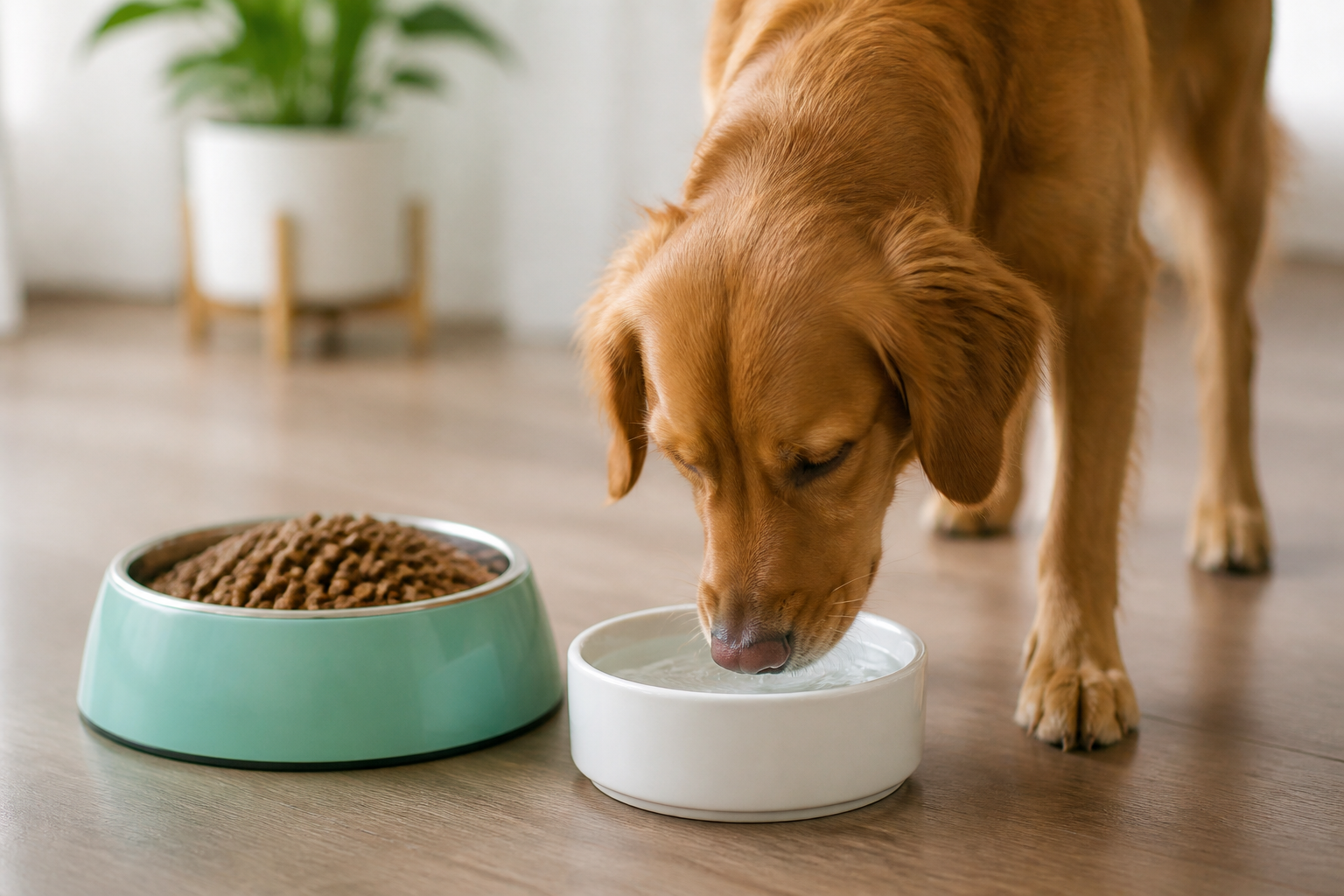
You have likely seen the routine every evening. Your dog finishes a bowl of dry kibble, pauses for a second, and then heads straight for the water bowl. The sound of rhythmic lapping fills the room as they drink for several minutes. It is a common sight for many pet owners, but it often leads to a logical question: is the food itself making them parched? At BaxterBoo, we have helped thousands of pet parents navigate nutrition since 2006. We know that understanding your dog's hydration is just as important as choosing the right protein. This post covers why dry food increases thirst, how to tell if your dog is drinking enough, and ways to boost moisture in their diet. Understanding the connection between kibble and water intake helps you provide better daily care for your companion.
The Science of Moisture in Dog Food
To understand why dry food makes dogs thirsty, we have to look at the moisture gap. Most dry kibble is processed to be shelf stable and easy to store. This process involves removing most of the water. High quality dry foods generally contain between 6 percent and 10 percent moisture. This is a very low number when you compare it to other feeding options.
In contrast, canned wet food usually contains 75 percent to 80 percent water. Fresh or raw diets often sit around 70 percent moisture. When a dog eats wet food, they are essentially hydrating while they eat. When they eat dry kibble, they are consuming a concentrated source of calories with almost no built in hydration. This lack of liquid is the primary reason your dog heads for the water bowl immediately after a meal. For more feeding options, browse our dog food category.
Quick Answer: Yes, dry dog food makes dogs thirsty because it only contains about 10 percent moisture. This low water content requires the dog's body to use internal fluids for digestion, which triggers a natural thirst response to replace what was used.
The Sponge Effect and Digestion
The way a dog's body processes dry food is quite different from how it handles wet food. Once your dog swallows kibble, it enters the stomach and begins to break down. Because the kibble is so dry, it acts like a tiny sponge. It absorbs the gastric juices and any water already present in the digestive tract.
This absorption causes the kibble to expand significantly in the stomach. If there is not enough fluid available to help this process, the body sends a signal to the brain that more water is needed. This is a healthy biological response. Your dog is instinctively replacing the fluids their digestive system is currently using to process that dry matter.
If your dog does not drink enough water after a dry meal, the digestion process can slow down. This might lead to harder stools or mild constipation. This is why keeping the water bowl full is vital when you feed a dry diet. For more mealtime ideas, read our guide to mixing dry dog food with water.
How Ingredients Impact Thirst
It is not just the lack of water that plays a role in your dog's thirst levels. The specific ingredients in the bag can also influence how much they drink. While premium brands like Royal Canin or NutriSource balance their recipes carefully, certain components naturally require more water for the body to process.
Sodium Content
Sodium is a necessary mineral for nerve and muscle function. Most reputable dog foods stay within a safe and healthy range for salt. However, some brands may use slightly higher levels of sodium to enhance flavor or act as a preservative. Just like when we eat salty snacks, your dog will feel the need to drink more to help their kidneys flush out excess salt.
Protein and Nitrogen
High protein diets are popular for active dogs, but they do come with a hydration cost. When the body breaks down protein, it produces nitrogen as a byproduct. The kidneys are responsible for filtering this nitrogen out of the blood and excreting it through urine. This process requires a steady supply of water. If you feed a high protein kibble like Orijen or Acana, you may notice your dog visits the water bowl more frequently.
Dietary Fiber
Fiber is excellent for digestive health and stool quality. However, fiber works by absorbing water as it moves through the intestines. If a food is particularly high in fiber, it will pull more moisture from the body. This is another reason why weight management foods, which are often high in fiber, can make a dog feel extra thirsty.
Key Takeaway: Thirst after a meal is a healthy sign that your dog's body is working to process nutrients and maintain a proper mineral balance.
Calculating Your Dog's Daily Water Needs
While every dog is different, there are general guidelines to help you determine if your pup is in the right ballpark for hydration. These numbers are especially important for dogs on a strictly dry diet.
A standard rule of thumb is that a healthy dog should drink about one ounce of water per pound of body weight every day. A 20 pound dog should drink roughly 20 ounces, or about two and a half cups. However, dogs eating dry food often trend toward the higher end of this range because they are not getting moisture from their meals.
| Dog Weight | Daily Water (Approximate) | Notes for Dry Food Diets |
|---|---|---|
| 10 lbs | 10 oz | May need more in dry climates |
| 25 lbs | 25 oz | Expect a large drink right after meals |
| 50 lbs | 50 oz | Refill bowls at least twice daily |
| 75 lbs | 75 oz | Consider multiple water stations |
| 100 lbs | 100 oz | Large capacity bowls are essential |
Environmental Factors and Hydration
Diet is a major factor, but it does not work in a vacuum. Other elements of your dog's life will change how much water they need alongside their dry food.
- Weather and Temperature: In the summer months or in a heavily heated home during winter, water evaporates from the body faster.
- Activity Level: A dog that just finished a game of fetch with a Kong toy will need significantly more water than a dog that napped all afternoon.
- Life Stage: Puppies and senior dogs often have less efficient hydration regulation. They may need more frequent access to fresh water.
- Home Environment: Humidity levels in your house can affect how thirsty a dog feels. Dry air leads to dry mucous membranes, which triggers the urge to drink.
Recognizing Healthy Thirst vs. Dehydration
Since dry food naturally makes dogs thirstier, you need to know the difference between a normal thirst response and actual dehydration. Healthy thirst is proactive. Your dog eats, feels the need for water, and drinks. Dehydration is a reactive state where the body has already lost too many fluids.
The Skin Turgor Test
One of the fastest ways to check hydration is the scruff test. Gently pinch the skin between your dog's shoulder blades and pull it up slightly. In a well hydrated dog, the skin will snap back into place instantly. If the skin stays in a tent shape or moves back slowly, your dog may be dehydrated.
Checking Gums and Saliva
Healthy gums should be pink and moist to the touch. If you rub your finger over your dog's gums and they feel tacky, sticky, or dry, they need more water. You should also look at their saliva. Thick, stringy, or frothy drool is a common sign that the body is low on fluids.
Other Indicators
- Sunken Eyes: The eyes may appear slightly deeper in the sockets when a dog is severely dehydrated.
- Lethargy: A lack of energy or a refusal to play can be linked to poor hydration.
- Panting: Excessive panting when it is not hot can indicate the body is struggling to regulate.
Vet Tip: If your dog shows signs of dehydration that do not improve after drinking water, consult your veterinarian immediately. Persistent dehydration can lead to kidney issues or heat exhaustion.
Simple Ways to Boost Moisture in a Dry Diet
If you are worried that your dog is not drinking enough to keep up with their kibble, you do not have to switch their entire diet. There are several practical ways to add moisture to their existing routine.
Add Water or Broth to the Bowl
This is the easiest and most effective method. Adding half a cup of warm water to the kibble right before serving creates a "stew." This pre-hydrates the food and lessens the sponge effect in the stomach. For a flavor boost, you can use low sodium bone broths like those from Caru or Open Farm. This is especially helpful for picky eaters who might ignore plain water. For additional preparation ideas, see how to wet dry dog food for better digestion and hydration.
Incorporate Wet Food Toppers
You can mix a spoonful of canned food into the dry kibble. Brands like Stella and Chewy's or Wellness offer pouches and cans specifically designed for topping. This adds significant moisture and high quality protein without changing the base of the diet. Our Frequent Buyer Program includes many of these brands, helping you earn free products while keeping your pet hydrated.
Use Hydrating Treats
Fruits and vegetables can be excellent sources of water. Small pieces of seedless watermelon, cucumber, or blueberries are great hydrating snacks. You can also freeze low sodium broth in ice cube trays for a refreshing summer treat.
Step-by-Step: Transitioning to a More Hydrated Diet
Step 1: Start small by adding two tablespoons of water or broth to their regular kibble. Step 2: Observe their digestion and stool quality for three days to ensure no stomach upset. Step 3: Gradually increase the liquid until the kibble is lightly floating or softened. Step 4: Consider adding a wet food topper once or twice a week for variety and extra moisture.
The Importance of Water Freshness and Access
A dog's willingness to drink is often tied to how fresh the water is. Dust, hair, and bits of food can quickly accumulate in a standard bowl, making the water unappealing.
Try to change the water at least twice a day. If you notice your dog is a reluctant drinker, consider a pet fountain. The sound of running water and the constant filtration can encourage many dogs to drink more often. Also, ensure there is a water source on every level of your home. A dog might choose to stay on the couch rather than walk down two flights of stairs for a drink. For another perspective on meal moisture, read our guide to feeding wet and dry food together.
Bottom line: Increasing moisture in the diet and ensuring easy access to fresh water are the best ways to support a dog on a dry food diet.
When Excessive Thirst Becomes a Health Concern
While dry food causes a normal increase in thirst, sometimes a dog's drinking habits can point to an underlying medical issue. This is known as polydipsia. If you find yourself refilling the bowl five or six times a day, or if your dog is suddenly having accidents in the house, it is time for a professional opinion.
Conditions like diabetes mellitus, kidney disease, and Cushing's disease all list excessive thirst as a primary symptom. Urinary tract infections can also cause a dog to drink more and urinate more frequently.
Our pet pharmacy offers FDA approved medications and prescription pet foods to help manage these chronic conditions. Through our partnership with Pet's Choice, we provide access to specialized diets like Farmina Vet Life, which are specifically formulated for health needs like weight management or renal support. If your vet prescribes a specific diet or medication to manage your dog's thirst and health, our pharmacy can help fulfill those needs conveniently.
Senior Dogs and Hydration
As dogs age, their bodies become less efficient at maintaining fluid balance. Senior dogs may also struggle with cognitive decline or mobility issues that make it harder for them to get to the water bowl. If your senior dog is on a dry food diet, you must be extra vigilant.
Many seniors benefit from a "moistened" dry food diet to help their kidneys. Our Autoship programme is a great way to ensure you never run out of the wet food or toppers your senior needs. Plus, Autoship customers receive a free MVP Gold membership, providing extra value on every order.
Creating a Better Feeding Routine
A consistent routine helps your dog's body regulate its hydration. Feeding at the same time every day allows the digestive system to anticipate the need for water.
If you use a dry food diet, try to offer the largest water intake opportunities shortly after mealtime. Most dogs will do the bulk of their drinking in the hour following their dinner. By keeping the schedule predictable, you can better monitor what is normal for your pet and what might be a sign of a problem. For more guidance on comparing food formats, explore our wet and dry dog food comparison.
Key Takeaway: Monitoring the relationship between your dog's meals and their water intake is a fundamental part of responsible pet ownership.
Conclusion
Dry food is a convenient and nutritious way to feed your dog, but its low moisture content does naturally increase their thirst. By understanding the science of the "sponge effect" and the role of ingredients like sodium and protein, you can manage your pet's hydration with confidence. Always ensure fresh water is accessible and consider adding toppers or water directly to the kibble to boost moisture levels.
If you ever notice a sudden, dramatic change in your dog's thirst that cannot be explained by weather or exercise, please consult your veterinarian. Our pharmacy and Pet's Choice partnership are here to support you with prescription foods and medications if a health condition arises. For your everyday needs, the BaxterBoo collection of premium dry foods, wet toppers, and hydration supplements offers everything you need to keep your pup healthy. Join the MVP Rewards programme today to earn up to 5 percent back on your purchases and keep your dog's tail wagging and their water bowl full.
FAQ
Does dry food cause dehydration in dogs?
Dry food itself does not cause dehydration if a dog has constant access to fresh water. However, because kibble only contains about 10 percent moisture, the dog must drink significantly more water to digest it properly. If water is restricted or the dog refuses to drink, the low moisture in the food can lead to a dehydrated state.
Why does my dog drink so much water after eating kibble?
Kibble is a concentrated food source that absorbs liquid in the stomach to break down during digestion. This "sponge effect" triggers a natural thirst response as the body seeks to replace the fluids used for digestion. Additionally, some ingredients like salt and protein require extra water for the kidneys to process.
Is it better to put water in dry dog food?
Adding water to dry food is often very beneficial as it pre-hydrates the kibble and makes it easier to digest. This practice can prevent the dog from feeling overly parched after a meal and helps support kidney health. Many dogs also find the softened texture and enhanced aroma more appealing than plain dry kibble.
How can I tell if my dog's thirst is a medical problem?
If your dog's thirst increases suddenly without a change in diet, weather, or activity, it could signal an underlying issue. Look for other symptoms like frequent urination, accidents in the house, lethargy, or changes in appetite. A veterinarian can perform simple tests to rule out conditions like diabetes or kidney disease.






