
 Save 15% on your 1st Autoship learn more

 Email us
 Live Chat
 FAQs
FAQs





Introduction
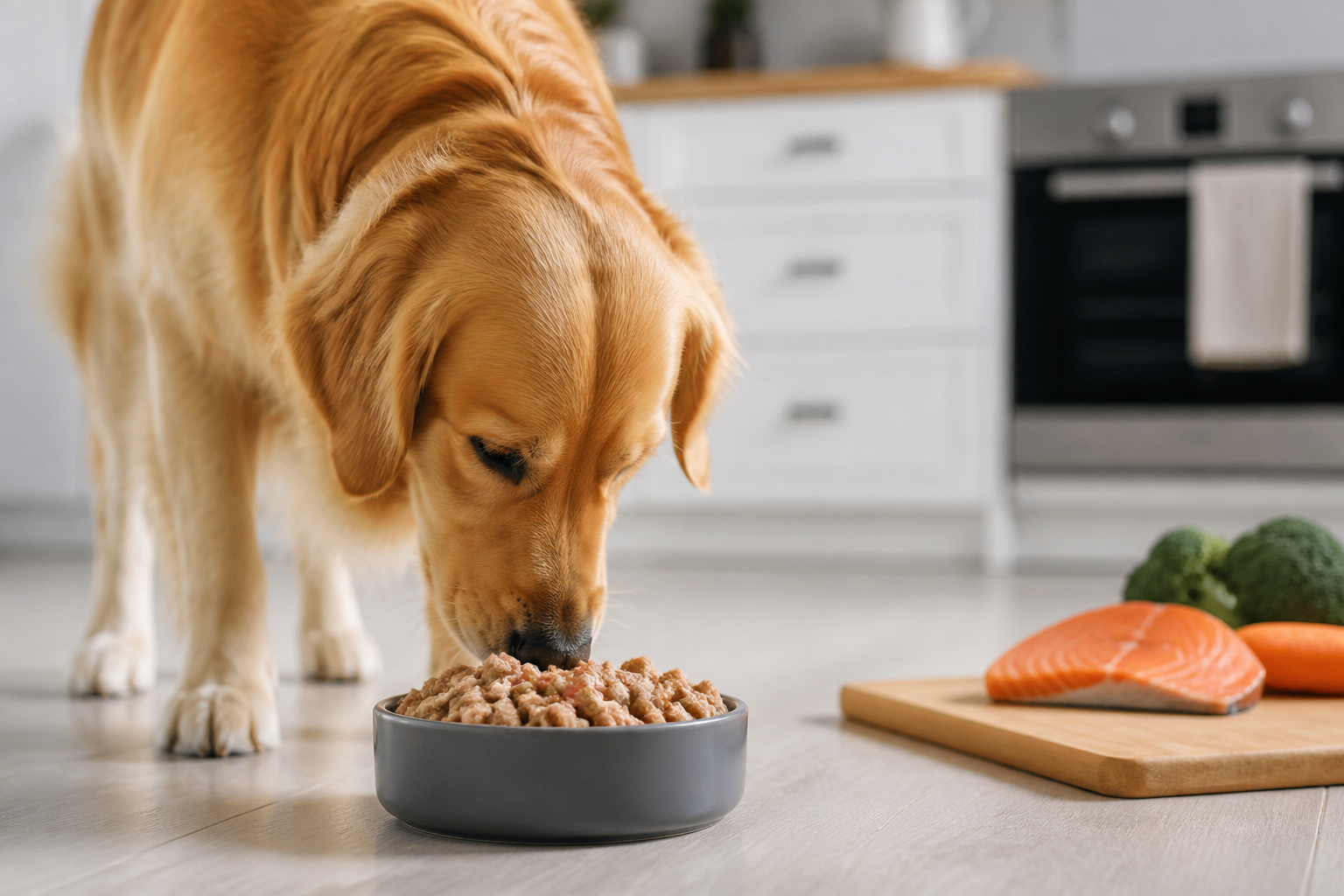
You are standing in the pet food aisle or browsing online, looking for the best possible nutrition for your dog. You have heard that raw diets offer incredible benefits for coats and energy levels, but the idea of handling slimy, raw meat every morning feels like a lot to manage. Then you see it: freeze dried raw food. It looks like kibble or small biscuits. It is lightweight, shelf-stable, and mess-free. But a question stops you in your tracks: is it actually safe? You want the health benefits of raw feeding without turning your kitchen into a biohazard zone.
At BaxterBoo, we talk to pet parents every day who are trying to balance high-quality nutrition with safety and convenience. We carry many of the top freeze dried brands and understand how these products are made. This article covers the reality of salmonella risks in freeze dried diets, how modern processing techniques work to keep your dog safe, and the practical steps you should take at home. Understanding these factors will help you decide if this popular feeding method is the right choice for your family.
Quick Answer: Yes, freeze dried raw dog food can contain salmonella because the freeze drying process does not use heat to kill bacteria. However, many premium brands use safety steps like High Pressure Processing (HPP) and rigorous batch testing to eliminate pathogens before the food reaches your home.
What is Freeze Dried Dog Food?
To understand the salmonella risk, we first need to look at how this food is made. Freeze dried dog food is a type of raw meat-based diet. It is minimally processed to keep the nutrients and enzymes intact. Unlike traditional kibble, which is cooked at high temperatures through a process called extrusion, freeze dried food stays raw throughout the entire journey from the farm to the bag.
The process involves freezing the raw ingredients and then placing them in a vacuum chamber. This triggers a process called sublimation. In this stage, the ice turns directly into water vapor without ever becoming liquid. This removes almost all the moisture from the food. Because the moisture is gone, the food becomes shelf-stable and does not require refrigeration. It retains the smell, taste, and nutritional profile of raw meat, which makes it a hit with even the pickiest eaters.
Many pet owners prefer this over frozen raw because it is easier to travel with and store. You can find it in different forms, including full meals, mixers that you add to kibble, or simple high-value treats. However, because the food is never cooked, any bacteria present in the original raw meat can theoretically survive the drying process. Our freeze-dried food collection includes meals, toppers, and treats in several formats.
The Reality of Salmonella in Freeze Dried Diets
The short answer is that freeze drying by itself is not a sterilization method. In a laboratory setting, scientists actually use freeze drying to preserve bacteria for future study. This is because removing moisture puts bacteria into a dormant state rather than killing them. If salmonella is present in the raw turkey or beef when the process begins, it can still be there when you open the bag.
This is why several national veterinary associations have historically expressed concern about raw diets. Salmonella is a hardy bacterium that can cause significant digestive distress in dogs. Even more concerning is the risk of cross-contamination for humans. When a dog eats food contaminated with salmonella, they can shed the bacteria in their saliva and their stool. This means that even if your dog looks perfectly healthy, they could be spreading germs to your floors, furniture, or your own hands.
However, the pet food industry has evolved. Most of the reputable brands we stock at BaxterBoo use advanced safety protocols to address these concerns. While the freeze drying process does not kill the bacteria, other steps in the manufacturing chain do. You can compare options in our dog food category.
Key Takeaway: Freeze drying preserves the nutritional integrity of raw meat, but it also preserves any bacteria present unless the manufacturer uses additional safety steps like High Pressure Processing.
How High Pressure Processing Changes the Game
If you are worried about pathogens, you should look for brands that use High Pressure Processing, often called HPP. This is a cold pasteurization technique that is widely used in human foods, like bottled juices and deli meats. Instead of using heat, which would cook the meat and change its nutritional profile, HPP uses extreme water pressure.
The food is placed in a high-pressure chamber. The pressure applied is so intense that it crushes the cell walls of pathogens like salmonella, listeria, and E. coli. Because the pressure is applied evenly from all sides, the shape and nutritional value of the food remain unchanged. This allows a brand to offer a raw product that is significantly safer for both the pet and the owner.
Brands like Stella & Chewy's are well-known for using HPP on all their raw products. They also take the extra step of batch testing. This means they do not just trust the process; they test every single run of food for pathogens before it leaves their facility. Some brands even provide a tool on their website where you can enter your bag's lot number to see the safety test results for yourself. Explore our selection of Stella & Chewy's products to compare available recipes.
| Feature | Kibble | Frozen Raw | Freeze Dried (with HPP) |
|---|---|---|---|
| Processing | High Heat | None | Cold Pressure |
| Moisture Content | Low | High | Very Low |
| Salmonella Risk | Very Low | Higher | Low |
| Shelf Life | Long | Short (Frozen) | Long |
| Convenience | High | Low | High |
Safe Handling Practices for Pet Parents
Even if you choose a brand that uses HPP, you should treat freeze dried raw food with the same respect you would give a raw chicken breast from the grocery store. Safe handling is the best way to protect your household from potential illness. This is especially important if you have children, seniors, or immunocompromised individuals in your home.
Step 1: Wash your hands. / Use warm, soapy water for at least 20 seconds after handling the food or treats.
Step 2: Clean the bowl. / Wash your dog's food bowl with hot, soapy water after every meal to prevent bacterial buildup.
Step 3: Sanitize surfaces. / If you crumble freeze dried patties over kibble, make sure to wipe down the counter or any surface the food touched.
Step 4: Secure the bag. / Keep the food in its original packaging and seal it tightly after each use. Store it in a cool, dry place where your dog cannot reach it.
It is also a good idea to monitor where your dog eats. If they have a habit of taking treats to a carpeted area, you might want to encourage them to stay on a tile or linoleum floor that is easier to disinfect.
Vet Tip: If your dog has a sensitive stomach or a compromised immune system, always consult your veterinarian before switching to a raw-based diet. They can help you determine if your dog's current health status makes them a good candidate for raw feeding.
Identifying Symptoms of Salmonella Infection
While many dogs can carry salmonella without showing any signs of illness, some will become symptomatic. This is known as salmonellosis. If your dog has accidentally consumed contaminated food, you should watch for changes in their behavior and digestion. Our guide to freeze-dried dog food offers additional information about safety and handling.
Symptoms of salmonella in dogs include:
- Sudden lethargy or weakness
- Severe diarrhea, which may be bloody or contain mucus
- Frequent vomiting
- Fever and abdominal pain
- A sudden loss of appetite
If your dog shows these signs, contact your veterinarian immediately. They may need to perform a fecal test to confirm the presence of the bacteria. In some cases, dogs may need supportive care like fluids for dehydration. If your dog is diagnosed with an infection and requires specific medications or a prescription recovery diet, our pet pharmacy carries a wide range of FDA-approved options through our partnership with Pet's Choice.
Bottom line: While most healthy dogs handle bacteria well, salmonella can be serious for puppies, seniors, or pets with underlying health issues.
The Role of the Manufacturer and Recalls
When you are deciding which freeze dried food to buy, the reputation of the company matters. Look for brands that have a clear commitment to safety. This includes having a staff veterinarian or a certified animal nutritionist on their team. A responsible manufacturer will be transparent about their sourcing and their testing protocols.
You should also keep an eye on pet food recalls. The FDA monitors pet food safety and will issue a recall if a product tests positive for salmonella or other contaminants. Many pet owners sign up for email alerts from the FDA or the American Veterinary Medical Association. At BaxterBoo, we also stay on top of these updates to ensure that the products on our shelves meet the highest safety standards.
Choosing a brand that follows AAFCO (Association of American Feed Control Officials) standards is another layer of protection. This ensures that the food is not just safe, but also nutritionally complete and balanced for your dog's life stage. Some smaller, "boutique" brands may not follow these guidelines, which can lead to nutritional deficiencies over time.
Is Freeze Dried Raw Right for Your Dog?
For many pet owners, the benefits of freeze dried raw food far outweigh the risks, provided they buy from the right brands. The high protein content and lack of fillers can lead to better digestion and smaller, firmer stools. The minimal processing means your dog is getting vitamins and minerals in their most bioavailable form.
However, if you live in a household with a newborn baby or an elderly relative with a weakened immune system, you might decide that even a small risk is too much. In those cases, a high-quality cooked diet or a traditional kibble might be the safer route. You can still offer the benefits of raw by using freeze dried treats for training, which are easier to manage than full raw meals.
If you do choose to feed freeze dried raw, consider using our Autoship programme. It is a great way to save on every order and ensures you never run out of your dog's favorite food. Plus, you will get a free MVP Gold membership, which offers additional rewards and savings.
Key Takeaway: Your choice of brand is the most important factor in salmonella safety. Look for High Pressure Processing (HPP) and batch testing to minimize risk.
Summary of Feeding Safety
Transitioning to a new food should always be done slowly. Start by mixing a small amount of the freeze dried food into your dog's current kibble and gradually increase the ratio over 7 to 10 days. This gives their digestive system time to adjust to the higher protein and fat levels found in raw diets.
Remember that you can feed freeze dried food in two ways. You can serve it dry, or you can rehydrate it with a bit of warm water or goat's milk. Rehydrating the food is often better for your dog's hydration and can make the food even more palatable. If you rehydrate the food, treat it like fresh food and throw away any leftovers that have been sitting out for more than 30 minutes. For more storage guidance, read how long dry dog food stays fresh.
We are here to help you navigate these choices. Whether you are looking for a brand like Stella & Chewy's that prioritizes HPP or you need advice on a high-quality kibble, our team at BaxterBoo is dedicated to providing the products and information you need for a happy, healthy pet.
Bottom line: Freeze dried raw food is a convenient way to provide premium nutrition, but safety starts with choosing a reputable manufacturer and practicing good hygiene at home.
FAQ
Does freeze drying kill salmonella and other bacteria?
No, freeze drying does not kill salmonella. The process removes moisture, which stops the bacteria from growing and puts them into a dormant state, but they can become active again once the food is consumed or rehydrated. To eliminate bacteria, manufacturers must use additional methods like High Pressure Processing (HPP) or sourcing from high-quality, tested ingredients.
Is freeze dried raw food safer than frozen raw food?
In terms of bacteria, they carry similar risks because both are uncooked. However, freeze dried food is often considered safer for the household because it is dry and less likely to drip or splatter during preparation. Many freeze dried brands also utilize HPP more consistently than local or small-batch frozen raw producers, which can significantly reduce the pathogen load.
Can my dog give me salmonella from eating freeze dried food?
Yes, it is possible through a process called shedding. Even if your dog does not feel sick, salmonella can live in their digestive tract and be passed in their stool or be present in their saliva. To stay safe, always wash your hands after handling your dog or their waste, and avoid letting your dog lick your face immediately after they have eaten a raw meal.
How can I tell if a freeze dried dog food brand is safe?
Look for brands that openly discuss their safety protocols on their website. Check for mentions of High Pressure Processing (HPP), third-party laboratory testing, and "test and hold" procedures where food is not shipped until results are clear. You should also verify that the food meets AAFCO standards for a complete and balanced diet to ensure your dog's long-term health.






