
 Save 15% on your 1st Autoship learn more

 Email us
 Live Chat
 FAQs
FAQs





Introduction
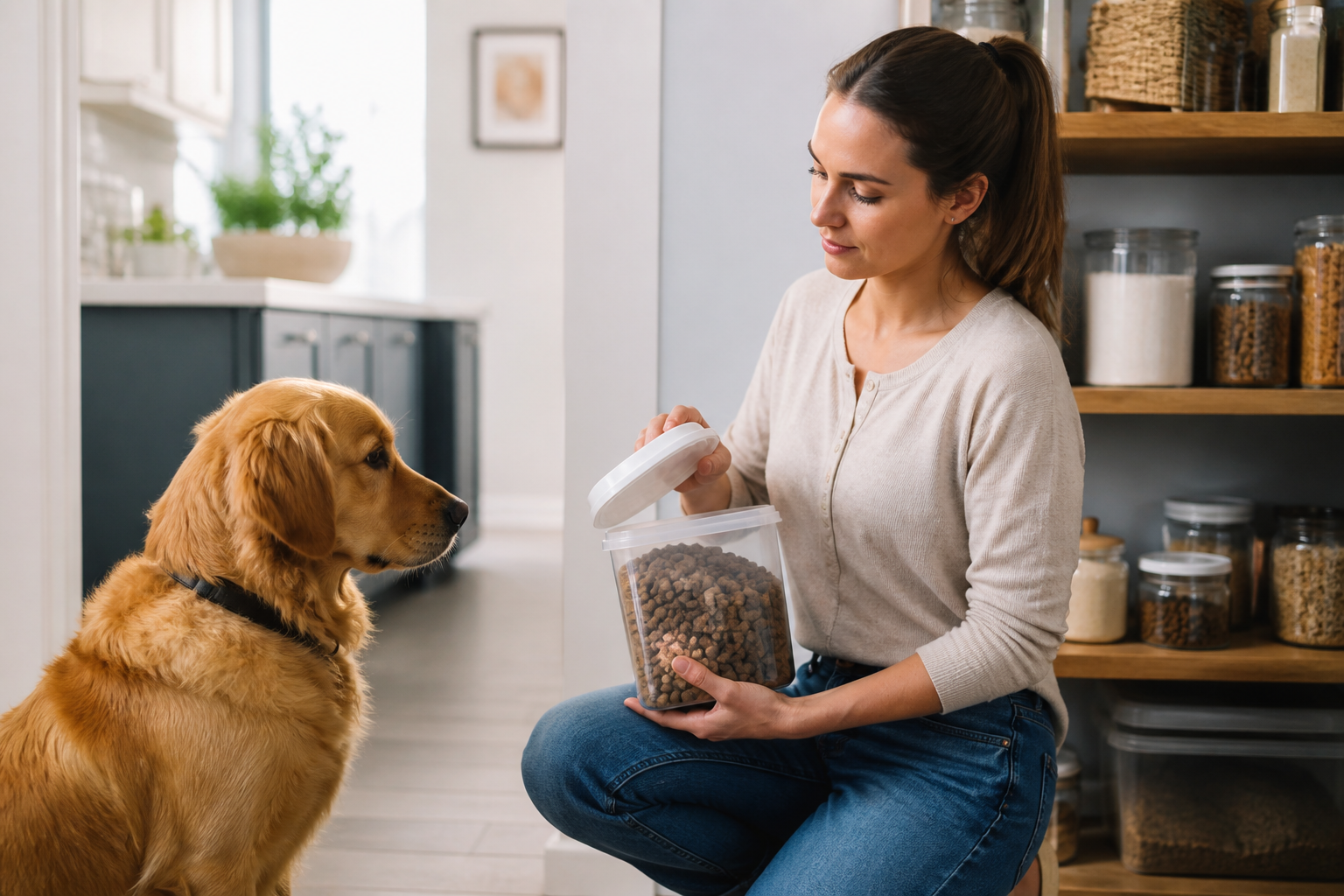
Opening a fresh bag of kibble often brings your dog running to the kitchen. You want every bowl to be as crunchy and nutritious as that first scoop. However, once that seal is broken, the clock starts ticking on the food quality. At BaxterBoo, we know that buying in bulk is a popular way to save. It only works if the food stays safe for your pet to eat. This post covers exactly how long your dog dry food remains fresh after opening. We also explain the best ways to store it to prevent spoilage. Understanding the shelf life of kibble helps you avoid wasted money. It also ensures your dog gets the nutrients they need for a healthy life.
Quick Answer: Most dry dog food lasts between four and six weeks after the bag is opened. While the "best by" date on the packaging refers to unopened bags, exposure to air and moisture accelerates spoilage once the seal is broken.
The Difference Between Expiration and Freshness
Every bag of dog food comes with a date printed by the manufacturer. You might see it labeled as "best by" or "use by" on the back or bottom of the bag. This date represents the timeframe the unopened food will remain at peak nutritional quality. Manufacturers conduct stability tests to ensure the vitamins and minerals stay intact until this date.
Once you open the bag, that date becomes much less relevant. Oxygen is the primary enemy of pet food. As soon as air hits the kibble, the process of oxidation begins. This process breaks down the fats in the food. It can eventually lead to rancidity. Even if the bag says it is good for another year, the clock effectively resets to about six weeks once the seal is broken.
We recommend marking the date you opened the bag with a permanent marker. This simple step takes the guesswork out of mealtime. If you find yourself reaching the six week mark with plenty of food left, you might need a smaller bag size next time. Our dry dog food category makes it easier to compare different options and sizes.
Why Dry Dog Food Spends Its Freshness Quickly
Three main factors contribute to the degradation of dry dog food. These are oxygen, heat, and moisture. Understanding how these elements interact with kibble can help you choose the best storage spot in your home.
Oxygen causes the fats in the kibble to turn rancid. Most high quality dog foods, such as those from Orijen or Acana, use natural preservatives like mixed tocopherols. These are forms of Vitamin E. While these are much healthier for your dog than synthetic chemicals, they do not last forever once exposed to air.
Heat accelerates the chemical breakdown of the food. If you store your dog food in a warm garage or next to a sunny window, the fats will spoil much faster. High temperatures can also degrade sensitive vitamins and minerals. This leaves your dog with a meal that fills their belly but lacks proper nutrition.
Moisture is perhaps the most dangerous factor. If humidity or water gets into the bag, it creates a breeding ground for mold and bacteria. Mold can produce mycotoxins. These are invisible poisons that can make a dog very sick. Always ensure your hands and the food scoop are completely dry before touching the food.
The Best Way to Store Your Dog Food
Many pet owners make the mistake of pouring the kibble directly into a large plastic bin. While this looks neat, it is actually one of the worst ways to store food. Plastic is porous. Over time, the fats and oils from the kibble seep into the walls of the plastic container. These oils eventually turn rancid. They can contaminate every new bag of food you pour into the bin.
The best method is to keep the food in its original packaging. These bags are engineered with specialized liners. They are designed to keep fats in and moisture out. Place the entire bag inside a hard sided, airtight container. This provides a double layer of protection. It keeps the food fresh and keeps pests like ants or mice away from the supply.
If you must pour the food directly into a container, choose glass or stainless steel. These materials are non-porous and do not absorb oils. Regardless of the material, you must wash the container with hot, soapy water between every single bag of food. Never pour a new bag of food on top of the crumbs of an old one.
Key Takeaway: Store kibble in its original bag inside an airtight container. This protects the food from oxygen and prevents rancid oil buildup on the container walls.
Identifying Spoiled or Rancid Dog Food
Your dog might be the first one to tell you the food has gone bad. If your usually enthusiastic eater suddenly walks away from their bowl, take it seriously. Dogs have a sense of smell that is thousands of times more sensitive than ours. They can smell rancid fats long before we can.
However, you should also perform regular checks. Use your own nose. Fresh kibble should smell grainy or meaty. Rancid food often takes on a sour or "off" odor. Some people describe it as smelling like old paint or wet cardboard. If the smell has changed since you first opened the bag, it is time to discard it.
Look closely at the kibble for any signs of mold. This might look like white, grey, or green fuzz. Also, look for signs of a pest infestation. Small webs or tiny crawling insects are a clear sign that the food is no longer safe. Check the bottom of the bag for excessive "fines" or dust. This can sometimes indicate that the food is breaking down or that grain mites are present. For additional guidance, read how to tell if dry dog food has gone bad.
Vet Tip: If your dog shows signs of vomiting, diarrhea, or lethargy after eating, they may have consumed spoiled food. Contact your veterinarian immediately to rule out food poisoning or bacterial infections from Salmonella or E. coli.
Health Risks of Feeding Old Food
Feeding your dog food that is past its prime is not just about a bad taste. It can have real health consequences. When fats turn rancid, they can cause chronic inflammation in the body. Over time, this may lead to more serious health issues.
The degradation of vitamins is another concern. If your dog is eating food with "dead" nutrients, they may develop deficiencies. This is especially dangerous for growing puppies or senior dogs. For pets with existing health conditions, nutrition is even more critical.
If your dog requires a prescription diet for kidney health, allergies, or weight management, freshness is paramount. We carry brands like Farmina Vet Life and Royal Canin through our pharmacy partnership with Pet's Choice. These specialized foods are formulated with precise nutrient levels. Using them past their freshness window can interfere with your dog's treatment plan. Our pet pharmacy offers FDA approved medications and prescription diets to help manage these ongoing health needs safely.
Tips for Maintaining a Fresh Supply
To ensure your dog always has fresh food, consider your shopping habits. It is tempting to buy the 40 pound bag because it has the lowest price per pound. However, if you only have one small dog, that bag might last three months. By the halfway point, the food will likely be stale and less nutritious.
- Buy for a 30 day window. Choose a bag size that your dog will finish in about four weeks.
- Use the Autoship program. This allows you to schedule smaller, more frequent deliveries so you always have a fresh bag on hand.
- Check the "Best By" date before purchasing. At BaxterBoo, we monitor our warehouse stock closely to ensure you receive the freshest product possible.
- Keep the bag off the floor. Concrete floors can transfer moisture and cold to the bag. Store it on a shelf or in a bin.
- Seal the bag tightly. Use a heavy duty clip to squeeze as much air out of the bag as possible after every meal.
Many pet owners find that using a dedicated food scoop helps with portion control and hygiene. Avoid using your dog bowl as a scoop. The saliva from the bowl can transfer bacteria back into the food bag. Wash your scoop once a week to keep it clean. For help planning portions, see how much dry food to feed a dog.
Managing Multiple Food Types
If you rotate between different flavors or brands, the risk of food going stale increases. Some owners like to provide variety, but opening three different bags at once is a recipe for waste. Instead, try finishing one bag before moving to the next. If your dog has a sensitive stomach, transition them slowly over seven days.
For those who use toppers or wet food, remember that these have even shorter shelf lives. Once a can of wet food is opened, it must be refrigerated and used within three days. Never leave wet food out in the bowl for more than a few hours. You can also compare feeding approaches in our guide to wet food or dry food.
Bottom line: Treat your dog's food with the same care you treat your own groceries by keeping it sealed, cool, and dry.
The Role of Preservatives in Shelf Life
You might wonder why some bags last longer than others. This often comes down to the preservatives used. Brands like NutriSource or Stella and Chewy's prioritize natural preservation. While these are excellent for your dog's long term health, they are more sensitive to environmental conditions.
Synthetic preservatives like BHA or BHT are much more stable but are less popular with health conscious pet owners today. Most premium brands have moved away from these. This means the responsibility for keeping the food fresh has shifted more to the pet owner. By following proper storage protocols, you can feel confident using high quality foods with natural ingredients.
If you are ever in doubt about a specific brand's shelf life, check the manufacturer's website. Most provide clear guidelines on how they test their food for stability. This information helps you make better decisions about which products fit your dog's lifestyle and your storage capabilities.
Conclusion
Keeping your dog's dry food fresh is a vital part of responsible pet ownership. By using an opened bag within six weeks and storing it in a cool, dry place, you protect your dog from rancid fats and harmful mold. Remember to keep the kibble in its original bag and use an airtight container for the best results. These small steps ensure that every meal provides the full nutritional benefits your dog needs to thrive.
If your dog is managing a specific health condition that requires a prescription diet, we are here to help. Our pharmacy, in partnership with Pet's Choice, carries a wide range of veterinary diets and medications. Using the Autoship program is a great way to ensure a fresh supply of these essential items arrives at your door exactly when you need it. You can also earn rewards on every bag of food through the MVP Rewards program. We have been helping pet owners since 2006, and we are happy to help you find the right food and gear for your dog.
FAQ
Can I feed my dog dry food that has been open for two months?
It is not recommended to feed kibble that has been open for more than six weeks. By the two month mark, the fats in the food have likely begun to turn rancid, and the nutritional value has significantly decreased. Even if it does not look or smell bad to you, it could cause digestive upset or long term health issues for your dog.
Should I store my dog's dry food in the refrigerator to keep it fresh?
While the refrigerator is cool, it is also a very humid environment. The moisture in a fridge can cause dry food to become soggy or grow mold quickly. It is much better to store the food in a cool, dark pantry or a climate controlled part of your home where the humidity is low.
Is it safe to use a plastic storage bin for dog food?
Yes, but only if you keep the food inside its original bag before placing it in the bin. If you pour the kibble directly into a plastic bin, the oils will eventually seep into the plastic and turn rancid. If you prefer to pour food out of the bag, use a glass or stainless steel container and wash it thoroughly between bags.
What are the first signs that dog food has gone bad?
The most common sign is a change in smell, often described as a sour or metallic odor. You might also notice the kibble feels oily or "dusty" to the touch. Another major indicator is your dog's behavior. If they suddenly refuse to eat or seem disinterested in their meals, the food may no longer be fresh.






