
 Save 15% on your 1st Autoship learn more

 Email us
 Live Chat
 FAQs





Introduction
You come home after a long day to find your shoes chewed or the trash overturned. Or perhaps your high-energy puppy is pacing the living room on a rainy afternoon when a walk is out of the question. These moments are common for dog owners who want to provide the best care but struggle to keep their pets occupied. At BaxterBoo, we know that a tired dog is often a well-behaved dog. However, physical exercise is only half the battle. Your dog needs a brain workout too. This is where a snuffle mat becomes an essential tool in your pet care kit. We will explore how this simple fabric puzzle taps into your dog’s natural instincts and improves their overall well-being. A snuffle mat provides a safe and rewarding way to challenge your dog’s mind while solving common behavioral issues.
Quick Answer: A snuffle mat is an enrichment toy made of fabric strips that hides treats or kibble. It encourages dogs to use their sense of smell to find food, providing mental stimulation, slowing down fast eaters, and reducing stress through natural foraging behavior.
What Exactly Is a Snuffle Mat?
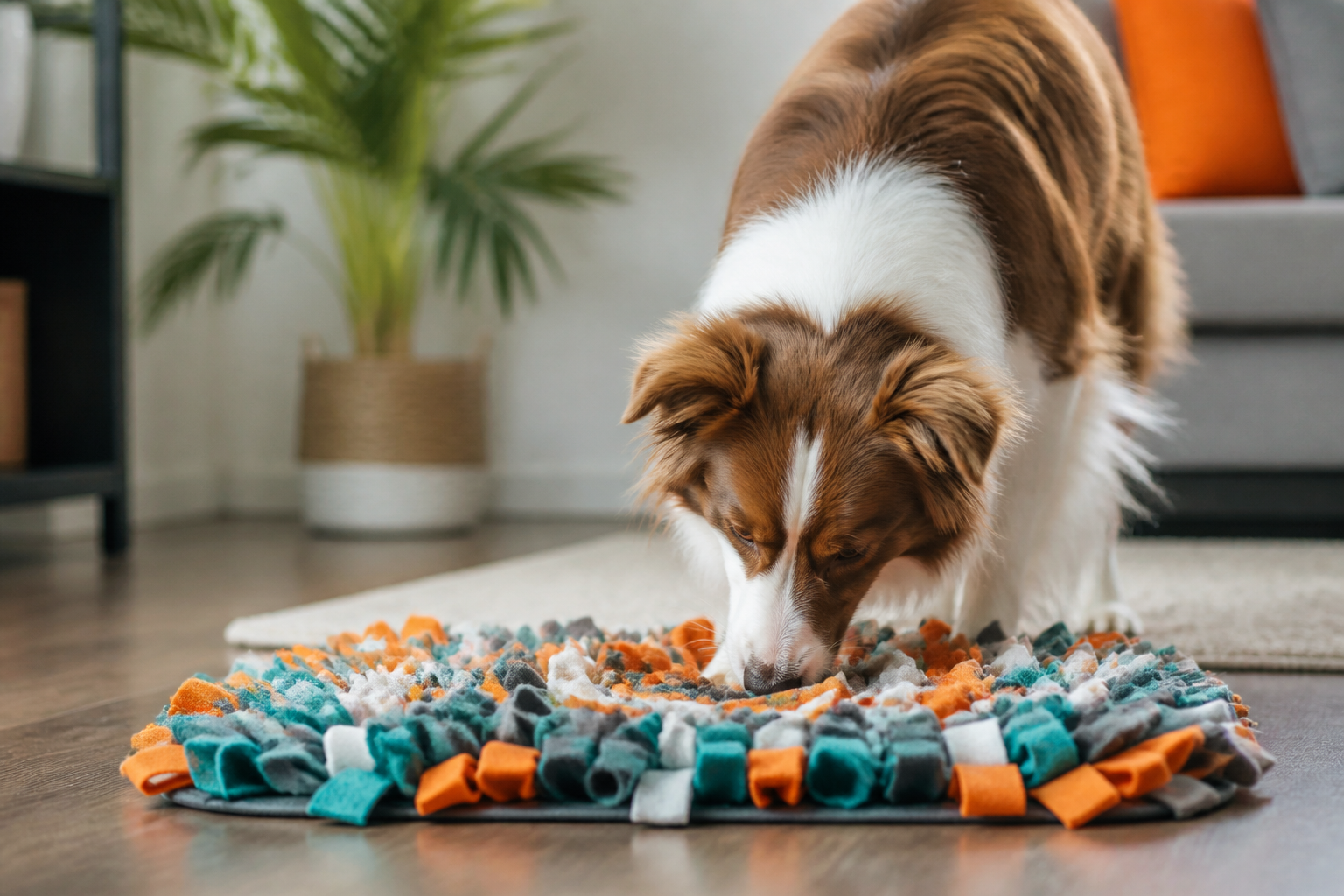
A snuffle mat is a specialized enrichment toy designed to mimic the experience of foraging in long grass. It usually consists of a sturdy base with hundreds of fabric strips felted or tied into it. These strips create deep folds and pockets where you can hide dry food or treats. Unlike a standard bowl where food is easily accessible, a snuffle mat forces your dog to work for their reward.
The concept is based on nose work. Dogs perceive the world primarily through their noses. While humans rely heavily on sight, a dog’s sense of smell is their primary way of gathering information. By hiding treats in a mat, you are giving them a puzzle that requires focus and determination. It is a low-impact activity that is accessible to dogs of all ages and physical abilities.
We see many owners using these mats as a replacement for traditional food bowls. It turns a thirty-second meal into a ten-minute activity. This change in routine can have a significant impact on your dog’s daily satisfaction. It moves mealtime from a basic necessity to a highlight of their day.
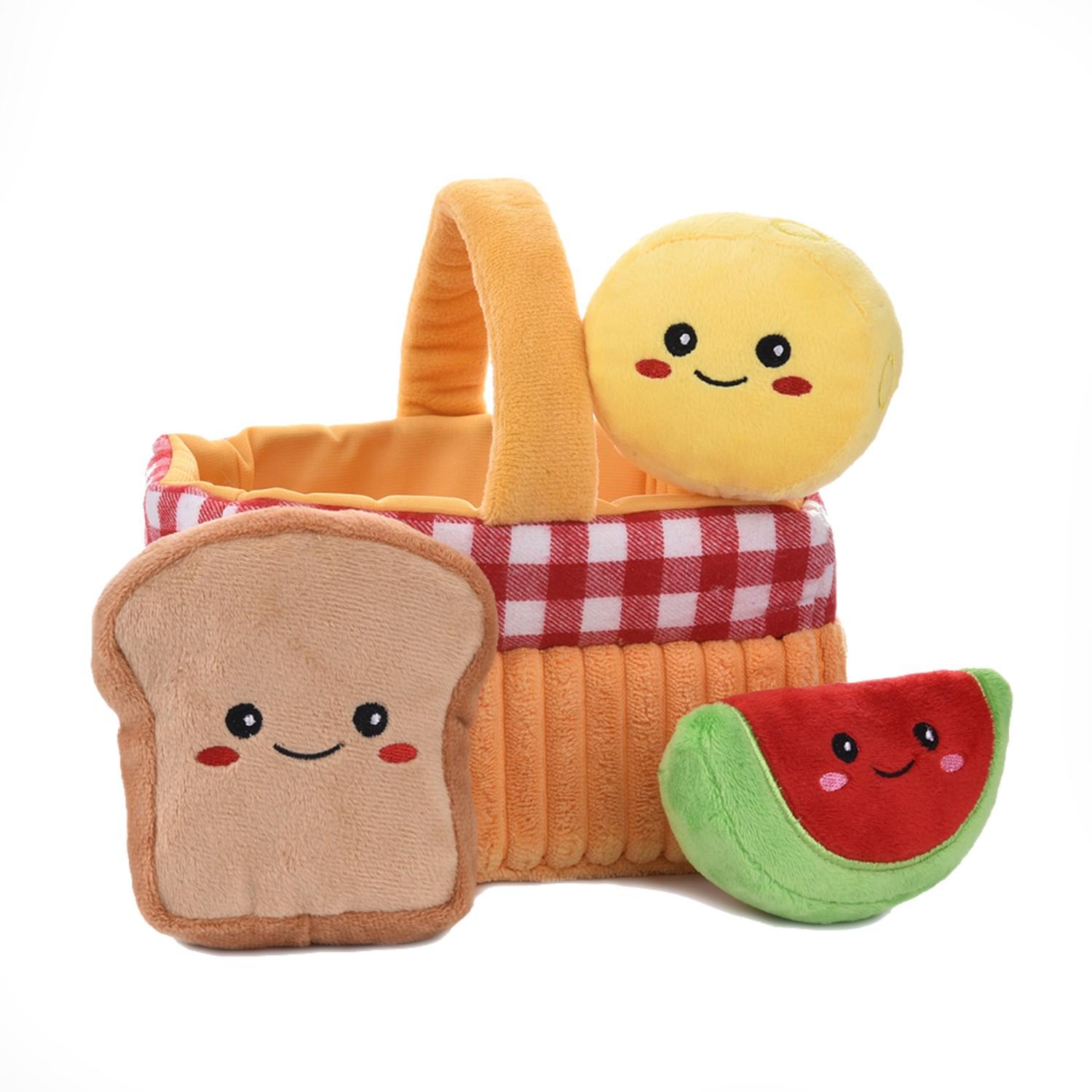
Interactive & Treat Dog Toys








The Power of the Canine Nose
To understand why a snuffle mat is so effective, you have to look at the science of a dog’s nose. Dogs have up to 300 million olfactory receptors in their snouts. In comparison, humans have about six million. The part of a dog’s brain that analyzes smells is roughly 40 times larger than ours. When a dog sniffs, they are not just identifying a scent. They are visualizing their environment.
Using a snuffle mat triggers the olfactory bulb in the brain. This activity is mentally taxing in a positive way. Specialists often say that fifteen minutes of intense sniffing can be as tiring as an hour of walking. This is because the brain is working overtime to process the complex layers of scent within the fabric.
Key Takeaway: Sniffing is a biological necessity for dogs. Providing an outlet for this behavior through a snuffle mat reduces frustration and satisfies their most powerful sense.
For more ideas that engage your dog’s sense of smell, explore these dog brain games and scent-based activities.
Promoting Natural Foraging Instincts
In the wild, canines do not have food handed to them in ceramic bowls. They spend a large portion of their day searching, tracking, and scavenging. Modern domestic life has removed this need, but the instinct remains. When a dog cannot express these natural behaviors, they may become bored or anxious.
A snuffle mat provides a constructive outlet for foraging. It allows your dog to use their "seek" drive. This drive is linked to the reward centers in the brain. When a dog successfully finds a hidden treat, their brain releases dopamine. This creates a feeling of accomplishment and pleasure.
Why Foraging Matters
- It builds confidence in shy or fearful dogs.
- It provides a sense of purpose for working breeds.
- It mimics the natural search and reward cycle found in nature.
- It keeps the mind engaged in a focused task.
You can find more enrichment options in our interactive dog toys collection.
Solving the Problem of Fast Eaters
One of the most practical benefits of a snuffle mat is its ability to slow down a "scarfer." Many dogs eat their food far too quickly. This behavior is often rooted in instinct or competition, but it can lead to health problems. When a dog gulps down kibble, they also swallow a lot of air.
Eating too fast can cause immediate issues like choking or regurgitation. More seriously, it is a primary risk factor for Gastric Dilatation-Volvulus, commonly known as bloat. Bloat is a life-threatening condition where the stomach fills with gas and twists.
Vet Tip: If your dog regularly suffers from gas, vomiting, or extreme bloating after meals, consult your veterinarian immediately. Our pharmacy offers prescription diets and medications to help manage chronic digestive issues.
By scattering kibble throughout the fabric strips of a mat, you force the dog to take one or two pieces at a time. They must move the fabric aside and locate each morsel. This naturally extends the duration of the meal. Slowing down the pace of eating allows the stomach to process food more efficiently and reduces the risk of digestive distress.
For additional food and medication support, visit our dog pharmacy.
Reducing Anxiety and Stress
Sniffing is a naturally self-soothing behavior for dogs. You might notice your dog sniffing the ground more intensely when they are unsure of a situation. This is because the act of focusing on a scent can lower their heart rate and help them process their environment.
A snuffle mat can be a powerful tool for managing anxiety. For dogs with separation anxiety, providing a mat right as you leave can shift their focus. Instead of watching the door, they are occupied with a rewarding task. This creates a positive association with your departure.
It is also useful during high-stress events like thunderstorms or fireworks. The mental effort required to find treats can distract a dog from loud noises. It gives them something "to do" with their nervous energy.
Key Takeaway: The repetitive, focused nature of sniffing helps dogs enter a state of calm. It is an excellent tool for redirection during stressful moments.
Read more about enrichment options in this guide to calming dog toys.
Mental Enrichment for Senior Dogs
As dogs age, their physical abilities often decline. Arthritis or vision loss can make long walks or games of fetch difficult. However, their cognitive needs remain just as high. Senior dogs are at risk for Canine Cognitive Dysfunction, which is similar to dementia in humans.
Keeping a senior dog’s brain active is one of the best ways to slow cognitive decline. A snuffle mat is a perfect "senior-friendly" toy. It does not require running, jumping, or hard biting. A dog can use a snuffle mat while standing, sitting, or even lying down.
It provides a way for an older dog to feel successful. Even if they cannot chase a ball like they used to, they can still be an expert tracker. This boost in mental activity keeps them sharp and improves their quality of life in their golden years.
For more low-impact ideas, explore brain games for dogs of different ages and abilities.
Managing Energy in Puppies and High-Drive Breeds
Puppies are notorious for having "the zoomies" or bursts of uncontrollable energy. While they need physical play, over-exercising a growing puppy can damage their developing joints. A snuffle mat offers a way to burn off steam without physical strain.
For high-drive breeds like Border Collies, Shepherds, or Terriers, a lack of mental work is often the cause of destructive behavior. These dogs were bred to have jobs. If you do not give them a job, they will find one, which usually involves your furniture. Using a snuffle mat as part of their daily routine satisfies that need for a task.
Benefits for High-Energy Pets
- Provides a "quiet time" activity after a walk.
- Reduces hyper-arousal during play sessions.
- Prevents boredom-based barking or chewing.
- Teaches focus and patience.
Puppies can also benefit from our selection of puppy toys designed for engaging play.
Physical Recovery and Limited Mobility
If your dog is recovering from surgery or an injury, they are often on "crate rest" or restricted movement. This is a frustrating time for both the pet and the owner. A dog who is used to being active can become grumpy or depressed when confined.
A snuffle mat is a veterinarian-approved way to provide enrichment during recovery. It offers the mental stimulation they crave without the risk of tearing stitches or re-injuring a limb. It keeps them entertained in a small space, making the recovery period much more manageable.
Vet Tip: Always check with your vet before introducing new activities during post-surgical recovery. If your dog requires specific medications for pain or inflammation, our pharmacy carries treatments to support their healing process.
How to Introduce a Snuffle Mat to Your Dog
Most dogs will understand the concept of a snuffle mat quickly, but some might need a little help. You want to ensure they use their nose rather than their paws or teeth. If a dog gets frustrated, they might try to pick up the mat and shake it to get the food out.
Step 1: Start easy. Place a few high-value treats directly on top of the fabric strips where they are clearly visible.
Step 2: Use a release command. Have your dog wait while you set the mat down, then use a word like "find it" or "search" to start the game.
Step 3: Increase the difficulty. Once your dog is comfortably sniffing the surface, start tucking the treats deeper into the folds.
Step 4: Supervise the session. Watch your dog to make sure they are not chewing on the fabric itself. If they start to dig or bite the mat, gently redirect them back to sniffing.
Step 5: End on a high note. When the treats are gone, pick up the mat and put it away. This keeps the toy special and prevents your dog from chewing on it out of boredom once it is empty.
Choosing the Right Design and Materials
Not all snuffle mats are created equal. When shopping for a mat, you want to look for materials that are both safe for your dog and easy for you to maintain.
Material Safety
The most common material is polyester fleece. It is soft on a dog’s nose and does not cause friction burns. However, make sure the fleece is high quality and does not shed easily. The base should be heavy or have an anti-slip coating to prevent the mat from sliding across hardwood floors while your dog works.
Ease of Cleaning
Dogs drool, and kibble leaves behind crumbs and oils. A snuffle mat can become a breeding ground for bacteria if not cleaned regularly. Look for a mat that is machine washable. We recommend washing the mat at least once a week if it is used daily. Use a pet-safe, unscented detergent to avoid irritating your dog’s sensitive nose.
Size and Complexity
A small mat might be fine for a Chihuahua, but a Lab will finish it in seconds. Larger mats provide more area for scent trails. Some advanced designs include different textures, such as cups, pockets, and tassels, to provide a variety of challenges.
Training and Behavior Modification
Beyond simple enrichment, snuffle mats are useful in formal training. They can be used as a "stationing" tool. If your dog gets underfoot while you are cooking dinner, you can place a snuffle mat in their bed. This gives them a rewarding reason to stay in one place while you work.
They are also helpful for multi-dog households. However, you must be careful about resource guarding. If your dogs are competitive over food, give them their snuffle mats in separate rooms or crates. This allows each dog to relax and enjoy the activity without feeling the need to defend their "finds."
At BaxterBoo, we emphasize that enrichment is not a luxury but a fundamental part of responsible pet ownership. Whether you are dealing with a senior dog’s declining health or a puppy’s endless energy, a snuffle mat is one of the most versatile tools you can own. It is a low-cost investment that pays dividends in your dog’s happiness and behavior.
Bottom line: A snuffle mat turns a simple meal into a powerful brain workout that satisfies your dog's natural instincts and promotes a calm, happy household.
FAQ
Can I use wet food in a snuffle mat?
It is generally not recommended to use wet or raw food in a fabric snuffle mat. The moisture will soak into the fleece, making it very difficult to clean and potentially leading to mold or bacterial growth. Stick to dry kibble, dehydrated treats, or freeze-dried options. If your dog only eats wet food, consider a silicone lick mat instead.
Is a snuffle mat safe for aggressive chewers?
Snuffle mats are made of fabric and are not designed to be chew toys. If your dog tends to "search and destroy," you must supervise them closely. If they start to bite or pull at the fabric strips, remove the mat immediately and offer a durable rubber toy. For most dogs, the focus on the food is enough to prevent chewing, but supervision is key.
How long should a dog use a snuffle mat?
A typical session lasts between five and fifteen minutes, depending on the size of the mat and the amount of food hidden. This is enough time to provide significant mental stimulation. Once the dog has found all the treats, it is best to remove the mat so they do not become frustrated or start chewing on the base.
Will using a snuffle mat make my dog gain weight?
Not if you use their regular daily food allowance. Instead of putting their kibble in a bowl, put the same amount in the snuffle mat. If you are using extra treats for training or enrichment, remember to reduce their meal portions accordingly. This ensures they get all the mental benefits without the extra calories.
Conclusion
A snuffle mat is a simple yet effective way to improve your dog's life by tapping into their most powerful sense. From slowing down fast eaters to providing a calming outlet for anxious pups, the benefits are clear. It bridges the gap between physical exercise and mental fulfillment, making it an essential item for any dog owner.
- Satisfies natural foraging instincts.
- Provides a tiring mental workout in a short time.
- Reduces stress and promotes relaxation.
- Helps prevent dangerous eating habits like bloat.
To get started with your dog's enrichment journey, explore our interactive dog toys. If you are looking for long-term health support, consider signing up for our Autoship programme for the high-quality kibble and treats your dog loves.
Key Takeaway: Consistent mental enrichment through scent work can transform your dog's behavior and overall happiness.
FAQ
How often should I wash my dog's snuffle mat?
You should wash the mat at least once a week if it is used daily. Saliva and food oils can build up in the fabric, creating odors and attracting bacteria. Most mats are machine washable on a gentle cycle with cold water. Always air dry the mat to keep the fabric strips from melting or losing their shape in a high-heat dryer.
Can a snuffle mat help with a dog that barks at the window?
Yes, a snuffle mat can be used as a redirection tool. If your dog barks at passersby, try giving them a snuffle mat in a part of the house away from the window. The intense focus required for sniffing can help break their cycle of arousal and give them a more productive way to use their energy.
Are snuffle mats good for puppies?
Snuffle mats are excellent for puppies because they provide a safe, low-impact way to burn energy. Puppies have very short attention spans, and the immediate reward of finding food keeps them engaged. It also helps them learn to use their nose and brain from a young age, which can make future training much easier.
What should I do if my dog just flips the mat over?
If your dog flips the mat to get the treats, they are being a "clever cheater." To prevent this, you can look for mats with a heavier rubber base or suction cups. You can also try holding the edge of the mat while they work or placing it on a surface where it is harder to flip. Gently redirect them to sniff whenever they try to use their paws.


- Site & Contents BaxterBoo.com. BaxterBoo is located in the United States.
- Privacy & Security
- Terms of Use
- Accessibility Statement
