Save 15% on your 1st Autoship learn more

 Email us
 Live Chat
 FAQs
FAQs





Introduction
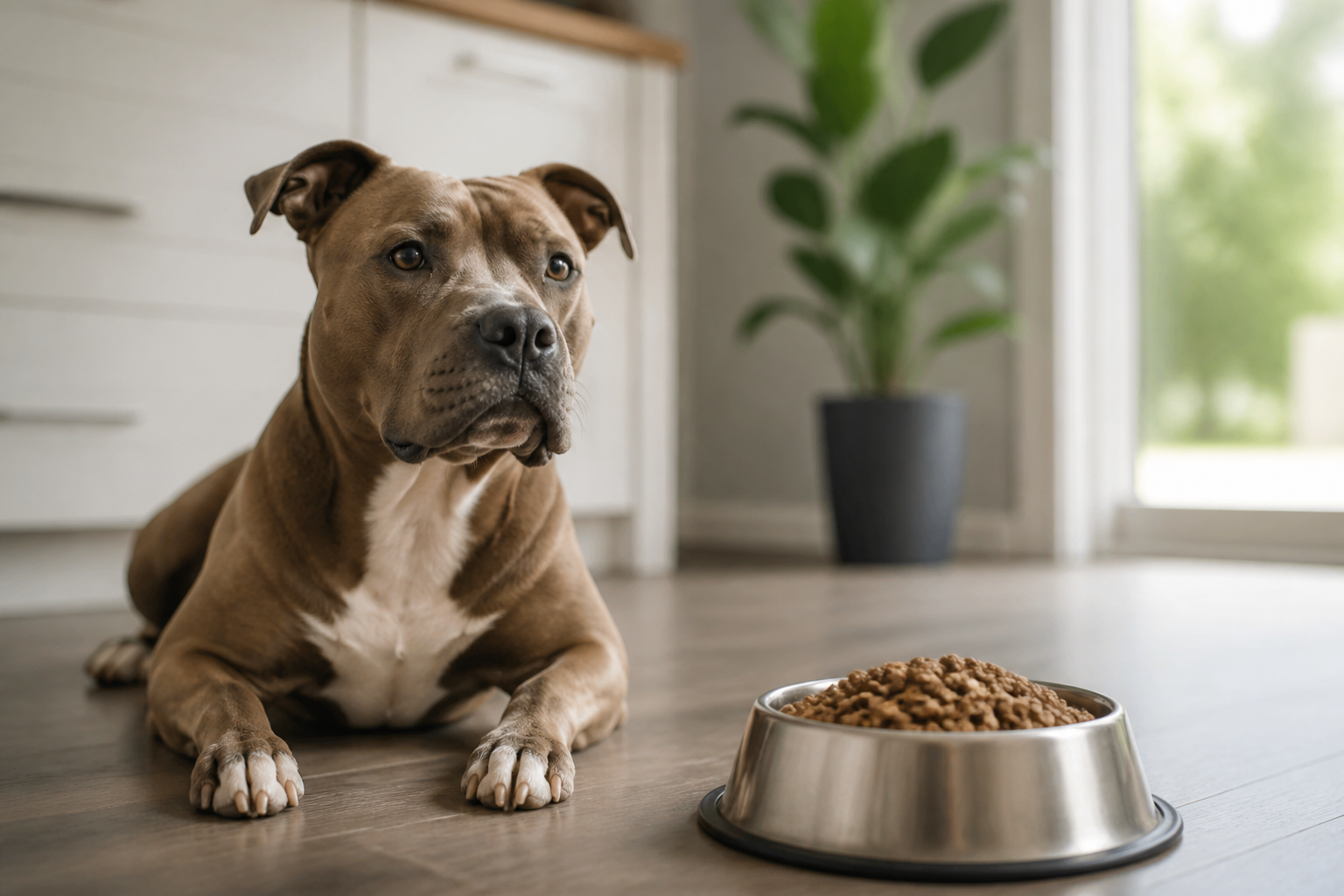
You are standing in the backyard watching your dog sprint after a tennis ball. You notice the ripple of muscle under their short coat and the sheer power in their stride. This athleticism is a hallmark of the pitbull type. Whether you have an American Pit Bull Terrier or a stocky Staffordshire Bull Terrier, these dogs are built differently. They are high-energy athletes who often struggle with sensitive skin and reactive stomachs. At BaxterBoo, we understand that fueling a dog this active requires more than just a generic kibble. You need a formula that maintains lean muscle while soothing the skin from the inside out. This article explores the nutritional requirements of pitbulls and how to choose a dry food that supports their lifelong vitality. Finding the right balance of protein, fat, and joint support is the key to a happy, healthy dog.
The Foundation of Pitbull Nutrition
Pitbulls are often described as the "triathletes" of the dog world. Their bodies require significant amounts of high-quality animal protein to maintain muscle mass. When you look at a bag of dog food, the first three ingredients tell the most important story. You want to see named animal proteins like beef, chicken, or salmon rather than vague terms like "meat meal."
Protein provides the amino acids necessary for tissue repair. Since pitbulls are prone to bursts of high-intensity activity, their muscles undergo constant wear and tear. A diet with a protein content between 25 percent and 30 percent is usually ideal for an active adult. This helps them stay lean without putting unnecessary strain on their kidneys.
Healthy fats are the next piece of the puzzle. While protein builds the engine, fat provides the long-burning fuel. Pitbulls have short, single-layered coats that offer little protection. They rely on dietary fats to keep their skin hydrated and their coats shiny. Look for sources like chicken fat or fish oil, which are easily processed by their digestive systems.
Quick Answer: The best dry dog food for pitbulls focuses on high-quality animal protein as the first ingredient, supplemented with Omega-3 fatty acids for skin health and glucosamine for joint support. Avoid fillers like corn, wheat, or soy that can trigger common breed sensitivities.
Identifying Quality Protein Sources
Not all proteins are created equal. Some brands use plant-based proteins like pea protein or corn gluten meal to boost the percentage on the label. While these are not inherently bad, they do not provide the same amino acid profile as animal meat. For a muscular breed like a pitbull, animal-based protein is superior.
- Whole Meats: Ingredients listed as "deboned chicken" or "beef" include the water weight of the meat.
- Meat Meals: Ingredients like "lamb meal" are concentrated protein sources with the water removed.
- Novel Proteins: If your dog has a sensitive stomach, consider proteins like venison, duck, or wild boar.
Addressing Skin Sensitivities and Allergies
One of the most common challenges pitbull owners face is skin irritation. This breed is notorious for environmental and food-based allergies. You might notice your dog licking their paws, scratching their ears, or developing red patches on their belly. Often, these issues start with what is in the food bowl.
Many pitbulls react poorly to common fillers like corn, wheat, and soy. These ingredients are often used to bulk up kibble but offer little nutritional value for a carnivore-leaning dog. Switching to a grain-free formula or one that uses ancient grains can often clear up minor skin issues.
Omega fatty acids are your best defense against "itchy dog" syndrome. Omega-3 and Omega-6 fatty acids work together to strengthen the skin barrier. This makes it harder for environmental allergens like pollen or dust to cause a reaction. High-quality dry foods often include salmon oil or flaxseed for this exact reason.
Key Takeaway: Skin health starts from within. A diet rich in fish oils and free from common allergens can significantly reduce the need for topical treatments and frequent vet visits for hot spots.
For more guidance on choosing food for sensitive dogs, read our guide to sensitive skin dog food.
The Role of the BaxterBoo Pharmacy
If your dog’s skin issues persist despite a diet change, they may have a more serious underlying condition. Some pitbulls require prescription-strength diets or medications to manage chronic allergies. Our pet pharmacy offers FDA-approved medications and prescription pet foods through our partnership with Pet's Choice. We carry specialized diets like Farmina Vet Life, which are formulated for dogs with extreme sensitivities. If your veterinarian recommends a specific medicated path, we can help you manage those needs alongside your regular food orders.
Joint Support for a Heavy Frame
Pitbulls are solid dogs. They pack a lot of weight onto a medium-sized frame. This puts a significant amount of stress on their joints, especially the hips and elbows. Over time, the constant jumping and sprinting can lead to wear on the cartilage.
To protect their mobility, look for dry foods that include glucosamine and chondroitin. These compounds are naturally found in cartilage and help keep joints lubricated. While many owners wait until their dog is a senior to think about joints, starting early is much more effective.
Maintaining a healthy weight is also vital for joint health. An overweight pitbull is at a much higher risk for hip dysplasia and ligament tears. A high-quality kibble will have a clear feeding guide to help you keep your dog at an ideal body condition. You should be able to feel their ribs easily without a thick layer of fat covering them.
Vet Tip: If your pitbull is slowing down or showing stiffness in the morning, consult your veterinarian. They can help diagnose joint issues early and may suggest a combination of a prescription mobility diet and supplements like Cosequin or Dasuquin.
For additional ideas about mobility and joint-support nutrients, explore this guide to joint health and mobility.
Grain-Free vs. Ancient Grains
The debate between grain-free and grain-inclusive diets is particularly relevant for pitbull owners. For a long time, grain-free was the default recommendation for any dog with allergies. However, we now know that many dogs do exceptionally well on "ancient grains" like millet, sorghum, and quinoa.
Grain-free diets often replace grains with legumes like lentils or chickpeas. For most pitbulls, this is a healthy, protein-rich alternative. It is an excellent choice for dogs with confirmed grain allergies. However, some dogs may find legumes harder to digest, leading to gas or loose stools.
Ancient grains are less processed than modern corn or wheat. They provide a steady source of fiber and energy without the "sugar spike" associated with cheaper fillers. Brands like Taste of the Wild and NutriSource offer excellent ancient grain options that provide the hearty nutrition a pitbull needs for all-day play.
How to Transition to a New Food
If you decide to switch your pitbull to a higher-quality dry food, do not do it all at once. Their digestive systems need time to adjust to new protein levels and ingredients. A sudden change can lead to a messy weekend for everyone involved.
Step 1: Mix 25 percent of the new food with 75 percent of the old food. / Do this for two to three days while watching for any signs of an upset stomach.
Step 2: Increase to a 50/50 split. / Continue this for another three days. This is usually when you will notice if the new food agrees with your dog's digestion.
Step 3: Move to 75 percent new food and 25 percent old food. / Stay here for two more days. If the stools remain firm and your dog is enthusiastic, you are almost there.
Step 4: Transition to 100 percent new food. / Monitor your dog's coat and energy levels over the next month to see the full benefits of the switch.
For more information, see how to transition your dog to a new food.
Life Stage Requirements
A pitbull's nutritional needs change as they move from puppyhood into their senior years. Feeding an "all life stages" food is possible, but many owners prefer formulas tailored to their dog's specific age.
Puppy Nutrition
Pitbull puppies grow rapidly. They need a precise balance of calcium and phosphorus to ensure their bones develop at the correct rate. If they grow too fast, they can develop skeletal issues later in life. Look for a puppy-specific formula that includes DHA, an omega fatty acid that supports brain and eye development.
Adult Maintenance
The goal for an adult pitbull is maintenance. You want to keep their muscles strong and their energy levels stable. Most high-quality dry foods from brands like Orijen or Stella & Chewy's are perfect for this stage. These foods focus on nutrient density, meaning you can often feed smaller portions while still providing more nutrition than a budget brand.
Senior Care
As pitbulls age, their metabolism slows down. They might not be sprinting as much, but they still have a hearty appetite. Senior formulas usually have fewer calories and higher levels of joint support. They may also include antioxidants to support cognitive function. If your senior dog becomes picky, you can often entice them by adding a little warm water to their dry kibble to bring out the aroma.
Key Takeaway: Feeding for the correct life stage prevents developmental issues in puppies and helps manage weight and mobility in senior dogs.
You can compare formulas for different ages in our dog food category.
Reading the Ingredient Label Like a Pro
At BaxterBoo, we want you to feel confident when you walk down the pet food aisle or browse our website. Understanding the label is the best way to cut through the marketing fluff. The "Guaranteed Analysis" is a legal requirement that tells you the minimum percentages of protein and fat. However, the ingredient list is where the real quality is revealed.
Look for "chelated minerals." These are minerals that have been attached to a protein molecule, making them much easier for your dog’s body to absorb. This ensures that the vitamins you are paying for actually end up in your dog’s system rather than just passing through.
Avoid artificial colors and preservatives. Pitbulls do not care if their food is red or green, and these dyes can often trigger skin reactions. Instead, look for natural preservatives like mixed tocopherols (a form of Vitamin E) and rosemary extract. These keep the food fresh without the use of harsh chemicals.
- First Ingredient: Must be a specific animal protein (e.g., "Deboned Beef").
- Probiotics: Look for "dried fermentation products" to support gut health.
- Fruits and Veggies: Blueberries, spinach, and cranberries provide natural antioxidants.
- No "By-Products": Ensure the meat sources are high-quality and clearly named.
For more label-reading ideas, review this dry dog food nutrition guide.
Managing Weight in a Powerful Breed
It is very easy for a pitbull to become "thick," and not in a healthy way. Because they are so food-motivated, they are experts at begging for extra treats. However, even a few extra pounds can be devastating for a breed prone to joint issues.
If you notice your dog losing their "waist" when viewed from above, it might be time to scale back. High-protein, low-carb dry foods are excellent for weight management. They help the dog feel full while maintaining muscle mass. You can also replace high-calorie treats with fresh green beans or carrots.
If your dog is significantly overweight, your vet might suggest a prescription weight-loss diet. These are designed to be nutrient-complete even at lower calorie counts. Our pharmacy provides these specialized diets to help get your dog back to their fighting weight safely.
Bottom line: A lean pitbull is a healthy pitbull, as every extra pound adds stress to their heart and joints.
The Importance of Dental Health
Many owners forget that dry dog food plays a role in dental hygiene. The mechanical action of chewing crunchy kibble helps scrape away a small amount of plaque. While it is no substitute for regular brushing, it is a helpful daily tool.
Some brands, like Royal Canin, design the shape and texture of their kibble specifically for the jaw structure of different breeds. For pitbulls, a larger, denser kibble encourages them to chew rather than gulp their food. This not only helps their teeth but also aids in better digestion.
Learn more about the dental benefits of dry dog food.
Summary of Best Practices for Pitbull Feeding
Choosing the right food does not have to be overwhelming if you stick to a few core principles. Focus on the individual needs of your dog rather than the latest fad. If they have a shiny coat, clear eyes, and firm stools, you have likely found a winning formula.
- Prioritize named animal proteins to support muscle mass.
- Look for Omega-3 and Omega-6 fatty acids to protect sensitive skin.
- Ensure the food has added glucosamine for long-term joint health.
- Avoid cheap fillers like corn, wheat, and soy.
- Monitor weight closely and adjust portions based on activity level.
- Use the BaxterBoo Pharmacy for any prescription or medicated dietary needs.
Conclusion
Feeding your pitbull a high-quality dry food is one of the best investments you can make in their long-term health. By focusing on muscle-building proteins, skin-soothing fats, and joint-supporting nutrients, you are setting them up for a life of active adventures. We are proud to offer over 500 trusted brands at BaxterBoo to help you find the perfect match for your dog's unique needs. Whether you are looking for a high-performance kibble or a specialized diet for a sensitive stomach, our dog food selection can help you compare options. Our MVP Rewards program also helps you earn back on every bag of food, making it easier to provide the premium nutrition your pitbull deserves. For dogs with chronic health needs, remember to explore our pharmacy options to ensure they get the specialized care required for a vibrant life.
FAQ
Is grain-free dog food better for pitbulls?
Grain-free food is often recommended for pitbulls with specific grain allergies or extreme skin sensitivities. However, many pitbulls thrive on grain-inclusive diets that use high-quality ancient grains like oats or barley. The best choice depends on your dog’s individual digestion and skin health.
How much protein does a pitbull actually need?
An active adult pitbull typically does well on a dry food with 25 percent to 30 percent protein. This provides enough amino acids to maintain their significant muscle mass without overdoing it. If your dog is a "couch potato," a slightly lower protein percentage might be more appropriate to prevent weight gain.
Why does my pitbull always have itchy skin?
Pitbulls are genetically predisposed to skin allergies and sensitivities to common food fillers. Itchy skin is often a reaction to ingredients like corn, wheat, or artificial preservatives. Switching to a limited-ingredient diet or a food rich in Omega-3 fish oils can help strengthen their skin barrier.
Can I give my pitbull raw food instead of dry kibble?
A raw diet can be high in protein, which benefits active pitbulls, but it requires very careful balancing to avoid nutritional deficiencies. Many owners prefer high-quality dry kibble because it is convenient, shelf-stable, and formulated to meet strict AAFCO nutritional standards. You can also find "raw-coated" kibble that offers the benefits of raw nutrition with the convenience of dry food.