
 Save 15% on your 1st Autoship learn more

 Email us
 Live Chat
 FAQs
FAQs





Introduction
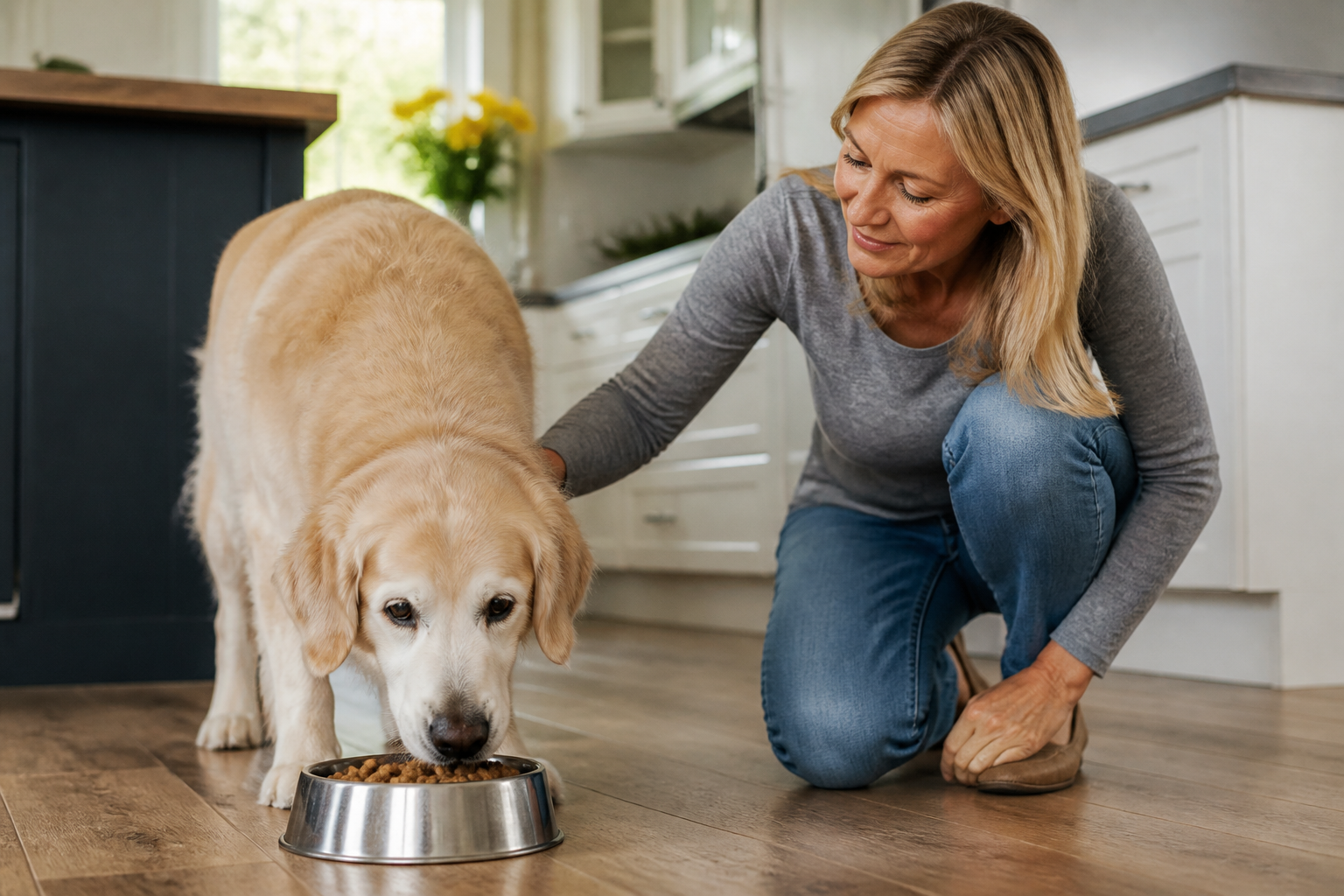
You might notice it during your morning walk when your dog lags a few steps behind. Or perhaps they take a little longer to stand up from their favorite nap spot in the afternoon sun. These small shifts often signal that your companion is entering their golden years. As their pace slows, their internal needs change too. At BaxterBoo, we know that choosing the right nutrition is one of the most impactful ways to support your dog through this transition. This guide will help you navigate the complex world of senior nutrition. We will cover essential ingredients like high quality proteins and joint supports. We will also look at how to manage weight and cognitive health. Our goal is to help you find the best senior dry dog food to keep your pet vibrant and comfortable.
Understanding the Senior Life Stage
Dogs reach their senior years at different times based on their size and breed. A Great Dane might be considered a senior by age six. A small Chihuahua might not reach that milestone until age ten or eleven. Regardless of the exact timing, the biological changes are similar. Their metabolism slows down. Their immune system becomes less efficient. Their joints may start to show signs of wear.
Many owners wonder if a specialized diet is truly necessary. While some healthy older dogs do fine on adult maintenance food, most benefit from a formula designed for their aging bodies. These foods are not just marketing. They focus on specific nutrient ratios that address common age-related issues. They often contain fewer calories to prevent weight gain while offering higher concentrations of certain vitamins and minerals.
Quick Answer: The best senior dry dog food provides high quality protein to maintain muscle, controlled calories to prevent obesity, and added nutrients like glucosamine for joint health. Look for formulas that match your dog's specific health needs and size.
The Importance of High Quality Protein
One common myth is that senior dogs need less protein to protect their kidneys. Modern veterinary research shows the opposite is usually true for healthy seniors. Older dogs actually need more high quality protein to maintain their lean muscle mass. As dogs age, their bodies become less efficient at processing protein. This can lead to muscle wasting, which makes them feel weaker and less mobile.
When looking at a bag of senior kibble, check the first few ingredients. You want to see named animal proteins like chicken, turkey, lamb, or fish. These provide the essential amino acids your dog needs. Brands like Orijen Senior or Stella and Chewy's offer protein rich recipes that prioritize whole animal ingredients. This helps keep your dog strong and supports their immune system.
Why Quality Matters More Than Quantity
Not all protein is created equal. A food might have a high protein percentage on the label but use low quality sources that are hard to digest. For a senior dog with a sensitive stomach, digestibility is key. Look for brands that use fresh or dehydrated meats rather than just meat meals or byproducts. This ensures your dog can actually absorb and use the nutrients they are eating.
Key Takeaway: Senior dogs require easily digestible, high quality protein to prevent muscle loss. Avoid foods that rely heavily on fillers or mystery meat sources.
Joint Support and Mobility Ingredients
Mobility is often the biggest concern for owners of older dogs. Arthritis and general joint stiffness can significantly impact a dog's quality of life. Many senior dry dog foods now include built in supplements to help. Two of the most common are glucosamine and chondroitin. These compounds help maintain cartilage and reduce inflammation in the joints.
You should also look for Omega-3 fatty acids, often found in fish oil or flaxseed. These healthy fats are powerful anti-inflammatories. They do more than just help with joints. They also keep the skin hydrated and the coat shiny. Brands like Open Farm Senior often include green lipped mussel or salmon oil to provide these benefits naturally.
Vet Tip: If your dog is struggling to climb stairs or jump onto the couch, diet alone may not be enough. Consult your veterinarian about adding a dedicated joint supplement like Cosequin or exploring prescription mobility diets through a licensed pharmacy.
Managing Calories and Weight
As activity levels drop, the risk of obesity rises. Extra weight puts a massive amount of stress on an older dog's heart and joints. Many senior specific foods are formulated with fewer calories per cup than standard adult food. This allows you to give your dog a satisfying portion size without overfeeding them.
However, some senior dogs actually struggle to keep weight on. This is common in very old dogs or those with certain health conditions. If your dog is losing weight, they may need a more calorie dense food or a formula designed for high palatability. It is a delicate balance that depends entirely on your dog's body condition score.
The Role of Fiber
Fiber is a secret weapon in senior dog food. It helps your dog feel full, which is great for weight management. It also supports digestive health. Older dogs can be prone to constipation as their digestive tract slows down. Ingredients like pumpkin, sweet potato, and beet pulp provide the necessary fiber to keep things moving smoothly.
Bottom line: Monitor your dog’s weight closely and adjust their caloric intake to prevent obesity, which is a leading cause of decreased lifespan in seniors.
Cognitive Health and Brain Function
Just like humans, dogs can experience cognitive decline as they age. You might notice your dog getting "stuck" in corners or forgetting their house training. This is often called Canine Cognitive Dysfunction. Nutrition can play a role in supporting brain health.
Antioxidants are crucial here. Ingredients like blueberries, spinach, and vitamins E and C help fight oxidative stress in the brain. Some formulas, such as Purina Pro Plan Bright Mind, use botanical oils like medium chain triglycerides (MCTs). These oils provide an alternative energy source for the aging brain, which can improve mental sharpness and alertness. Explore our selection of Purina Pro Plan products when comparing senior nutrition options.
Digestive Sensitivities in Older Dogs
An older dog's stomach can become more sensitive over time. They might suddenly struggle with ingredients they ate for years. This is why many senior foods focus on limited ingredients or use highly digestible carbohydrates like oatmeal or brown rice.
Probiotics and prebiotics are also frequent additions to senior kibble. These beneficial bacteria support the gut microbiome. A healthy gut means better nutrient absorption and a stronger immune system. Since a large portion of the immune system lives in the gut, this is especially important for aging pets.
Tips for Better Digestion
- Feed smaller, more frequent meals to reduce the load on the stomach.
- Add a splash of warm water to dry kibble to soften it and release aromas.
- Avoid feeding heavy table scraps that can trigger digestive upset or pancreatitis.
For more guidance on changing foods gradually, read how to choose the right dog food for senior pets.
Selecting the Right Brand
There are many excellent options available, but the best one depends on your dog’s specific needs. At BaxterBoo, we carry a wide range of trusted brands that cater to different senior requirements. Browse our senior dog food collection to compare available formulas.
For High Protein Needs
Orijen Senior is a top choice for owners who want a biologically appropriate diet. It features a variety of fresh meats and is very low in synthetic supplements because the nutrients come from the whole prey ingredients. This is excellent for maintaining muscle mass in active seniors.
For Sensitive Stomachs
Blue Buffalo Basics Senior Turkey and Potato is a limited ingredient diet. It avoids common allergens like chicken, beef, corn, wheat, and soy. This is a great starting point if your older dog has developed itchy skin or frequent gas.
For Brain and Joint Support
Purina Pro Plan Adult 7+ Bright Mind is specifically designed to target the two biggest senior concerns: cognition and mobility. It is backed by extensive research and is often recommended by veterinarians for dogs showing signs of aging.
For Transparency and Quality
Open Farm Senior Grain-Free is a great option for owners who value ethically sourced ingredients. You can track every ingredient back to the farm it came from. It contains a balance of protein, healthy fats, and fiber tailored for older dogs. One specific option to consider is Open Farm Senior Recipe Dry Dog Food - Turkey & Chicken.
How to Transition to a New Food
Never switch your dog's food overnight. Their digestive systems need time to adjust to new nutrient profiles and protein sources. A sudden change can lead to vomiting, diarrhea, or a complete refusal to eat.
Step 1: Mix 25 percent of the new senior food with 75 percent of the old food for three days. Step 2: Increase the new food to 50 percent and decrease the old food to 50 percent for the next three days. Step 3: Move to 75 percent new food and 25 percent old food for another three days. Step 4: If your dog's stool remains firm and they seem happy, you can move to 100 percent of the new senior food.
Key Takeaway: A slow transition over 7 to 10 days protects your dog's digestive system and helps ensure they accept the new flavor and texture.
For another perspective on changing diets, see how to switch from dry to wet dog food.
When a Prescription Diet is Necessary
Sometimes, standard over the counter senior food is not enough. If your dog has a chronic condition like kidney disease, heart failure, or severe obesity, your vet may recommend a prescription diet. These foods are formulated with precise levels of minerals like phosphorus or sodium to manage specific diseases.
Through our partnership with Pet's Choice, we offer a pet pharmacy for dogs that carries FDA approved medications and prescription pet foods. Brands like Farmina Vet Life and Royal Canin Veterinary Diet provide these targeted solutions. You will need a valid prescription from your veterinarian to order these specialized foods. This ensures that your dog is getting exactly what they need for their specific medical condition.
Vet Tip: Regular blood work and checkups are vital for senior dogs. Your vet can detect early signs of organ stress that may require a switch to a prescription diet before symptoms become obvious.
The Role of Supplements in a Senior Diet
While many dry foods contain supplements, the concentrations might be low. Depending on your dog's health, you might want to add separate supplements to their routine. This allows you to customize their care.
Common supplements for seniors include:
- Cosequin or Dasuquin for advanced joint support.
- Zesty Paws or Honest Paws for skin and coat health.
- Senilife for cognitive support.
- Probiotics for ongoing digestive issues.
Always talk to your vet before starting a new supplement. They can help you determine the correct dosage and ensure it does not interfere with any medications your dog may be taking.
For additional information about mobility, read the ultimate guide to joint health and mobility.
Practical Feeding Tips for Seniors
As dogs age, the physical act of eating can become difficult. If your dog has dental disease or lost teeth, hard kibble might be painful to chew. You can moisten the dry food with warm water or low sodium broth. This creates a softer texture and enhances the smell, which is helpful if their sense of smell is fading.
Elevated feeders can also be a big help for senior dogs, especially large breeds with neck or back pain. Raising the bowl a few inches off the floor allows them to eat in a more neutral position. This reduces the strain on their joints and can even improve digestion.
Conclusion
Choosing the best senior dry dog food is an act of love. It requires observing your dog closely and understanding their changing body. Whether they need more protein to stay strong, fewer calories to stay lean, or extra antioxidants for a sharp mind, the right kibble makes a difference. We are here to help you through every stage of your pet's life with expertly curated products and a commitment to quality.
As you look for the perfect formula, remember these steps:
- Identify your dog's primary need: weight, joints, or brain health.
- Check for high quality animal proteins as the first ingredients.
- Transition slowly to avoid stomach upset.
- Consult your vet for regular senior wellness exams.
For dogs with specific health conditions, our pharmacy partnership with Pet's Choice is available to provide prescription diets and medications. You can also save on your regular orders by using our Autoship programme. This ensures you never run out of your dog's favorite senior food while earning rewards toward future purchases.
FAQ
When should I start feeding my dog senior food? Most dogs benefit from a transition to senior food between ages seven and nine. Large and giant breeds may need to start as early as five or six because they age faster. Look for signs like decreased activity or weight changes as your cue to talk to your vet about a diet change.
Is grain-free food better for senior dogs? Grain-free is not necessarily better unless your dog has a specific grain allergy or sensitivity. Whole grains like oatmeal and brown rice provide excellent fiber and energy for many older dogs. If you choose a grain-free diet, ensure it is high in protein and balanced with healthy fats.
Can I just add water to my dog's current adult food instead of switching? Adding water helps with hydration and dental comfort, but it does not change the nutritional profile. Senior foods are specifically formulated with different levels of protein, calories, and supplements. If your dog has senior specific needs, a dedicated formula is usually more effective than just softening adult kibble.
What should I do if my senior dog stops eating their dry food? First, consult your vet to rule out dental pain or underlying health issues. If they are healthy but picky, try adding a topper like canned food or a splash of warm broth. You can also try a more aromatic senior formula, as an older dog's sense of smell often declines, making food less appealing.






