Save 15% on your 1st Autoship learn more

 Email us
 Live Chat
 FAQs
FAQs





Introduction
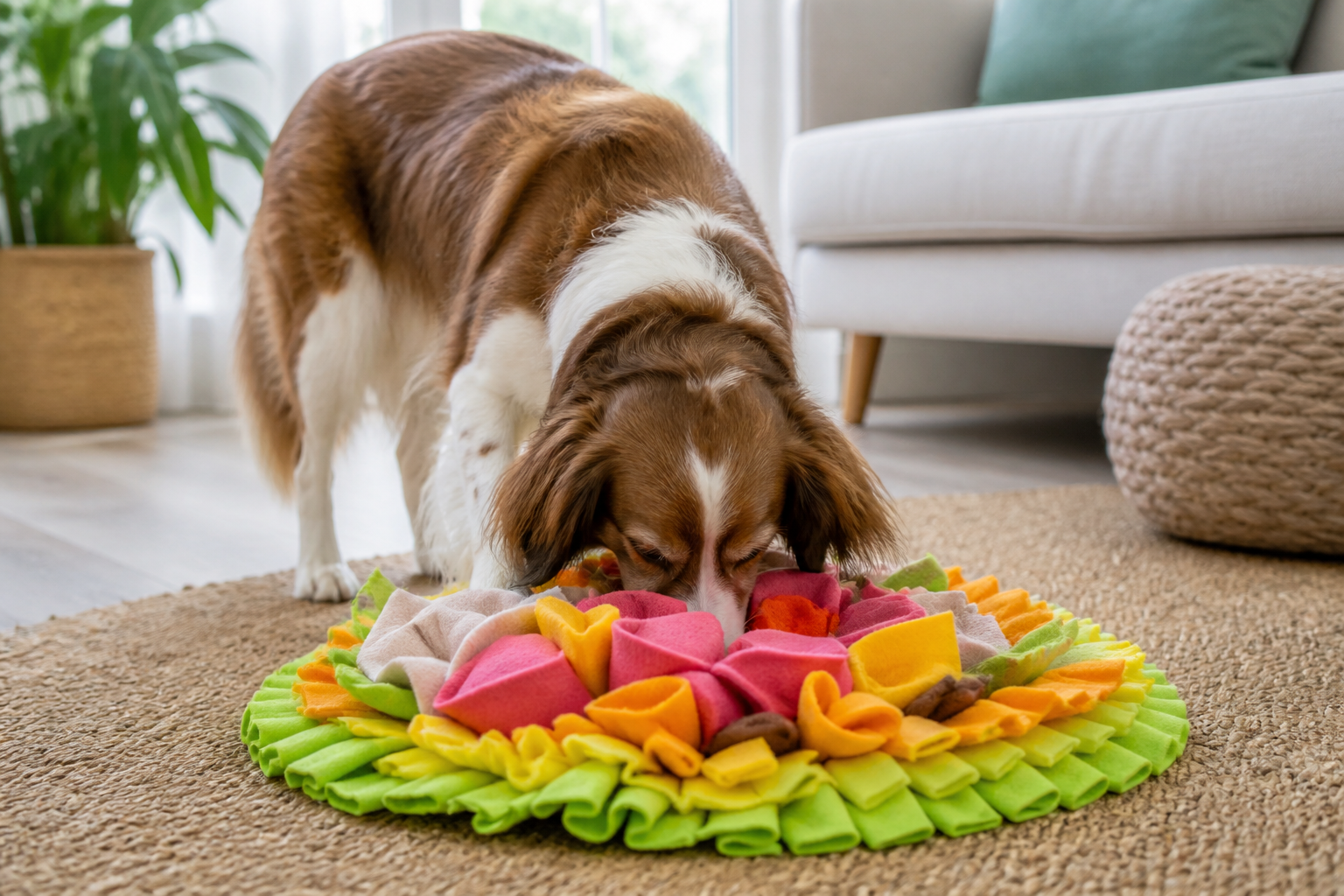
Rainy days or busy afternoons can leave a high-energy dog pacing the house with nowhere to put their focus. You might notice your dog starts looking for trouble by chewing on shoes or barking at the window simply because they are bored. A flower snuffle mat is a simple but effective tool designed to channel that energy into a natural, calming activity. At BaxterBoo, we see these mats as more than just a colorful accessory. They are a functional part of a complete enrichment plan for your pet. This guide covers how these mats work, why the flower shape is particularly effective, and how to choose the right one for your dog or cat. By the end of this article, you will understand how a few minutes of sniffing can lead to a much calmer, happier pet.
The Purpose of Scent Work at Home
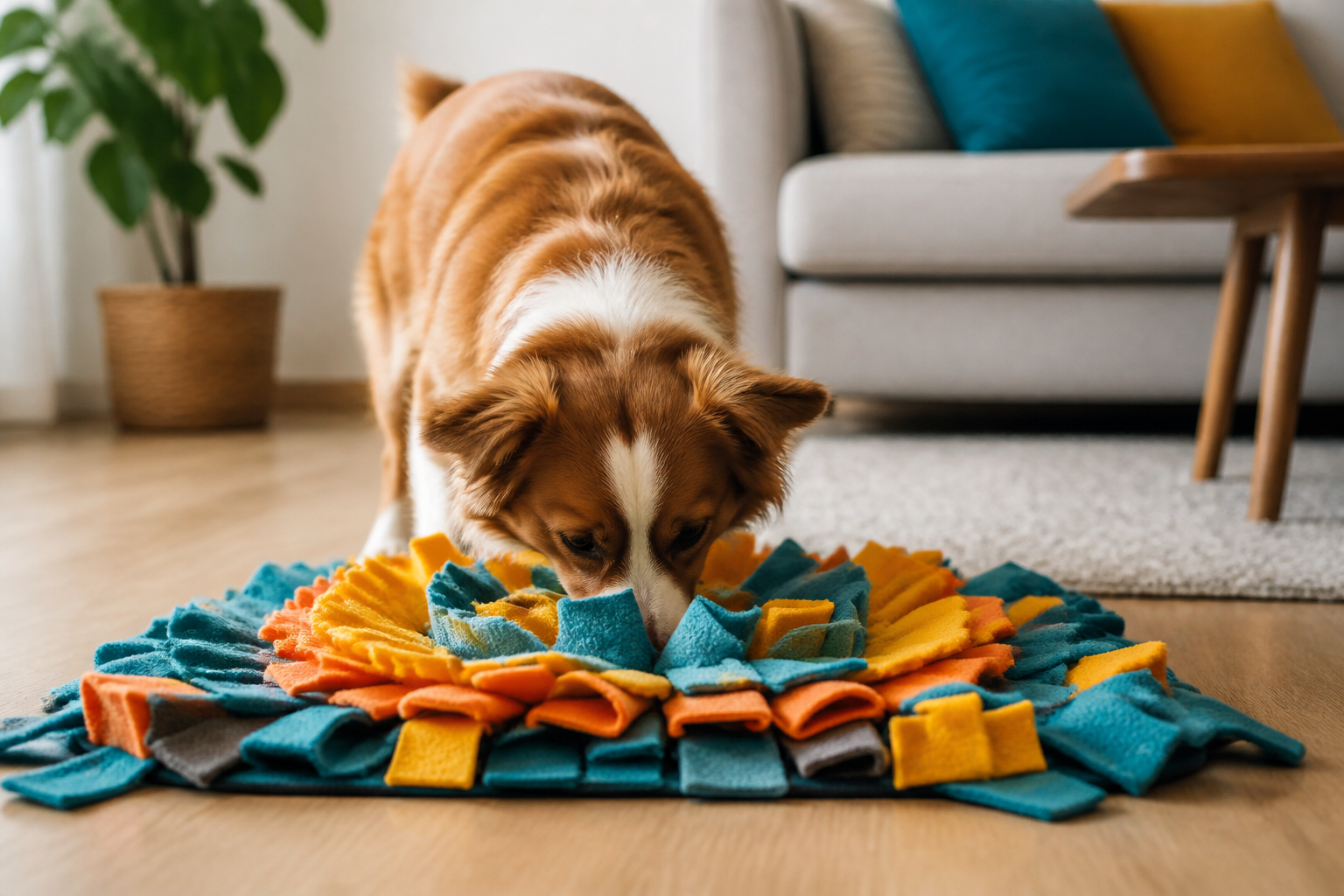
Dogs experience the world primarily through their noses. While humans rely on sight, a dog has up to 300 million olfactory receptors in their nose. Forging for food is a biological drive that most modern pets do not get to satisfy because we serve their meals in static bowls. A flower snuffle mat changes the dynamic of mealtime or treat time by hiding kibble beneath layers of fabric or silicone petals.
This activity is often called "nose work" or "scent work." It mimics the way a dog's ancestors would hunt and forage in the wild. When a dog engages their nose to find food, their brain is working at its highest capacity. This level of focus is exhausting in a good way. It provides a healthy outlet for mental energy that physical walks cannot always provide.
Quick Answer: A flower snuffle mat is an interactive puzzle toy that hides treats or kibble within fabric petals to encourage natural foraging. It provides mental stimulation, slows down fast eaters, and helps reduce anxiety through focused sniffing.
Why the Flower Design is Effective
You might see many shapes of snuffle mats, including squares, grass mats, and round puzzles. The flower design is a favorite for several practical reasons. The layered nature of a flower shape provides varying levels of difficulty for the pet.
Layered Complexity
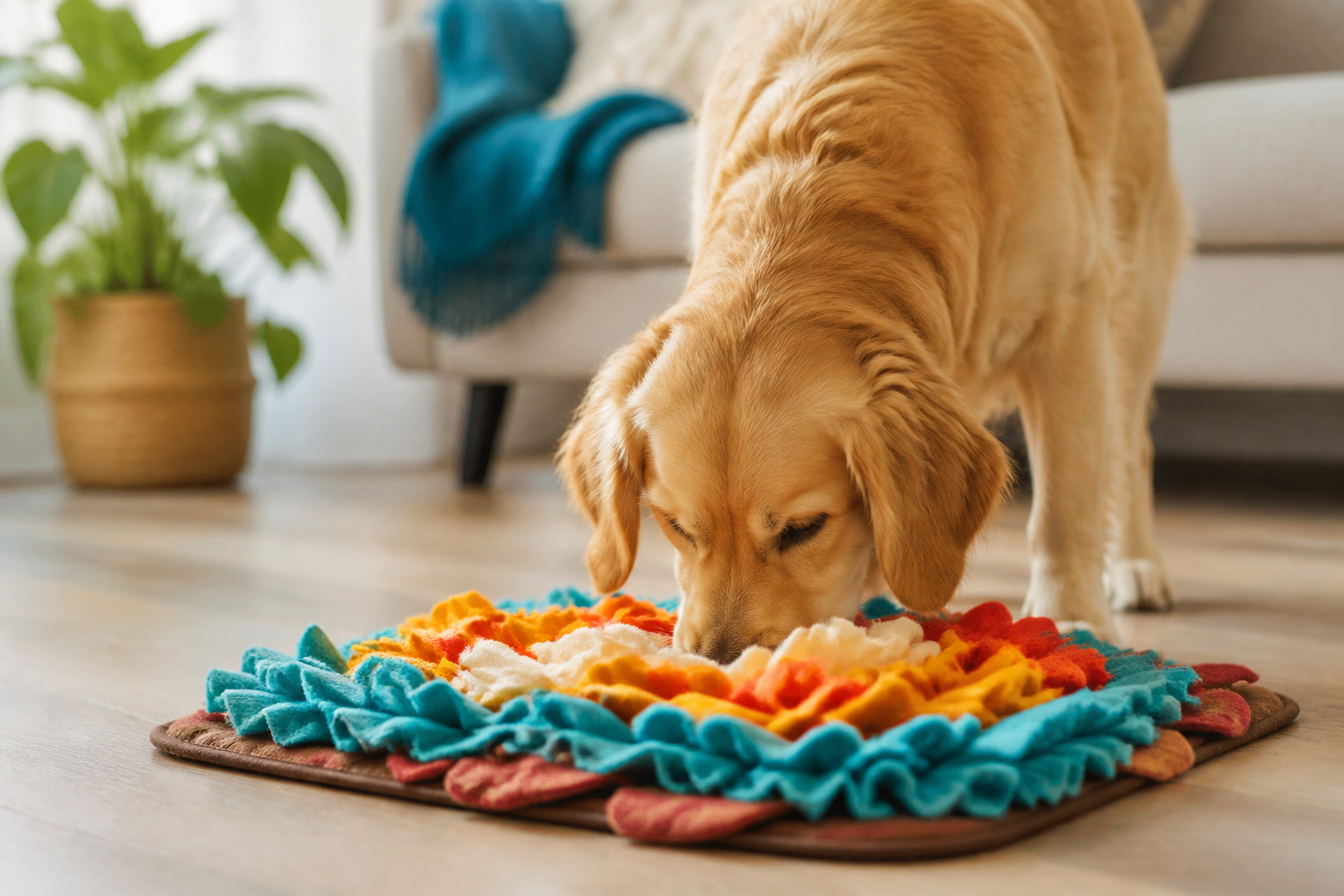
The petals of a flower snuffle mat usually overlap. This creates deep pockets where treats can slide far down toward the base. A dog has to use their nose to nudge the fabric aside and then use their tongue or muzzle to retrieve the reward. The center of the flower often features a different texture, like a ruffled pollen section, which offers a tighter hiding spot for smaller bits of food.
Encouraging Different Movements
Unlike a flat mat that only requires a simple sniff, the flower shape encourages a dog to move their head at different angles. They may need to lift a "leaf" or push a "petal" to the side. This variety of movement keeps the pet engaged for longer periods. It prevents them from figuring out the puzzle too quickly, which is a common problem with simpler enrichment toys.
Visual Appeal and Durability
While the dog does not care about the color, the flower design often uses bright, high-contrast colors. For owners, these mats look great in a living room and are often made with reinforced stitching at the center. Because the "petals" are usually made of polar fleece or felt, they are soft on a dog's sensitive nose while remaining durable enough to withstand some enthusiastic nudging. You can compare similar options in our interactive and puzzle dog toys collection.
Mental Stimulation vs. Physical Exercise
Many pet owners believe that if their dog is acting out, they just need a longer walk. While physical exercise is vital, it does not always address mental boredom. A dog can be physically tired but still mentally "wired." This is where the flower snuffle mat becomes a vital tool in your kit.
Scent work is incredibly taxing for a pet's brain. Many experts suggest that ten minutes of intense sniffing is equivalent to an hour of physical running in terms of the energy it burns. For senior dogs with limited mobility or dogs recovering from surgery, this is a perfect way to keep them tired and satisfied without putting stress on their joints.
Key Takeaway: Mental enrichment is just as important as physical exercise for preventing behavioral issues. Using a snuffle mat for ten minutes can provide the same level of exhaustion as a long walk by engaging the dog's natural foraging instincts.
For more ideas that work alongside daily walks, explore these dog brain games and enrichment activities.
Helping the Scarf and Barf Dog
If your dog finishes their dinner in thirty seconds, they are at risk for several health issues. Rapid eating, often called "scarfing," can lead to choking, gagging, and a serious condition called bloat. Using a flower snuffle mat as a slow feeder is a practical solution for this problem.
Instead of dumping a cup of kibble into a bowl, you scatter it across the mat and tuck it into the petals. This forces the dog to eat one or two pieces at a time. It turns a thirty-second meal into a ten or fifteen-minute activity. This slower pace allows the stomach to signal the brain that it is full, which can also help with weight management.
For pets with chronic digestive issues or those who require specific prescription diets, we recommend consulting with your veterinarian. Our pet pharmacy carries a range of prescription pet foods through our partnership with Pet's Choice that can be used alongside these enrichment tools to manage long-term health.
Vet Tip: If your dog suddenly starts eating much faster than usual or shows signs of extreme food guarding, consult your veterinarian. While snuffle mats help with fast eaters, sudden behavioral changes can sometimes indicate an underlying medical condition or nutritional deficiency.
Choosing the Right Materials
When shopping for a flower snuffle mat, you will generally find two main materials: fabric and silicone. Each has its own benefits depending on your pet's habits and your cleaning preferences.
Fabric Snuffle Mats
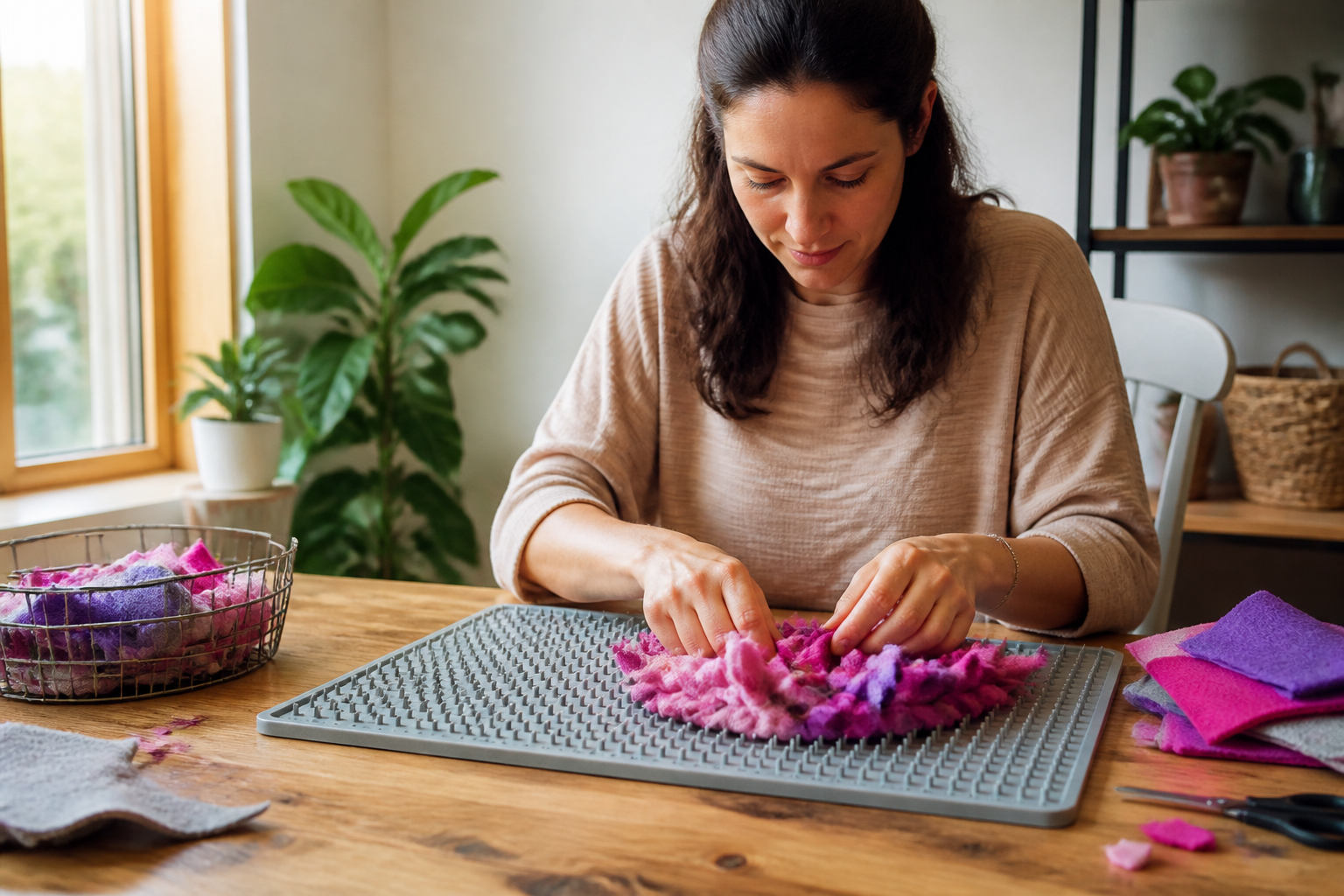
Most traditional flower snuffle mats are made from polar fleece. This material is popular because it is soft, mimicking the feel of grass or foliage. It is also highly absorbent, which means it can hold the scent of the treats well, making the "hunt" more exciting for the dog.
- Pros: Very soft on the nose, easy to fold and store, usually machine washable.
- Cons: Can hold onto moisture and drool, might be shredded by aggressive chewers.
Silicone Snuffle Mats
Silicone versions of the flower mat are becoming more common. These often feature upright "petals" or ridges made of food-grade silicone.
- Pros: Very easy to sanitize, dishwasher safe, great for wet food or peanut butter.
- Cons: Not as "deep" as fabric mats, lacks the soft tactile experience of fleece.
How to Introduce the Mat to Your Pet
You should not just drop a fully loaded mat on the floor and walk away the first time. If the puzzle is too hard, your pet might get frustrated and try to flip the mat over or chew on the petals to get the food out.
Step 1: Start with high-value treats. / Place a few smelly treats right on top of the petals where your dog can see them. Do not hide them yet.
Step 2: Reward the interest. / As soon as your dog starts sniffing and eating the visible treats, give them verbal praise. This builds a positive association with the mat.
Step 3: Increase the difficulty gradually. / Once they understand that the mat contains food, start tucking the treats slightly under the edges of the top petals.
Step 4: Move to full mealtime. / Once your dog is a "pro" at finding hidden treats, you can start using their regular kibble for their entire dinner.
For more structured options, our selection of snuffle mat dog toys includes interactive designs for supervised enrichment.
Safety and Supervision
Even though a flower snuffle mat is a toy, it should always be used under supervision, especially in the beginning. These mats are not chew toys. They are meant for sniffing and licking.
If you notice your dog starting to grab the fabric petals and pull or shake the mat, redirect them. Take the mat away for a moment and then represent it, encouraging them to use their nose instead of their teeth. Once the treats are gone, it is a good habit to pick the mat up and put it away. This keeps the mat "special" and prevents the dog from using it as a chew toy out of boredom once the food is finished.
Bottom line: A snuffle mat is an interactive tool for foraging, not a durable chew toy, so always supervise your pet and put it away after use.
Managing Anxiety and Stress
The act of sniffing and licking is naturally self-soothing for dogs and cats. When a pet focuses on a scent, it lowers their heart rate and releases endorphins. This makes a flower snuffle mat an excellent tool for stressful situations.
You might use the mat during a thunderstorm, when fireworks are going off, or when you have guests over who make your pet nervous. By giving the pet a "job" to do, you move their focus away from the scary noise and toward a rewarding activity. This can help desensitize them to triggers over time.
For pets with more severe clinical anxiety, a snuffle mat is a great supplement to a professional behavioral plan. In cases where environmental enrichment isn't enough, our dog healthcare collection offers additional products to discuss with your veterinarian. Always work with your vet to determine if your pet's stress requires a combination of behavioral tools and medication.
You can also find more ideas in this guide to calming dog toys.
Cleaning and Maintenance
Because these mats come into contact with food and saliva, they need regular cleaning to stay hygienic. A dirty mat can grow bacteria or mold, especially if you use moist treats.
Washing Fabric Mats
Most fleece flower mats can go right into the washing machine. Use a pet-safe, unscented detergent. Avoid fabric softeners, as the strong scent can be overwhelming for a dog’s sensitive nose. It is usually best to air dry these mats to keep the fleece from pilling or losing its shape in a hot dryer.
Sanitizing Silicone Mats
Silicone mats are the easiest to clean. You can usually rinse them in the sink with warm soapy water or toss them in the top rack of the dishwasher. This makes them a better choice if you prefer to use "stinky" treats like dried fish or freeze-dried liver, which can leave a lasting odor in fabric.
Benefits for Cats
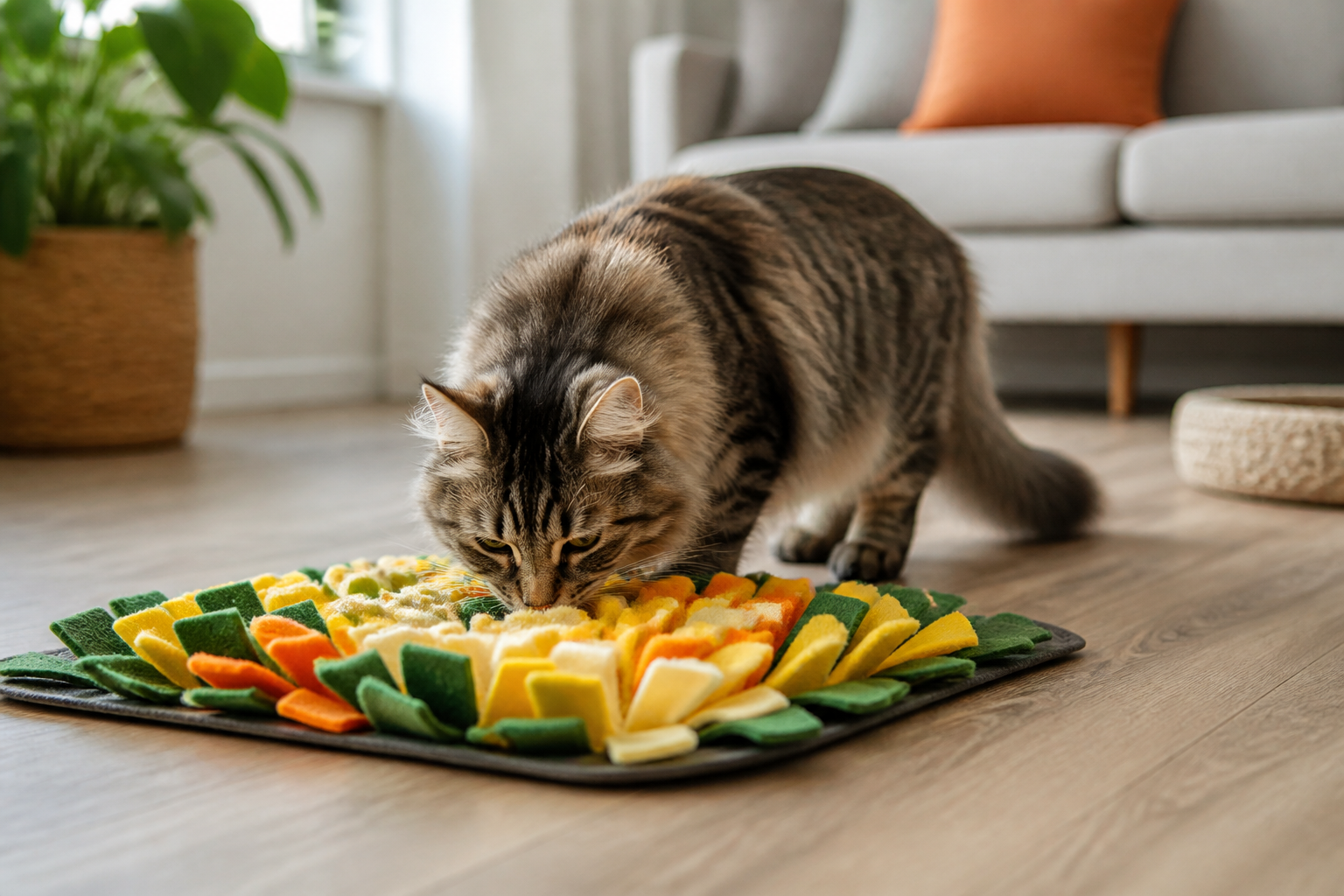
While often marketed for dogs, cats are also natural hunters that benefit from a flower snuffle mat. Cats in the wild spend a significant portion of their day stalking and searching for prey. An indoor cat who simply eats from a bowl can become lethargic or prone to "zoomies" from pent-up energy.
Hide small pieces of high-protein cat treats or dry kibble in the petals. You may find that your cat uses their paws to "fish" the treats out, which is excellent for their motor skills. It is a simple way to add environmental enrichment to a cat's day without taking up much floor space in your home. For additional interactive options, browse our cat puzzle toy selection.
Summary of Best Practices
To get the most out of your investment, keep these tips in mind as you incorporate the mat into your routine:
- Use a variety of treats to keep the scent "new" and exciting.
- Pick up the mat when it is not in use to prevent chewing.
- Wash the mat at least once a week to prevent bacteria buildup.
- Adjust the difficulty by how deep you tuck the treats.
- Use the mat during high-stress times to help your pet relax.
Key Takeaway: The flower snuffle mat is a versatile enrichment tool that serves both dogs and cats by satisfying their biological urge to forage and hunt for food.
For additional indoor ideas, read these enrichment activities for pets.
Conclusion
A flower snuffle mat is one of the easiest ways to improve your pet's daily life. It provides a low-impact way to burn energy, slows down fast eaters, and gives anxious pets a way to calm themselves down. Whether you have a puppy with endless energy or a senior cat who needs a little more excitement, this simple tool makes a big difference. At BaxterBoo, we want to help you find the best ways to keep your pets healthy and engaged. If you are looking for more ways to support your pet's health, visit our dog healthcare category or our Autoship programme for recurring pet needs. Using these tools together ensures your pet stays happy from their nose to their tail.
FAQ
Can I leave my dog alone with a flower snuffle mat?
It is not recommended to leave your dog unsupervised with a snuffle mat. While they are safe for foraging, they are not designed for heavy chewing, and a bored dog might try to swallow the fabric petals. Always put the mat away once the treats are gone to keep the toy safe and the activity special.
How often should I wash the snuffle mat?
You should wash the mat at least once a week if you use it daily. If you use "wet" treats or your dog drools heavily, you may need to wash it more frequently. Most fabric mats are machine washable, but always check the manufacturer’s label for specific care instructions to avoid shrinking the base.
What kind of treats work best in a flower snuffle mat?
Dry, crunchy treats or standard kibble work best because they slide easily into the fabric folds. Small, smelly treats like freeze-dried liver or salmon are excellent for beginners because the strong scent helps the dog find them quickly. Avoid using very greasy or wet treats in fabric mats, as they can be difficult to clean out of the fleece.
Is a flower snuffle mat better than a standard square one?
The flower design often provides more layers and different angles for the dog to explore, which can make the puzzle last longer. While any snuffle mat is beneficial, the overlapping petals of the flower shape offer a higher level of complexity for pets that have already mastered simpler puzzles. It really depends on your pet's skill level and persistence.