
 Save 15% on your 1st Autoship learn more

 Email us
 Live Chat
 FAQs
FAQs





Introduction
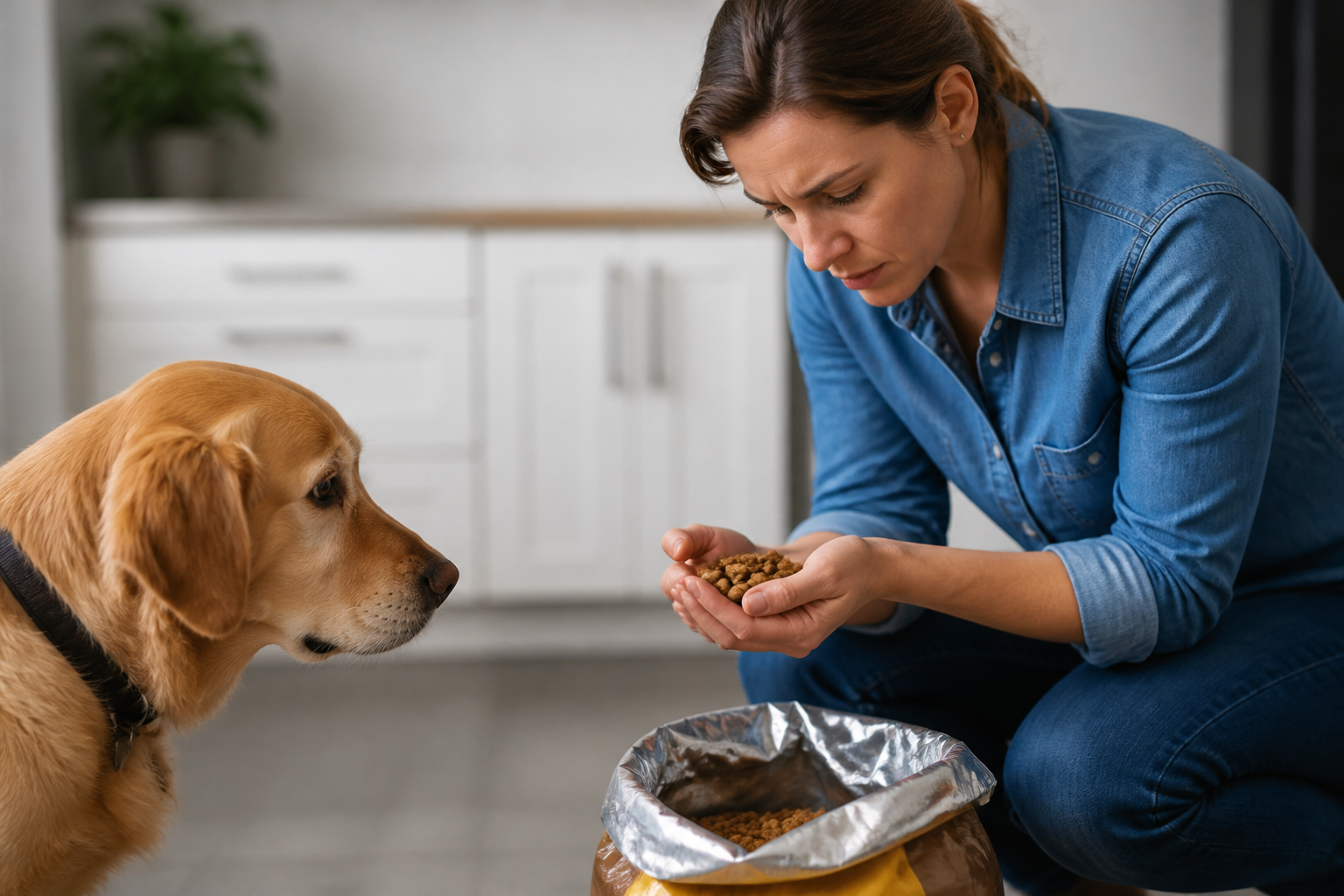
You pour a fresh scoop of kibble into the bowl, but your dog does something unusual. Instead of the usual happy dance and frantic eating, they take one sniff and walk away. This moment of hesitation often leaves owners wondering if the bag of food they just opened is past its prime. While dry food is convenient and shelf-stable, it is not invincible. At BaxterBoo, we know that your dog relies on you to ensure every meal is safe and nutritious. Understanding the subtle signs of spoilage is a critical part of being a pet parent. This post covers the sensory clues of bad food, the risks of feeding expired kibble, and the best ways to keep your dog's meals fresh.
Quick Answer: You can tell dry dog food is bad if it has a sour or metallic smell, a soft or crumbly texture, or visible mold. Your dog might also refuse to eat it or show signs of stomach upset like vomiting or diarrhea.
The Sensory Test: Using Your Nose and Eyes
Your own senses are the first line of defense when checking for food quality. While dogs have a much stronger sense of smell than humans, some signs of spoilage are obvious even to us. If you suspect a bag is off, start with a close inspection before filling the bowl. If you are comparing fresh options, browse our dry dog food category.
Identifying Rancid Odors
Dry dog food contains fats and oils that provide essential energy and support skin health. Over time, these fats react with oxygen in the air. This process is called lipid oxidation. When fats go rancid, they develop a very specific scent. Instead of the rich, meaty smell of fresh kibble, rancid food may smell like old paint, wet cardboard, or sour chemicals. If the food smells sharp or unpleasantly metallic, the fats have likely broken down.
Looking for Texture Changes
Fresh kibble should be firm and have a distinct crunch. When dry food is exposed to moisture or high humidity, the texture changes. It may become soft, spongy, or exceptionally crumbly. If you can easily crush a piece of kibble between your fingers and it feels damp, moisture has entered the packaging. This moisture creates a breeding ground for bacteria and mold.
Checking for Mold and Pests
Mold is not always bright green or fuzzy. Sometimes it appears as a white or grey film on the surface of the kibble. In other cases, it can cause the food to clump together in the bag. Never try to scoop around moldy sections. If you see any mold, the entire bag is contaminated and must be thrown away.
Pests are another clear sign of bad food. Look for small holes in the bag or webbing in the corners. Storage mites, ants, and weevils are drawn to the protein and grain in dog food. If you see tiny moving specks or find evidence of rodents, the food is no longer safe for consumption.
Key Takeaway: Rancidity is a chemical change in the fats that creates a sharp, paint-like odor. If the food smells sour or feels damp, it should be discarded immediately.
The Dog’s Reaction: Trusting Their Instincts
Your dog is an expert at detecting whether their food is fresh. Their nose contains up to 300 million olfactory receptors. For comparison, humans have about 6 million. If your dog is usually a "foodie" but suddenly hesitates at mealtime, take it seriously. For additional feeding guidance, read how much dry food to feed a dog.
Behavioral Red Flags
A dog who sniffs their food longer than usual is investigating the scent. They may take a single bite and spit it out, or they might walk away from the bowl entirely. While some dogs are naturally picky, a sudden change in behavior toward a familiar food is a major warning sign. They are likely picking up on the early stages of oxidation that you cannot yet smell.
Physical Symptoms of Spoiled Food
If a dog does eat spoiled food, their body will often react quickly. Watch for signs of gastrointestinal distress. This includes:
- Vomiting shortly after eating
- Loose stools or diarrhea
- Excessive gas or bloating
- Lethargy or a lack of energy
Vet Tip: If your dog experiences persistent vomiting or refuses food for more than 24 hours, consult your veterinarian. Sudden changes in appetite can indicate food spoilage or an underlying health issue that requires professional diagnosis.
Understanding Expiration and Best By Dates
The dates printed on dog food bags are not just suggestions. Manufacturers like Royal Canin and Farmina use these dates to indicate how long the food will maintain its intended nutritional profile and freshness. You can compare options from our Farmina dog food selection, including dry and veterinary diet formulas. However, these dates usually apply to unopened bags.
Best By vs. Use By
Most pet foods use a "Best By" date. This is a quality indicator. It tells you when the vitamins and fats will start to degrade. After this date, the food may not provide the full nutritional value listed on the label. A "Use By" date is more about safety. Once that date passes, the risk of bacterial growth or rancidity increases significantly.
The Six-Week Rule
Once you open a bag of dry food, the clock starts ticking. Exposure to oxygen, light, and heat accelerates the breakdown of the food. Most experts recommend finishing a bag of kibble within six to eight weeks of opening it. If you have a small dog and buy giant bags to save money, the food may go stale before they can finish it. For more detail, read how long dry dog food stays fresh once opened.
Bottom line: The date on the bag is for unopened food, but once opened, kibble should generally be consumed within two months.
Proper Storage: Avoiding Common Mistakes
How you store your food is just as important as the food itself. Many owners unknowingly make mistakes that lead to faster spoilage. Our warehouse in Vernon Hills stays temperature-controlled to protect the integrity of the 500+ brands we carry, and you should aim for similar stability at home. Learn more about dry dog food storage tips.
The Original Bag Is Best
It is tempting to pour kibble directly into a large plastic bin. However, this is one of the most common causes of spoiled food. Dog food bags are highly engineered. They are designed with liners that act as a barrier against oxygen and moisture. They also prevent the fats in the food from soaking into the packaging.
When you pour food into a plastic bin, the oils from the kibble can seep into the plastic over time. These oils eventually turn rancid. If you do not scrub the bin with hot, soapy water between every single bag, the old rancid oil will contaminate your fresh food.
The Bag-in-Bin Method
If you want to use a storage container for organization or to keep out pests, keep the food inside its original bag. Fold the top of the bag down tightly, secure it with a clip, and then place the entire bag inside the bin. This gives you two layers of protection while keeping the food in its ideal environment.
Temperature and Location
Heat and humidity are the enemies of pet food. Store your dog's food in a cool, dry place. Avoid keeping it in a garage or an outdoor shed where temperatures fluctuate. Temperatures above 80 degrees Fahrenheit can cause fats to break down rapidly. A pantry or a kitchen cabinet away from the oven is usually the best spot.
Key Takeaway: Always keep kibble in its original bag to prevent oils from turning rancid against plastic surfaces. Store the bag in a cool, dry area under 80 degrees.
When Food Issues Point to Health Needs
Sometimes, food goes bad because of a manufacturer error or a recall. Other times, a dog’s refusal to eat their usual kibble is a sign they need a different type of nutrition. If your dog consistently has trouble with standard kibble or shows signs of food sensitivities, it might be time to discuss a specialized diet with your vet.
We offer a wide selection of premium brands like The Honest Kitchen and Stella and Chewy's for dogs with sensitive systems. For pets with diagnosed medical conditions, our pet pharmacy provides a convenient way to manage their health. Through our partnership with Pet's Choice, we offer FDA-approved medications and prescription pet foods. If your vet recommends a specific diet for weight management or kidney health, such as Farmina Vet Life or Royal Canin Veterinary Diet, our pharmacy can help you fulfill those needs easily.
Vet Tip: Never switch your dog to a prescription diet without a veterinarian's guidance. They can help determine if your dog's digestive issues are caused by food spoilage or a medical condition requiring a specific therapeutic formula.
Steps to Take If You Find Bad Food
If you realize the food you have been serving is spoiled, act quickly to protect your dog. Do not try to save any part of the bag.
Step 1: Dispose of the food immediately.
Place the food in a sealed trash bag and put it in an outdoor bin so your dog or local wildlife cannot get to it.
Step 2: Wash all bowls and containers.
Use hot, soapy water to clean your dog’s food bowl and any measuring scoops. If you were using a storage bin, scrub it thoroughly.
Step 3: Monitor your dog for symptoms.
Check for vomiting or lethargy over the next 24 hours. Keep fresh water available at all times.
Step 4: Check for a recall.
Look up the brand and lot number online. If there is a widespread issue, the manufacturer or the FDA will post a notice.
Step 5: Contact the retailer.
If the food was recently purchased and is within its expiration date, let the store know. At BaxterBoo, we take product quality seriously and want to know if a product does not meet our standards.
Why Quality Matters
Feeding fresh food is about more than just taste. When fats oxidize, they create free radicals. These can cause inflammation and long-term health issues if consumed regularly. Furthermore, the degradation of vitamins means your dog might not be getting the nutrients they need for a healthy coat, strong bones, and a robust immune system.
By paying attention to the smell, texture, and your dog's behavior, you ensure they are getting the high-quality nutrition they deserve. Whether you are using our Autoship programme to get fresh bags delivered on a regular schedule or visiting us in person, we are here to help you navigate your pet's nutritional needs.
Bottom line: Fresh kibble is essential for long-term health. When in doubt, throw it out and start with a fresh bag.
FAQ
Can I feed my dog food that is just one month past the expiration date?
It is not recommended to feed your dog expired food. While the food may not be toxic the day after the date passes, the nutritional value declines and the risk of rancid fats increases. It is always safer to provide fresh food to avoid potential stomach upset or nutrient deficiencies.
Is it safe to store dry dog food in the refrigerator?
While refrigeration can slow down the oxidation of fats, it introduces the risk of moisture and condensation. Dry food is designed to stay dry. If moisture gets into the bag in the fridge, it can lead to mold growth. A cool, dry pantry is a much better storage location for kibble.
My dog’s food doesn’t smell bad, but there are tiny bugs in the bag. Can I still use it?
No, you should discard any food that shows signs of an insect infestation. Pests like storage mites can cause allergic reactions and skin irritation in dogs. Even if you don’t see many bugs, they often leave behind waste and larvae that make the food unsafe and unpalatable.
Why does the original dog food bag keep the food fresher than a plastic bin?
Dog food bags are made with specific liners designed to keep oxygen out and fats in. Plastic bins are often porous and can absorb oils over time, which eventually turn rancid and contaminate new food. Keeping the food in the bag provides a superior barrier against the elements that cause spoilage.






