
 Save 15% on your 1st Autoship learn more

 Email us
 Live Chat
 FAQs
FAQs





Introduction
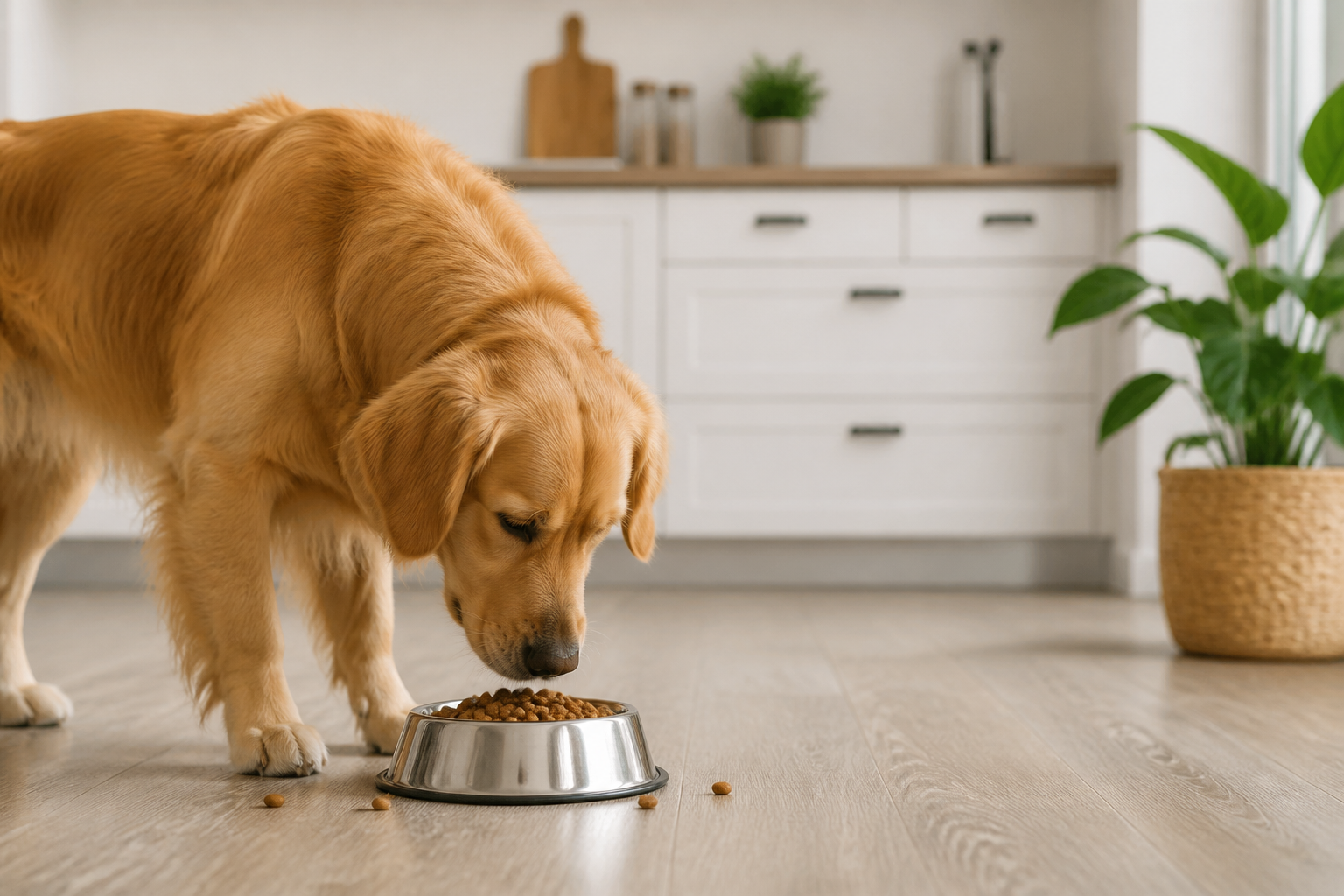
You set the bowl down. Your dog walks over, sniffs the kibble, and then looks up at you with those pleading eyes. They might even walk away entirely, leaving their dinner untouched. It is a frustrating moment for any pet owner. You worry about their nutrition and you wonder if they are feeling okay. At BaxterBoo, we see this often with pets of all ages and sizes. This guide will walk you through the common reasons for this behavior. We will provide practical tips to make dry food exciting again. You will learn about routine changes, food enhancers, and when a vet visit is the best next step. Our goal is to help you build healthy eating habits that last a lifetime.
Rule Out Medical Concerns First
Before you assume your dog is just being stubborn, you must rule out physical issues. A sudden change in appetite is often the first sign of a health problem. Dogs cannot tell us when their teeth ache or their stomach feels sour. They simply stop eating the thing that causes them discomfort.
Dental Health and Pain
Dry food is hard and crunchy. If your dog has a cracked tooth or inflamed gums, biting down on kibble can be painful. You might notice them dropping food or only chewing on one side of their mouth. Red gums or bad breath are also strong indicators of dental disease. In these cases, your dog might still want to eat but simply finds dry food too difficult to manage. If you want a deeper look at that warning sign, our dog dental care blog post is a helpful next step.
Digestive Issues and Allergies
Internal discomfort can make any food unappealing. Gastrointestinal issues like inflammatory bowel disease or simple food sensitivities can cause nausea. If your dog associates their dry food with feeling sick later, they will naturally avoid it. They might prefer human food or treats because those are high-value and different from their usual routine.
Vet Tip: If your dog has not eaten for more than 24 hours, contact your veterinarian immediately. They can check for underlying conditions like kidney issues or dental pain. If your vet recommends a prescription diet, our pet pharmacy is the place to start.
Evaluate the Feeding Environment
The where and when of mealtime matters as much as the what. Dogs are sensitive to their surroundings. A busy kitchen or a slippery floor can create enough stress to put a dog off their dinner.
Minimize Distractions
If you have a multi-pet household, your dog might feel pressured. They might worry about another dog stealing their food. This can lead to them avoiding the bowl entirely to stay out of a conflict. Try feeding your dog in a quiet corner or even a separate room. Some dogs prefer eating in their crate where they feel fully protected.
Check Your Floor Surface
This is a common issue for senior dogs or those with joint stiffness. If your food bowl is on a slick hardwood or tile floor, your dog might struggle to keep their footing while leaning down to eat. This instability can make them anxious about the meal. Placing a non-slip rug or yoga mat under the feeding station can make a massive difference in their comfort level.
Mealtime Checklist
- Feed at the same time every day to build a routine.
- Ensure the bowl is clean and free of old food residue.
- Keep the water bowl fresh and nearby.
- Remove the bowl after 20 minutes to encourage focused eating.
Re-evaluate Your Feeding Routine
Sometimes we accidentally train our dogs to be picky. If your dog refuses kibble and you immediately offer a piece of cheese or a scoop of wet food, they learn a lesson. They learn that holding out leads to a better reward.
The 30 Minute Rule
One of the most effective ways to reset a dog's appetite is to create a sense of urgency. Put the bowl down for 30 minutes. If they do not eat, pick it up and put it away. Do not offer treats or table scraps until the next scheduled mealtime. Repeat this process. A healthy dog will not starve themselves, and usually, hunger will win out by the second or third meal.
Limit Treats and Scraps
It is easy to overfeed a dog without realizing it. If you give several treats during a training session or share your lunch, your dog might simply be full. Treats should never make up more than 10% of their daily calories. If they are not hungry for their dry food, the first step is to cut out all extras for a few days.
Key Takeaway: Consistency is the enemy of picky eating. By sticking to a strict schedule and removing the food after a set time, you teach your dog that mealtime is a limited opportunity.
Make the Kibble More Appealing
If your dog is healthy but bored, you can enhance the flavor and aroma of their dry food. Most dogs rely heavily on their sense of smell to decide what is worth eating.
Add Warm Water or Broth
Dry kibble does not have much of a scent when it is cold and dry. Adding a splash of warm water or low-sodium chicken broth can change everything. The warmth releases the fats and aromas in the food. It also creates a bit of a gravy that many dogs find irresistible. Let the food soak for a few minutes so it softens slightly. This is especially helpful for puppies or senior dogs who might struggle with the hard texture.
Use High-Quality Food Toppers
Toppers are a great middle ground between plain kibble and a full wet food diet. Our dog food topper and broth selection gives you plenty of ways to add flavor and texture without overhauling the whole meal. You do not need to use a lot to get the desired effect.
How to introduce a topper: Step 1: Choose a flavor that matches your dog's current protein, such as beef or chicken. Step 2: Mix a small amount thoroughly into the kibble so they cannot just pick out the "good stuff." Step 3: Gradually reduce the amount of topper over time if your goal is to return to plain dry food.
Rotate Your Proteins
Imagine eating the exact same cereal every single day for years. You would likely get bored too. Many premium brands like NutriSource are designed for rotational feeding. This means you can switch between chicken, lamb, or fish recipes within the same brand without upsetting your dog's stomach. This variety keeps them interested in the bowl.
Quality and Storage Matters
Sometimes the reason a dog stops eating dry food is that the food itself has changed. Kibble contains fats that can go rancid if not stored correctly. If storage is the issue, our blog on how long dry dog food stays good breaks down the basics.
Proper Storage Techniques
Always keep dry food in its original bag. Those bags are designed with barriers to keep oxygen out and fats in. Place the entire bag inside an airtight plastic or metal container. If you pour the food directly into a plastic bin, the oils can seep into the plastic and spoil over time. This creates a smell that we might not notice, but your dog certainly will.
Check the Date
Kibble does not last forever. Most bags are best used within 4 to 6 weeks of opening. If you have a small dog and buy a massive 40-pound bag, the food might go stale before you reach the bottom. Buy smaller bags to ensure the food stays fresh and crunchy.
Bottom line: Freshness is a major factor in palatability, so store food in a cool, dry place and use it within a month of opening.
Exercise and Hunger
A tired dog is a hungry dog. If your dog spends all day lounging on the sofa, they might not be burning enough energy to feel true hunger. Increasing their physical activity can naturally stimulate their appetite.
Try taking your dog for a brisk walk about 30 minutes before mealtime. This gets their metabolism moving. You can also use food puzzles like a Kong toy to make them work for their dry food. This taps into their natural scavenging instincts. Instead of a boring bowl, the food becomes a prize they have earned through play.
Using the Pharmacy for Health Support
If your dog's picky eating is tied to an ongoing health condition, we can help. Our Autoship programme can also make it easier to keep key food and health items on hand when you find a recipe that works. Sometimes a dog needs a specific formula to manage weight or kidney health. These diets are formulated by experts to be highly palatable even when a dog is not feeling their best.
Our pharmacy provides a convenient way to get these items delivered to your door. If your vet prescribes an appetite stimulant or a specific dental treatment, you can find those through our system as well. Managing your dog's health is the most direct path to restoring a healthy appetite.
Conclusion
Getting your dog to eat dry food requires a mix of patience, routine, and a bit of creativity. Start by ensuring they are healthy and free of pain. Then, look at their environment and your own feeding habits. Small changes like adding warm water or a tasty topper can transform their meal from a chore into a highlight of their day. We are here to support you with the best products and advice for every stage of your pet's life.
Key Takeaway: Rule out medical issues, fix the feeding routine, and use high-quality mixers to encourage your dog to enjoy their dry food again.
If you are ready to try a new flavor or need a specialized diet, explore our dog food collection or visit our pharmacy section for your prescription needs.
FAQ
Is it okay if my dog skips a meal?
For most healthy adult dogs, skipping one meal is not a cause for panic. They may simply not be hungry or might be reacting to a minor stressor in the environment. However, if they skip multiple meals or show other symptoms like lethargy, you should contact your veterinarian.
Can I mix wet and dry food permanently?
Yes, many pet owners choose to do "top-dressing" or "mixing" indefinitely. This provides the dental benefits of crunchy kibble along with the hydration and aroma of wet food. Just be sure to adjust the total calorie count so your dog maintains a healthy weight.
Why does my dog eat treats but refuse their dry food?
Treats are usually much higher in salt, fat, and sugar than standard kibble. It is similar to a human refusing a salad but being willing to eat a cookie. If your dog is holding out for the "tastier" option, you should reduce treats until they are consistently eating their balanced meals.
How do I know if my dog's food has gone bad?
Check for a sour or "paint-like" smell, which indicates the fats have gone rancid. You should also look for signs of moisture or mold in the bag. If your dog suddenly refuses a bag they previously liked, and the storage was not airtight, the food may simply be stale.






