
 Save 15% on your 1st Autoship learn more

 Email us
 Live Chat
 FAQs
FAQs





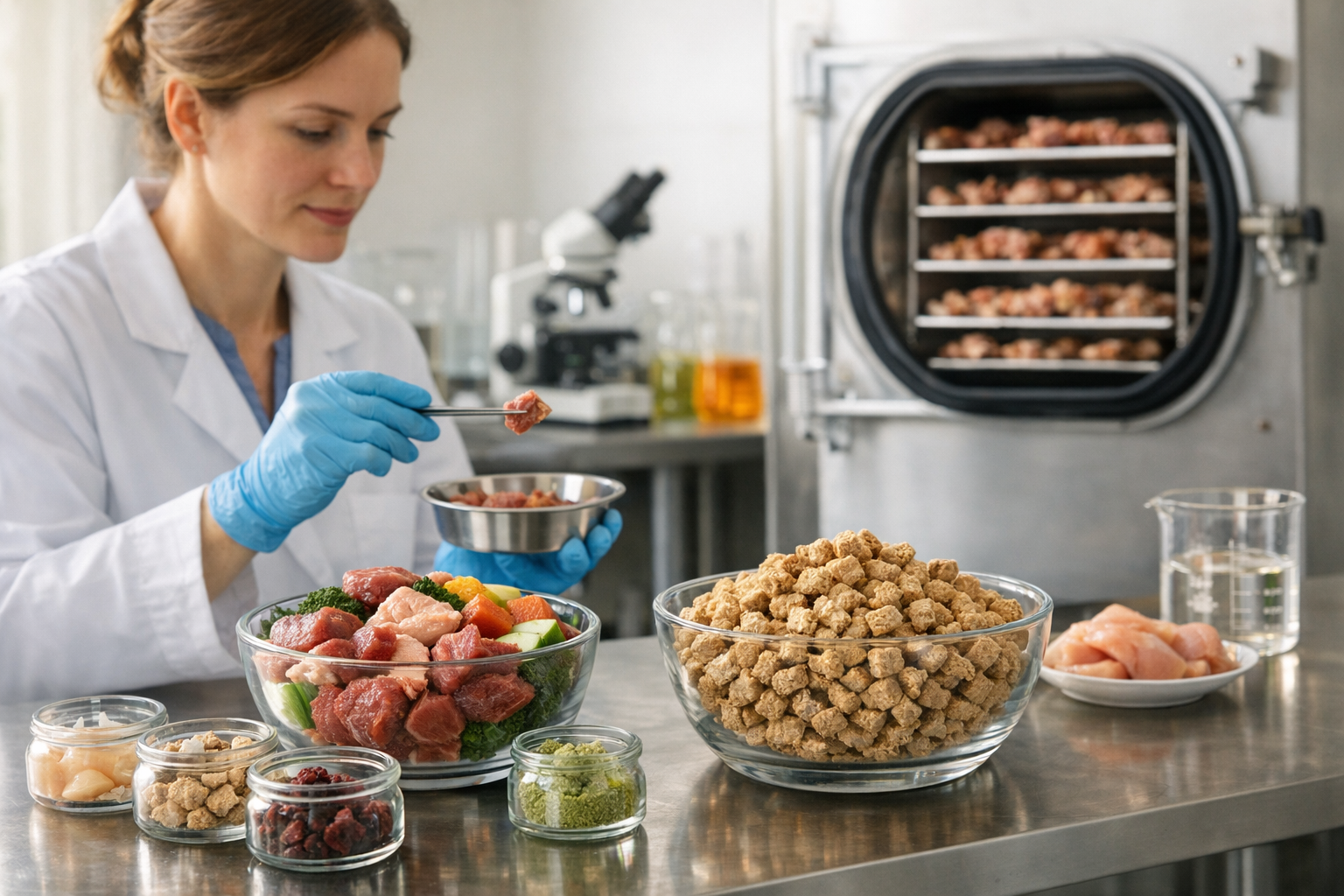
Introduction
You are standing in the pet food aisle or browsing online, and you pick up a bag of dog food that feels incredibly light. It is almost like a bag of popcorn. You see words like raw, nutrient-dense, and shelf-stable on the label. If you have ever wondered why these crunchy nuggets look like real meat but do not require a freezer, you are looking at the result of a complex preservation process.
At BaxterBoo, we know that choosing the right food for your dog is one of the biggest decisions you make as a pet owner. Understanding the journey from raw ingredients to the finished product helps you decide if this format fits your lifestyle. This post covers the specific steps of the freeze-drying process, the safety measures used to protect your pet, and the nutritional benefits of this unique diet. We want to help you understand exactly how is freeze dried dog food made so you can feed your dog with confidence.
Quick Answer: Freeze-dried dog food is made by flash-freezing raw ingredients and placing them in a vacuum chamber. Through a process called sublimation, the moisture turns directly from ice to vapor without becoming liquid. This preserves the cellular structure, flavor, and nutritional integrity of the raw food while making it shelf-stable.
What is Freeze-Dried Dog Food?
Freeze-dried dog food is a form of raw nutrition that has had almost all of its moisture removed. Unlike traditional kibble, which is cooked at high temperatures through a process called extrusion, freeze-dried food remains microbiologically raw. This means the proteins, enzymes, and vitamins are not altered by heat.
The goal of this food format is to provide the benefits of a raw diet with the convenience of a dry one. It is highly concentrated. Because the water is gone, the food is lightweight and takes up less space. It is often sold as full meals, meal mixers, or high-value treats.
Most freeze-dried diets are meat-based. They typically include muscle meat, organ meat, and ground bone. Many brands also incorporate fruits and vegetables like blueberries, spinach, and carrots to provide natural antioxidants. Because the process is so gentle, the food retains its original shape, color, and aroma, which makes it very appealing to dogs.
The Step-by-Step Process of Freeze-Drying
The transformation from raw meat to a shelf-stable nugget involves several scientific stages. Each step is designed to remove water while keeping the nutrients locked inside.
Step 1: Sourcing and Preparation
The process begins with high-quality raw ingredients. Reputable manufacturers use USDA-inspected meats and organic produce. The ingredients are ground together and blended into a consistent mixture. This ensures every bite contains the correct ratio of protein, fat, and essential minerals. Once blended, the mixture is shaped into its final form, such as small nuggets, patties, or flakes.
Step 2: High-Pressure Processing (HPP)
Before the food is frozen, many companies use High-Pressure Processing. This is a critical safety step. The food is placed in a chamber and subjected to extreme water pressure. This pressure is so high that it crushes harmful bacteria like Salmonella and Listeria. Because it uses pressure instead of heat, the food stays raw and the nutrients remain intact.
Step 3: Flash Freezing
The prepared nuggets are moved to a blast freezer. They are frozen very quickly at temperatures often reaching 40 degrees below zero. This rapid freezing is vital. It prevents large ice crystals from forming. Small ice crystals do not damage the cellular walls of the meat and vegetables. This keeps the texture of the food consistent when it is eventually rehydrated.
Step 4: Primary Drying (Sublimation)
The frozen food is placed inside a large vacuum chamber called a lyophilizer. The pressure inside the chamber is lowered until it creates a vacuum. A very small amount of heat is applied. In this vacuum environment, the ice does not melt into water. Instead, it turns directly into water vapor. This is called sublimation. The vapor is pulled away and condensed on cold coils outside the chamber. This step removes about 95% of the moisture.
Step 5: Secondary Drying (Adsorption)
Even after the ice is gone, a few water molecules may remain bonded to the food fibers. The chamber temperature is raised slightly to break these final molecular bonds. This secondary drying phase ensures the food is completely dry. Removing this last bit of moisture is what allows the food to sit in your pantry for months without spoiling.
Step 6: Testing and Packaging
The finished food is tested for moisture content and safety. Once it passes inspection, it is sealed in moisture-proof and oxygen-proof packaging. Because the food is so dry, it does not need chemical preservatives to stay fresh.
Key Takeaway: Freeze-drying uses a vacuum and low temperatures to turn ice into vapor. This unique process removes moisture without cooking the food, preserving the raw nutrients and natural flavors that dogs crave.
Why Manufacturers Use This Method
The primary reason for freeze-drying is nutrient preservation. Traditional pet foods are often cooked at temperatures exceeding 300 degrees Fahrenheit. While this kills bacteria, it can also denature proteins and destroy heat-sensitive vitamins like B vitamins and probiotics.
Freeze-drying keeps the food in a "suspended" raw state. Since the temperature never gets high enough to cook the meat, the enzymes that aid in digestion remain active. This often results in smaller, firmer stools and better nutrient absorption for the dog.
Another reason is palatability. Because the flavor and aroma are not "cooked out," freeze-dried food smells very much like real meat to a dog. This makes it an excellent choice for picky eaters who might turn their noses up at standard kibble.
Freeze-Dried vs. Dehydrated vs. Kibble
It is common to confuse freeze-dried food with dehydrated food, but they are not the same. Dehydration uses low heat and flowing air to evaporate water. This process takes longer and can slightly "cook" the surface of the food.
| Feature | Freeze-Dried | Dehydrated | Kibble |
|---|---|---|---|
| Heat Level | Very Low (No cooking) | Low to Medium (Gentle cooking) | Very High (Extrusion) |
| Nutrient Retention | Highest | High | Moderate |
| Texture | Crunchy/Spongy | Leathery/Hard | Hard/Crunchy |
| Shelf Life | Long (Shelf-stable) | Long (Shelf-stable) | Long (Shelf-stable) |
| Raw Status | Microbiologically Raw | Partially Cooked | Fully Cooked |
Safety and Quality Control
When you feed a raw diet, safety is the top priority. Many owners worry about bacterial contamination. This is why BaxterBoo carries brands that adhere to strict safety protocols. The combination of HPP and the removal of moisture makes freeze-dried food much safer than traditional raw frozen food stored in the fridge.
Bacteria need moisture to grow. By removing 98% of the water, the food becomes an environment where bacteria cannot thrive. However, it is important to remember that the food is still raw. You should always wash your hands and any bowls used for feeding after handling the product.
Vet Tip: If your dog has a compromised immune system or is undergoing certain medical treatments, consult your veterinarian before introducing raw or freeze-dried foods. Your vet can help determine if a raw-based diet is appropriate for your pet's current health status.
Ingredients Found in Freeze-Dried Diets
Because freeze-drying is a premium process, the ingredients used are typically higher quality than those found in budget-friendly kibbles. You will rarely find fillers like corn, wheat, or soy in these recipes.
Common ingredients include:
- Muscle meat: Beef, chicken, lamb, or turkey.
- Organ meats: Heart, liver, and kidney, which are nature's multivitamins.
- Ground bone: A natural source of calcium and phosphorus.
- Vitamins and Minerals: Often added to ensure the food meets AAFCO standards for a complete and balanced diet.
- Natural Preservatives: Mixed tocopherols (a form of Vitamin E) are often used to keep the fats from oxidizing.
If your dog has specific health needs or requires a prescription diet for a condition like kidney disease or severe allergies, we can help. Our pet pharmacy offers FDA-approved medications and prescription pet foods through our partnership with Pet's Choice. Always talk to your vet before switching a dog with a chronic condition to a new food format.
How to Feed Freeze-Dried Food
One of the best things about freeze-dried food is its versatility. You can use it in several different ways depending on your dog's needs and your budget.
As a Complete Meal
If the bag is labeled as "complete and balanced," you can feed it as your dog's primary diet. This is the most expensive way to feed, but it provides the highest level of nutrition. It is especially popular for small dogs where the daily portion is small enough to be affordable.
As a Meal Topper
Many owners use freeze-dried nuggets to "boost" a bowl of standard kibble. You can crumble a patty over their regular food to add raw protein and extra flavor. This is a great way to encourage a picky dog to eat their dinner.
As a High-Value Treat
Because it is so tasty and lightweight, freeze-dried food makes an excellent training treat. It is easy to break into tiny pieces and does not leave a greasy residue in your pocket.
Rehydration
While you can feed freeze-dried food dry, most manufacturers recommend adding water. Rehydrating the food helps with digestion and ensures your dog is getting enough moisture. This is especially important for dogs that do not drink much water on their own.
If you want more tips on serving it, our guide to feeding freeze-dried dog food is a helpful next read.
How to rehydrate freeze-dried dog food:
- Measure the appropriate amount of food into a bowl.
- Crumble the nuggets or patties to increase the surface area.
- Add warm water or bone broth according to the package directions.
- Wait 2 to 3 minutes for the food to absorb the liquid.
- Stir and serve.
Key Takeaway: Rehydrating freeze-dried food returns it to a texture very similar to fresh raw meat. This helps support kidney health and proper hydration in dogs.
What to Look for When Shopping
Not all freeze-dried foods are created equal. When browsing our freeze-dried dog food collection, keep these factors in mind to ensure you are getting the best value and quality.
- AAFCO Statement: Look for a label that says the food is formulated to meet the nutritional levels established by the AAFCO Dog Food Nutrient Profiles. If it does not say this, it should only be used as a topper or treat.
- Specific Protein Sources: The first ingredient should be a named meat, like "deboned chicken" or "beef heart," rather than a generic term like "meat by-products."
- Packaging Integrity: Ensure the bag is airtight. If the vacuum seal is broken, the food can absorb moisture from the air and lose its crispness or spoil.
- Life Stage: Make sure the food is appropriate for your dog's age. Large breed puppies, for example, have very specific calcium and phosphorus requirements that differ from adult dogs.
For a broader look at mealtime options, our dog food category can help you compare freeze-dried food with other formats.
The Cost of Freeze-Drying
You will notice that freeze-dried food has a higher price point than kibble. This is due to the cost of the raw materials and the energy-intensive vacuum drying process. However, because the food is so concentrated, you often feed much less of it by volume than you would with kibble.
Many owners find that the long-term benefits are worth the investment. Better digestion can mean fewer vet visits for stomach issues, and the high protein content supports lean muscle mass in aging dogs. To make these premium foods more affordable, we offer programs like MVP Rewards. You can earn points on every purchase and get exclusive offers to help manage the cost of your dog's favorite meals.
bottom line: While the upfront cost is higher, the nutritional density and lack of fillers mean you are paying for pure nutrition rather than bulk.
Is This Right for Your Dog?
Freeze-dried food is a fantastic option for many dogs, but it is not a one-size-fits-all solution. It is ideal for owners who want to feed raw but do not want the mess of thawing frozen meat or the risk of handling wet raw ingredients. It is also a lifesaver for travelers. You can take a week's worth of raw food in a small, light bag that does not require refrigeration.
If your dog has a history of pancreatitis or requires a low-fat diet, be sure to check the fat content on the label. Raw diets are often naturally higher in fat than grain-based kibbles.
If you are comparing premium raw-style options, our selection of Stella & Chewy's products and our selection of Open Farm products are good places to start.
Always introduce new food slowly. Transition your dog over a period of 7 to 10 days by mixing increasing amounts of the freeze-dried food with their current diet. This helps prevent digestive upset.
Summary
The process of making freeze-dried dog food is a blend of culinary art and high-tech science. By flash-freezing fresh ingredients and using a vacuum to remove moisture, manufacturers can create a product that is shelf-stable, safe, and packed with the enzymes and proteins found in nature.
Whether you choose to use it as a full meal, a nutritious topper, or a special treat, freeze-dried food offers a level of quality that is hard to match with traditional cooking methods. We invite you to explore our curated selection of brands like Stella & Chewy's, Vital Essentials, and Open Farm.
If you are looking to save on your regular orders, consider signing up for our Autoship programme. You will save on your first order and earn a free MVP Gold membership, ensuring your dog never runs out of their favorite raw nutrition.
FAQ
Does freeze-dried dog food need to be refrigerated?
No, freeze-dried dog food is shelf-stable and does not require refrigeration as long as it remains dry. The removal of moisture prevents the growth of bacteria and mold. However, once you rehydrate the food with water or broth, any uneaten portions must be treated like fresh meat and refrigerated or discarded after a short period.
Can I feed freeze-dried food to my puppy?
Yes, you can feed freeze-dried food to puppies as long as the product is labeled as "complete and balanced for all life stages" or specifically for puppies. Puppies have high protein and calorie needs to support their rapid growth. Always check the AAFCO statement on the bag to ensure it meets the specific nutritional requirements for a growing dog. If you want more help with puppy portions, our guide to feeding dry food to a puppy is a useful companion article.
Why is freeze-dried dog food so expensive?
The cost reflects both the high quality of the raw ingredients and the expensive technology required for the freeze-drying process. It takes several pounds of raw meat to produce just one pound of freeze-dried food because the water weight is removed. Additionally, the vacuum chambers used in production are energy-intensive and require specialized facilities.
Is freeze-dried food safer than a standard raw diet?
Freeze-dried food offers a higher level of safety than traditional "wet" raw diets because the lack of moisture inhibits bacterial growth. Many manufacturers also use High-Pressure Processing (HPP) to kill pathogens before the drying process begins. While it is safer to store and handle, it is still a raw product, so standard hygiene practices should be followed when feeding.






