
 Save 15% on your 1st Autoship learn more

 Email us
 Live Chat
 FAQs
FAQs





Introduction
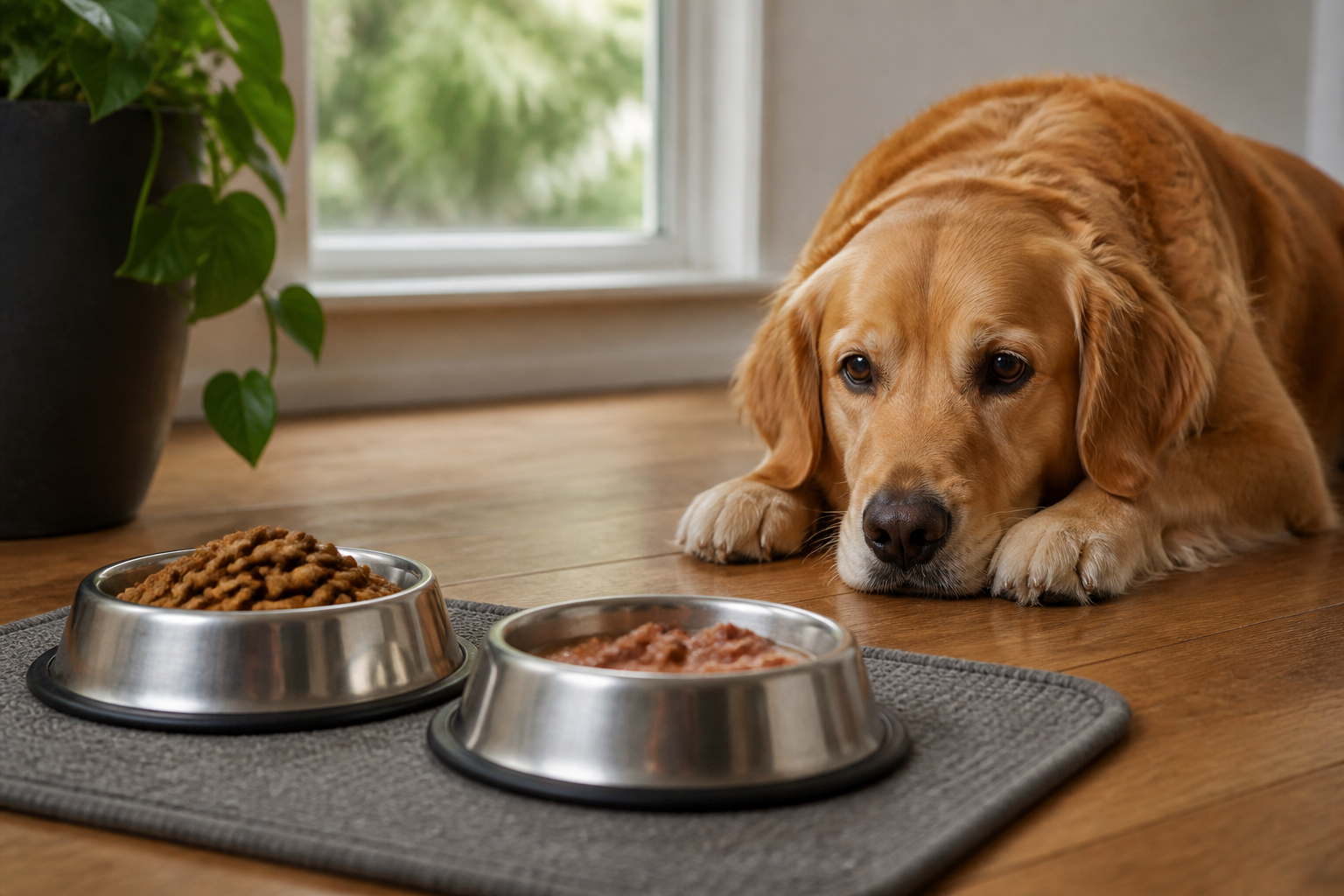
It is a common morning scene for many dog owners. You scoop out a serving of food, set the bowl down, and head out the door for work. Perhaps your dog is a slow eater who prefers to graze, or maybe they were distracted by a squirrel in the yard and left their breakfast untouched. By the time you return home, that bowl has been sitting in the kitchen for eight hours or more. At BaxterBoo, we know that keeping your pet healthy involves more than just picking the right brand. It requires understanding how to handle and store that food to prevent spoilage and illness. This article explores the safe windows for leaving both wet and dry dog food in the bowl. We will also cover the environmental factors that speed up decay and how to tell if a meal has gone bad. Proper food safety ensures your dog gets the nutrition they need without the risk of bacterial contamination.
The Safety Window for Wet Dog Food
Wet dog food is highly palatable and a great source of hydration, but its high moisture content makes it a magnet for bacteria. Once you open a can or pouch and expose the food to the air, the clock starts ticking. Bacteria like Salmonella, Listeria, and E. coli thrive in moist, protein-rich environments. These pathogens can multiply to dangerous levels in a very short amount of time.
In a standard climate-controlled home where the temperature is below 70 degrees Fahrenheit, you should not leave wet dog food out for more than four hours. Many veterinarians suggest a tighter window of two hours to be as safe as possible. If the food is still in the bowl after this period, it is best to discard it. The risks of gastrointestinal upset or food poisoning outweigh the cost of a wasted portion.
Temperature is the most critical variable. If your home is warm or if you are feeding your dog outdoors during the summer, the safety window shrinks significantly. In temperatures between 70 and 85 degrees, the limit is two hours. If the temperature exceeds 85 degrees, the food can become unsafe in as little as 30 to 60 minutes.
Quick Answer: Wet dog food should generally sit out for no more than two to four hours at room temperature. If the environment is warmer than 80 degrees, discard the food after one hour to prevent rapid bacterial growth.
Why Wet Food Spoils Faster
The processing of wet food involves high-heat sterilization that kills bacteria inside the sealed container. However, because it lacks the low moisture levels of kibble, it has no natural defense once exposed to the environment. The "open" nature of a bowl allows airborne contaminants and household dust to settle into the food. Furthermore, the texture of wet food provides a large surface area for microbes to colonize.
For additional guidance on handling opened meals, read our guide to wet and dry dog food storage.
The Safety Window for Dry Dog Food
Dry dog food, or kibble, is designed to be shelf-stable. Manufacturers use specific drying processes and natural or synthetic preservatives to keep the food safe for long periods. Because kibble has very low moisture levels, it does not support bacterial growth as easily as wet food. This leads many owners to believe they can leave a bowl of dry food out indefinitely.
While dry food is more resilient, it is not invincible. Most experts agree that dry dog food can safely sit out for up to 24 hours. After a full day, the food should be tossed, and the bowl should be washed. However, the 24-hour rule only applies if the food remains dry. If your dog is a "grazer" who eats a few bites at a time, their saliva introduces moisture and enzymes into the bowl. This moisture creates localized spots where bacteria and mold can begin to grow.
For fresh options to compare, browse our dog food category.
The Role of Oxidation
Even if the food stays dry, a process called oxidation begins the moment the bag is opened. Oxidation occurs when the fats and oils in the kibble react with oxygen in the air. Over time, these fats turn rancid. Rancid fat does more than just make the food smell bad. It can cause long-term health issues and digestive distress.
Key Takeaway: While dry food can technically sit out for 24 hours, it begins losing nutritional value and freshness immediately. For the best quality, pick up uneaten kibble after 30 minutes and store it properly.
For more information about opened-bag freshness, see our article on how long dry dog food stays good.
Environmental Factors That Impact Freshness
Your kitchen environment plays a massive role in how long a meal remains safe. Factors like sunlight, humidity, and airflow all contribute to the rate of spoilage. Understanding these variables can help you choose the best spot for your dog's feeding station.
Humidity and Moisture
High humidity is the enemy of dry dog food. If you live in a damp climate or keep the food bowl near a dishwasher or sink, the kibble will absorb moisture from the air. This softens the texture and encourages the growth of mold. Mold can produce mycotoxins, which are highly toxic to dogs even in small amounts. If the kibble feels soft or "tacky" to the touch, it has likely absorbed too much moisture and should be discarded.
Sunlight and Heat
Heat accelerates almost every chemical reaction involved in food spoilage. If a bowl of food sits in a sunbeam coming through a window, the temperature of the food can rise much higher than the room temperature. This heat causes fats to oxidize faster and provides a breeding ground for bacteria. Always place food bowls in a cool, shaded area of the home.
Household Pests
Food left out for long periods is an open invitation for pests. Ants, flies, and cockroaches are attracted to the fats and sugars in pet food. These insects do not just eat the food. They can carry bacteria and parasites that contaminate the bowl. In some cases, rodents may also be attracted to food left out overnight, creating a significant hygiene risk for both you and your pet.
When food is stored outside or in damp areas, these concerns become even more important. Our guide to keeping dog food dry outside covers additional storage considerations.
Identifying Spoiled Dog Food
It is not always easy to tell if a meal has gone bad just by looking at it. Dogs have a sense of smell that is far superior to ours, and they may refuse a bowl of food that looks perfectly fine to a human. If your dog suddenly stops eating their usual brand, it might be because they detect rancidity or mold that you cannot see.
The Sniff Test
Fresh dog food, whether wet or dry, should have a mild, meaty, or grainy scent. If you notice a sour, metallic, or "old paint" smell, the fats have likely turned rancid. Wet food that has spoiled often takes on a pungent, acidic odor similar to spoiled human meat. If the smell makes you wrinkle your nose, do not let your dog eat it.
Visual and Texture Changes
Check for these visual cues of spoilage:
- Mold: Look for white, fuzzy patches or dark green spots, especially in wet food or damp kibble.
- Slime: Spoiled wet food often develops a slimy or stringy film on the surface.
- Color changes: If the food looks significantly darker or more gray than when it was first served, it has oxidized.
- Insects: Look closely for small "grain mites" in dry food or ants in wet food.
Vet Tip: If your dog accidentally eats spoiled food and begins vomiting, has severe diarrhea, or seems lethargic, contact your veterinarian immediately. For dogs with sensitive stomachs or chronic digestive issues, we offer access to a full pharmacy and prescription diets through our dog pharmacy.
Proper Storage Practices for Maximum Freshness
Preventing spoilage starts long before the food hits the bowl. How you store your bulk supply at home determines the baseline freshness of every meal. At BaxterBoo, we recommend several best practices to keep your pet's nutrition at its peak.
Storing Wet Food
Unopened cans of wet food should be kept in a cool, dry place, such as a pantry. Avoid storing them in a garage or shed where temperatures can fluctuate wildly. Once a can is opened:
- Transfer any unused portion to an airtight glass or plastic container.
- Refrigerate the container immediately.
- Use the remaining food within two to three days.
- Never store an open can in the fridge without a tight-fitting lid, as the food will dry out and absorb odors.
Storing Dry Food
The biggest mistake owners make with dry food is pouring the kibble out of the bag and into a plastic bin. While bins are convenient, the original bags are specifically engineered to keep out moisture and oxygen. They often have specialized liners that prevent fats from soaking through.
- Keep the kibble inside its original bag.
- Place the entire bag inside an airtight storage container.
- Squeeze out excess air before sealing the bag with a clip.
- Wash the storage bin between every bag of food to remove old, rancid oils that can contaminate the new batch.
For another perspective on preserving kibble, read our guide to storing dry dog food safely.
Comparing Wet vs. Dry Food Stability
| Feature | Wet Dog Food | Dry Dog Food (Kibble) |
|---|---|---|
| Max Time in Bowl | 2–4 Hours | 24 Hours |
| Primary Spoilage Cause | Bacterial Growth | Oxidation of Fats |
| Storage (Opened) | Refrigerator (3 days) | Airtight Bag (6 weeks) |
| Storage (Unopened) | Shelf-stable until date | Shelf-stable until date |
| Signs of Spoilage | Slime, Sour Odor, Mold | Rancid Smell, Soft Texture |
Strategies for Picky Eaters and Busy Schedules
If your dog is a "procrastinator" when it comes to mealtime, you may feel forced to leave food out all day. However, free-feeding can lead to obesity and makes it harder to notice when a dog loses its appetite, which is often the first sign of illness. Transitioning to a scheduled feeding routine is better for safety and health.
The 30-Minute Rule
Instead of leaving the bowl down all day, try the 30-minute rule. Set the bowl down and give your dog 30 minutes to eat. If they haven't finished by then, pick the bowl up. For dry food, you can save the leftovers for the next meal. For wet food, you must refrigerate it immediately or toss it. Most dogs quickly learn that they need to eat when the food is available.
For more ideas about combining food types, read our guide to mixing wet and dry dog food.
Use Smaller Portions
If you find yourself throwing away a lot of wet food, try serving smaller, more frequent meals. This ensures that the food is consumed while it is at its freshest. You can also look for brands that offer smaller cans or single-serve pouches, such as those from Tiki Cat or Stella and Chewy's, to minimize leftovers.
Keep a Clean Environment
Always wash your dog's bowl with hot, soapy water after every meal. This is especially important for wet food. Residual proteins and fats can stick to the sides of the bowl and become a breeding ground for bacteria. Even stainless steel bowls can develop a "biofilm" of bacteria if not cleaned regularly.
Health Risks of Leaving Food Out
Leaving food out for too long isn't just about a bad smell; it can lead to serious health complications. When a dog consumes spoiled food, they are ingesting millions of bacteria and potential toxins. This can lead to a condition known as "garbage gut" or dietary indiscretion.
Symptoms of food-related illness include:
- Vomiting
- Watery or bloody diarrhea
- Abdominal pain or bloating
- Excessive drooling
- Fever or shivering
If these symptoms persist for more than 24 hours, or if your dog seems extremely weak, a vet visit is necessary. Our pharmacy provides access to FDA-approved medications for gastrointestinal distress and chronic allergies through our partnership with Pet's Choice. Having a reliable source for these medications ensures you can manage your dog's recovery effectively under professional guidance.
Bottom line: Fresh food is the foundation of good health. By managing the time food sits in the bowl, you protect your dog from preventable illness.
Tips for Feeding Outdoors
If you enjoy hiking or traveling with your dog, managing food safety becomes even more challenging. The rules for how long food can sit out become stricter in nature.
- Feed in the shade: Never leave a bowl in direct sunlight.
- Use collapsible bowls: These are easy to clean on the go and allow you to serve small amounts at a time.
- Pack only what you need: Avoid leaving large amounts of kibble in a bowl at a campsite, which attracts wildlife.
- Cooling mats: If you must feed wet food in a warm environment, place the bowl on a cooling mat to keep the temperature down for a short period.
The Importance of High-Quality Ingredients
The quality of the food you buy also influences how well it holds up. Premium brands like Farmina, NutriSource, and Open Farm often use high-quality natural antioxidants like Vitamin E (mixed tocopherols) and Rosemary extract to preserve their kibble. These ingredients are effective at slowing down oxidation without the need for harsh chemicals.
At BaxterBoo, we handpick every brand we carry to ensure they meet high standards for ingredient sourcing and manufacturing. Choosing a trusted brand means you are starting with a more stable product. If you find that your dog's food seems to spoil quickly despite proper storage, it may be time to evaluate the quality of the fats and preservatives used in that specific formula.
Summary of Feeding Safety
Managing your dog's meals doesn't have to be a source of stress. By following a few simple guidelines, you can ensure every bite they take is fresh and nutritious.
- Limit wet food to a 2-hour window for maximum safety.
- Discard dry food after 24 hours in the bowl.
- Store kibble in its original bag inside an airtight container.
- Clean bowls daily with soap and water.
- Monitor your dog for signs of digestive upset if they eat "old" food.
Maintaining a strict routine helps your dog's digestion and keeps your home free from pests and odors. Whether you are using wet food as a topper or feeding a strictly dry diet, freshness is the key to a happy, healthy pet.
FAQ
Can I mix wet and dry food and leave it out?
If you mix wet food with kibble, you must follow the safety timeline for wet food. The moisture from the wet food will immediately begin to soak into the kibble, creating a prime environment for bacteria. You should pick up and discard any uneaten mixture after two to four hours.
Is it safe to leave dry dog food out overnight?
Yes, dry dog food is generally safe to leave out overnight, provided the room is not excessively humid or hot. However, if your dog has already licked the food or eaten part of it, their saliva has introduced bacteria. It is still best to wash the bowl and provide a fresh serving in the morning.
How can I tell if the fats in my dog's kibble have gone rancid?
The most common sign of rancid fats is a "chemical" or "sour" smell, often compared to old oil or wet cardboard. You may also notice that the kibble feels more oily or greasy on the surface than usual. If your dog, who is usually enthusiastic about food, suddenly refuses to eat, trust their nose and check the bag's expiration date.
Does the bowl material affect how long food stays fresh?
The material of the bowl doesn't necessarily change the spoilage timeline, but it does affect hygiene. Plastic bowls can develop microscopic scratches that harbor bacteria, even after washing. Stainless steel, glass, or ceramic bowls are non-porous and easier to sanitize, making them a safer choice for both wet and dry meals.






