
 Save 15% on your 1st Autoship learn more

 Email us
 Live Chat
 FAQs
FAQs





Introduction
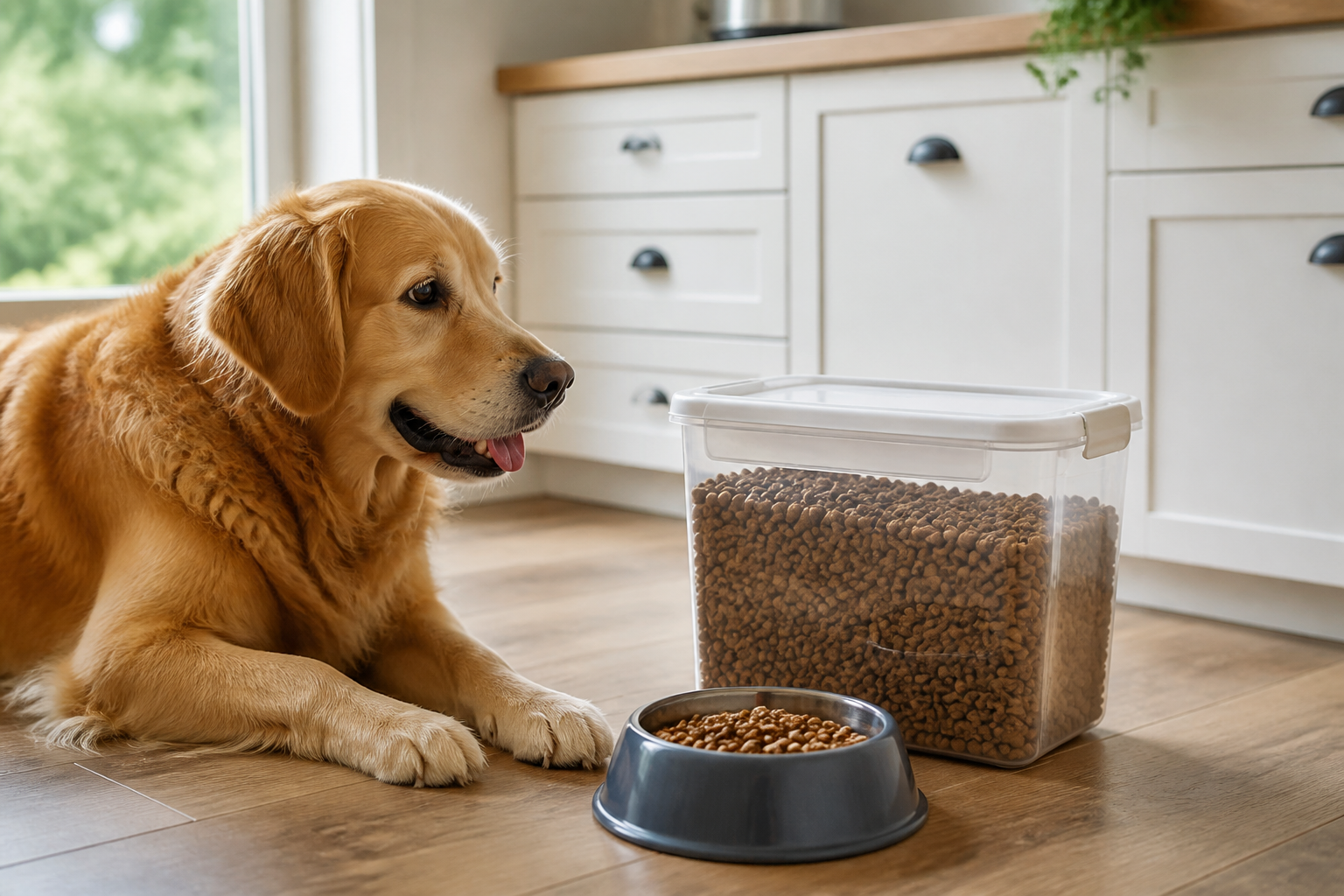
You probably know the feeling of reaching for a bag of kibble and wondering how long it has been sitting in the pantry. Maybe you bought a massive bag to save money, or perhaps your small dog takes months to finish a standard size. While dry food looks like it should last forever, the clock starts ticking the moment you break that factory seal. At BaxterBoo, we talk to pet owners every day who want to ensure their dogs are getting the freshest nutrition possible. This article covers the safety window for opened kibble, how to store it to prevent spoilage, and the warning signs that it is time to toss the bag. Proper storage is about more than just keeping the crunch. It is about protecting your dog from bacteria and ensuring they get the vitamins they need for a healthy life.
Quick Answer: Most dry dog food should be used within six to eight weeks of opening. While unopened bags stay fresh until the printed best by date, exposure to oxygen and humidity causes the fats to break down and the nutritional value to drop shortly after opening.
The Reality of the Six Week Window
Many pet owners assume that as long as the food is not past the best by date on the bag, it is perfectly safe to serve. This is a common misconception. That date only applies to the unopened, factory sealed package. Once you open the bag, the food is exposed to the elements. Oxygen, moisture, and heat immediately begin to change the chemical composition of the kibble.
Most experts recommend finishing a bag of dry dog food within six weeks. Some high quality brands with natural preservatives might even suggest a tighter window of four weeks. If your dog is still working on the same bag after two months, the food has likely lost a significant portion of its nutritional value. The fats may also be starting to go rancid.
Rancidification is a chemical process where fats and oils oxidize. This does more than just make the food smell bad. It can lead to the production of harmful compounds that irritate the digestive tract. If your dog suddenly refuses a food they normally love, they might be smelling those "off" oils before you do.
Key Takeaway: The best by date on the bag is for unopened food only. Plan to use any opened bag within 45 days for peak safety and nutrition.
Why the Original Bag Matters
One of the most frequent storage mistakes is pouring kibble directly into a plastic bin. It seems organized and tidy, but it can actually speed up spoilage. Most premium dog food bags are engineered with specialized liners. These liners are designed to keep fats in and oxygen out.
When you pour food into a plastic container, the oils from the kibble begin to soak into the plastic walls over time. These oils eventually turn rancid. Even if you wash the bin, the porous nature of many plastics can trap these old fats. When you pour fresh food on top, the old oils can contaminate the new batch.
A better method is to keep the food inside its original bag. Roll the top down tightly to squeeze out excess air and use a heavy duty clip to seal it. You can then place the entire bag inside an airtight container. This gives you two layers of protection against pests and humidity while keeping the food against its original oil resistant liner.
Benefits of Keeping the Original Packaging
- It provides a barrier specifically designed for that food's fat content.
- You keep the lot number and expiration date in case of a product recall.
- It protects the food from absorbing the smell of the plastic container.
- The bag has the specific feeding guidelines and ingredient list handy.
Identifying Spoiled Dog Food
Your dog’s nose is much more sensitive than yours. However, humans can still spot the signs of bad food if they know what to look for. Spoilage is not always as obvious as green mold on a loaf of bread. With dry kibble, the signs are often more subtle.
The first test is the smell. Fresh kibble usually has a nutty or meaty scent. If the bag smells sour, musty, or like old paint, the fats have likely gone rancid. If you notice a metallic odor, that is another strong indicator of oxidation.
Next, look at the texture. Dry food should be crunchy and firm. If the kibble feels oily, sticky, or soft to the touch, moisture has likely gotten into the bag. Moisture is the enemy of dry food because it creates a breeding ground for mold and bacteria like Salmonella.
Common Signs of Bad Kibble
- A sour or "off" odor that was not there when you first opened the bag.
- Visible mold, which may look like white fuzz or dark spots.
- The presence of grain mites or small moths.
- Your dog turns their nose up at the bowl or walks away after one sniff.
- The kibble feels damp or crumbles into dust easily.
Vet Tip: If your dog accidentally eats spoiled food and develops vomiting or diarrhea, consult your veterinarian immediately. For dogs with chronic digestive issues or those needing prescription diets like Farmina Vet Life, our pet pharmacy offers FDA-approved options through our partnership with Pet's Choice.
The Role of Temperature and Humidity
Where you store the food is just as important as how you store it. Many people keep large bags of dog food in the garage or a laundry room. These are often the worst places for pet food storage. Garages are subject to extreme temperature swings. Heat is one of the fastest ways to turn fats rancid and destroy vitamins.
Laundry rooms and basements are often too humid. High humidity can introduce moisture into the bag every time you open it to scoop a meal. This moisture gets trapped inside when you seal the bag back up, leading to mold growth that you might not see until it is too late.
The ideal storage spot is a cool, dry place that stays below 80 degrees Fahrenheit. A kitchen pantry or a dedicated closet inside the climate controlled part of your home is the best choice. This environment keeps the temperature stable and the humidity low, which preserves the integrity of the food for the full six week window.
Health Risks of Expired or Stale Food
Feeding old food is not just about a bad taste. There are real health risks involved. As dry food ages, the vitamins begin to break down. This means your dog might not be getting the complete and balanced nutrition promised on the label. Over time, this can lead to deficiencies that affect their coat, energy levels, and immune system.
There is also the risk of contamination. Open bags of food are a magnet for pests. Storage mites are tiny insects that thrive in dry food. Some dogs develop intense skin allergies specifically to these mites. If your dog starts itching more than usual after you get to the bottom of a large bag, storage mites could be the culprit.
Bacterial growth is another concern. Salmonella and E. coli can grow in bags that have been exposed to moisture. These bacteria can make your dog seriously ill and can even pose a risk to the humans in the house who handle the food.
Bottom line: Feeding stale food can lead to nutritional deficiencies, allergic reactions to mites, or serious bacterial infections.
Strategies for Buying and Storing
The best way to ensure freshness is to buy only what your dog can eat in a reasonable timeframe. It is tempting to buy the 40 pound bag because it is cheaper per pound. However, if you have a 10 pound dog, that bag might last four months. By the third month, the food is no longer a high quality meal.
Step 1: Calculate your dog's monthly consumption. / Look at the feeding chart on your bag of food. Multiply the daily amount by 30 to see how many pounds you need per month.
Step 2: Choose the bag size that fits. / Buy a bag that is closest to that monthly total. It is better to buy two small bags than one giant bag that goes stale.
Step 3: Check the bag for damage. / Before you leave the store or accept a delivery, ensure there are no small tears or punctures in the packaging.
Step 4: Label the bag. / Use a permanent marker to write the date you opened the bag right on the front. This takes the guesswork out of knowing when it is time to buy more.
Step 5: Clean your supplies. / Every time you finish a bag, wash your scoop and the outer storage bin with hot, soapy water. Dry them completely before starting a new bag.
For portion planning, our guide to how much dry food to feed a dog can help you estimate how much your dog needs each month.
Prescription Diets and Specialized Needs
Some dogs require prescription diets for health conditions like kidney disease, urinary issues, or severe allergies. Brands like Royal Canin and Farmina Vet Life offer these specialized formulas. Because these foods often use specific types of fats or limited ingredients, keeping them fresh is even more critical.
Our pharmacy at BaxterBoo provides access to these prescription diets through our Pet's Choice partnership. If your vet has prescribed a specific dry food, you should treat it with the same storage care as any medication. These formulas are often more expensive, and wasting half a bag due to poor storage can be a significant loss.
If your dog is on a prescription diet, they are already managing a health concern. Their immune system may be more sensitive to the bacteria or rancid fats found in old food. Always seal these bags tightly and consider using a smaller airtight container to hold just a few days' worth of food at a time. This limits how often the main bag is exposed to the air.
You can also compare our selection of Royal Canin products when looking for specialized formulas.
Maximizing Value Without Sacrificing Freshness
We know that pet care costs can add up. You do not have to choose between saving money and feeding fresh food. Instead of buying oversized bags that go bad, look for programs that reward regular purchases of smaller bags.
At BaxterBoo, we offer an Autoship programme that allows you to schedule deliveries exactly when you need them. If you know your dog finishes a 12 pound bag every five weeks, you can set your delivery for every 35 days. This ensures you always have a fresh bag arriving just as the old one is losing its peak nutrition.
You can also join the MVP Rewards program. This allows you to earn points on every purchase, which can be used for future savings. This makes buying the appropriately sized bags more affordable over the long run. Many of the premium brands we carry also participate in Frequent Buyer Programs, where you can earn free bags after a certain number of purchases.
For another perspective on choosing manageable quantities, read tips for keeping dry dog food fresh.
Key Takeaway: Using Autoship and rewards programs helps you keep fresh food in the house without the waste of buying bulk bags that spoil.
Conclusion
Feeding your dog dry food is convenient and nutritious, but only if that food stays fresh. Once a bag is opened, you have a roughly six week window before the quality drops and safety risks increase. By keeping the food in its original bag, sealing it tightly, and storing it in a cool, dry place, you protect your dog from rancid fats and harmful bacteria. We want to help you make the best choices for your pet's health and your budget. The most effective way to manage your dog's food supply is to buy smaller quantities more frequently. Consider setting up an Autoship schedule to ensure your dog always has a fresh, nutritious meal waiting for them without the worry of spoilage.
FAQ
Can I still feed my dog food that is past the best by date if it looks okay?
The best by date is a manufacturer's estimate of when the food will no longer provide the guaranteed level of nutrition. While it might not be immediately toxic the day after that date, the vitamins and minerals have likely degraded. It is generally safer to discard food that is past its date to ensure your dog gets the nutrients they need.
Is it okay to mix the last bit of an old bag into a new bag?
It is best to avoid mixing old and new food. If the old food has started to oxidize or contains storage mites, you will contaminate the fresh batch immediately. Finish the old bag completely, wash the storage container and scoop, and then start the new bag.
Why does my dog's food feel greasy on the outside of the kibble?
A greasy or oily feel can be a sign that the fats in the food are migrating to the surface and beginning to oxidize. This often happens if the food is stored in a warm environment. If the greasy texture is accompanied by a sour smell, the food has likely gone rancid and should be thrown away.
Should I store my dog's dry food in the refrigerator to keep it fresh longer?
While the fridge is cool, it is also a high humidity environment. Every time you take the bag out and open it, condensation can form inside the bag. This added moisture significantly increases the risk of mold growth. A cool, dark pantry is a much better storage location for dry kibble than the refrigerator.






