
 Save 15% on your 1st Autoship learn more

 Email us
 Live Chat
 FAQs
FAQs





Introduction
You might be standing in your kitchen right now, looking at a bowl of hard kibble and a dog who is hesitating to eat. Perhaps you have a new puppy with tiny, sensitive teeth. Maybe you have a senior companion who has lost interest in the crunch of dry food. At BaxterBoo, we talk to pet owners every day who are looking for simple ways to make mealtime more comfortable and appetizing. Softening dry dog food is one of the easiest ways to help your dog stay hydrated and well fed. This post covers exactly how long you need to wait for kibble to soften, the best methods for different life stages, and how to do it safely. If you’re still choosing a formula, our dog food category is a great place to start. Our goal is to give you the practical steps you need to keep your dog happy at every meal.
The Quick Answer for Busy Pet Owners
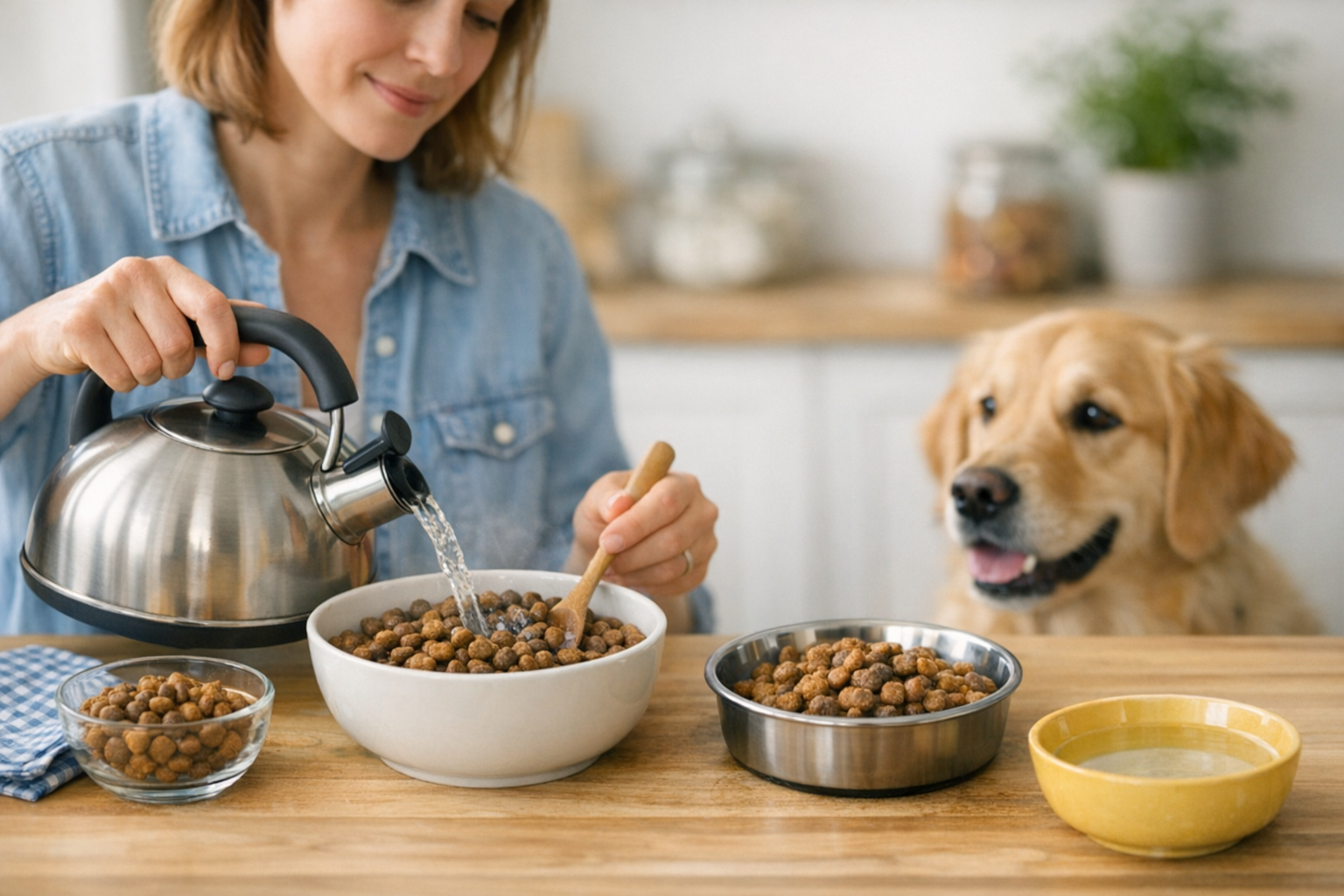
The time it takes to soften kibble depends mostly on the temperature of the liquid you use. Most dog owners find that 10 to 20 minutes is the ideal window for traditional kibble. If you use warm water, the outer layers of the food begin to break down within a few minutes. For the moisture to reach the very center of a dense nugget, you should wait the full 15 minutes. This results in a texture that is soft on the outside but still holds its shape.
If your goal is to create a mush or a paste, you will need to wait longer. This is common for puppies who are just beginning to eat solid food. For these tiny eaters, a 30 minute soak is often required. The density of the food also plays a role. Grain-free recipes or high-protein foods are often harder and more compact. These might need an extra five minutes compared to air-puffed or lighter kibble options.
Quick Answer: It generally takes 10 to 20 minutes to soften dry dog food using warm water. If you use cold water, the process can take 30 to 60 minutes. Dense or large-breed kibble may require more time to reach a soft consistency.
Why You Should Consider Soaking Your Dog's Food
Soaking food is about more than just making it easier to chew. It provides several functional benefits that can improve your dog's quality of life. Many dogs do not drink enough water throughout the day. This is especially true for active dogs or those living in dry climates. By adding water directly to their food, you ensure they get a hydration boost with every meal. This supports healthy kidney function and helps maintain a shiny coat.
Another major benefit is the release of aroma and flavor. Dogs experience the world through their noses. Dry kibble straight from the bag does not have a very strong scent. When you add warm liquid, it releases the fats and oils trapped in the nuggets. This makes the food much more appealing to picky eaters or senior dogs whose sense of smell may be fading. If you want to compare softer meal options, our dog treats category is another useful stop for picky eaters and reward-based feeding.
Key Takeaway: Adding liquid to kibble enhances the smell and taste of the food while providing essential hydration that supports organ health and digestion.
Factors That Influence Soaking Time
Not every bag of food reacts the same way when it gets wet. You might notice that one brand turns to mush in ten minutes while another stays firm. Several factors change how fast the liquid is absorbed.
Kibble Size and Density
Smaller kibble pieces have more surface area. This allows water to penetrate the core much faster. Small breed formulas usually soften in five to ten minutes. Large breed kibble consists of much bigger pieces. These require more time for the moisture to travel to the center. If you are feeding a large dog, plan for at least 20 minutes.
Water Temperature
Temperature is the most important factor. Warm water moves faster on a molecular level and breaks down the starches in the food quickly. Cold water takes much longer. If you are in a rush, warm water is always the better choice. However, you must never use boiling water. Boiling water can destroy sensitive vitamins and probiotics added to the food during the manufacturing process. Aim for a temperature that is comfortable to the touch.
Ingredient Composition
Foods with a high fiber content or many whole grains tend to absorb water differently than grain-free options. Some high-end brands use a "cold-pressed" or "baked" method rather than extrusion. Baked foods often crumble more easily when wet. Extruded kibble, which is the most common type, acts more like a sponge and holds its shape longer. If your dog needs a prescription formula, our pharmacy for dogs can be a helpful next step.
A Step-by-Step Guide to Softening Kibble
Consistency is key when you are changing how your dog eats. Following the same steps every day helps your dog know what to expect and prevents digestive upset.
Step 1: Measure the portion. / Always start with the amount recommended by your vet or the food packaging. Use a standard measuring cup to ensure accuracy.
Step 2: Choose your liquid. / While water is the most common choice, you can also use low-sodium bone broth or goat's milk. Ensure any broth you use is free from onions and garlic.
Step 3: Use a 1:1 ratio. / A good starting point is one cup of liquid for every one cup of dry food. You can adjust this later if your dog prefers a soupier or thicker consistency.
Step 4: Cover and wait. / Place a small plate over the bowl to trap the heat. This speeds up the softening process and keeps the aroma contained. Let it sit for 15 to 20 minutes.
Step 5: Test and stir. / Use a fork to check the texture. If it is soft enough for your dog, give it a quick stir to distribute the moisture and any "gravy" that has formed.
Vet Tip: If you are softening food because your dog has a health condition or dental pain, consult your veterinarian first. They can help you determine if a prescription diet from our pharmacy is a better long-term solution.
Softening Food for Puppies
Puppies go through a massive transition between three and eight weeks of age. They move from their mother's milk to solid food. This is called weaning. During this time, their deciduous teeth are still coming in. Hard kibble can be painful for them to crunch.
For puppies under eight weeks, you want a "gruel" consistency. This means soaking the food for at least 30 minutes and then mashing it with a fork. It should look like thick oatmeal. As they get older, you can gradually decrease the soaking time and the amount of water. Most puppies can transition to completely dry food by 12 weeks of age. However, there is no harm in continuing to add water if your puppy enjoys it. If you want a deeper look at this stage, our weaning timeline for puppies covers the transition in more detail.
Benefits for Senior Dogs and Dental Health
As dogs age, they often face dental challenges. Gum disease, missing teeth, or jaw sensitivity can make eating hard kibble a chore. When a dog is in pain, they might start eating less or skipping meals entirely. This leads to weight loss and muscle wasting.
Softening the food removes the barrier of pain. It allows senior dogs to get the nutrition they need without the physical struggle of chewing. We carry several senior-specific brands like Farmina and Royal Canin that are formulated for these later years. If you want to support oral comfort alongside diet changes, our dog dental care category is worth exploring. If your senior dog is struggling with mobility or chronic conditions alongside dental issues, our pharmacy provides access to FDA-approved medications through our partnership with Pet's Choice. This can help manage the underlying causes of their discomfort while you manage their diet at home.
Note: Softened food does not provide the same mechanical scraping action on the teeth as dry kibble. You should supplement with dental chews or regular brushing to maintain oral hygiene.
The Role of Satiety and Weight Management
Many dogs act like they are starving even after a full meal. This is often because dry food is very nutrient-dense but low in volume. It does not take up much space in the stomach. When you soak dry food, it can double in size.
This expansion happens in the bowl rather than in the dog's stomach. Feeding soaked food helps your dog feel full faster and stay full longer. This is a great strategy for dogs on a weight loss plan. It allows them to feel like they are getting a large, satisfying meal while staying within their calorie limits. If your dog is on a prescription weight management plan, you can still soak their kibble. Brands like Farmina Vet Life offer specialized formulas that respond well to hydration.
Safety and Storage Rules
Once you add water to dry food, you have changed its shelf life. Dry kibble is shelf-stable because it has very low moisture. Adding water creates a perfect environment for bacteria to grow.
The One-Hour Rule
You should never leave soaked food out at room temperature for more than an hour. If your dog does not finish their meal within 30 to 60 minutes, you must throw the leftovers away. Bacterial growth can happen quickly, especially in warm weather. This can lead to upset stomachs or more serious foodborne illnesses.
Fridge Storage
If you like to prep meals in advance, you can soak the food in the refrigerator. Place the kibble and water in a sealed container and keep it in the fridge for up to 24 hours. Do not keep it any longer than that. When you are ready to feed, you can let it sit on the counter for a few minutes to take the chill off, as many dogs dislike cold food.
Cleaning the Bowl
Wet food leaves behind a sticky residue that dry food does not. This residue can harbor bacteria and even lead to "chin acne" in some dogs. You must wash your dog's bowl with hot, soapy water after every meal involving soaked food. This keeps their eating area sanitary and prevents skin irritations. For easier cleanup, our dog bowls selection includes plenty of practical feeding options.
Bottom line: Treat soaked kibble like wet canned food. Keep it refrigerated, throw out leftovers after an hour, and wash the bowl after every use.
Using Broths and Toppers
If your dog is bored with plain water, there are many ways to add excitement to their bowl. Low-sodium broths are a popular choice. At BaxterBoo, we recommend products specifically made for pets, like those from Caru or The Honest Kitchen. Human broths often contain high levels of salt, onions, or garlic, which can be toxic to dogs. To compare more meal-enhancing options, our dog food toppers and mixers can help you think through the best liquid add-ins.
Bone Broth
Bone broth is rich in collagen and minerals. It is especially beneficial for senior dogs who need extra joint support. It adds a deep, savory flavor that most dogs cannot resist. You can buy pre-made pet broths or make your own by simmering beef or chicken bones without any added seasonings.
Goat's Milk
Raw goat's milk is often called a "universal milk" because it is highly digestible for most mammals. It is loaded with probiotics that support gut health. Adding a splash of goat's milk to kibble is a great way to soften the food while giving your dog's immune system a boost. This is a favorite for puppies and dogs with sensitive stomachs.
Wet Food Mix-ins
You can also soften kibble by mixing it with wet canned food. This provides a variety of textures and flavors. When mixing, remember to adjust the portions of both. If you give half a portion of wet food, you should give half a portion of dry food to avoid overfeeding.
Common Myths About Soaking Dog Food
There are several misconceptions about adding water to kibble. Understanding the facts helps you make better decisions for your pet.
Myth 1: It Causes Bloat
Some owners worry that soaked food causes the stomach to expand too much, leading to bloat. Actually, kibble expands whether it is in the bowl or in the stomach. By soaking it beforehand, you ensure the expansion happens before the dog eats it. This may actually help prevent the discomfort associated with dry food expanding rapidly inside the digestive tract. However, if you have a deep-chested breed prone to bloat, always follow your vet's specific feeding advice.
Myth 2: It Ruins the Nutrition
Water does not destroy the nutrients in dog food. As long as you use warm water rather than boiling water, the vitamins and minerals remain intact. The dog still gets the same caloric value and nutrient profile. In fact, some nutrients may be easier for the body to absorb when the food is already broken down by moisture.
Myth 3: Dogs Only Like Crunchy Food
While some dogs enjoy the texture of dry food, many actually prefer the softer, "smellier" version created by soaking. In the wild, canines eat a diet that is naturally high in moisture. Softening the food aligns more closely with their biological needs and preferences.
When to Consult Your Veterinarian
While softening food is a great home remedy for many issues, it is not a cure for underlying health problems. If you notice a sudden change in your dog's appetite, it is time for a checkup.
- Sudden Refusal to Eat: If your dog usually loves their food and suddenly stops eating, they may have an infection or an obstruction.
- Difficulty Swallowing: If your dog is dropping food or seems to be struggling to swallow even softened kibble, there could be a physical issue in their throat or mouth.
- Significant Weight Loss: Even if your dog is eating their softened food, unexplained weight loss is a red flag for many systemic issues.
Our partnership with Pet's Choice allows you to easily fill prescriptions for dental health, digestive support, or chronic pain. If your vet determines that your dog needs a specific medication or a prescription diet like Farmina Vet Life, our pharmacy is here to help.
Summary of Soaking Times
| Method | Estimated Time | Best For |
|---|---|---|
| Warm Water | 10-15 Minutes | Most adult dogs |
| Cold Water | 30-60 Minutes | When you have time to prep |
| Bone Broth (Warm) | 10-15 Minutes | Picky eaters / Seniors |
| Puppy Gruel | 30 Minutes + Mash | Weaning puppies |
| Large Breed Kibble | 20-25 Minutes | Big, dense nuggets |
How BaxterBoo Can Help
Managing your dog's diet is a lifelong commitment. We want to make that process as simple and affordable as possible. If you find a brand that your dog loves when it is softened, consider signing up for our Autoship programme. You will save on your first order and get a free MVP Gold membership. This ensures you never run out of food and earn rewards on every purchase.
Our team at BaxterBoo carefully selects every brand we carry, from premium kibble like Open Farm and Acana to specialized toppers and broths. If you want extra value on regular purchases, the MVP Rewards programme is another easy way to keep savings going. We know that every dog is different, and we are here to provide the products and guidance you need to keep them healthy.
Key Takeaway: Softening dry dog food is a simple, effective way to improve hydration, enhance flavor, and help dogs with dental issues. It only takes about 15 minutes of your time but can significantly improve your dog's mealtime experience.
Conclusion
Softening dry dog food is a practical solution for many common feeding challenges. Whether you are helping a puppy transition to solids or making life easier for a senior dog, those 15 minutes of soaking time can make a world of difference. Remember to use warm water, maintain good hygiene, and watch your dog for any changes in their eating habits. If you need specific supplies like low-sodium broths, goat's milk, or a new bowl that is easier for a senior dog to use, we have everything you need in our warehouse.
- Use warm water for the fastest and safest results.
- Never leave soaked food out for more than an hour.
- Consult your vet for any sudden changes in appetite or dental health.
Take the first step toward a more hydrated pet by exploring our selection of premium dog foods and toppers. If your pet needs specialized care, remember that our pharmacy is a trusted resource for prescription diets and medications.
FAQ
Can I soak dry dog food overnight?
You can soak dry dog food overnight, but only if it is kept in the refrigerator. Leaving moistened food on the counter for more than an hour is unsafe because bacteria grow quickly in wet kibble. Refrigerated food should be used within 24 hours to ensure it stays fresh and safe for your dog.
Does soaking dog food help prevent bloat?
Many experts believe that soaking food can help prevent bloat by ensuring the kibble expands in the bowl rather than in the dog's stomach. It also encourages slower eating, which can reduce the amount of air a dog swallows. However, bloat is a complex condition, so you should talk to your vet about a complete prevention plan for high-risk breeds.
Can I use a microwave to soften dog food faster?
You can use a microwave to warm the water or broth before adding it to the kibble, but avoid microwaving the food and water together. Microwaves can create "hot spots" that might burn your dog's mouth. If you do use a microwave, always stir the food thoroughly and test the temperature with your finger before serving.
What should I do if my dog won't eat the softened food?
If your dog dislikes the mushy texture, try reducing the soaking time so the food stays slightly crunchy. You can also try using a flavorful topper like bone broth or a small amount of canned food to make the meal more enticing. If your dog continues to refuse food, consult your veterinarian to rule out any dental pain or underlying health issues.






