
 Save 15% on your 1st Autoship learn more

 Email us
 Live Chat
 FAQs
FAQs





Introduction
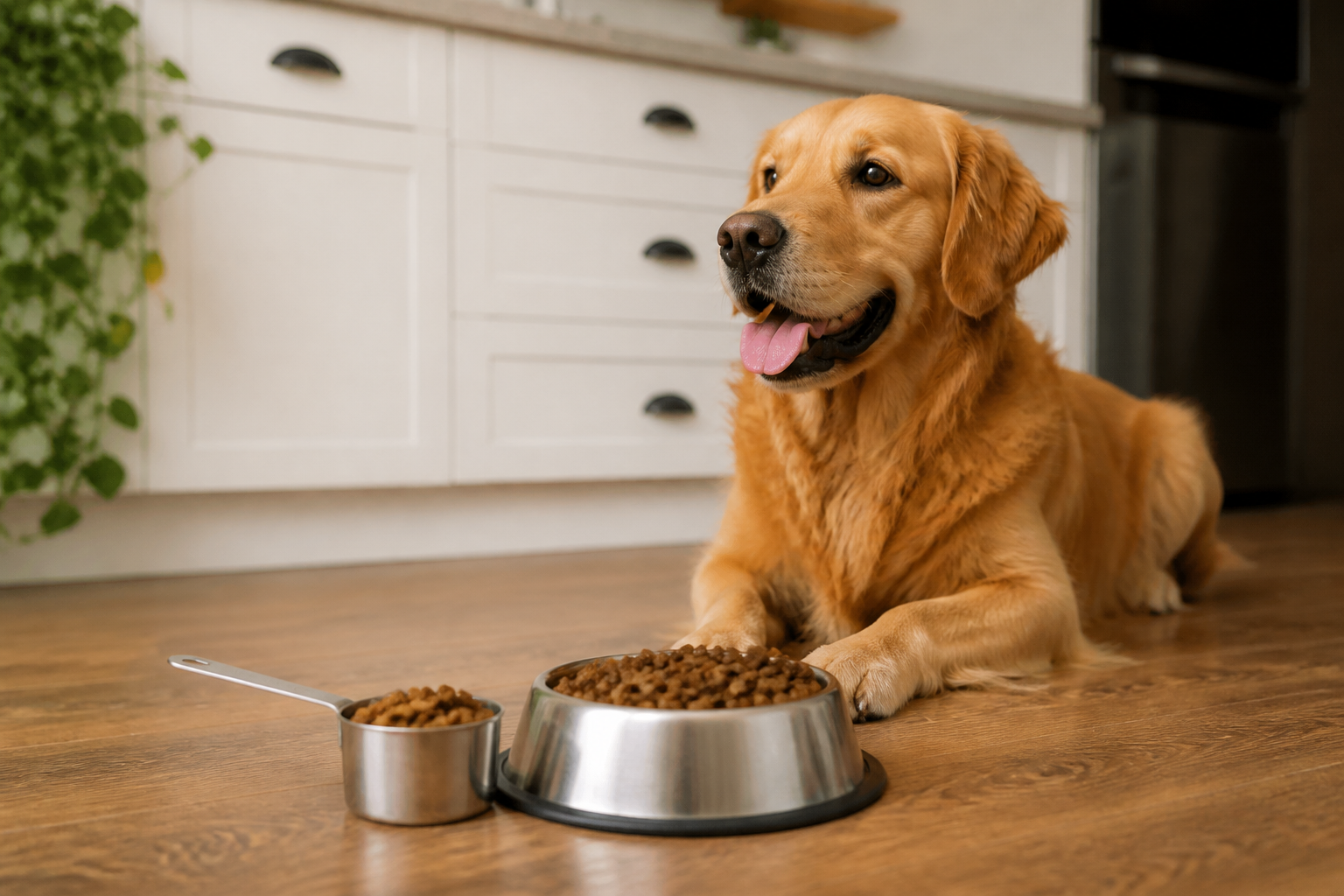
You stand in your kitchen with a plastic scoop in one hand and a hungry dog at your feet. You know that maintaining a healthy weight is vital for your pet, but the instructions on the bag are often vague. Many owners wonder exactly how many calories are in a cup of dry dog food because "one cup" can mean different things depending on the brand or the tool you use. At BaxterBoo, we see this confusion often and want to help you master the art of the mealtime scoop. This guide explains how caloric density varies across different formulas and how to accurately measure your dog’s intake. You will learn to read labels effectively and adjust portions for your dog’s specific life stage. Understanding calorie counts is the first step toward preventing pet obesity and ensuring your dog lives a long, active life.
Quick Answer: Most standard dry dog foods contain between 300 and 450 calories per cup. However, high-protein or puppy formulas can exceed 500 calories, while weight-management diets may fall below 300 calories.
The Variability of Calorie Counts in Dry Food
Not all kibble is created equal. One cup of a high-performance formula for working dogs will have significantly more energy than a cup of food designed for a sedentary senior. The ingredients used in the recipe determine this energy density. Fats contain more than twice the calories of proteins or carbohydrates. Therefore, a food that is higher in fat will naturally have a higher calorie count per cup.
Fiber also plays a large role in density. Foods designed for weight loss often include more fiber to help your dog feel full without adding extra calories. This is why a cup of weight-management food might look just as large as a cup of standard food but provide much less energy. When you switch brands or even change varieties within the same brand, you must check the label. You cannot assume that the portion size should stay the same. Explore our dog food category when comparing formulas with different calorie densities.
The moisture content in dry food is typically around 10 percent. This low moisture level makes dry food very calorie-dense compared to wet food. In fact, dry dog food usually contains about four times as many calories per ounce as canned food. This is because canned food is mostly water, which has no calories. If you are mixing dry and wet food, you must account for this massive difference in energy levels to avoid overfeeding.
Understanding the Kilocalorie (kcal)
When you look at a pet food label, you will see the term "kcal." In the world of pet nutrition, a kilocalorie is exactly what we commonly call a "calorie" in human nutrition. The terms are used interchangeably by most manufacturers and veterinarians. You might see a label that says 350 kcal per cup. This simply means the food provides 350 calories of usable energy for your dog.
The Association of American Feed Control Officials (AAFCO) requires manufacturers to list calorie content. It is usually found near the guaranteed analysis section on the bag. It is expressed in two ways: kcal/kg and kcal/cup. The kcal/kg measurement is the most accurate because it is based on weight. The kcal/cup measurement is an estimate based on volume, which can be less precise.
Key Takeaway: Always look for the kcal per cup measurement on the back of the bag to determine the specific energy density of your dog's current diet.
Why the Scoop Matters
Many pet owners use a random coffee mug or a large plastic cup to serve meals. This is one of the most common causes of accidental overfeeding. A standard "cup" in pet nutrition refers to a level eight-ounce measuring cup. If your mug holds twelve ounces, you are feeding 50 percent more than you realize. Over time, those extra calories lead to significant weight gain.
Even when using a real measuring cup, the way you scoop can change the amount. Dipping a cup into a bag of small kibble might pack the pieces together. Using a cup for large-breed kibble often leaves big air gaps between the pieces. This means a cup of small kibble might actually weigh more than a cup of large kibble. For the most consistent results, many experts recommend using a digital scale.
How to Measure Accurately
Step 1: Check the label. Find the kcal per cup and the recommended weight in grams or ounces if listed. Step 2: Use a standard dry-measuring cup. Level off the top with a flat edge instead of leaving a rounded heap. Step 3: Weigh the portion. If you have a kitchen scale, weigh a level cup once to see how many ounces it actually is. Step 4: Mark your scoop. If you use a specific scoop, draw a line on it with a permanent marker to show the exact fill level.
Factors That Change Your Dog’s Caloric Needs
Every dog is an individual. A feeding chart on a bag is only a starting point. It provides an average for a moderately active dog. Your dog might need 25 percent more or less than the suggested amount. Several biological and lifestyle factors influence how much energy your dog burns throughout the day. For another portioning perspective, read how much dry food to feed a dog for daily health.
Age and Growth
Puppies are growing rapidly and require a massive amount of energy. Their food is formulated to be very calorie-dense to support bone and muscle development. As dogs age, their metabolism slows down. Senior dogs are often less active and burn fewer calories. If you continue to feed a senior dog the same amount you fed them as a young adult, they will likely become overweight.
Activity Level
A dog that walks three miles a day has different needs than a dog that spends most of the day on the sofa. Working dogs, such as herding breeds or hunting dogs, may need double the calories of a typical house pet. If your activity level changes with the seasons, your dog’s food portion should change too. Many owners feed a little more in the active summer months and less during the cold winter.
Spaying and Neutering
The hormonal changes that occur after a dog is spayed or neutered can lower their metabolic rate. This means they require fewer calories to maintain their weight than an unaltered dog. Many veterinarians recommend reducing food intake by about 10 to 20 percent after these procedures. It is important to monitor your dog's body condition closely in the months following surgery.
Vet Tip: Use a Body Condition Score (BCS) chart to evaluate your dog. You should be able to feel their ribs easily but not see them, and they should have a visible waist when viewed from above.
Estimating Daily Calorie Requirements
While every dog is different, there are general ranges based on weight. These estimates are for healthy, indoor adult dogs with moderate activity.
| Dog Weight (lbs) | Estimated Daily Calories (kcal) |
|---|---|
| 10 lbs | 200 – 275 kcal |
| 20 lbs | 325 – 400 kcal |
| 50 lbs | 700 – 900 kcal |
| 70 lbs | 900 – 1,050 kcal |
| 90 lbs | 1,100 – 1,350 kcal |
If your dog's food has 400 calories per cup, a 20-pound dog would need about one cup per day. This is usually split into two half-cup meals. Always remember to include treats in this total. Treats should never make up more than 10 percent of your dog’s daily calorie intake. If you give a large biscuit, you must take away a little bit of kibble from their dinner.
Reading the Label Like a Pro
The AAFCO statement and the guaranteed analysis tell you the quality of the food. But the calorie statement tells you the quantity. Look for "Metabolizable Energy" or ME on the packaging. This is the energy that your dog’s body can actually use after digestion.
Some brands we carry, like NutriSource or Farmina, provide very detailed calorie breakdowns. They may even list how many calories come from protein, fat, and carbohydrates. This is helpful for dogs with specific health needs. For example, a dog with pancreatitis might need a low-fat diet where fewer calories come from fat sources.
When to Consult a Professional
If you notice your dog is gaining weight despite following the bag's instructions, it is time to talk to your vet. They can calculate a precise "Resting Energy Requirement" (RER) for your dog. This is the number of calories your dog needs just to perform basic functions like breathing and digestion. From there, they can determine the total daily energy requirement.
Sometimes weight gain is not about food volume. It can be a sign of underlying health issues like hypothyroidism or Cushing’s disease. A vet can run blood tests to rule these out. They may also suggest a prescription weight-management diet. These diets are carefully balanced to ensure your dog gets all necessary vitamins while eating fewer calories.
Our pharmacy at BaxterBoo offers FDA-approved prescription pet foods and medications through our partnership with Pet's Choice. If your veterinarian prescribes a specific diet like Farmina Vet Life for weight management, you can easily manage those needs through our pet pharmacy. Prescription diets are often the safest way to help an obese dog lose weight because they prevent nutritional deficiencies that can happen when you simply cut back on standard food.
Transitioning to a New Calorie Count
When you switch dog foods, you are almost always switching calorie counts. If your old food was 350 kcal per cup and your new food is 450 kcal per cup, you must feed less of the new food. Failure to adjust the volume is a primary reason dogs gain weight after a brand change.
Step 1: Compare the kcal per cup of both foods. Step 2: Calculate the difference. If the new food is 20 percent more calorie-dense, reduce the volume by 20 percent. Step 3: Mix the foods over seven days. Start with 25 percent new food and 75 percent old food. Step 4: Monitor your dog’s weight weekly for the first month. Adjust the portion up or down based on any weight changes.
For additional guidance during dietary changes, see how much dry dog food to feed a 15-pound dog.
Quality versus Quantity
It is tempting to focus only on the number of calories, but the source of those calories matters. A high-quality food uses bioavailable ingredients that your dog can easily digest. This means less waste and more energy for your pet. Brands like Orijen or Stella and Chewy's focus on nutrient density. While these foods might have a higher calorie count per cup, the quality of the nutrition is superior to many budget brands.
We prioritize expertly curated products at BaxterBoo. We select brands that provide transparent labeling so you always know what is in your dog's bowl. Whether you are looking for a high-energy performance diet or a low-calorie senior formula, we carry over 500 trusted brands to meet those specific needs.
Bottom line: Calorie density determines how much you should put in the bowl, but ingredient quality determines how your dog feels after eating it.
The Role of Treats and Toppers
Many owners forget that a "cup" of food is not the only thing a dog eats in a day. A single tablespoon of peanut butter can contain nearly 100 calories. For a small dog, that could be half of their daily requirement. If you use training treats, look for "tiny" or "mini" versions that are only one or two calories each.
Food toppers are also popular for picky eaters. If you add a scoop of freeze-dried raw food or a splash of bone broth, check the calorie count. These additions can quickly turn a balanced meal into an oversized one. Always deduct the topper calories from the main kibble portion to keep the total daily intake stable. Browse our dog food toppers when considering meal additions.
Monitoring Progress at Home
You do not need a vet visit to track your dog's weight. Many owners find it helpful to weigh themselves on a bathroom scale, then pick up the dog and weigh themselves again. The difference is the dog's weight. Keeping a simple log can help you spot trends before they become problems.
If you can see your dog's ribs, they are likely underweight. If you cannot feel the ribs at all under a layer of fat, they are overweight. A healthy dog should have a "tucked" waist when you look at them from the side. Regular monitoring allows you to make small adjustments to the food scoop rather than drastic changes later on.
Healthy Habits for Mealtime
Consistency is key to managing calories. Feed your dog at the same times every day. This helps regulate their digestion and prevents them from begging between meals. If you have multiple pets, feed them in separate rooms. This prevents "food stealing" and ensures each dog gets exactly the number of calories they need.
Using enrichment toys like a Kong or a slow-feeder bowl can also help. These tools make the meal last longer. When a dog eats slowly, they have more time to feel full. This can be especially helpful for dogs that are on a calorie-restricted diet and seem constantly hungry.
Summary of Calorie Management
Managing your dog's weight does not have to be a guessing game. By focusing on the specific calorie count of your chosen dry food and using a consistent measurement tool, you can take control of their health. Remember that life changes like aging or decreased activity require adjustments in the bowl.
- Always use a standard eight-ounce measuring cup or a digital scale.
- Check the kcal per cup on every new bag of food.
- Account for all treats and toppers in the daily calorie total.
- Monitor your dog's body condition score monthly.
- Consult your vet for a precise calorie plan if your dog is struggling with weight.
At BaxterBoo, we have been helping pet owners navigate these choices since 2006. Our selection of premium foods and our dedicated pharmacy are here to support your dog through every life stage. If you want to make feeding even easier, consider our Autoship programme. It ensures you never run out of your dog's favorite food and gives you the savings of an MVP Gold membership.
Key Takeaway: Precision in measuring and awareness of calorie density are the best tools you have for maintaining your dog’s ideal weight and long-term health.
FAQ
How many calories are in a cup of high-quality dry dog food?
Most high-quality dry dog foods contain between 350 and 450 calories per cup. Specialized formulas like puppy food or high-energy performance diets can reach up to 500 calories per cup. Conversely, weight-management or senior formulas usually range from 250 to 325 calories to help prevent weight gain.
How do I find the calorie count on my dog's food bag?
The calorie count is typically located near the "Guaranteed Analysis" or the "Ingredients List" on the back or side of the bag. It is usually labeled as "Calorie Content" and will show both kcal/kg and kcal/cup. If it is not on the bag, you can usually find it on the manufacturer’s website or by contacting their customer service line.
Why does my dog need different calories at different ages?
Puppies need more calories per pound of body weight because they are building bone, muscle, and tissue rapidly. Adult dogs need a stable amount of energy for maintenance and daily activity. Senior dogs usually have a slower metabolism and lower activity levels, so they require fewer calories to avoid becoming overweight.
Can I use a regular coffee mug to measure dog food?
You should avoid using a coffee mug because they are not a standardized size and can lead to significant overfeeding. A "cup" on a dog food label refers to a standard eight-ounce measuring cup used for baking. For the most accurate portioning, use a measuring cup designed for dry ingredients or weigh the food on a digital kitchen scale.
Bottom line: Understanding the specific calories in your dog's food and measuring them accurately is the simplest way to ensure a healthy, happy life for your pet.






