
 Save 15% on your 1st Autoship learn more

 Email us
 Live Chat
 FAQs
FAQs





Introduction
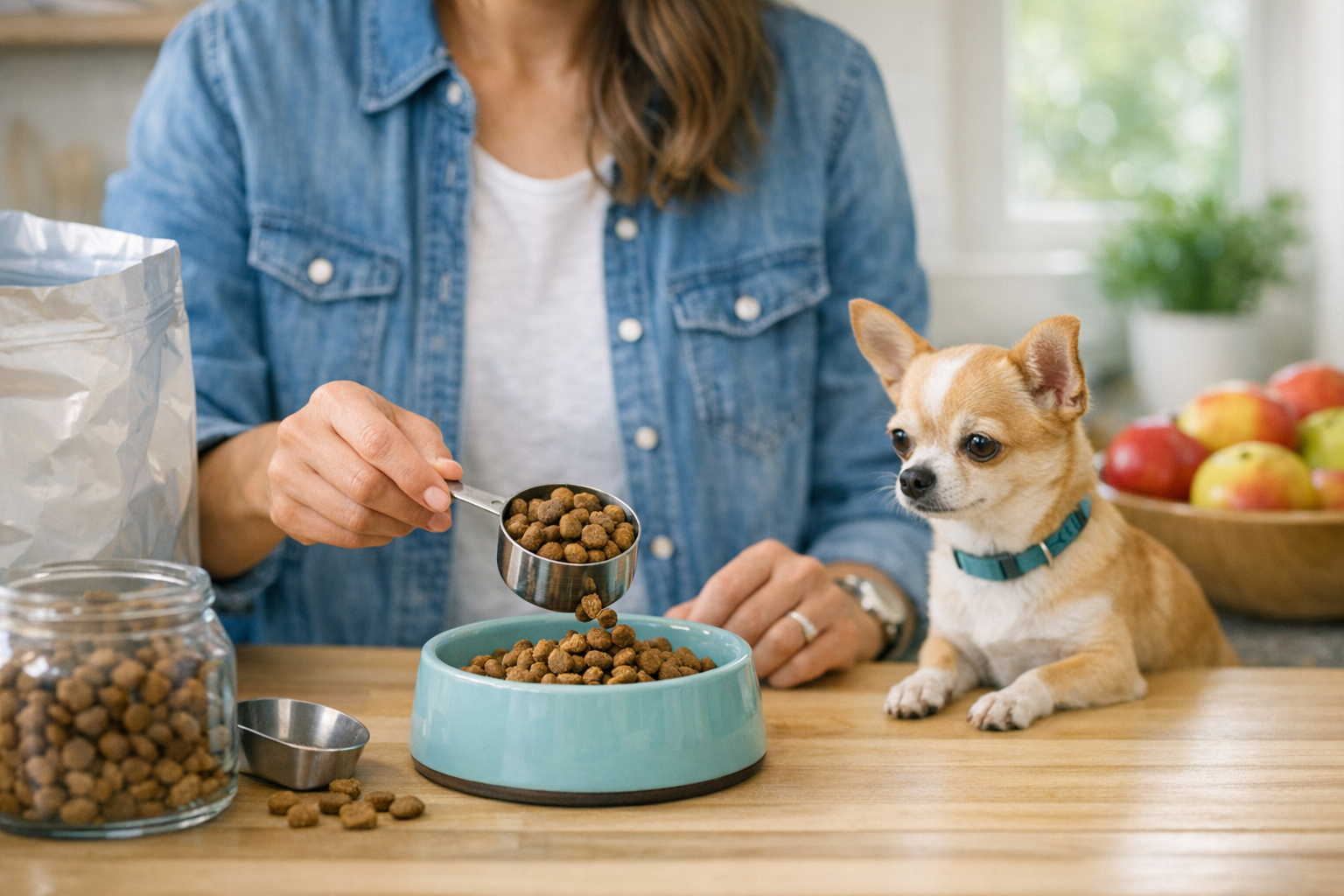
You are standing in your kitchen with a measuring scoop in one hand and a bag of premium kibble in the other. You look down at your 10 lb companion and then at the feeding chart on the packaging. The chart gives a wide range like 1/2 to 1 cup per day. That is a massive difference for such a small animal. At BaxterBoo, we know that even a few extra kibbles each day can lead to weight gain in a small breed. This guide will help you move past the vague charts and find the exact portion your dog needs. We cover caloric calculations, life stage adjustments, and the physical signs of a healthy weight. Finding the right balance ensures your pet stays active and healthy for years to come, and our dog food category makes it easy to compare options.
Quick Answer: Most 10 lb adult dogs need between 200 and 350 calories per day. This typically translates to 1/2 to 3/4 of a cup of standard dry dog food.
The Math of Calories for a 10 lb Dog
Measuring food by volume is the most common method, but it is not the most accurate. Your dog needs calories to function, not just volume. Different brands of dry food have different energy densities. A cup of high-performance kibble might have 500 calories. A weight management formula might only have 250 calories. This is why following a single "cup" measurement across different brands does not work.
Veterinarians use a baseline called the Resting Energy Requirement (RER). This is the number of calories a dog needs to perform basic functions like breathing and digestion. For a 10 lb dog, the RER is approximately 200 to 220 calories. However, your dog does more than just rest. You must adjust this number based on their daily life.
An average, neutered adult dog with moderate activity usually needs 1.6 times their RER. This brings the total to roughly 320 to 350 calories per day. If your dog is very active, that number increases. If they are older or less active, the number should decrease. We recommend starting with a conservative amount. It is much easier to add food later than it is to help a small dog lose weight.
Key Takeaway: Always check the calorie count per cup on your specific bag of food. Your dog's actual needs are based on energy, not just the physical amount of food in the bowl.
Why Small Breeds Require High Precision
Precision is vital when you have a 10 lb pet. For a 100 lb dog, an extra handful of kibble is a minor mistake. For a 10 lb dog, that same handful can represent 20 percent of their daily caloric needs. If you overfeed a small dog consistently, they will gain weight quickly.
One extra pound on a 10 lb dog is the equivalent of a 150 lb human gaining 15 lbs. This extra weight puts immediate stress on their tiny joints and heart. Small breeds are also prone to specific health issues that weight can worsen. Keeping your dog at their ideal weight is the best way to prevent long-term mobility issues.
We carry several brands that focus on small breed nutrition, such as our Royal Canin selection and our NutriSource selection. These formulas often have smaller kibble sizes. This makes it easier for a 10 lb dog to chew and digest their meal. They also tend to be more nutrient-dense to accommodate smaller stomachs.
The Problem with Portion Creep
Portion creep happens when you get a little more generous with the scoop over time. A "rounded" cup instead of a level cup adds up. To prevent this, use a standard 8-ounce measuring cup. Do not use a coffee mug or a random plastic container. Consistency is the only way to ensure your dog gets the right amount every single day.
- Use a level measuring cup for every meal.
- Weigh your dog once a month to track changes.
- Adjust portions by no more than 10 percent at a time.
- Account for every treat given throughout the day.
Factors That Change Daily Portions
Every dog is an individual. A 10 lb Terrier might have a much faster metabolism than a 10 lb Cavalier King Charles Spaniel. You must look at the dog in front of you rather than just the number on the scale.
Activity Level and Lifestyle
A dog that walks two miles every day needs more fuel than one that naps on the sofa. If you take your dog on a long hike over the weekend, you might offer a slightly larger dinner. However, most household pets are less active than we think. If your dog spends most of the day indoors, stay on the lower end of the feeding range.
Reproductive Status
Spaying or neutering changes a dog's hormonal balance. This often leads to a slightly slower metabolism. Many owners find they need to reduce food intake by 10 to 20 percent after a dog is fixed. This helps prevent the common post-surgery weight gain seen in many small breeds.
Breed and Genetics
Some breeds are known as "easy keepers." This means they gain weight very easily. Breeds like Pugs or Beagles often need strict portion control. High-energy breeds like Jack Russell Terriers might burn through calories faster. Monitor your dog's energy levels and body shape to decide if they need an adjustment.
Vet Tip: If you notice your dog is gaining weight despite following the bag's instructions, consult your veterinarian. They can rule out underlying issues like thyroid problems. They can also help you calculate a specific caloric target for weight loss.
Life Stages and Feeding Requirements
A 10 lb puppy has very different needs than a 10 lb senior dog. Their bodies are working in different ways. This means the type and amount of food must change as they age.
Feeding a Growing Puppy
Puppies are building bone, muscle, and brain tissue. They need more calories per pound than adult dogs. A 10 lb puppy may need twice as many calories as an adult of the same weight. Because their stomachs are small, they cannot eat all those calories in one sitting. You should split their daily total into three or four small meals.
We recommend brands like our The Honest Kitchen selection or our dog food guide for small dogs for growing puppies. These provide high-quality protein to support development. As the puppy nears their first birthday, you will notice their growth slowing down. This is the time to transition to adult food and reduce the total caloric intake.
Maintaining an Adult Dog
Adult dogs need a maintenance diet. The goal is to keep their weight stable and their energy levels consistent. Most adult dogs do well with two meals per day. This helps regulate blood sugar and prevents them from getting too hungry.
Supporting a Senior Dog
As dogs enter their senior years, their metabolism naturally slows. They move less and sleep more. Continuing to feed them the same amount they ate as a young adult will lead to obesity. Senior dogs often benefit from diets with slightly lower calories but higher fiber. This helps them feel full without over-consuming energy.
Bottom line: Adjust your dog's caloric intake as they move through different life stages to prevent age-related weight gain.
How to Read a Dog Food Label Correcty
The "Guaranteed Analysis" and the feeding chart are your primary tools. However, they can be confusing. The feeding chart is usually a broad estimate based on an active adult dog. It is not a rule for every pet.
Look for the "Calorie Content" statement on the bag. It will be listed in kilocalories per kilogram (kcal/kg) and kilocalories per cup (kcal/cup). The kcal/cup number is what you need. If your 10 lb dog needs 320 calories and your food has 400 calories per cup, they should eat 0.8 cups per day.
Understanding Nutrient Density
High-quality foods are often more nutrient-dense. This means you feed a smaller volume of food to get the same amount of nutrition. Brands like Farmina and Orijen are known for using high-quality ingredients that are easily absorbed. If you switch from a grocery store brand to a premium brand, you will likely need to feed much less. Do not be surprised if the new portion looks small in the bowl.
Health Conditions and Prescription Diets
Sometimes, standard kibble is not enough. If your 10 lb dog has a chronic health condition, their diet is a form of medicine. Conditions like kidney disease, diabetes, or severe allergies require specific nutrient ratios.
Our pharmacy provides access to FDA-approved prescription pet foods through our partnership with Pet's Choice. These diets are formulated to manage specific illnesses. For example, a dog with kidney issues needs lower phosphorus and high-quality, restricted protein. A dog with skin allergies might need a limited-ingredient or hydrolyzed protein diet.
If your veterinarian prescribes a specific food, the feeding amounts may differ from standard retail kibble. Prescription diets often have unique caloric densities. Always follow the specific instructions provided by your vet when using these specialized foods. You can conveniently manage these health needs through our pet pharmacy.
Vet Tip: Prescription diets are designed for specific medical needs. Never switch your dog to a prescription food without a diagnosis and a recommendation from your veterinarian.
Checking Your Dog's Body Condition
The scale is a helpful tool, but the Body Condition Score (BCS) is better. This is a visual and physical check you can do at home. It tells you if your 10 lb dog is carrying too much fat or not enough muscle.
The Rib Test
Run your hands along your dog's sides. You should be able to feel their ribs easily. They should feel like the back of your hand. If the ribs feel like your knuckles, the dog may be too thin. If you have to push through a layer of fat to find the ribs, the dog is overweight.
The Waistline Check
Look at your dog from above. They should have a clear "waist" behind their ribcage. They should not look like a solid cylinder or an oval. From the side, their belly should "tuck up" toward their hind legs. If their stomach hangs low or is level with the chest, it is time to reduce their portions.
- Feel for the ribs once a week.
- Look for a visible waistline after every bath.
- Check for a tummy tuck from a side profile.
- Monitor energy levels during walks.
Managing Treats and Extras
Treats are a great way to bond with your dog, but they are not calorie-free. For a 10 lb dog, a single piece of cheese or a large biscuit can be a huge percentage of their daily limit.
Follow the 10 percent rule. Treats should never make up more than 10 percent of your dog's total daily calories. If your dog needs 300 calories, only 30 should come from treats. This is roughly the amount in three or four small training treats. If you are doing a long training session, take some kibble out of their dinner portion to use as rewards.
We offer a wide variety of healthy, low-calorie treats from brands like Zesty Paws and Greenies, including options in our dog treats collection. Choosing treats with functional benefits, such as dental cleaning or joint support, makes every calorie count. Just remember to subtract those calories from the main meal.
Creating a Consistent Feeding Schedule
Dogs thrive on routine. Feeding your 10 lb dog at the same time every day helps regulate their digestion. It also reduces begging behavior. When a dog knows exactly when food is coming, they are less likely to stress or scavenge for scraps.
Most owners find that two meals per day work best. Usually, this means one meal in the morning and one in the evening. Divide the total daily amount of kibble exactly in half for these two servings. If you have a very active dog, you might offer a tiny portion of their daily total after a midday walk.
Avoid free-feeding. Leaving a bowl of food out all day makes it impossible to track how much your dog is eating. It also allows the food to go stale. In a multi-pet household, free-feeding often leads to one dog becoming overweight while the other goes hungry. Set the bowl down, give them 15 minutes to eat, and then pick it up.
Transitioning to a New Food
If you decide to change your dog's diet, do not do it overnight. Small dogs can have sensitive stomachs. A sudden change in protein source or fiber levels can lead to digestive upset.
Step 1: Mix 25 percent of the new food with 75 percent of the old food for two days. Step 2: Move to a 50/50 split for the next two days. Step 3: Feed 75 percent new food and 25 percent old food for two days. Step 4: Offer 100 percent of the new food.
During this week, watch your dog's stool and energy levels. If you notice any issues, slow the transition down. Each brand has a different caloric density, so make sure you have calculated the new portion size before you finish the transition. For more tips, see our dry-to-wet transition guide.
Why Quality Ingredients Matter
At BaxterBoo, we handpick every brand we carry because we care about pet health. Feeding a high-quality food means your dog gets more nutrition from every bite. Cheap fillers like corn or soy provide "empty" calories. These can leave your dog feeling hungry even if they have eaten their full portion.
Look for real meat as the first ingredient. Brands like our Orijen selection and The Honest Kitchen use whole-food ingredients that are highly bioavailable. This means your dog's body can actually use the nutrients provided. Higher quality often means smaller stools and a shinier coat. It also means you might feed a slightly smaller volume of food than you would with a lower-quality brand.
Bottom line: Investing in high-quality dry food often pays for itself through smaller portion sizes and better long-term health.
The Role of Hydration
Dry dog food is very low in moisture. This means your 10 lb dog needs to drink plenty of water to stay hydrated. Always provide fresh, clean water in a bowl that is easy for them to reach. If your dog is a picky drinker, consider a pet fountain to encourage them to take in more fluids.
Proper hydration helps with digestion and keeps the kidneys functioning well. If you are concerned about your dog's water intake, you can add a tablespoon of warm water or low-sodium broth to their dry kibble. This creates a bit of gravy and adds essential moisture to their diet, and our dry food daily health guide covers more ways to adjust portions.
Conclusion
Finding the perfect amount of food for a 10 lb dog requires a mix of math and observation. Start by calculating their caloric needs and checking the kcal/cup on your bag of food. Remember to adjust for their age, activity level, and health status. By using a standard measuring cup and keeping a close eye on their Body Condition Score, you can prevent weight gain and support their overall wellness. We are here to help you find the best nutrition and supplies for your pet. Our wide selection of premium brands and our Autoship programme ensure you have everything you need for a happy, healthy dog. Sign up for our MVP Rewards programme today to earn points on every bag of food you buy.
FAQ
How many cups of food should a 10 lb dog eat daily?
Most 10 lb dogs need between 1/2 and 3/4 of a cup of dry food per day. This amount depends heavily on the calorie count of the specific food brand. You should always check the bag for the kcal/cup measurement and divide the total amount into two meals.
Can I feed my 10 lb dog only once a day?
While some adult dogs can handle one meal, it is usually better to feed small breeds twice a day. Small dogs have faster metabolisms and smaller stomachs. Feeding them in the morning and evening helps maintain steady energy levels and prevents digestive upset.
What should I do if my 10 lb dog is always acting hungry?
If your dog is at a healthy weight but seems hungry, try a food with higher fiber content. Fiber helps dogs feel full without adding extra calories. You can also use slow-feeder bowls or puzzle toys to make mealtime last longer and provide mental stimulation.
Is it okay to give my small dog human food as a treat?
You should be very careful with human food for a 10 lb dog. A single bite of high-calorie food like pizza crust or steak fat can easily push them over their daily caloric limit. Stick to dog-safe vegetables like green beans or small pieces of plain carrot if you want to offer a fresh snack.






