
 Save 15% on your 1st Autoship learn more

 Email us
 Live Chat
 FAQs
FAQs





Introduction
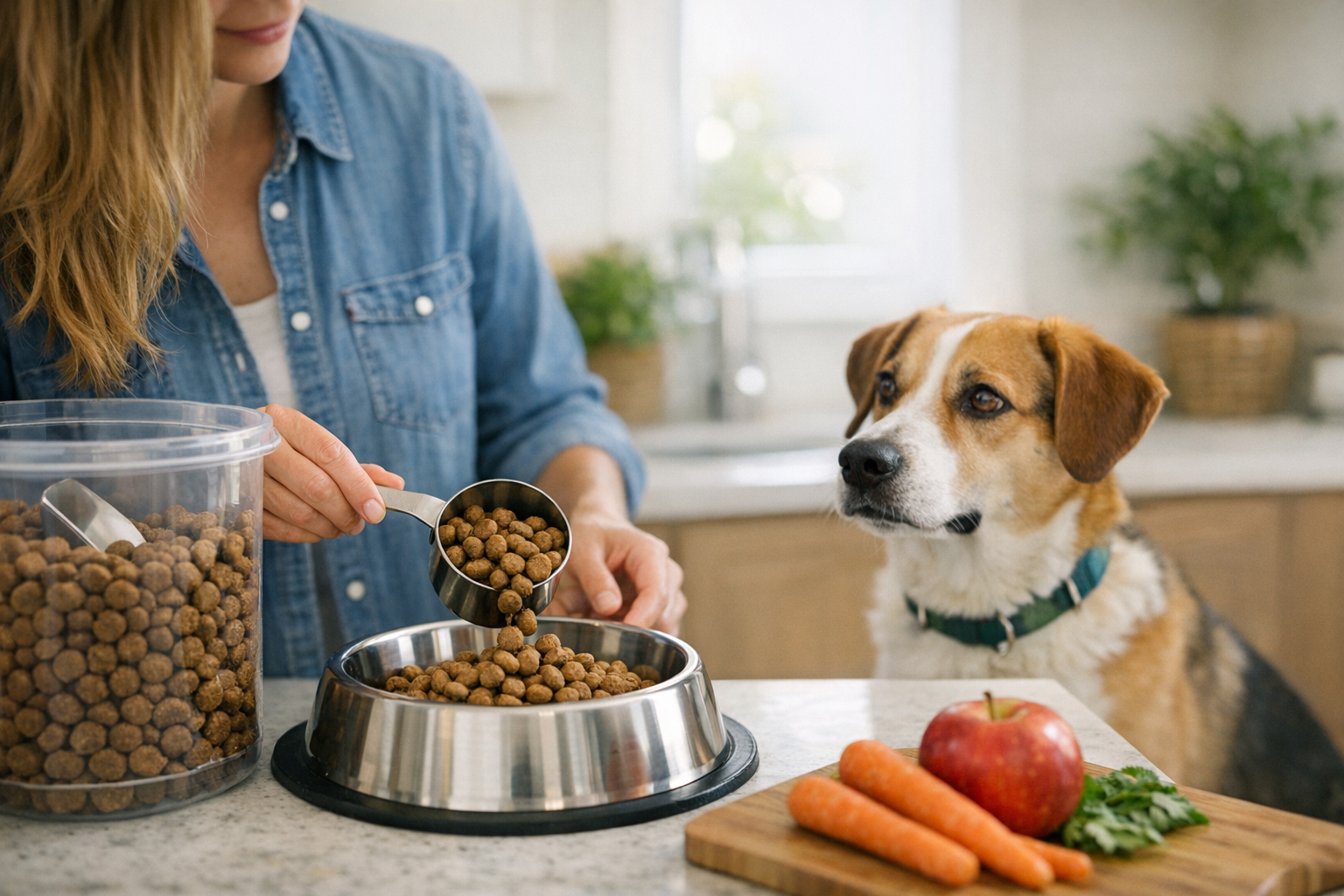
You stand in your kitchen with a measuring scoop in one hand and a bag of kibble in the other. Your 40 pound dog is sitting at your feet, watching every move with intense focus. You look at the feeding chart on the back of the bag, but it gives a wide range that leaves you guessing. One column says two cups while the next suggests three. It is a common moment of uncertainty for many pet owners who want to ensure their companion is well fed without risking unhealthy weight gain.
At BaxterBoo, we know that every dog is an individual with unique nutritional requirements. Determining the right portion size involves more than just reading a label. It requires looking at your dog's age, activity level, and overall health status. This guide will help you move past the guesswork to find the perfect daily amount for your medium sized dog. We will explore how to calculate calories and how to adjust those portions as your pet grows.
Start by browsing our dog food category if you want to compare calorie densities while you read.
Quick Answer: A typical 40 pound adult dog usually requires between 2 and 3 cups of dry food per day. This amount depends heavily on the calorie density of your specific food and your dog's daily activity level. Always check the kcal per cup measurement on your bag for the most accurate calculation.
The Baseline: General Estimates for a 40 Pound Dog
A 40 pound dog is often considered the perfect medium size. They are sturdy enough for long hikes but small enough to fit comfortably on most sofas. Because they sit in the middle of the weight spectrum, their metabolic needs can vary quite a bit. A dog at this weight generally needs between 900 and 1,200 calories per day to maintain their current weight.
If you are comparing premium formulas, our selection of Orijen products is a useful place to see how calorie counts can vary by recipe.
Most high quality dry dog foods contain between 350 and 450 calories per cup. If you are feeding a standard adult maintenance formula, you will likely land somewhere in the middle of that range. However, some weight management formulas have significantly fewer calories, while high performance or puppy foods have much more. This is why measuring by volume alone can lead to overfeeding or underfeeding.
Understanding Caloric Density
Before you fill the bowl, look for the "kcal per kg" or "kcal per cup" listing on your dog food packaging. This information is usually located near the ingredient list or the guaranteed analysis. If your food has 400 calories per cup and your dog needs 1,000 calories, the math is simple. You would feed 2.5 cups per day. If you switch to a more calorie dense brand like Orijen or Acana, you might need to reduce that amount to avoid weight gain.
A recipe like Acana Singles Limited Ingredient Beef & Pumpkin Recipe Grain-Free Dry Dog Food shows how a single formula can still be quite calorie dense.
Standard Measuring vs. The Scoop
Precision is the best way to prevent your dog from slowly putting on extra pounds. Many owners use a random plastic cup or an old coffee mug to scoop food. These items are rarely exactly 8 ounces. Even a small overage of a quarter cup per day can lead to significant weight gain over a year. Use a standardized measuring cup for every single meal to keep things consistent.
| Activity Level | Estimated Daily Calories | Estimated Cups (at 400 kcal/cup) |
|---|---|---|
| Inactive / Senior | 800 to 950 kcal | 2 to 2.25 cups |
| Typical Adult | 1,000 to 1,150 kcal | 2.5 to 2.75 cups |
| Highly Active / Working | 1,200 to 1,450 kcal | 3 to 3.5 cups |
Factors That Change the Daily Amount
Every dog has a unique metabolism. Just like humans, some dogs can eat quite a bit and stay lean, while others seem to gain weight easily. When you are calculating food for a 40 pound dog, you must account for their specific lifestyle and physical traits.
The Impact of Activity Levels
The difference between a dog that sleeps while you work and one that goes for a five mile run is massive. If your 40 pound dog spends most of the day napping, their caloric needs will be at the lower end of the spectrum. An extra half cup of food for a sedentary dog is surplus energy that will be stored as fat.
If you have a high energy breed like a Border Collie or a spirited mix that plays fetch for an hour every day, they will burn through calories quickly. These dogs may require more than the standard recommendation to maintain their muscle mass. Always adjust the portion based on the intensity of their daily exercise.
Life Stages: Puppy to Senior
Age plays a major role in how much fuel a dog requires. If your 40 pound dog is a puppy that is still growing, they need significantly more food than an adult. Puppies are building bone, muscle, and brain tissue. This is an energy intensive process that requires calorie dense formulas.
As dogs enter their senior years, their metabolism naturally slows down. They may also become less active due to joint stiffness or lower energy. For a senior dog, you might need to reduce their portion size by 10% to 20% to prevent them from becoming overweight. Carrying extra weight can put unnecessary strain on aging joints.
Spaying and Neutering
Altering a dog changes their hormonal balance and can slow their metabolic rate. Studies generally show that spayed or neutered dogs require fewer calories than intact dogs. Many owners notice their dog gaining weight shortly after their procedure. If your dog has been fixed, keep a closer eye on their waistline and be prepared to trim their daily portions slightly.
Key Takeaway: Calorie needs are dynamic rather than fixed. Use the bag recommendation as a starting point, but adjust it based on whether your dog is a couch potato or a marathon runner.
Assessing Your Dog's Body Condition
The scale is only one part of the story. While 40 pounds is a helpful number, it does not tell us if that weight is composed of healthy muscle or excess fat. To truly know if you are feeding the right amount, you need to look at your dog's body condition score.
The Rib Test
You should be able to feel your dog's ribs without pressing hard. This is the simplest way to assess a dog's weight at home. Stand over your dog and look down at them. You should see a visible waist behind the ribs. From the side, their abdomen should have a slight tuck upward toward the hind legs.
If you can see the ribs clearly from a distance, your dog may be underweight. You should increase their food slightly. If you cannot feel the ribs at all even with firm pressure, your dog is likely carrying extra weight. It is then time to scale back the portions.
Monitoring Weight Shifts
Consistency is the best way to notice changes before they become problems. We recommend checking your dog's body condition once every two weeks. This is about staying aware of their health. Small adjustments are much easier to manage than a major diet.
If you notice your dog is looking a bit round, try reducing their daily food by just 10%. For a dog eating 2.5 cups, this means removing about a quarter cup total from their daily intake. Stick with this new amount for two weeks and see if their condition improves.
Vet Tip: If your dog is consistently gaining weight despite eating a small amount of food, consult your veterinarian. Underlying issues like hypothyroidism or other metabolic conditions can affect weight and require a professional diagnosis.
The Value of Feeding Consistency
Dogs thrive on a predictable schedule. Inconsistent feeding does not just affect their weight. It can also affect their behavior and digestion. When a dog knows exactly when and how much they will be fed, they are often calmer and less prone to begging throughout the day.
Why Precision Matters
Feeding by eye is notoriously inaccurate. On a busy Monday morning, a scoop might be a little light. On a relaxed Saturday, it might be a little heavy. These fluctuations can lead to digestive upset or a confused metabolism.
Using a system that guarantees the same amount every time makes it much easier to diagnose health issues. If your dog suddenly gains weight despite you knowing they are getting exactly 2.5 cups a day, you know the issue might be related to their health or stolen snacks. Precision removes the human error from the equation.
Managing the Routine
Divide the total daily amount into at least two meals. Most veterinarians recommend feeding an adult dog twice a day. This keeps their blood sugar stable and prevents them from getting overly hungry. It also reduces the risk of bloat, which can be a concern for some medium sized breeds.
For more portion-planning context, see our guide on how much dry food to feed a dog for daily health.
For a 40 pound dog requiring 2.5 cups of food:
- Morning: 1.25 cups
- Evening: 1.25 cups
This split makes it easier to track if your dog is eating normally. If they skip a morning meal, you will notice immediately. This can be an early warning sign of a health issue.
Bottom line: A consistent amount of food delivered at the same times each day creates a healthier and more relaxed dog.
Nutritional Quality and Brand Choice
Not all calories are created equal. A 40 pound dog eating 1,000 calories of a high protein, nutrient dense food will feel and look different than a dog eating 1,000 calories of a filler heavy diet. The quality of the ingredients directly impacts how well your dog absorbs those nutrients.
Protein and Fat Balance
For an active 40 pound dog, look for foods that prioritize animal protein. Our selection of NutriSource products includes recipes that support many life stages and activity levels.
Protein is essential for repairing tissues and supporting the immune system. Fat is the primary energy source for dogs. While you want to avoid excessive fat, a healthy amount is necessary for skin and coat health. If your dog has a dull coat or dry skin, they may need a food with more omega fatty acids. You can find these in many premium brands we carry at BaxterBoo.
Ingredients to Consider
When reading a label, the first few ingredients should be recognizable meats or meat meals. Avoid foods that list generic "animal fat" or "poultry by-products" as primary ingredients. High quality complex carbohydrates like sweet potatoes, oats, or brown rice provide steady energy without causing the blood sugar spikes associated with corn or soy fillers.
Health Conditions and Special Diets
Sometimes, a standard adult maintenance food is not enough. Certain health conditions require a specific nutritional approach. If your 40 pound dog is struggling with allergies, joint issues, or chronic illness, their diet becomes a tool for management.
Managing Allergies and Sensitivities
Skin irritations and digestive issues are often linked to food sensitivities. In these cases, a limited ingredient diet or a grain free option might be necessary. Our pet pharmacy is where you can look for specialized options when your veterinarian recommends a therapeutic diet.
Prescription Diets and the Pharmacy
For more serious health concerns like kidney disease, urinary stones, or severe obesity, your veterinarian may prescribe a specific therapeutic diet. These foods are formulated with precise levels of minerals and proteins to manage the condition. This allows you to get the specialized nutrition your dog needs delivered right to your door alongside your standard supplies.
Weight Management Formulas
If your dog has become significantly overweight, simply cutting back on their regular food might leave them feeling hungry and unsatisfied. Weight management formulas are designed to be high in fiber. This helps the dog feel full while consuming fewer calories. Farmina Vet Life offers excellent options for weight management that are scientifically formulated to support healthy fat loss.
Practical Steps for Transitioning Foods
If you decide to change your dog's food based on their weight or activity level, do it slowly. A sudden change in diet can cause significant stomach upset, including vomiting or diarrhea. This is especially true for medium sized dogs that may have sensitive systems.
When you are planning a switch, our article on whether you should feed your dog wet and dry food is a helpful companion read.
The Seven Day Transition
Follow this schedule to help your dog's digestive system adapt:
- Days 1 and 2: 75% old food, 25% new food.
- Days 3 and 4: 50% old food, 50% new food.
- Days 5 and 6: 25% old food, 75% new food.
- Day 7: 100% new food.
Monitoring the Change
During this week, watch your dog's stool consistency and energy levels. If you notice any issues, slow the transition down and spend an extra day or two at the current ratio. This gradual approach allows the beneficial bacteria in the gut to adjust to the new ingredient profile.
Key Takeaway: Slow transitions protect your dog from digestive distress and help them accept the new flavor and texture of their food.
Beyond the Bowl: Treats and Extras
It is easy to forget that treats have calories too. If you are training a 40 pound dog and using lots of rewards, those calories add up fast. Many owners wonder why their dog is gaining weight even though they measure the kibble perfectly. The answer is often found in the treat bag.
The 10% Rule
Treats should never make up more than 10% of your dog's total daily caloric intake. If your dog needs 1,000 calories, only 100 of those should come from treats. If you give a large dental chew or a couple of high calorie biscuits, you may need to reduce their dinner portion slightly to compensate.
If you want an easy training reward, our soft and chewy dog treats selection has plenty of options that fit into a daily routine.
Healthy Treat Alternatives
If you enjoy rewarding your dog frequently, consider low calorie options. Green beans, carrot slices, or small pieces of plain apple are excellent crunchy treats that add very few calories. You can also use a small portion of their daily kibble allowance as training rewards throughout the day. This ensures you are not exceeding their energy needs.
Storing Your Dog Food for Freshness
The way you store your dry food affects its nutritional value and palatability. Dry food contains fats and oils that can go rancid if exposed to air, light, and heat. Rancid fat does not just taste bad. It can also cause digestive upset and lose its healthy properties.
For a simple way to organize bags and bins, our dog food storage collection is worth checking out.
Use the Original Bag
The best way to store kibble is inside its original bag. These bags are designed with barriers to keep out moisture and air. If you use a plastic storage bin, place the entire bag inside the bin rather than pouring the food directly into the plastic. This keeps the food fresher and provides a second layer of protection.
Check the Expiration Date
Always check the "best by" date on the bag. While dry food has a long shelf life, it does not last forever. Try to buy a bag size that your 40 pound dog will finish within four to six weeks. This ensures the vitamins and minerals remain at their peak levels until the bag is empty.
Keeping food fresh is easier when you have a plan, and our storage tips for dry dog food freshness can help.
Summary of Feeding a 40 Pound Dog
Feeding your dog is one of the most important daily tasks you perform. For a 40 pound dog, the goal is to provide enough energy for their lifestyle without crossing into overfeeding. By measuring consistently and assessing their body condition regularly, you can keep them at a healthy weight for years to come.
- Start with a baseline of 2 to 3 cups of high quality dry food.
- Adjust for activity level, age, and reproductive status.
- Use a standardized measuring cup for every meal.
- Monitor body condition with the rib test every two weeks.
- Account for treats within the 10% daily limit.
- Consult a veterinarian for sudden weight changes or health concerns.
Maintaining a healthy weight is the best way to prevent joint issues and heart disease in your pet. We are here to help you find the right tools, whether it is a high protein food or a specific prescription diet. Our Autoship programme is a great way to ensure you never run out of your dog's favorite food.
The MVP Rewards programme can also help you make every purchase work a little harder for your budget.
Bottom line: Precise feeding and high quality ingredients are the foundation of a long and healthy life for your 40 pound dog.
FAQ
How many times a day should I feed my 40 pound dog?
Most veterinarians recommend feeding an adult dog twice per day, once in the morning and once in the evening. This helps regulate their blood sugar and prevents them from becoming overly hungry, which can lead to begging or digestive issues. For very active dogs, splitting the food into two meals also ensures they have a steady supply of energy throughout the day.
Can I just follow the feeding chart on the back of the bag?
The feeding chart on the bag is a helpful starting point, but it is only an estimate based on an average dog. These charts often provide a range because dogs with different activity levels have different needs. You should start with the recommendation for a 40 pound dog and then adjust up or down based on your dog's body condition and energy level.
My dog is 40 pounds but seems always hungry. Should I feed more?
Many dogs are naturally food motivated and will act hungry even if they have had enough calories. Instead of increasing their food, which can lead to obesity, try adding low calorie fillers like canned green beans or use a slow feeder bowl. If the hunger seems excessive or is accompanied by weight loss, you should consult your vet to rule out medical issues.
Is it better to feed grain free or grain inclusive food for a 40 pound dog?
The choice between grain free and grain inclusive depends on your dog's specific needs and sensitivities. Many high quality grain inclusive foods use healthy whole grains like brown rice or oatmeal, while grain free foods use legumes or potatoes. Unless your dog has a diagnosed grain allergy, both options can provide excellent nutrition as long as the food is balanced and made with high quality ingredients.






