
 Save 15% on your 1st Autoship learn more

 Email us
 Live Chat
 FAQs
FAQs





Introduction
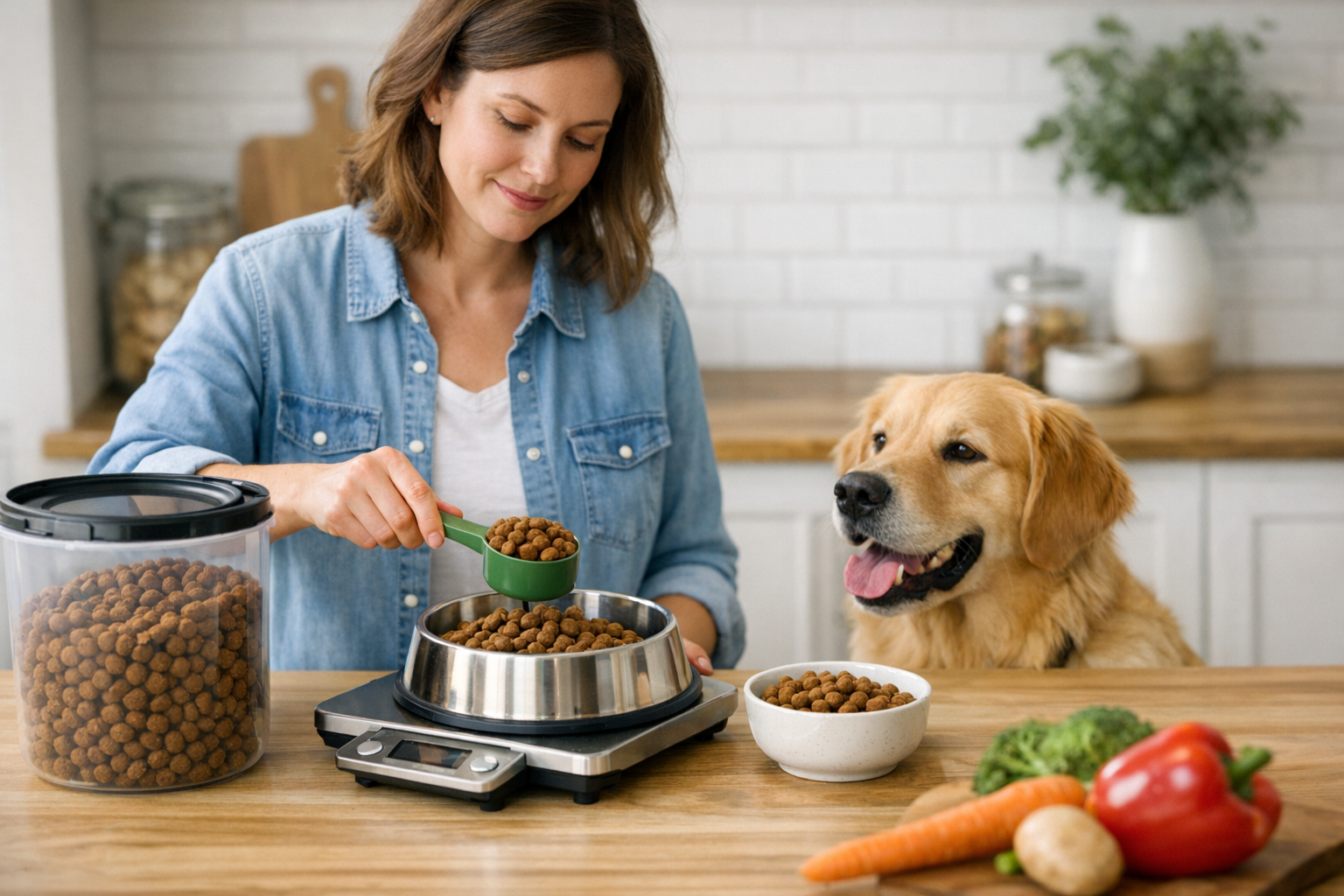
You stand in the kitchen with a measuring cup in one hand and your dog watching your every move. You want to give them enough to stay healthy and energetic, but you do not want to see them struggle with extra weight. At BaxterBoo, we talk to pet parents every day who are trying to solve this exact puzzle. Whether you just brought home a new puppy or you are managing the needs of a senior dog, the right portion size is the foundation of their wellness. If you are comparing options, start with our dog food category. This guide will help you move past the generic suggestions on the back of the bag. We will look at how age, activity level, and health status change the math for your specific pet. By the end of this article, you will know how to calculate the perfect daily amount to keep your dog thriving.
Quick Answer: Most adult dogs need between one and four cups of dry food per day, but the exact amount depends on their weight and the calorie density of the food. Always start with the feeding chart on your specific brand's packaging and adjust based on your dog's body condition and activity level.
Why Portion Control Matters for Your Dog
Feeding the right amount of dry food is about more than just avoiding a round belly. It is a fundamental part of preventative healthcare. When a dog carries even a few extra pounds, it puts significant stress on their joints and internal organs. This is especially true for large breeds prone to hip issues or small breeds that can easily become overextended. For more wellness-focused options, browse our dog healthcare category.
On the other side of the coin, underfeeding can lead to hidden problems. A dog that does not get enough calories may lack the energy to play. They might also develop a dull coat or a weakened immune system. Because dry food is often very calorie dense, even a small mistake in the daily scoop can make a big difference over time. We want to help you find that "Goldilocks" zone where your dog has steady energy and a lean frame.
Key Takeaway: Proper portioning prevents obesity and nutritional deficiencies, which are both leading causes of long-term health issues in dogs.
The Dangers of Overfeeding
Many pet owners show love through food. It is hard to say no to those big eyes, but overfeeding can lead to serious conditions. Chronic inflammation, heart disease, and diabetes are all linked to canine obesity. If your dog is already overweight, moving to a weight management formula like Farmina Vet Life can help. For prescription diets and related support, visit our pet pharmacy information.
The Risks of Underfeeding
Underfeeding is less common but just as serious. It often happens when owners try to guess the amount rather than using a standard measuring cup. If you notice your dog is suddenly lethargic or their ribs are becoming very prominent, they likely need more calories. Always use a level measuring cup rather than a random kitchen scoop to ensure consistency.
Factors That Influence How Much to Feed
Every dog is an individual. Two dogs that weigh forty pounds might need completely different amounts of food. This is why the chart on the bag is only a starting point. You must look at the whole picture of your dog's life to get the portion right.
Activity Level and Exercise
An active dog burns through fuel much faster than a couch potato. If you have a working breed that spends all day running or hiking, their caloric needs will be much higher. Conversely, a dog that takes two short walks a day needs fewer calories to maintain their weight.
- High Activity: Dogs that exercise more than two hours a day.
- Moderate Activity: Dogs that get thirty to sixty minutes of exercise daily.
- Low Activity: Senior dogs or breeds that prefer indoor lounging.
Metabolism and Genetics
Just like humans, some dogs have a naturally fast metabolism. You might notice that a lean breed like a Greyhound eats more than a stouter breed of the same weight. Genetics play a massive role in how a dog processes food.
Spay and Neuter Status
It is a common observation that spayed or neutered dogs have slightly lower energy requirements. The hormonal changes can slow down their resting metabolic rate. If your dog was recently fixed, you may need to reduce their daily intake by about ten percent to prevent unwanted weight gain.
Vet Tip: If you notice your dog is gaining weight despite following the bag's instructions, consult your veterinarian. They can help rule out underlying issues like thyroid problems or suggest a specific prescription diet from a pharmacy.
Understanding Life Stages
A dog's nutritional needs shift dramatically as they move from puppyhood to their senior years. You cannot feed a senior dog the same way you feed a growing puppy.
Feeding Your Puppy
Puppies are like little engines. They are building bones, muscles, and brain tissue all at once. This requires a lot of protein and fat. Most puppies need to eat three to four times a day to keep their blood sugar stable and fuel their growth. If you are shopping for a young dog, our puppy shop is a helpful place to start.
Puppy food is much higher in calories per cup than adult food. If you feed a puppy adult kibble, they might not get the nutrients they need to grow properly. Check the label to ensure the food is formulated for growth. Brands like NutriSource offer excellent puppy formulas that provide this focused nutrition.
Adult Maintenance
Once a dog reaches adulthood, the goal shifts from growth to maintenance. For most breeds, this happens around twelve months of age. Large breeds might not be fully "adult" until eighteen to twenty four months. During this stage, most dogs do well with two meals per day.
Senior Dog Considerations
As dogs age, they usually slow down. Their metabolism drops, and they may lose some muscle mass. Senior dogs often benefit from food that is lower in calories but higher in specific supplements. Look for ingredients like glucosamine or DHA to support aging joints and brain health. We carry specialized senior support like Senilife to help with cognitive function as they age, and our NutriSource selection includes formulas for many life stages.
Bottom line: Adjust your dog's food volume and formula type as they transition through different life stages to match their changing metabolic needs.
How to Read a Dog Food Feeding Chart
Every bag of dry food sold in the United States must have a feeding guide. However, these charts can be confusing because they use weight ranges. If your dog weighs twenty five pounds, and the chart has a range for twenty to thirty pounds, where do you start?
Step-by-Step: Using the Chart
Step 1: Find your dog's ideal weight. / Use their target weight, not necessarily what they weigh right now if they are over or under. Step 2: Locate the daily total. / Most charts show the amount for twenty four hours, not per meal. Step 3: Divide by the number of meals. / If the chart says two cups and you feed twice a day, give one cup per meal.
Calories Per Cup
Not all dry food is equal. One cup of a high protein, grain free food might have 500 calories. A standard "budget" kibble might only have 300 calories per cup. This is why you must check the "kcal/kg" or "kcal/cup" listing on the label. If you switch brands, you cannot simply use the same scoop size. You must re-calculate based on the new food's density. For a deeper breakdown, read How Much Does a Cup of Dry Dog Food Weigh?.
The Importance of Measuring accurately
Using a random coffee mug or a big plastic scoop is the fastest way to overfeed your dog. A "cup" in pet food terms refers to a standard eight ounce measuring cup. Even being off by a quarter of a cup every day can lead to several pounds of weight gain over a year for a small dog.
- Use a dedicated measuring cup.
- Level off the top of the scoop.
- Be consistent with who feeds the dog in your house.
Key Takeaway: Precision matters. Use a standard measuring cup and level off each scoop to ensure your dog gets the exact calories they need every single day.
Assessing Body Condition
Since every dog is different, the best way to tell if you are feeding the right amount is to look at your dog. Veterinarians use a Body Condition Score to judge if a pet is at a healthy weight. You can do a simple version of this at home. If you want more ideas for keeping weight on track, see A Practical Guide to New Year Pet Weight Management.
The Rib Test
Place your hands on your dog's sides. You should be able to feel their ribs easily under a thin layer of skin and muscle. You should not have to press hard to find them. If you cannot feel the ribs at all, your dog is likely carrying too much weight. If the ribs are visible from across the room, they may be too thin.
The Waistline Check
Look at your dog from above. They should have a visible waistline that tucks in behind the ribs. From the side, their belly should tuck up toward their hind legs rather than hanging low or appearing flat.
Adjusting the Portions
If your dog fails the rib test, do not panic. Small adjustments are best. Try reducing their food by ten percent for two weeks and then check their ribs again. Sudden, drastic cuts in food can leave a dog feeling hungry and frustrated.
Managing Multiple Dogs and Picky Eaters
Feeding a household with more than one dog adds another layer of difficulty. Some dogs are "scavengers" who will eat anything, while others are "grazers" who take their time.
Separate Feeding Areas
If you have one dog that eats too fast and one that is slow, feed them in separate rooms or use crates. This prevents the faster eater from stealing the other dog's portion. It also allows you to monitor exactly how much each dog is consuming.
Picky Eaters and Portions
If your dog is picky, you might be tempted to leave food out all day. This is called "free feeding," and it makes it very hard to track their intake. It is better to put the food down for fifteen minutes and then pick it up. This encourages them to eat their measured portion when it is offered. You can also compare feeding-setup options in our slow feed bowls collection.
The Role of Treats and Toppers
We all love to give our dogs treats. However, those calories add up quickly. A single large biscuit can have as many calories as half a cup of kibble.
The 10% Rule
Treats and table scraps should never make up more than ten percent of your dog's daily caloric intake. If you give a lot of treats during a training session, you must reduce their dinner portion to compensate.
Healthy Alternatives
If your dog is always hungry, try using low calorie treats like green beans or plain canned pumpkin. These add fiber and volume to the stomach without adding many calories. Brands like Greenies or dental chews are great for health, but they still count toward the daily total. For a practical option, browse Greenies Dental Dog Chews - Blueberry Flavor.
Vet Tip: For dogs with severe allergies or weight issues, we offer prescription treats through our pharmacy partnership. These are designed to be safe for dogs on restricted diets.
When to Switch to a Special Diet
Sometimes, simply adjusting the amount of standard kibble is not enough. Some dogs have medical needs that require a specific formulation.
Weight Loss Diets
If your dog is significantly overweight, a standard "light" kibble might not provide enough nutrients while cutting calories. Prescription weight loss diets are formulated to be very high in fiber and protein. This helps the dog feel full even though they are eating fewer calories.
Prescription Diets for Health Conditions
Conditions like kidney disease, diabetes, or urinary crystals require very specific nutrient balances. Royal Canin and Farmina Vet Life are examples of brands that support these needs. These foods are considered part of your dog's medical treatment. Through our partnership with Pet's Choice, we make it easy to get these specialized foods delivered to your door.
Tips for Transitioning Food
Whenever you change the amount or type of food, do it slowly. A sudden change can cause an upset stomach or diarrhea.
Step 1: Mix 25% new food with 75% old food for three days. / This allows the gut bacteria to adjust. Step 2: Move to a 50/50 split for another three days. / Watch for any changes in stool consistency. Step 3: Feed 75% new food and 25% old food for three days. / Your dog should be adjusting well by now. Step 4: Switch to 100% of the new portion or brand. / Monitor your dog's weight over the next month.
Feeding Schedules and Consistency
Consistency is the key to a happy dog and a healthy weight. Dogs have internal clocks that thrive on routine.
How Many Meals Per Day?
Most experts recommend two meals a day for adult dogs. This keeps their metabolism active and prevents the stomach from being empty for too long. For very small "toy" breeds, three smaller meals might be better to prevent drops in blood sugar.
The Benefit of Routine
Feeding at the same time every day helps with more than just weight. It also makes house training easier because their bathroom breaks will become more predictable. A routine also makes it easier to notice if your dog is feeling unwell and loses their appetite.
Monitoring and Long-Term Success
Determining how much dry dog food per day your pet needs is an ongoing process. It is not a calculation you do once and then forget. You should re-evaluate your dog's portion size every few months or whenever their lifestyle changes.
Seasonal Changes
Many dogs are less active in the winter when the weather is cold. You might find you need to feed slightly less in the winter and slightly more in the summer when you are taking longer walks.
Regular Weigh-ins
If you cannot get to the vet for a weight check, you can weigh your dog at home. Weigh yourself first, then weigh yourself while holding your dog. The difference is your dog's weight. Keeping a small log of their weight can help you spot trends before they become problems.
Using Technology and Tools
There are many tools available today to help you manage your dog's nutrition. From smart feeders to calorie calculators, technology can take some of the guesswork out of the process.
- Calorie Calculators: Many brand websites, including some we carry like Stella and Chewy's, offer online calculators based on their specific recipes.
- Slow Feeder Bowls: If your dog gulps their food, they might not feel full. A slow feeder from brands like Kong can make the meal last longer and improve digestion.
- Automatic Feeders: These can be great for ensuring the exact same amount is dispensed at the exact same time every day.
Common Myths About Dog Feeding
There is a lot of misinformation out there about how to feed dogs. Let us clear up a few common myths.
Myth: Dogs will stop eating when they are full.
Most dogs are opportunistic eaters. Their ancestors never knew when their next meal was coming, so they are programmed to eat as much as possible. Very few dogs can "self regulate" their weight.
Myth: Grain free food is always lower in calories.
Grain free does not mean low calorie. In fact, many grain free foods use peas or potatoes which can be quite calorie dense. Always look at the kcal/cup regardless of the ingredient list.
Myth: Expensive food means you feed less.
While premium foods are often more nutrient dense, this is not a universal rule. You must always look at the feeding guidelines for that specific bag.
Bottom line: Your dog's needs are unique and will change over time, so keep a close eye on their body condition and adjust their scoop size accordingly.
Conclusion
Finding the right balance for your dog's daily food intake is one of the kindest things you can do for them. By looking past the bag's chart and considering their age, activity, and health, you are setting them up for a longer and happier life. Remember to measure accurately and use the rib test often to stay on track.
- Start with the bag's feeding guide as a baseline.
- Adjust for life stages like puppyhood or the senior years.
- Use standard measuring cups for every meal.
- Account for treats and toppers within the daily calorie budget.
If your dog needs a specialized diet or if you are managing a chronic health condition, our BaxterBoo pharmacy is here to help. We offer a wide range of prescription foods and medications through our partnership with Pet's Choice. For your everyday favorites, consider signing up for our Autoship programme to save on every order and ensure you never run out of the food your dog loves.
FAQ
How do I know if my dog is actually hungry or just begging? Most dogs will beg for food even if they have just finished a full meal. This is a natural instinct. If your dog is at a healthy weight according to the rib test, they are getting enough calories. You can try adding a little bit of warm water to their dry food to help them feel fuller without adding calories.
Should I change the amount of food I feed if I switch brands? Yes, you almost always need to change the amount. Every brand has a different calorie count per cup. For example, a cup of Royal Canin might have more or fewer calories than a cup of NutriSource. Always read the new bag's feeding chart and calculate the daily total from scratch.
Is it better to feed my dog once or twice a day? Most veterinarians recommend feeding twice a day. This helps with digestion and keeps your dog's energy levels more stable throughout the twenty four hour cycle. Feeding only once a day can lead to a very hungry dog who might search for "unauthorized" snacks or experience stomach upset from a large amount of food at once.
Can I just leave dry food out all day for my dog to eat? Free feeding is generally discouraged because it makes it impossible to track exactly how much your dog is eating. It also makes it harder to notice a sudden loss of appetite, which is often the first sign of illness. Scheduled, measured feedings are the best way to maintain a healthy weight and monitor their overall wellness.






