
 Save 15% on your 1st Autoship learn more

 Email us
 Live Chat
 FAQs
FAQs





Introduction
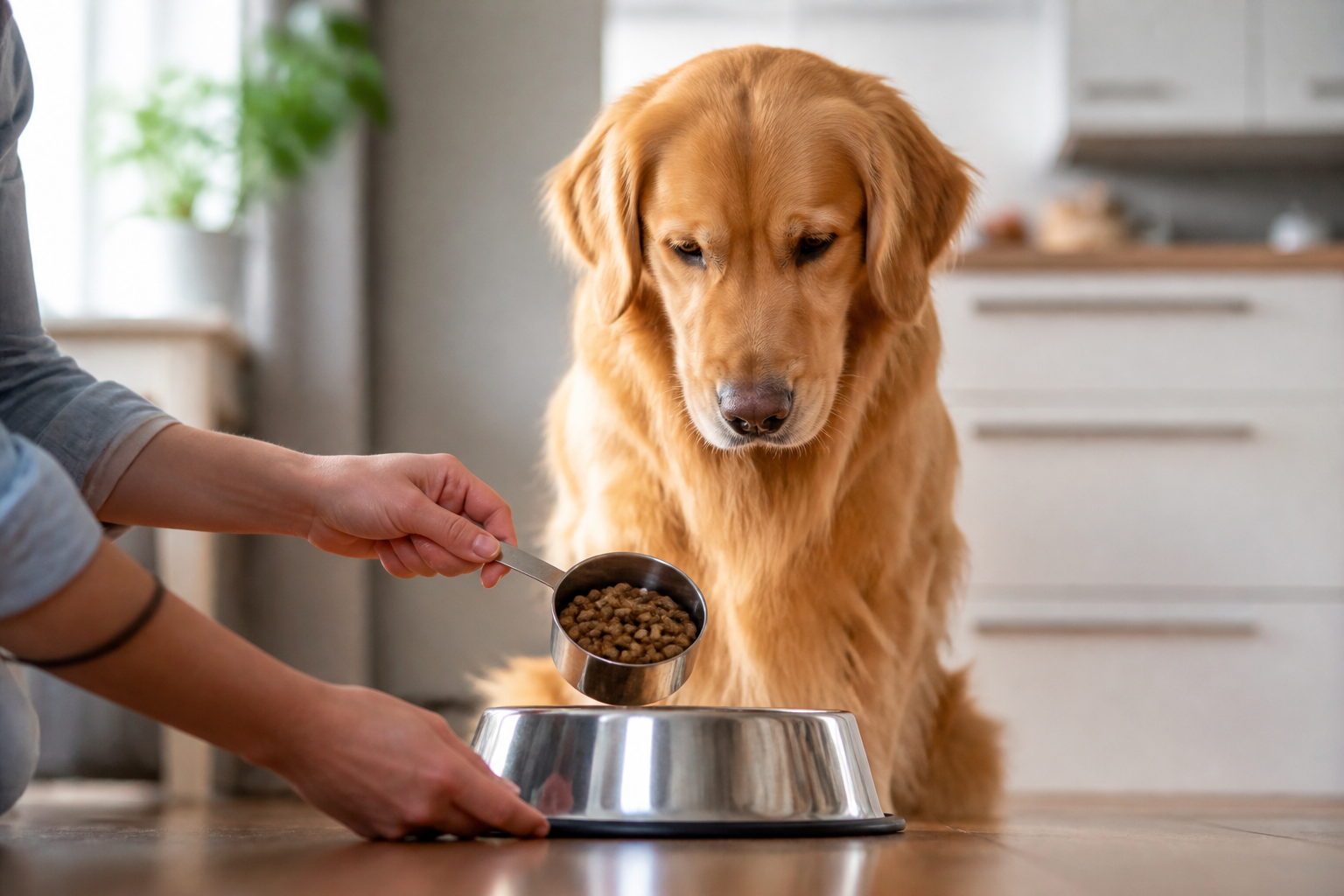
Standing in your kitchen with a measuring cup in hand can feel like a guessing game. You want to ensure your dog is getting enough energy to chase squirrels and play fetch, but you also want to avoid the health risks associated with overfeeding. Every dog is an individual, and the "one size fits all" approach to nutrition does not work. At BaxterBoo, we have spent years helping pet parents navigate these choices by offering a curated selection of premium foods. This guide explains how to determine the correct portion size for your dog based on their age, activity level, and weight. We will help you move beyond the vague suggestions on the back of the bag to find a precise plan that supports a long, healthy life.
The Factors That Determine Your Dog's Daily Portions
The most important thing to understand is that the amount of food your dog needs is not a static number. It changes throughout their life. Many variables influence how many calories a dog burns in a day. If you feed a sedentary senior dog the same amount as a growing puppy, you will likely see rapid weight gain.
Age and Life Stage
Puppies are growing machines. They require significantly more protein, fat, and calories per pound of body weight than adult dogs to support bone development and tissue growth. Adult dogs focus on maintenance. They need a stable balance of nutrients to keep their weight steady. Seniors often have a slowing metabolism. They may need fewer calories to prevent obesity, though they still require high quality protein to maintain muscle mass.
If you are feeding a young dog, our Puppy Shop is a helpful place to start looking at age-appropriate options.
Activity Level
A dog who spends the day hiking or running at the dog park has much higher energy requirements than a dog who prefers the sofa. Working dogs or those involved in agility training might need twice as much food as a "weekend warrior" pet.
Size and Breed
While it seems obvious that a Great Dane eats more than a Pomeranian, the metabolic rate often differs by breed. Some small breeds have incredibly fast metabolisms and need more calories per pound than a large, slow moving breed.
Reproductive Status
Spaying or neutering a dog can lower their metabolic rate. Research suggests that altered dogs may require about 20 percent fewer calories than intact dogs of the same size. If your dog has recently been fixed, you may need to reduce their daily intake to prevent weight gain.
Key Takeaway: Feeding amounts are a moving target. Regularly reassess your dog's portions whenever their age, activity level, or health status changes.
Decoding the Dog Food Label
The feeding chart on the back of your dry dog food bag is the best place to start. However, it is vital to remember these charts provide a daily total, not a per-meal amount. If the bag suggests two cups and you feed your dog twice a day, you should give one cup at each meal.
Understanding Kcal Per Cup
Every brand of food has a different caloric density. One brand might have 300 calories per cup, while a performance formula might have 500 calories. This is why you cannot simply switch brands and keep using the same measuring cup. Always check the "Metabolizable Energy" (ME) statement on the label.
For more options to compare, browse our dog food category.
Using Ideal Weight vs. Current Weight
If your dog is currently overweight, do not feed them for the weight they are now. Feed them for the weight they should be. Feeding an 80 pound dog who should weigh 60 pounds the 80 pound portion will only keep them at an unhealthy size.
Vet Tip: If your dog needs to lose a significant amount of weight, consult your veterinarian first. Rapid weight loss can be dangerous. Our pharmacy offers prescription weight management diets through our partnership with Pet's Choice that can help your dog lose weight safely while still feeling full.
Feeding Guidelines for Puppies
Puppies have small stomachs but high energy needs. This means they cannot eat their entire daily requirement in one or even two sittings. Their blood sugar can drop if they go too long without eating, especially in toy breeds.
- Birth to 4 months: Feed three to four meals per day.
- 4 to 12 months: Transition to two or three meals per day.
- Large breeds: These dogs grow for a longer period. They may need puppy food until they are 18 to 24 months old.
Step 1: Determine your puppy's expected adult weight based on their breed. Step 2: Find the corresponding age and weight bracket on your puppy food bag. Step 3: Divide that daily total into at least three equal portions.
If you are comparing kibble for a growing dog, our dog treats selection can also be useful for training rewards that fit into a feeding plan.
Managing Adult Dog Portions
Once your dog reaches skeletal maturity, they are considered an adult. This usually happens around 12 months for small dogs and up to 2 years for giant breeds. The goal for an adult dog is maintenance. You want them to have consistent energy and a stable weight.
Sample Feeding Chart for Adult Dogs
This table shows a general estimate for an average adult dog food containing approximately 375 calories per cup.
| Dog Weight (lbs) | Daily Feeding Amount (cups) |
|---|---|
| 3 to 12 lbs | 1/3 to 1 cup |
| 13 to 20 lbs | 1 to 1 1/3 cups |
| 21 to 35 lbs | 1 1/3 to 2 cups |
| 36 to 50 lbs | 2 to 2 2/3 cups |
| 51 to 75 lbs | 2 2/3 to 3 1/3 cups |
| 76 to 100 lbs | 3 1/3 to 4 1/4 cups |
Note: These are only estimates. Factors like the specific brand of food and your dog's metabolism will require you to adjust these numbers up or down by about 10 percent.
Senior Dog Nutritional Adjustments
As dogs enter their golden years, their activity levels typically drop. Their joints may become stiff, and they may sleep more. Feeding them the same "Adult Maintenance" portion can lead to senior obesity. Excess weight puts immense stress on aging joints.
Many senior specific dry foods contain lower calories but higher levels of fiber to help the dog feel satisfied. They often include supplements like glucosamine or chondroitin. If your senior dog is struggling with mobility or chronic health issues, they may need a specific therapeutic diet.
You can also explore our dog health category for more support-focused options.
For dogs requiring specific medication or prescription diets for kidney, heart, or joint health, our pet pharmacy for dogs provides prescription options through Pet's Choice.
How to Tell if You are Feeding the Right Amount
The scale is a helpful tool, but the most accurate way to monitor your dog's health at home is by checking their body condition. You should perform a "hands-on" check at least once a month.
- The Rib Test: Place your hands on your dog's ribcage. You should be able to feel the ribs easily without a thick layer of fat covering them. However, the ribs should not be poking out or visible from a distance.
- The Waist Check: Look down at your dog from above. They should have a visible waistline that tucks in behind the ribs.
- The Side Profile: Look at your dog from the side. Their abdomen should "tuck up" toward their hind legs rather than hanging low or straight.
Key Takeaway: If you cannot feel your dog's ribs, they are likely being overfed. If you can see the hip bones or vertebrae, they may need more food or a more calorie-dense formula.
The Role of Treats in Your Dog's Diet
It is easy to forget the handful of treats given during training or the scrap of chicken from the dinner table. These calories add up quickly. A single medium sized dog biscuit can contain 30 to 50 calories. For a 10 pound dog, two biscuits might be 20 percent of their total daily needs.
The "10 Percent Rule" is a standard guideline in the pet industry. Treats and table scraps should never make up more than 10 percent of your dog's total daily calorie intake. If you give a lot of treats for training, you must subtract that same amount of calories from their dry food portions at dinner.
Tips for Responsible Treating
- Use small pieces of plain vegetables like green beans or carrots as low calorie treats.
- Measure out your dog's daily kibble in the morning and pull out a portion of that to use as training rewards throughout the day.
- Avoid high fat human foods like cheese or bacon which can cause digestive upset or pancreatitis.
If you want a simple way to keep staple items arriving on schedule, our Autoship programme can help make mealtime easier.
Adjusting for Specific Health Needs
Some dogs have metabolic conditions that change how they process food. Dogs with diabetes, for example, need very consistent meal timing and portions to manage blood sugar. Dogs with allergies may need limited ingredient diets that have different caloric densities than standard kibble.
If your dog has a sudden change in appetite or weight, do not simply adjust the food. A sudden increase in hunger can be a sign of conditions like Cushing's disease or diabetes. A loss of appetite could indicate dental pain or internal illness.
Vet Tip: Always consult your veterinarian if your dog experiences sudden weight loss or gain. They can run blood work to rule out underlying medical issues. For chronic conditions, we offer a range of specialized foods including brands like our selection of Farmina Vet Life products and our selection of Royal Canin products through our pharmacy partnership.
Practical Steps for Success
Consistency is the most important factor in keeping your dog at a healthy weight. Use a standard measuring cup, not a random plastic container from the kitchen. Plastic containers vary in size and can lead to overfeeding by several ounces every day.
- Establish a Schedule: Feed your dog at the same times each day. This helps with digestion and keeps their metabolism steady.
- Use a Food Diary: If you have multiple family members, use a chart to mark when the dog has been fed. This prevents "double feeding" when different people think the dog looks hungry.
- Monitor Stools: If your dog's stool is consistently soft, you might be overfeeding. If it is very hard and dry, they may need more moisture or fiber.
If you like rewarding consistency, our MVP Rewards programme is another way to get more value from the food and supplies you buy regularly.
Bottom line: A precise, consistent feeding routine is the foundation of your dog's long term health.
Conclusion
Feeding your dog the right amount of dry food is an act of love that pays off in extra years together. By starting with the guidelines on your food bag and adjusting based on your dog's body condition, you can prevent the many health complications associated with obesity. Remember to account for treats and life stage changes as your dog grows. We invite you to explore our dog food category to find the perfect formula for your pet. Consider signing up for our Autoship programme to ensure you never run out of your dog's favorite food while saving on every order.
FAQ
Why is my dog always acting hungry if I am feeding the recommended amount?
Some dogs are simply highly motivated by food and will act hungry regardless of how much they eat. However, if your dog is truly not satisfied, you can try a food with higher fiber content or add low calorie "mix-ins" like canned green beans to help them feel full. Ensure you are feeding a high quality food with real animal protein, as fillers often leave dogs feeling unsatisfied.
Can I just leave dry food out all day for my dog to eat whenever they want?
Free feeding is generally discouraged by veterinarians because it makes it difficult to track how much your dog is actually eating. It often leads to overeating and obesity. Scheduled mealtimes also help you notice immediately if your dog loses their appetite, which is often the first sign of illness.
Should I change how much I feed my dog in the winter?
If your dog spends a lot of time outside in cold weather, they will burn more calories just to keep their body temperature stable. Conversely, if your dog is less active in the winter because you are taking shorter walks, you may actually need to decrease their food. Monitor their body condition score monthly and adjust as needed.
If you want more winter-specific nutrition ideas, read How Many Cups of Dry Dog Food Per Day for Your Dog.
Do small breeds need a different kind of dry food than large breeds?
Small breeds often benefit from "small breed" formulas because the kibble size is safer for their smaller mouths and they usually have higher calorie needs per pound. Large breed formulas are designed with lower calorie density to prevent rapid growth in puppies and include joint support for adults. Matching the food to the size of your dog helps ensure they get the right nutrient balance for their frame.
For more small-breed-specific guidance, see What’s the Best Dry Dog Food for Small Dogs?.
If you are comparing portion planning across food types, How Much Freeze Dried Dog Food to Feed Your Pet is a helpful follow-up read.






