
 Save 15% on your 1st Autoship learn more

 Email us
 Live Chat
 FAQs
FAQs





Introduction
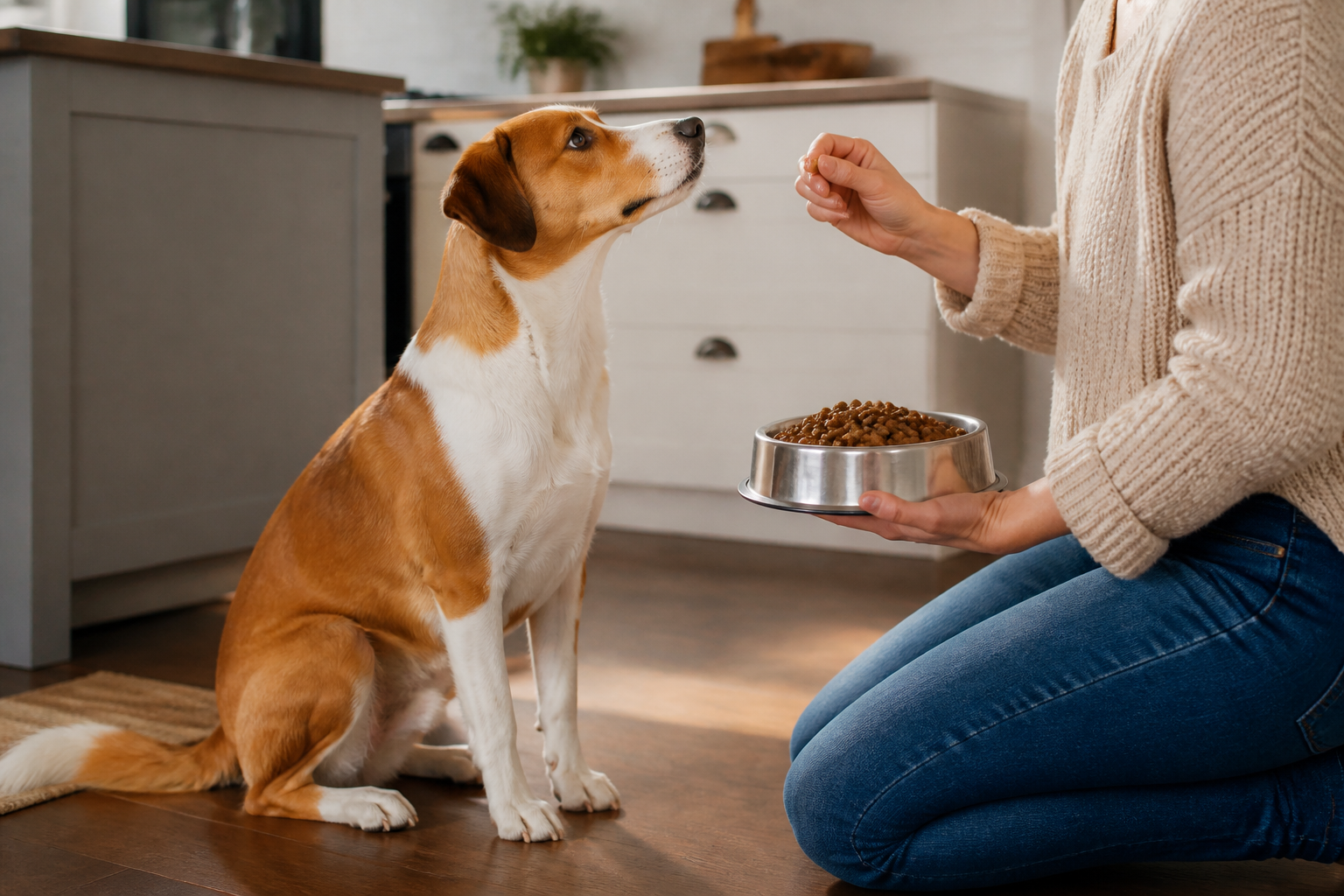
You are standing in your kitchen with a measuring scoop in hand, looking at your 20 pound dog and then at the back of the heavy kibble bag. The feeding chart on the packaging gives a wide range, leaving you to wonder if a tiny bit too much today leads to weight gain tomorrow. Getting the portion size right is one of the most impactful ways you can support your pet's long term health. At BaxterBoo, we talk to owners every day who are trying to balance calorie intake with activity levels to keep their dogs at an ideal weight. This guide will help you move past the guesswork of the bag label. We will cover how to calculate specific calorie needs, adjust for life stages, and use the right tools to keep your dog fit. Finding the perfect daily amount is a blend of science and observation.
The Starting Point for a 20 Pound Dog
A 20 pound dog often sits right on the line between a small breed and a medium breed. This means their metabolism can vary significantly depending on their genetic makeup. A 20 pound French Bulldog has very different energy requirements than a 20 pound Jack Russell Terrier.
Most high quality dry foods contain between 300 and 450 calories per cup. On average, a healthy, moderately active adult dog of this size needs roughly 400 to 600 calories per day. This usually translates to about 1 to 1.5 cups of dry food, split into two meals. However, the label on the bag is only a starting point. It is based on a "typical" dog, but very few dogs are truly average.
Quick Answer: A typical adult dog weighing 20 pounds needs approximately 1 to 1.5 cups of dry kibble per day. This amount should be divided into two separate meals and adjusted based on the specific calorie count of your chosen food.
Why the Bag Label Can Be Misleading
Pet food manufacturers are required to provide feeding guidelines, but these charts often suggest portions for the "worst case" calorie burners. If you follow the label strictly for a sedentary dog, you might accidentally overfeed them. Manufacturers often use broad weight ranges like "10 to 20 pounds" or "20 to 30 pounds." If your dog is exactly 20 pounds, you might be looking at two different columns and feeling confused.
The calorie density of the food itself is the most important number. One brand might have 350 calories per cup, while a performance or puppy formula might have 500. This is why we always recommend looking for the "kcal/kg" or "kcal/cup" statement on the packaging. For additional guidance on weighing portions accurately, read this guide to how much a cup of dry dog food weighs.
Understanding Calorie Density
If you switch from a standard kibble to a premium brand like Orijen or Acana, you may notice the calorie count per cup is much higher. These nutrient dense foods often require you to feed a smaller volume to achieve the same energy intake.
- Standard Kibble: ~350 calories per cup.
- High Protein/Active Formulas: ~450+ calories per cup.
- Weight Management Formulas: ~280 calories per cup.
Key Takeaway: Always check the specific calorie count per cup of your dog's food before setting a portion size. A half cup of one brand is not the same as a half cup of another.
Factors That Change Daily Requirements
Weight is just one piece of the puzzle. Several internal and external factors determine how many calories your dog actually burns in a day.
Activity Level
A dog that spends the afternoon hiking or playing fetch at the park needs more fuel than one that naps on the sofa while you work. Working breeds or highly athletic dogs may need 20% to 40% more food than the average pet. Conversely, if your 20 pound dog is a "couch potato," they may need significantly less than the bag suggests.
Spay and Neuter Status
When a dog is spayed or neutered, their metabolic rate often drops. Research suggests that "fixed" dogs require about 20% fewer calories than intact dogs of the same weight and age. If your dog was recently altered, watch their weight closely. You may need to trim their portions slightly to prevent a sudden gain.
Life Stage
Puppies are building bone, muscle, and tissue. They require much higher calorie counts and specific calcium to phosphorus ratios. A 20 pound puppy that is still growing might eat more than a 20 pound adult dog. Senior dogs often have slower metabolisms and may be less active, requiring a reduction in calories to avoid putting stress on aging joints.
Vet Tip: If your dog's activity level changes due to injury or age, consult your veterinarian to adjust their caloric intake. They can help you determine if a prescription weight management diet from our dog healthcare category is necessary to prevent obesity.
Calculating the Specific Calories
If you want to be precise, you can use the Resting Energy Requirement (RER) formula. This is what veterinarians use to determine baseline needs. For a 20 pound dog, the math looks like this:
- Convert pounds to kilograms: 20 lbs / 2.2 = 9.1 kg.
- Use the formula (70 x weight in kg^0.75).
- For a 9.1 kg dog, the RER is approximately 360 calories.
The RER is just what the dog needs to exist at rest. You then multiply that number based on their lifestyle. A typical neutered adult dog might have a multiplier of 1.6.
- RER (360) x 1.6 = 576 calories per day.
If your kibble has 380 calories per cup, you would divide 576 by 380. This gives you roughly 1.5 cups per day. You can also compare formulas in our dog food category when looking for a food with calorie information that fits your dog's needs.
The Importance of the Measuring Cup
Many owners "eyeball" the food or use a coffee mug to scoop. This is a common mistake that leads to overfeeding. A 20 pound dog is small enough that even an extra ten kibbles per meal can lead to noticeable weight gain over a few months.
We recommend using a standard dry measuring cup. For even better accuracy, use a digital kitchen scale to weigh the food in grams. This eliminates the variation caused by how the kibble pieces settle in the cup.
Tips for Precise Portions
- Use a dedicated measuring cup kept inside the food bin.
- Level off the top of the scoop.
- If you give treats, reduce the meal portion by 10%.
- Be consistent across all family members who feed the dog.
Bottom line: Accuracy matters most for smaller dogs because a small surplus of calories represents a large percentage of their daily needs.
Monitoring Your Dog's Body Condition
The scale tells you one number, but the Body Condition Score (BCS) tells you the real story. You should be able to feel your dog's ribs easily without pressing through a thick layer of fat. When looking at your dog from above, they should have a visible waistline that tucks in behind the ribs. From the side, their abdomen should tuck upward toward the hind legs.
If you cannot find a waistline or have to poke hard to find a rib, your dog is likely carrying extra weight. Because a 20 pound dog is small, even two extra pounds is a 10% increase in body weight. This is equivalent to a 150 pound human gaining 15 pounds.
For more ideas about portion control and body condition, see this practical guide to pet weight management.
The Rib Test
- Place your hands on your dog's ribcage with your thumbs on their spine.
- Run your fingers along the sides.
- The ribs should feel like the back of your hand when your fist is open.
- If they feel like your knuckles when your fist is clenched, the dog may be too thin.
- If they feel like your palm, the dog is likely overweight.
How Many Meals Per Day?
For most adult dogs, we recommend feeding twice per day. Splitting the daily total into a morning and evening meal helps maintain steady blood sugar levels. It also prevents the dog from becoming overly hungry and searching for "scraps" throughout the day.
Some owners of smaller, 20 pound breeds prefer three smaller meals. This can be helpful for dogs prone to bile vomiting when their stomachs stay empty for too long. Regardless of the frequency, the total daily amount must remain the same.
The Role of Treats in the Daily Total
Treats are a wonderful way to bond and train, but they are often calorie bombs. Many commercial treats are high in sugar and fat. If you are feeding a 20 pound dog 500 calories of kibble and adding 100 calories of treats, you are overfeeding them by 20%.
The "10% Rule" is a gold standard in pet nutrition. No more than 10% of your dog's daily calories should come from treats. For a 20 pound dog, that is roughly 40 to 60 calories. Our dog treats category offers options for training, rewards, and everyday snacks.
Low Calorie Treat Alternatives
- Green beans (fresh or frozen)
- Carrot slices
- Blueberries
- Small pieces of plain, cooked chicken
- Single ingredient freeze dried treats from brands like Stella and Chewy's
Managing Weight Through Prescription Diets
Sometimes, despite your best efforts at portion control, a dog struggles to lose weight. This can be due to metabolic issues, thyroid problems, or simply a very efficient metabolism. In these cases, a veterinary diet might be necessary.
Our pharmacy carries a variety of FDA-approved prescription pet foods through our partnership with Pet's Choice. These diets are formulated to help dogs feel full while consuming fewer calories. They often contain higher fiber levels and specific nutrients that support fat metabolism. If your veterinarian determines that your 20 pound dog is clinically obese, a prescription diet is often the safest and most effective way to reach a healthy weight.
Vet Tip: Never put your dog on a "crash diet" by severely restricting their food without professional guidance. Rapid weight loss can lead to nutritional deficiencies and other health complications.
Adjusting for Weather and Seasons
Many owners forget that the environment impacts calorie burn. In the winter, a dog may burn more calories just to keep their body temperature stable, especially if they spend time outdoors. However, many dogs are also less active in the winter because walks are shorter.
In the summer, the heat might make your dog lethargic, reducing their need for food. We suggest checking your dog's body condition every two to four weeks. If you notice them getting a bit "soft" around the middle during the winter months, trim the scoop by about 10%.
Choosing the Right Dry Food for a 20 lb Dog
The quality of the ingredients in your kibble affects how well your dog utilizes the food. High quality brands like Farmina, Royal Canin, or NutriSource use highly digestible proteins. When a food is highly digestible, more of the nutrients are absorbed, and less is passed as waste.
For a 20 pound dog, look for:
- Small or medium breed specific kibble sizes for easier chewing.
- Probiotics and prebiotics for digestive health.
- Omega fatty acids for skin and coat support.
- Clear calorie information on the bag.
Our team at BaxterBoo carefully selects the brands we carry to ensure they meet high nutritional standards. We look for manufacturers that prioritize quality control and science based formulations. Pet parents interested in Stella and Chewy's can browse our selection of Stella & Chewy's products.
Transitioning to a New Feeding Amount
If you realize you have been overfeeding or underfeeding, do not change the portion size overnight. A sudden change in food volume can cause stomach upset.
- Week 1: Reduce or increase the portion by only 10%.
- Week 2: Monitor energy levels and stool consistency.
- Week 3: Adjust another 5% to 10% if the target weight is not being reached.
- Ongoing: Keep a simple log of the daily amount and the dog's weight.
Bottom line: Small, gradual changes are easier on your dog's digestive system and more sustainable for long term weight management.
Using Technology for Consistency
If you have a busy schedule, an automatic feeder can be a life saver for a 20 pound dog. These devices allow you to program exact portions at specific times. This prevents the "double feeding" that happens when one family member doesn't realize the dog has already eaten.
Many of these feeders can be adjusted in very small increments, which is perfect for fine tuning a 20 pound dog's diet. Consistency is the enemy of weight gain. When the dog knows exactly when and how much they will be fed, they are often less anxious around meal times.
How Treats Affect Your 20 lb Dog's Diet
If your dog is a "good boy" who gets frequent rewards, those calories add up fast. A single medium sized milk bone can have 40 calories. For a 20 pound dog needing 500 calories, that one treat is nearly 10% of their daily allowance. If they get three or four of those, they are essentially eating an extra half meal every day.
We recommend "pre-measuring" your dog's treats for the day. Put the allowed amount in a jar on the counter. Once the jar is empty, no more treats are given until the next day. This helps everyone in the house stay on the same page.
The Role of Fiber and Satiety
If you have reduced your dog's food and they seem constantly hungry, look for a food with higher fiber content. Fiber helps the dog feel full without adding calories. Some owners add a tablespoon of plain canned pumpkin (not pie filling) to the bowl. Pumpkin is low in calories but high in fiber and moisture, which can satisfy a hungry dog between meals.
Brands like Royal Canin often have specific formulas for "appetite control" in small breeds. These are designed specifically for the 20 pound dog that always seems to be asking for more.
Summary of Feeding a 20 lb Dog
Feeding your dog the right amount of dry food is an ongoing process of assessment and adjustment. While 1 to 1.5 cups is a standard range for a 20 pound dog, your specific pet may need more or less. Use the tools available to you: measuring cups, weight scales, and Body Condition Scores.
Remember to account for every single thing that goes into your dog's mouth, including training treats and dental chews. By being diligent now, you are protecting your dog from the many health issues associated with obesity, including joint pain and heart disease.
- Check the kcal/cup on your specific bag of kibble.
- Measure precisely using a standard measuring cup or kitchen scale.
- Adjust for activity, age, and spay/neuter status.
- Monitor body condition every few weeks.
- Use treats sparingly and count them toward the daily total.
At BaxterBoo, we want to help you make these decisions with confidence. Whether you are looking for a nutrient dense kibble or need to consult our pharmacy for a prescription diet, we are here to support your dog's health journey. Our dog food category is a helpful starting point for comparing formulas.
Key Takeaway: Proper portion control is the most effective tool you have for extending your dog's life and improving their daily comfort.
FAQ
Is 2 cups of dry food too much for a 20 lb dog?
For most 20 pound dogs, 2 cups of standard dry food is likely too much and may lead to weight gain. Most kibbles are calorie-dense enough that 1 to 1.5 cups is sufficient for an adult dog at this weight. However, if the food is a low-calorie weight management formula or if the dog is extremely active, 2 cups might be appropriate.
How many calories does a 20 lb dog need a day?
A typical 20 pound adult dog requires between 400 and 600 calories per day to maintain their weight. This number can fluctuate based on whether the dog is intact or neutered, their age, and how much exercise they get daily. Highly active working dogs may need more, while senior or sedentary dogs often need closer to 350-400 calories.
How can I tell if I am underfeeding my dog?
You can tell you are underfeeding if your dog's ribs, spine, and pelvic bones are highly visible and have no fat covering. Other signs include a lack of energy, a dull coat, or a constant, frantic search for food. If your dog is losing weight rapidly, it is important to consult a veterinarian to rule out underlying health issues before simply increasing their food.
Should I feed my 20 lb dog once or twice a day?
Feeding twice a day is generally recommended for most dogs, including those weighing 20 pounds. This schedule helps keep their metabolism steady and prevents the hunger that can lead to begging or scavenging. For dogs prone to digestive issues or low blood sugar, three smaller meals may be even better, provided the total daily calorie count remains the same.






