Save 15% on your 1st Autoship learn more

 Email us
 Live Chat
 FAQs
FAQs





Introduction
Your dog has just finished a long walk, but five minutes after getting home, they are already pacing the living room and nudging their favorite toy against your leg. Physical exercise is great, but for many dogs, it only scratches the surface of their needs. This restless behavior often means your pet is looking for a mental challenge rather than a physical one. At BaxterBoo, we believe that a bored dog is often a mischievous dog, and the best way to curb that boredom is by engaging their most powerful tool: their nose.
In this article, we will look at how a snuffle mat for dog enrichment can transform your daily routine. We will cover the benefits for fast eaters, the science of scent work, and how to pick the right mat for your pup’s specific needs. Using a foraging mat is one of the simplest ways to provide calm, focused activity that leaves your dog feeling satisfied and tired.
What is a Snuffle Mat for Dogs?
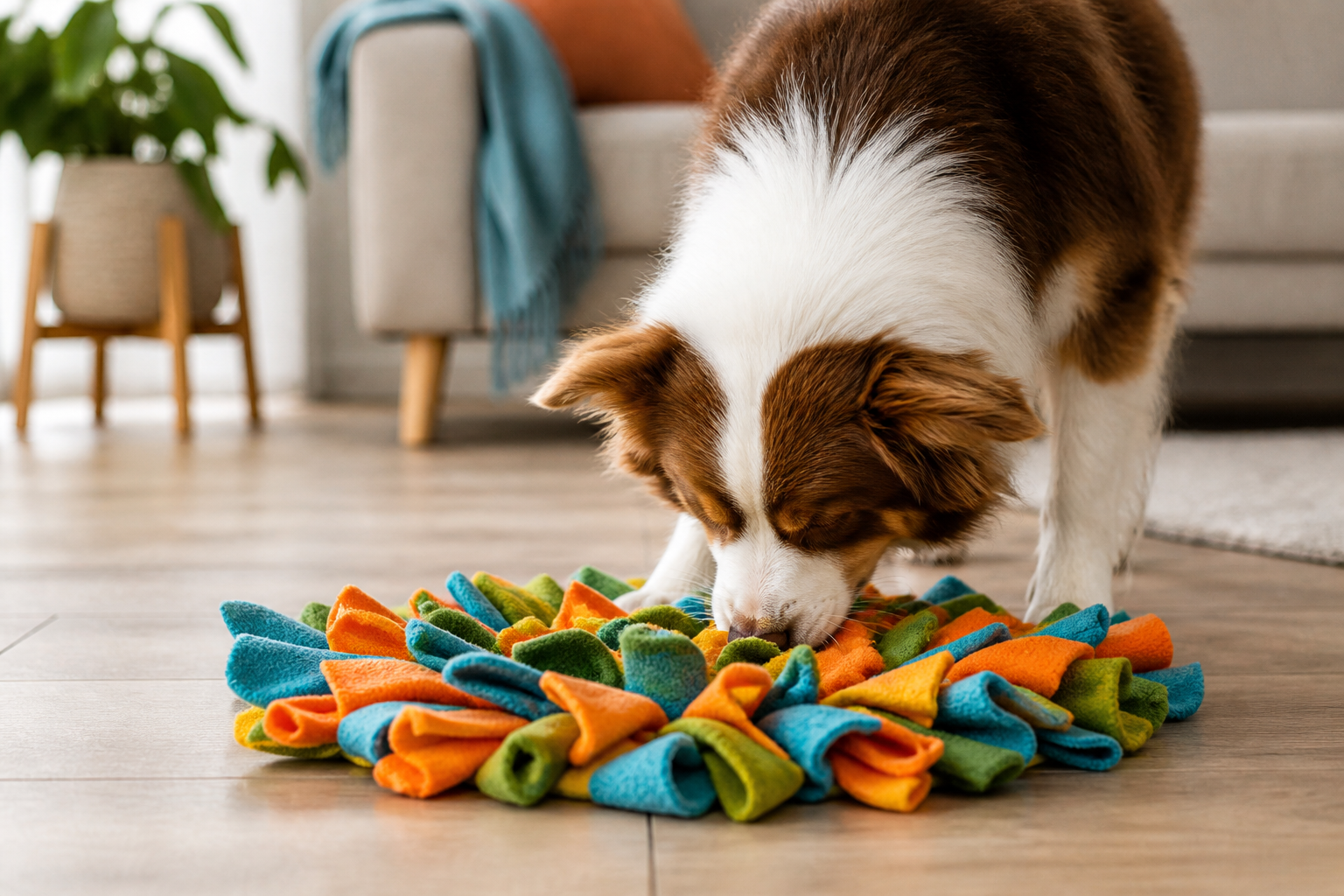
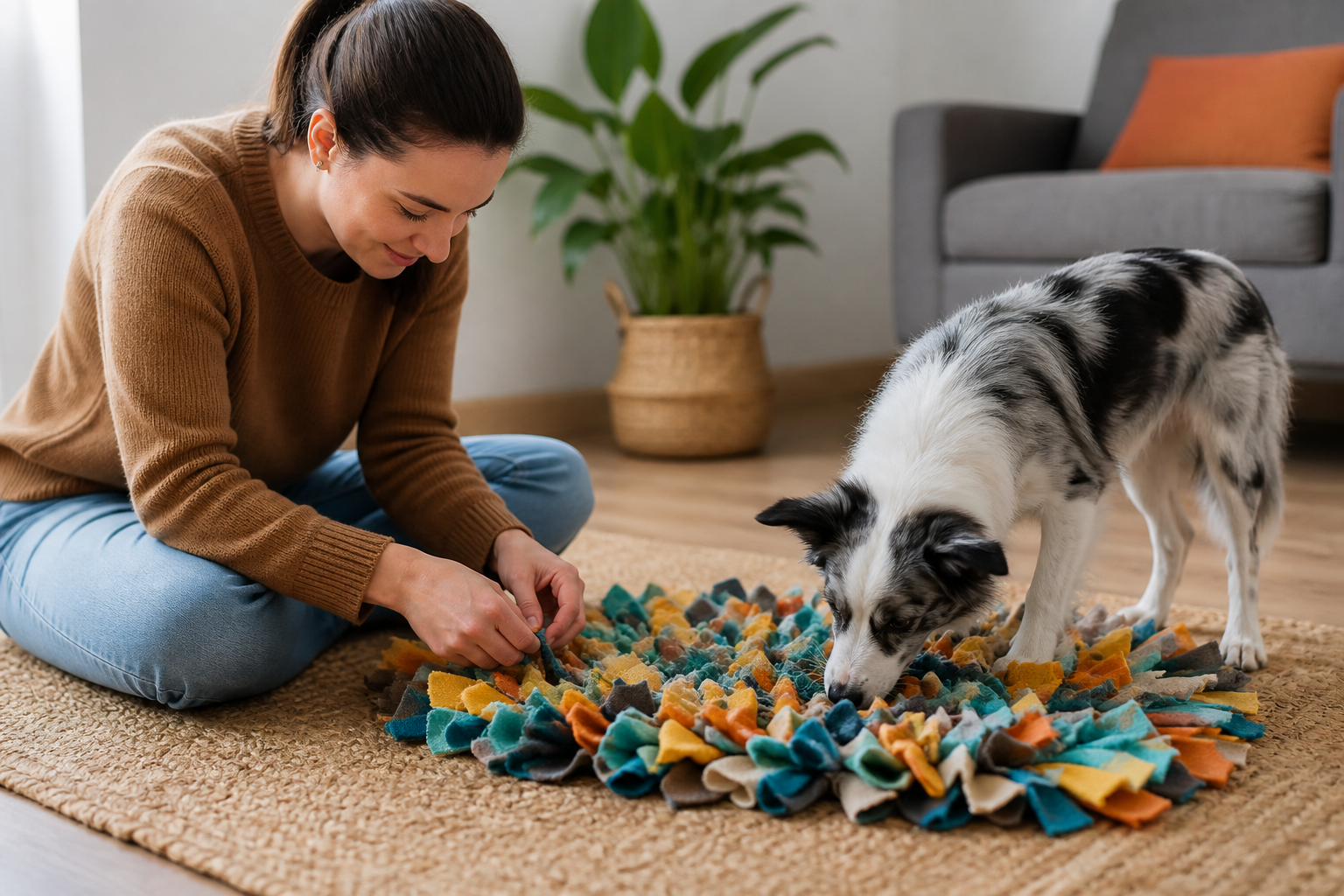
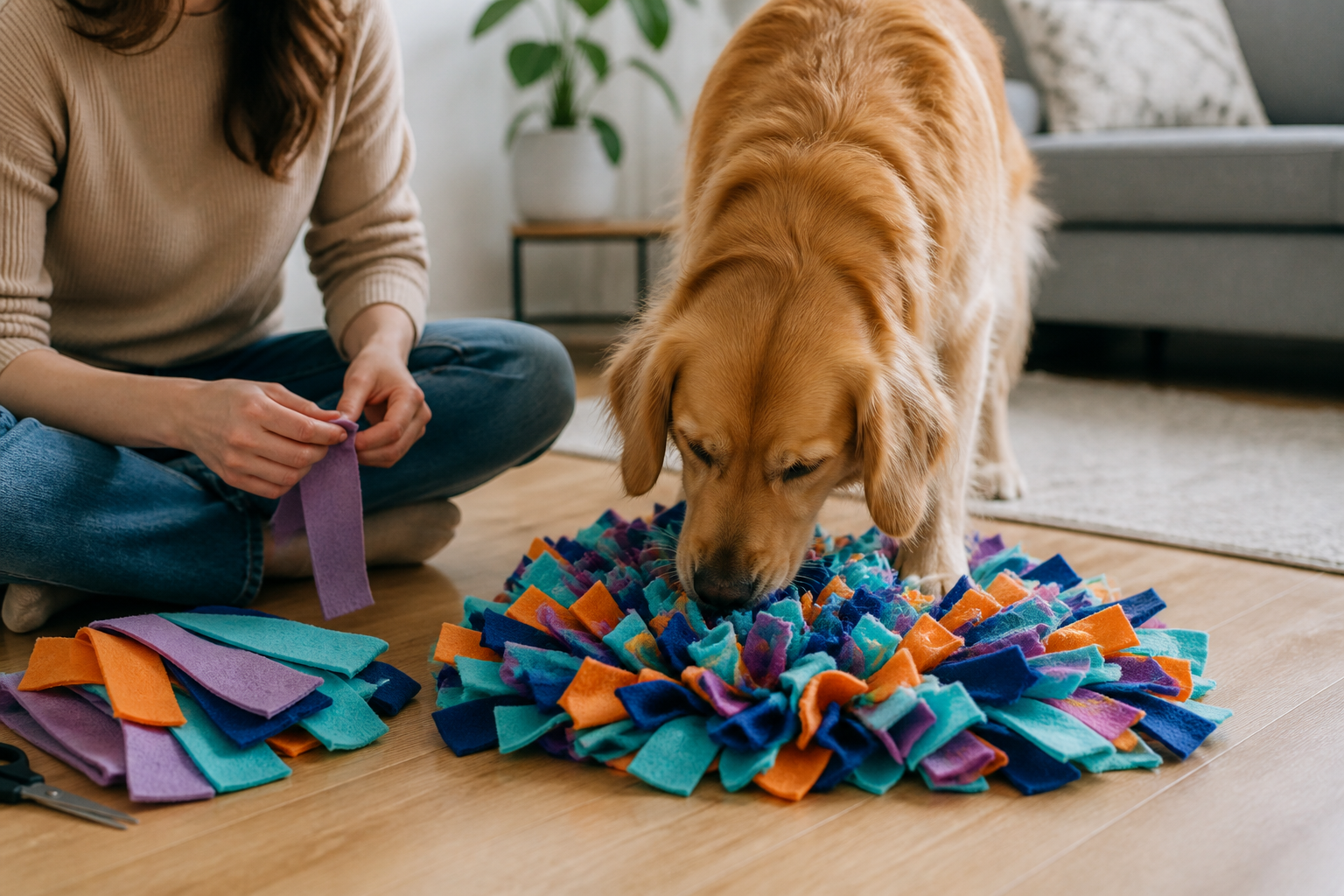
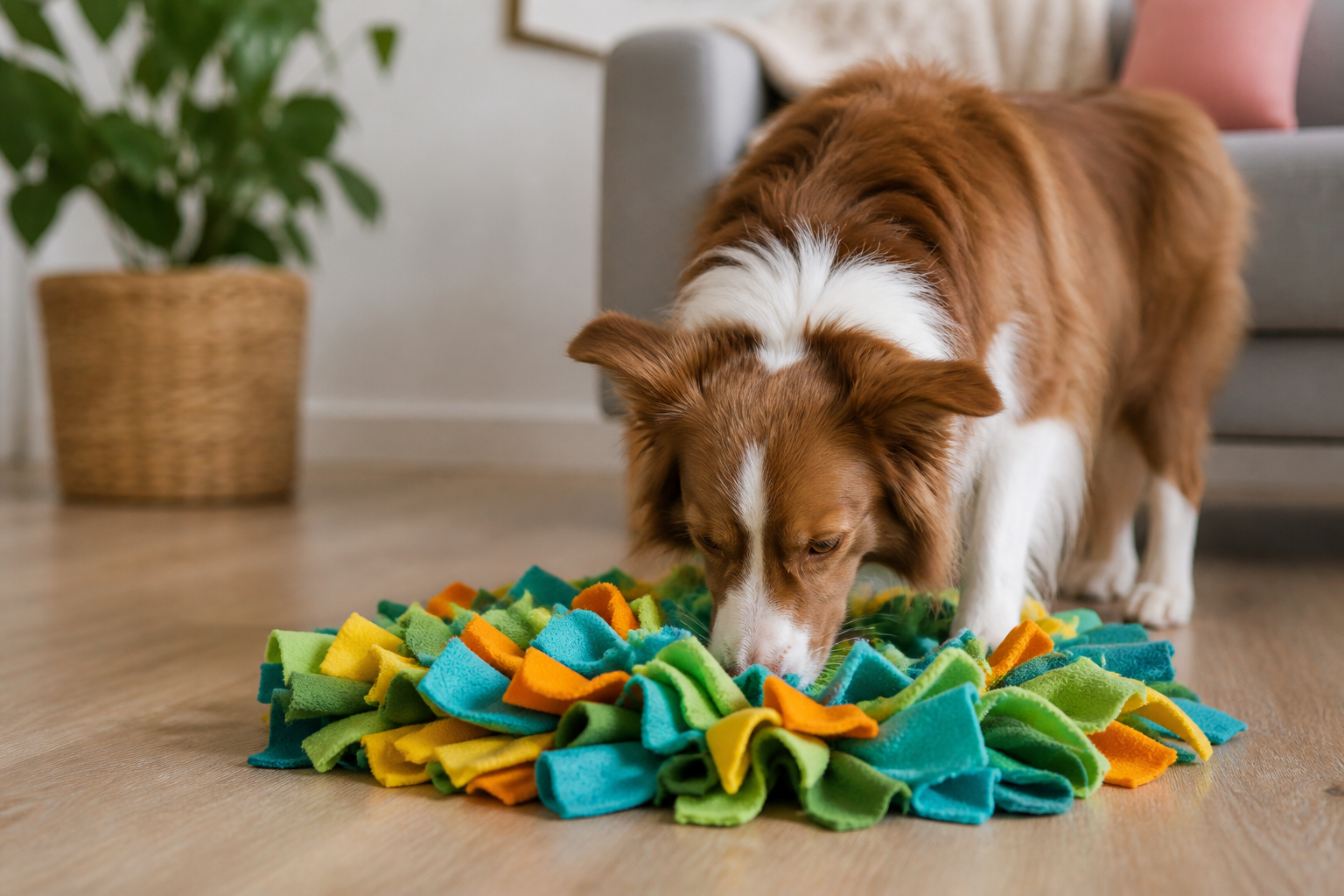
A snuffle mat is a fabric based enrichment toy designed to mimic the experience of foraging in long grass. It usually consists of a sturdy backing with hundreds of strips of soft fabric, like fleece or felt, woven through the base. These strips create deep folds and pockets where you can hide dry food or treats. To get the reward, your dog must use their nose to navigate the fabric, root around, and "hunt" for every last morsel.
Unlike a standard puzzle toy that might require a dog to flip a lid or spin a wheel, a snuffle mat focuses entirely on the olfactory sense. It is a low impact activity, making it accessible for almost every dog regardless of age or physical ability.
The Anatomy of a Snuffle Mat
Most high quality mats use anti-slip backing to keep the toy from sliding across your hardwood floors while your dog works. The fabric strips should be long enough to create a challenge but short enough that the dog does not get frustrated. Some designs incorporate different shapes, such as fabric "cups," "flowers," or "pockets," to vary the difficulty level.
Quick Answer: A snuffle mat is an interactive feeding toy made of fabric strips that hide treats or kibble. It encourages dogs to use their natural foraging instincts, providing mental stimulation and slowing down fast eaters.
Why Dogs Need to Sniff
To understand why a snuffle mat is so effective, we have to look at how a dog perceives the world. While humans rely primarily on sight, a dog’s primary sense is smell. The part of a dog's brain devoted to analyzing odors is roughly 40 times larger than ours. When a dog sniffs, they are not just identifying a scent; they are gathering a massive amount of information about their environment.
The Mental Energy Burn
Many owners are surprised to learn that mental stimulation can be just as tiring as physical exercise. Experts often suggest that 15 minutes of focused sniffing can be the equivalent of a one hour walk in terms of energy expenditure. This is because "scent work" requires a high level of concentration and cognitive processing.
When your dog uses a snuffle mat, they are solving a problem. They have to determine where the scent is strongest, figure out how to move the fabric to reach the food, and stay focused on the task until the mat is empty. This level of engagement triggers the release of dopamine, the "feel good" hormone, which helps dogs feel relaxed and content.
For more ways to channel your dog’s natural instincts indoors, explore these dog brain games and enrichment ideas.
Health Benefits of Foraging Mats
Beyond just curing boredom, these mats offer several tangible health benefits. From managing weight to reducing the risk of dangerous digestive issues, a simple fabric mat can be a powerful wellness tool.
Preventing Bloat and Improving Digestion
If your dog "inhales" their food in seconds, they are at risk for a condition called Gastric Dilatation-Volvulus, commonly known as bloat. This happens when a dog eats too fast and swallows a large amount of air, causing the stomach to twist. It is a life-threatening emergency.
Using a snuffle mat as a primary feeding bowl forces a fast eater to slow down. Instead of taking giant mouthfuls, they have to pick up individual pieces of kibble. This paced eating improves digestion and significantly lowers the risk of choking or regurgitation.
For daily meals, browse our dog food category for dry foods that fit easily into mat folds.
Anxiety Relief and Stress Management
Sniffing is a naturally self-soothing behavior for dogs. You may notice your dog sniffing the ground more intensely when they are in a stressful environment, like a busy park or a new vet's office. This is a "displacement behavior" used to lower their own heart rate.
By providing a snuffle mat during high stress times, such as thunderstorms, fireworks, or when guests arrive, you give your dog a productive way to manage their anxiety. The repetitive motion of searching and the reward of finding food helps to shift their focus away from the perceived threat and onto a rewarding task.
Key Takeaway: Sniffing is a natural calming mechanism for dogs. A snuffle mat provides a healthy outlet for this instinct, helping to manage anxiety and prevent dangerous eating habits like gulping food.
Support for Senior Dogs
As dogs age, they often face mobility issues like arthritis or hip dysplasia. They may not be able to go on the long hikes they once enjoyed. However, their minds remain sharp and need engagement. A snuffle mat allows a senior dog to "work" and burn energy without putting any strain on their joints. It is also an excellent tool for dogs dealing with canine cognitive dysfunction, as it keeps their brain active and challenged.
Vet Tip: For senior dogs or pets with chronic health conditions, mental enrichment is vital for quality of life. If your pet is on a prescription diet or requires specific supplements for joint health or anxiety, our pet pharmacy carries these items through our partnership with Pet's Choice. Always consult your veterinarian before starting a new enrichment routine if your pet has severe respiratory or physical limitations.
Choosing the Best Snuffle Mat for Your Dog
Not all snuffle mats are created equal. When shopping for one, you should consider your dog's size, their chewing habits, and how you plan to use the mat. We carry many options at BaxterBoo that cater to different needs.
Material and Durability
Look for mats made from non-toxic materials like polyester fleece. This fabric is soft on a dog's nose and can withstand the moisture from drool and treat oils. Avoid mats with small plastic parts or loose strings that could be swallowed. If your dog is a heavy chewer, you must be especially careful. No fabric mat is truly "indestructible," so durability often comes down to how you supervise your pet.
Size and Portability
A small Chihuahua does not need a three foot mat, but a Great Dane will find a tiny mat frustrating. Choose a size that allows your dog to stand comfortably over the mat while they work. Many modern mats come with drawstrings that allow them to be folded into a compact "bowl" shape or rolled up for travel. This is great for keeping your dog occupied in a hotel room or at a friend's house.
Complexity and Difficulty Levels
If your dog is new to scent work, start with a simple design with large, open fabric strips. Once they become a "pro sniffler," you can upgrade to a mat with various obstacles.
- Level 1: Basic shag-carpet style strips.
- Level 2: Mats with fabric cups and hidden flaps.
- Level 3: Snuffle balls or 3D mats that require the dog to roll the toy to find the treats.
| Feature | Best For | Benefit |
|---|---|---|
| Large Surface Area | High Energy Dogs | Longer engagement time |
| Suction Cups | Slick Floors | Prevents the mat from moving |
| Drawstring Design | Travel/Mealtime | Converts to a bowl shape |
| Dense Shag | Advanced Snifflers | Highest level of difficulty |
For additional interactive options, browse our dog toys category.
How to Introduce a Snuffle Mat to Your Dog
If you just drop a fully loaded mat in front of an untrained dog, they might get frustrated and try to pick the whole thing up and shake it. A gradual introduction ensures they understand the game.
Step 1: Start Easy
Sprinkle a few high value treats, like freeze dried liver or small pieces of chicken, right on top of the fabric strips. Do not hide them yet. Let your dog see the treats and eat them easily. This builds a positive association with the mat.
Step 2: Increase the Difficulty
Once your dog understands that the mat provides food, start tucking the treats slightly under the top layer of fabric. They will have to move the fabric with their nose to reach the reward. Use a verbal cue like "find it" to signal the start of the game.
Step 3: Add a "Wait" Command
To make the activity even more mentally taxing, have your dog sit and stay in another room while you prepare the mat. This builds impulse control. Only allow them to approach the mat once you give them their release command.
Bottom line: A successful introduction prevents frustration and teaches your dog that "hunting" with their nose is the goal, not shredding the fabric.
For another approach to indoor scent activities, try these indoor enrichment ideas.
Choosing the Right Treats and Kibble
What you put into the mat is just as important as the mat itself. You want to use dry, bite-sized morsels that won't leave a soggy mess in the fabric.
- Dry Kibble: Perfect for daily meal replacement. We recommend brands like NutriSource, Acana, or Orijen for high quality nutrition that fits easily into mat folds.
- Freeze-Dried Treats: Stella and Chewy’s or Vital Essentials offer nutrient-dense, dry treats that have a very strong scent, making them ideal for beginners.
- Crunchy Biscuits: Break larger biscuits into small pieces to scatter them deep into the mat.
- Avoid: Wet food, peanut butter, or greasy treats that will soak into the fleece and become difficult to wash out.
If you are using the mat for training or anxiety relief, remember to subtract the calories from your dog’s daily meal total. It is easy to overfeed when using enrichment toys. If your dog is on a weight management program, consider using their regular kibble instead of high calorie treats. For prescription weight loss foods, our pharmacy can help with home delivery through Pet's Choice.
Cleaning and Maintaining Your Snuffle Mat
Because your dog will be drooling on the mat and food particles will inevitably get trapped, regular cleaning is mandatory. A dirty mat can harbor bacteria and mold, which is a health risk for your pet.
- Shake it out: After every session, take the mat outside and give it a vigorous shake to remove any leftover crumbs.
- Machine wash: Most fleece mats are machine washable. Use a "pet-safe" detergent that is free of heavy perfumes and dyes. Wash on a gentle cycle with cold or warm water.
- Use a laundry bag: To prevent the fabric strips from getting tangled or caught in the machine's agitator, place the mat inside a mesh laundry bag or a pillowcase.
- Air dry: Avoid the dryer if possible, as high heat can damage the rubber backing or shrink the fleece. Hang the mat to dry in a well-ventilated area.
Vet Tip: Always inspect the mat for loose threads or torn fabric after washing. If your dog swallows fabric strips, it can lead to intestinal blockages. If you notice your dog is more interested in chewing the mat than sniffing the treats, end the session and put the mat away.
When to Use a Snuffle Mat
While you can use a snuffle mat every day, there are specific scenarios where it becomes a lifesaver for pet owners.
Rainy Days and Extreme Weather
When a heatwave or a snowstorm makes a long walk impossible, the snuffle mat is your best friend. It provides the "drain" your dog needs for their pent up energy without anyone having to brave the elements.
Post-Surgery or Limited Mobility
If your dog is on "crate rest" following a surgery like a TPLO or spay/neuter, they can become incredibly frustrated. A snuffle mat provides a low energy way to keep them occupied without them jumping or running.
During Your Own Mealtimes
If your dog has a habit of begging at the dinner table, try giving them their own snuffle mat in their "place" or crate while you eat. It keeps them busy and reinforces the idea that they have their own rewards to focus on.
For more ideas to keep your dog mentally engaged, read our guide to dog boredom busters.
Safety and Supervision
Even though snuffle mats are generally safe, they are not chew toys. Supervision is the most important part of using any fabric based enrichment tool.
- Pick it up when empty: Once your dog has found all the treats, take the mat away. If you leave it on the floor, many dogs will begin to chew on the fabric strips out of boredom.
- Watch for "Shakers": Some dogs will figure out that if they pick the mat up and shake it, the treats fall out. If your dog does this, gently take the mat and reset it. The goal is to encourage sniffing, not shaking.
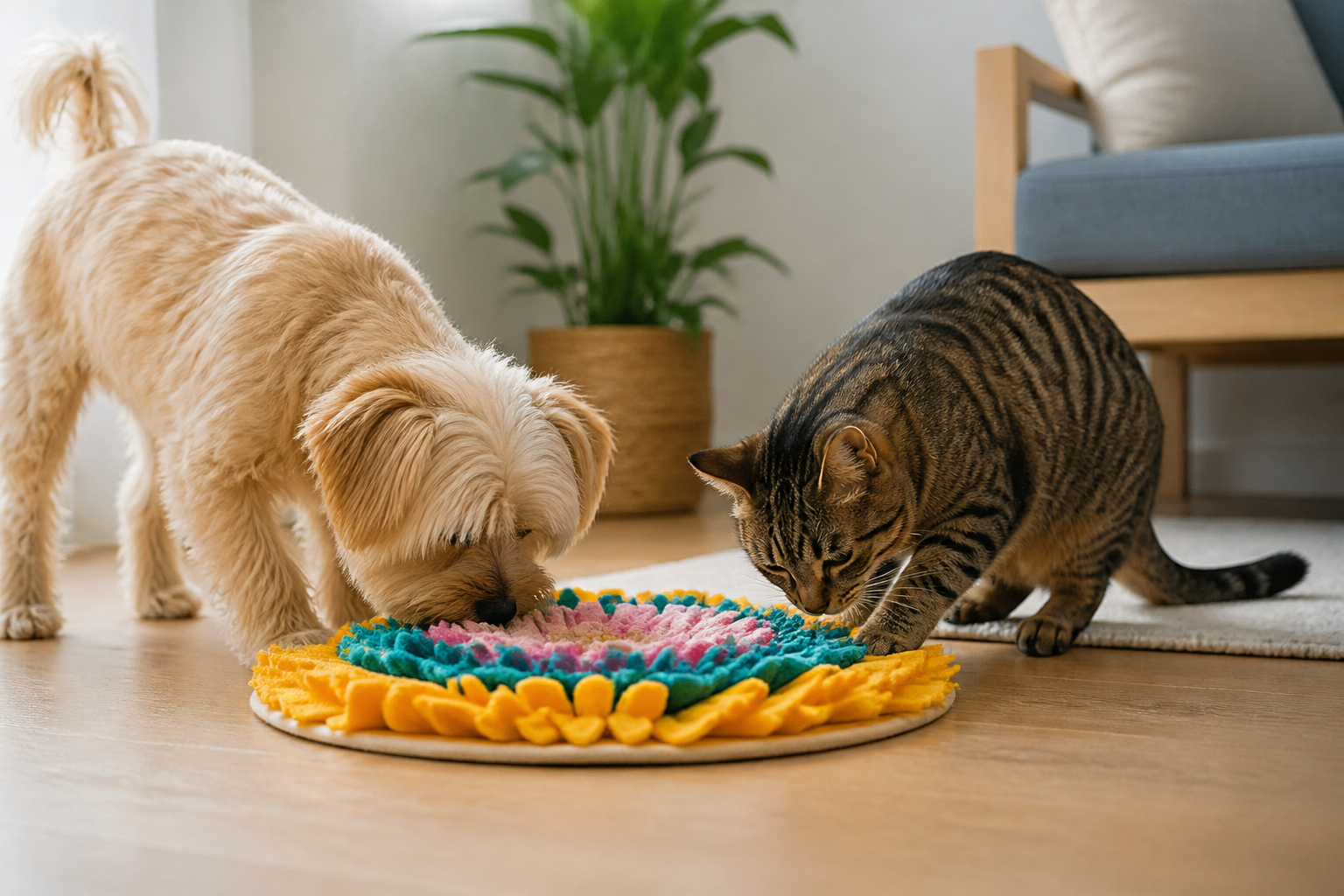
- Resource Guarding: If you have multiple dogs, give them their snuffle mats in separate rooms or behind baby gates. The high value nature of the "find it" game can lead to tension between pets.
Conclusion
A snuffle mat for dog enrichment is one of the most effective tools in a pet owner's arsenal. It addresses the natural biological need to forage while providing a solution for common problems like anxiety, boredom, and fast eating. By spending just a few minutes a day hiding kibble in a mat, you are significantly improving your dog’s mental health and overall happiness.
- Sniffing for 15 minutes burns as much energy as a long walk.
- Foraging mats prevent bloat by slowing down fast eaters.
- They provide a safe, low impact activity for senior and recovering dogs.
If you are ready to start your dog's scent work journey, browse our collection of enrichment toys and high quality treats. Signing up for our Autoship programme is a great way to ensure you never run out of the kibble or treats you need for your daily snuffling sessions, and it earns you a free MVP Gold membership. Visit us at BaxterBoo to find everything you need to keep your pup's nose busy and their tail wagging.
FAQ
Can I leave my dog alone with a snuffle mat?
No, it is not recommended to leave your dog unsupervised with a snuffle mat. Because these mats are made of fabric, a bored or frustrated dog may begin to chew and swallow the strips, which can cause dangerous intestinal blockages. Always pick the mat up and store it out of reach once the treats are gone and the session is over.
What kind of treats work best in a snuffle mat?
Small, dry, and highly fragrant treats are the best choice for a snuffle mat. Freeze-dried liver, small crunchy biscuits, or your dog's regular dry kibble work perfectly because they don't leave a messy residue. Avoid using wet food, greasy treats, or anything that could easily smear into the fabric fibers, as these are difficult to clean and can harbor bacteria.
How often should I wash a snuffle mat?
You should wash your snuffle mat at least once every week if you use it daily, or more often if your dog is a heavy drooller. Food particles and saliva can build up quickly, leading to odors and bacterial growth. Most mats are machine washable on a gentle cycle, but always check the manufacturer's label first and consider using a mesh laundry bag to protect the fabric.
Will a snuffle mat help my dog stop barking at the window?
A snuffle mat can be a helpful tool for redirecting a dog's attention away from "triggers" like people walking past the window. By engaging their nose in a rewarding task, you lower their arousal levels and provide a productive distraction. However, for severe reactive behavior or anxiety, you should consult a professional trainer or your veterinarian to discuss a comprehensive behavior modification plan.