Save 15% on your 1st Autoship learn more

 Email us
 Live Chat
 FAQs
FAQs





Introduction
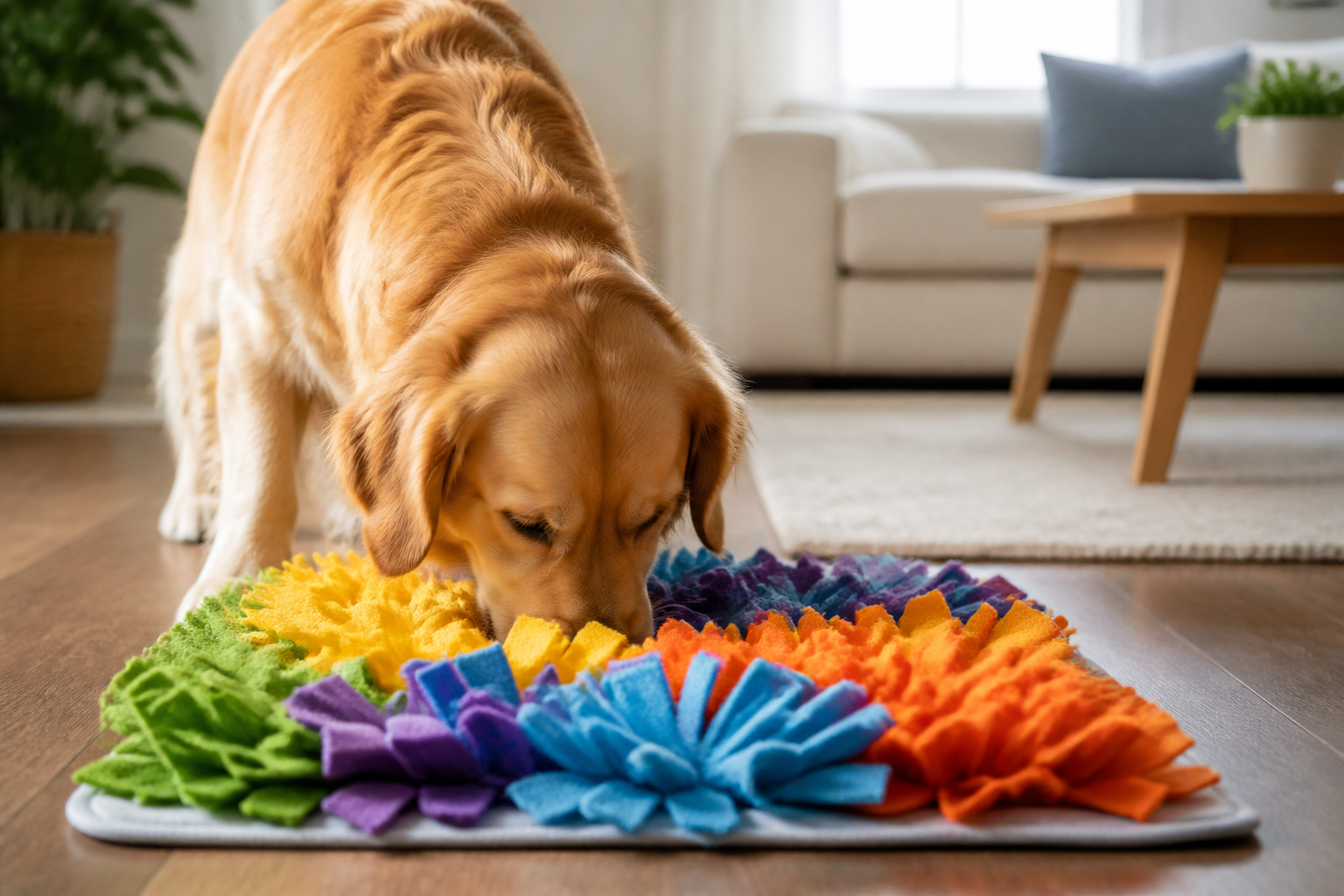
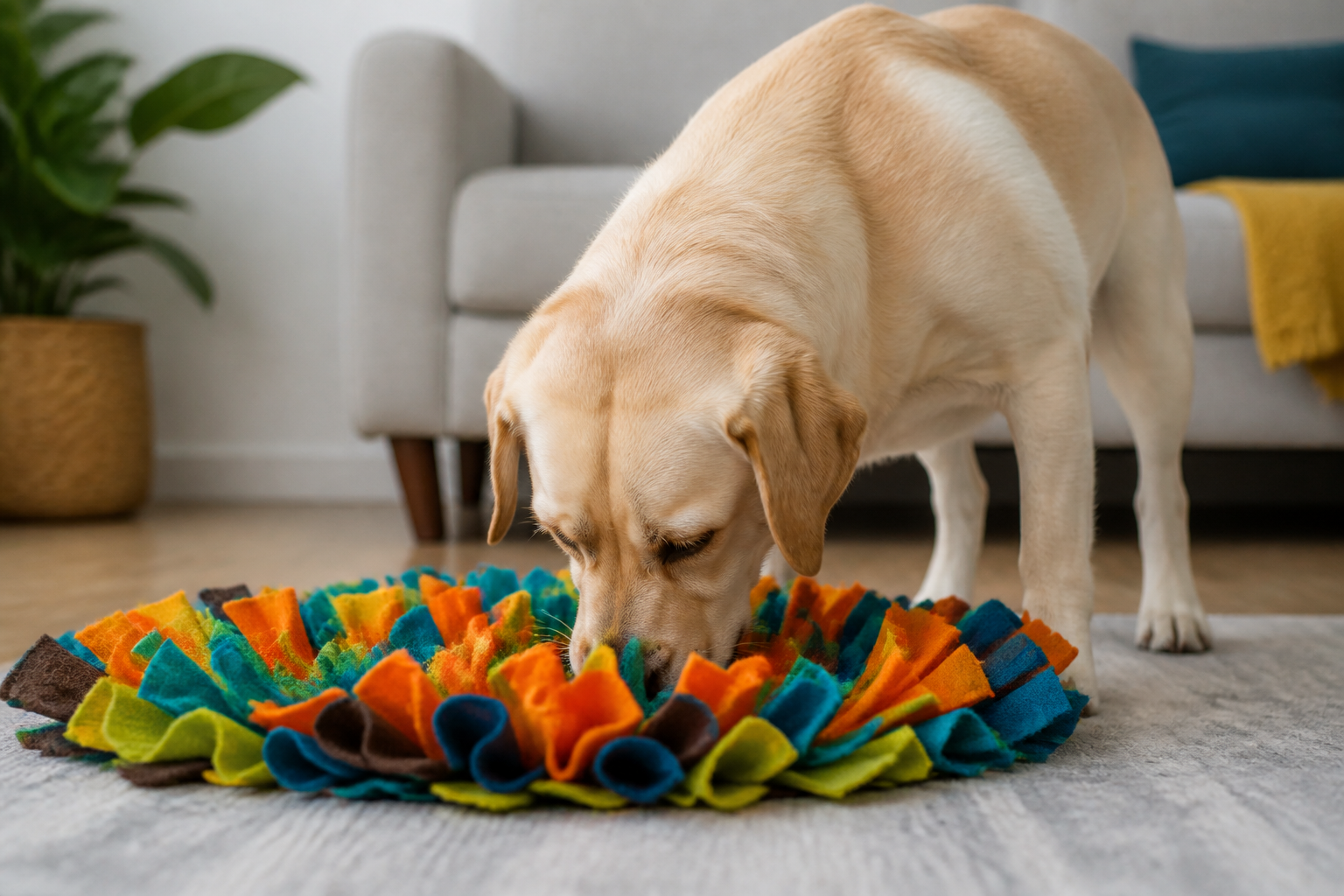
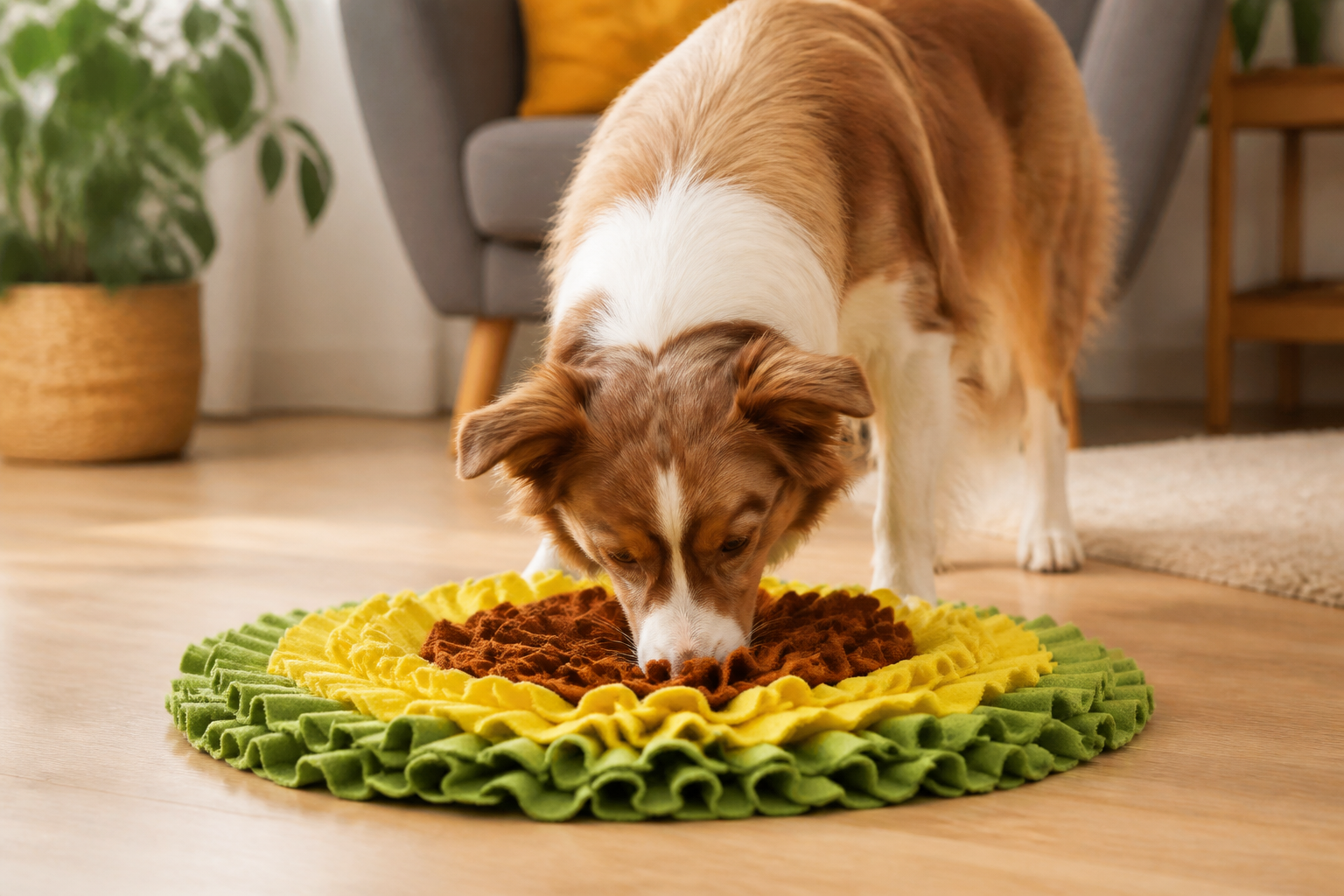
You watch your dog finish a bowl of kibble in under thirty seconds. It feels less like a meal and more like a competitive sport. This speed eating often leads to hiccups, bloating, or a bored pup looking for trouble five minutes later. At BaxterBoo, we know that mental stimulation is just as vital as physical exercise. A snuffle mat is a fantastic solution for foraging fun, but the success of your project depends entirely on the foundation you choose. Finding the right diy snuffle mat base ensures the toy stays in one piece and remains easy to clean. This guide explains how to select a base that is safe, durable, and perfect for your dog’s specific sniffing style.
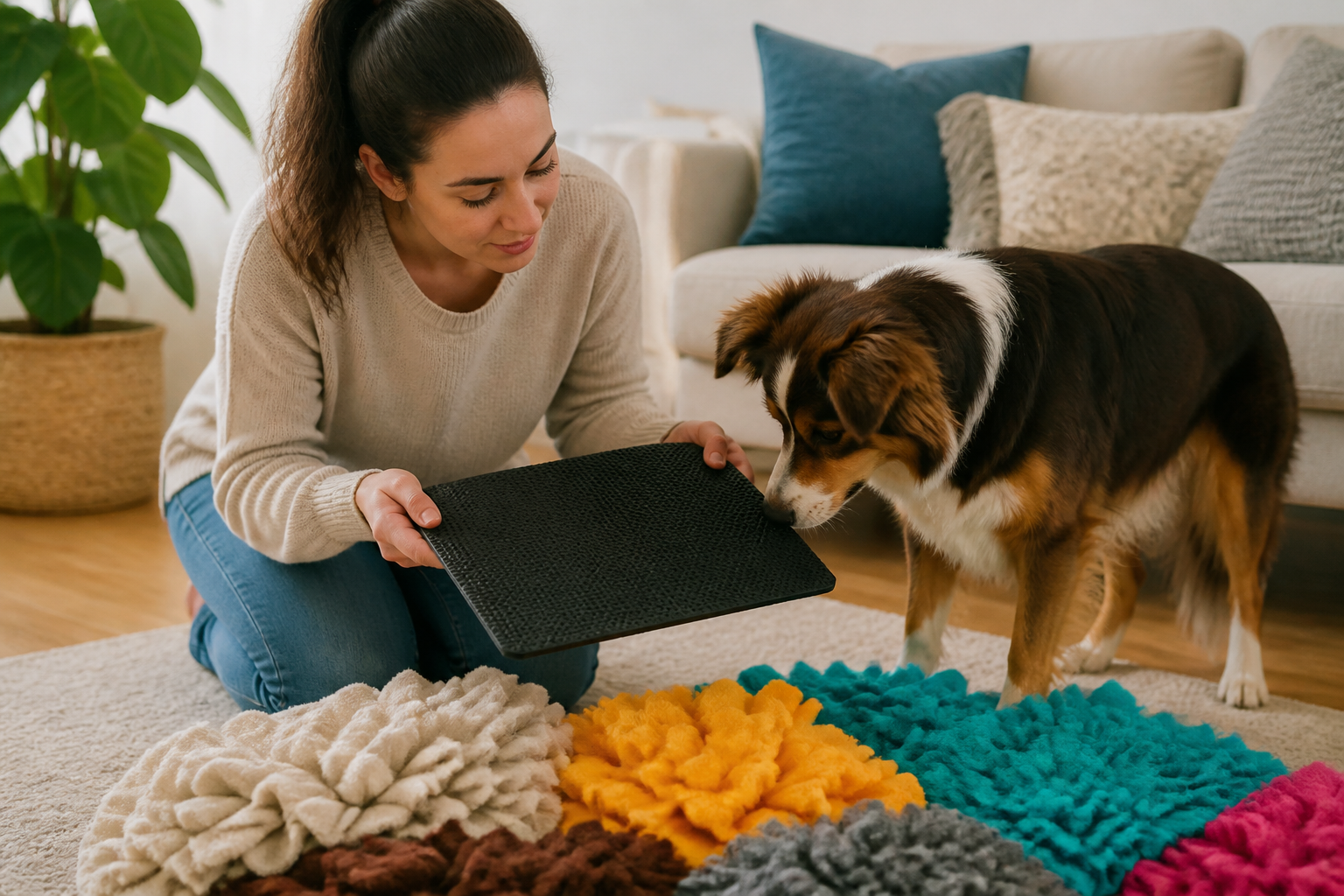
Quick Answer: The best diy snuffle mat base is a flexible rubber or plastic sink mat with pre-drilled holes. This material is durable, provides enough weight to stay on the floor, and allows for easy washing without falling apart.
Why the Right Base is Essential for Success
The base of your snuffle mat acts as the skeleton for the entire project. If the foundation is too flimsy, your dog might simply pick up the whole mat and shake the treats out. This defeats the purpose of the enrichment activity. A good base provides enough structure to keep the fabric strips upright while standing up to a dog’s enthusiastic nose and paws.
When we talk to pet owners about enrichment, we emphasize that durability equals safety. A weak base made of cardboard or thin plastic can break into small pieces. If a dog swallows these fragments, it leads to a quick trip to the veterinarian. Choosing a heavy-duty material like a rubber sink mat or a sturdy drainage grate makes the toy safer for long-term use.
Washability is another huge factor. Since you are hiding food and treats inside the mat, it will eventually get grimy. Saliva and small crumbs of kibble build up over time. A plastic or rubber base can go right into a sink of warm, soapy water. Some can even handle a gentle cycle in the washing machine if they are flexible enough.
Key Takeaway: A sturdy base prevents your dog from "cheating" by shaking the mat and ensures the toy can be sanitized regularly to prevent bacteria buildup.
Top 5 Materials for a DIY Snuffle Mat Base
Not all household items make good bases. You need something with regular, evenly spaced holes that is thick enough to hold a knot but thin enough for you to thread fabric through. Here are the most reliable options we recommend.
1. Rubber or Plastic Sink Mats
This is the gold standard for a diy snuffle mat base. You can find these at most big-box retailers or dollar stores. They are designed to sit in the bottom of a kitchen sink, so they are naturally waterproof and flexible. Look for the "pebble" style or a simple lattice grid. The holes are usually perfectly spaced for tying fleece strips.
2. Anti-Fatigue or Drainage Mats
If you have a large breed dog, a standard sink mat might be too small. Heavy-duty rubber drainage mats are a great alternative. These are often sold at hardware stores for use in workshops or commercial kitchens. They are very heavy, which is great for "power snufflers" who tend to move their toys across the room. You may need to cut these down to size using heavy-duty shears.
3. Plastic Canvas or Cross-Stitch Mesh
For tiny puppies or small breeds like Chihuahuas, a heavy rubber mat might be overkill. Large-count plastic canvas used for needlepoint can work as a base for a mini mat. It is very lightweight, so it is only suitable for dogs who are gentle foragers. Be sure the mesh is thick enough that it will not snap when the fabric is pulled.
4. Rigid Plastic Grates
Some DIY enthusiasts use plastic egg crate louvers, which are typically found in the lighting section of hardware stores. These provide a very firm base. However, they are rigid and can crack if stepped on by a human or a large dog. We generally suggest flexible options over rigid ones for better longevity.
5. Heavy Fleece with Slits
If you want a base that is 100 percent fabric, you can use a thick, double-layered piece of heavy fleece. You simply cut small slits in the base fabric and tie your strips through them. While this is the most comfortable option for the dog, it lacks the weight to stay flat on the floor during vigorous sniffing.
Note: Always check that your chosen material is non-toxic and does not have a strong chemical odor, as this can interfere with your dog's ability to scent the treats.
Sizing Your Snuffle Mat Base
The size of the base should match your dog’s size and the length of their meal. A mat that is too small for a large dog will be frustrating and easy to flip over. A mat that is too big for a tiny puppy might be overwhelming.
- Small Dogs (under 20 lbs): A base around 10 inches by 10 inches is usually sufficient.
- Medium Dogs (20–50 lbs): Look for a base that is approximately 12 inches by 15 inches.
- Large Dogs (over 50 lbs): A base of 18 inches by 18 inches or larger is ideal.
If you find a sink mat you love but it is too small, you can join two of them together. Use plastic zip ties to connect the edges of the mats. Make sure to pull the zip ties tight and trim the ends. Once you tie your fleece strips over the seam, your dog will never know there are two separate bases.
Bottom line: Match the base size to your dog's snout size and energy level to ensure the mat stays grounded during use.
Preparing the Fabric Strips
Once you have your diy snuffle mat base, you need the right material to create the "grass" where the treats will hide. Fleece is the best choice because it does not fray when cut. This means you do not have to worry about long threads getting wrapped around your dog's tongue or teeth.
You will need roughly one to two yards of fleece depending on the size of your mat. Cut the fleece into strips that are about 1 inch wide and 7 to 8 inches long. If the strips are too short, they will be hard to tie. If they are too long, the mat will be floppy and won't hold the treats up near the surface.
Cutting Checklist
- Use sharp fabric scissors or a rotary cutter for clean edges.
- Ensure all strips are roughly the same length for a uniform look.
- Check that the fleece is clean and free of any factory chemical smells.
- Group your strips by color if you want to create a specific pattern or design.
Construction: Tying the Strips to the Base
Building the mat is a repetitive process that is perfect to do while watching a movie. There are two main ways to tie your strips to the diy snuffle mat base.
Step 1: Start at one corner. Thread one end of a fleece strip through the first hole and the other end through the hole immediately next to it.
Step 2: Tie the ends into a single overhand knot. There is no need to double knot fleece, as the fabric is naturally "grippy" and will stay put.
Step 3: Move across the row, tying a strip between every pair of holes.
Step 4: Once the first row is done, move to the second row.
Step 5: For a truly dense mat, you can also tie strips diagonally between the rows. This fills in any small gaps where kibble might fall through to the floor.
Vet Tip: While snuffle mats are excellent for mental health, always supervise your dog during use. If your dog starts chewing on the base or pulling out the strips, take the mat away. This prevents accidental ingestion of fabric or plastic pieces.
The Health Benefits of Foraging
Using a snuffle mat is about more than just fun. It serves several practical health purposes. For dogs who suffer from "scarf and barf" (eating so fast they immediately vomit), a snuffle mat acts as a natural slow feeder. It forces them to use their nose and tongue to find every single piece of kibble.
Sniffing is also a calming activity for dogs. It lowers their heart rate and provides a healthy outlet for their natural instincts. This makes it a great tool for dogs with mild separation anxiety or those who are on crate rest due to an injury. For more ideas, explore our guide to dog brain games.
If your dog is on a weight management plan, a snuffle mat is a lifesaver. It makes a small amount of food last much longer, which helps the dog feel more satisfied. Our dog food selection includes dry options you can use in your DIY mat to turn a diet meal into a game.
Key Takeaway: Snuffle mats transform mealtime from a 30-second event into a 15-minute mental workout that supports digestion and reduces stress.
Maintenance and Cleaning Tips
Since the diy snuffle mat base is usually made of plastic or rubber, cleaning is straightforward. However, the fleece strips will hold onto moisture and smells.
- Shaking it out: After every use, take the mat outside and give it a good shake. This removes any leftover crumbs or saliva-coated dust.
- Hand washing: Fill a bathtub or large sink with warm water and a small amount of pet-safe detergent. Submerge the mat and agitate it with your hands. Rinse thoroughly.
- Air drying: Always air dry your snuffle mat. Putting a rubber or plastic base in a hot dryer can melt the base or warp the shape. Hang it over a shower rod or a deck railing to dry completely.
- Inspection: Every time you clean the mat, inspect the base. Look for any cracks in the plastic or loose zip ties. Replace any damaged sections immediately.
Common Mistakes to Avoid
When choosing your diy snuffle mat base, it is easy to pick something that looks good but performs poorly. Avoid using metal cooling racks from the kitchen. These are too hard on a dog's nose and can have sharp edges that scratch the snout.
Another mistake is using a base with holes that are too small. If you have to struggle to pull the fleece through with a pair of pliers, you will be exhausted before you finish the first row. The holes should be large enough that you can easily thread the fabric through with your fingers or a simple crochet hook.
Finally, do not make the mat too thin. If you can see the diy snuffle mat base through the fleece, it is not dense enough. A thin mat allows the treats to fall straight through to the floor, which means the dog does not have to work for them. Add more strips until the fleece looks like a thick, plush rug.
Bottom line: Focus on density and safety when building your mat to ensure it provides the maximum enrichment value.
Using the Mat for Behavioral Support
At BaxterBoo, we see how enrichment toys like snuffle mats help pets navigate stressful situations. If your dog is afraid of thunderstorms or fireworks, a snuffle mat can provide a much-needed distraction. The focused sniffing helps "turn off" the panic part of the brain and engages the problem-solving part. Our selection of dog toys offers additional options for rotating enrichment activities.
For senior dogs with limited mobility, a snuffle mat provides a way to burn energy without needing a long walk. It keeps their minds sharp even when their joints are stiff. If your senior dog needs extra support, you can explore our pet pharmacy for available products.
Introduction to Different Food Types
You do not have to stick to standard kibble in your snuffle mat. You can use a variety of dry treats to keep the game interesting.
| Food Type | Best Use Case |
|---|---|
| Standard Kibble | Daily meal replacement and slow feeding. |
| Dehydrated Meat | High-value rewards for training or stress relief. |
| Crunchy Biscuits | Broken into small pieces for extra foraging difficulty. |
| Freeze-Dried Raw | Very aromatic treats that encourage a strong nose response. |
Avoid using wet food or "greasy" treats in the mat. These will coat the fleece strips in residue that is very difficult to wash out and can lead to mold growth. Stick to dry, crumbly, or freeze-dried options for the best experience. You can browse our freeze-dried treat collection for aromatic options.
Building a Routine
Once you have completed your project with the perfect diy snuffle mat base, introduce it to your dog slowly. Place a few treats right on top of the fleece so they get an immediate reward. As they understand the game, start hiding the treats deeper into the strips.
We recommend using the mat two to three times a week. If you use it for every single meal, the novelty might wear off. By rotating it with other toys or puzzle feeders, you keep the enrichment fresh and exciting. For more ideas, read our guide to dog boredom busters.
Conclusion
Creating a custom enrichment toy starts with a solid foundation. Choosing a high-quality diy snuffle mat base like a rubber sink mat or heavy-duty drainage grate ensures your dog has a safe, durable, and washable toy. This project is an affordable way to improve your dog's digestive health and mental well-being. Once you see the joy and focus your dog brings to their mat, you will realize it was well worth the effort.
To keep your new snuffle mat stocked with the best foraging fuel, check out our dog treats and dry food selections. You can even set up our Autoship programme to ensure you never run out of your pet's favorite snacks.
FAQ
What is the best material for a diy snuffle mat base?
The most popular and effective material is a heavy-duty rubber or plastic sink mat. These are flexible, waterproof, and have pre-made holes that are perfectly spaced for tying fabric strips. They provide enough weight to stay flat on the floor while being gentle on your dog's nose and paws.
Can I wash a snuffle mat in the washing machine?
If you used a flexible rubber or plastic base, you can often wash it on a gentle cycle in a mesh laundry bag. However, air drying is mandatory. The high heat of a dryer can melt the rubber base or damage the fleece strips, causing the mat to lose its shape or become unsafe.
How many fleece strips do I need for a standard base?
For a typical 12 inch by 15 inch sink mat, you will usually need between 150 and 200 fleece strips. This depends on how dense you want the mat to be and how many holes the base has. It is always better to cut extra strips so you can fill in any thin spots for a plusher finish.
Is a snuffle mat safe for cats to use?
Yes, cats can benefit greatly from the mental enrichment of a snuffle mat. Use a smaller base and hide high-quality cat treats or dry kibble inside the strips. It is a great way to encourage indoor cats to use their natural hunting instincts and stay active during the day.