
 Save 15% on your 1st Autoship learn more

 Email us
 Live Chat
 FAQs
FAQs





Introduction
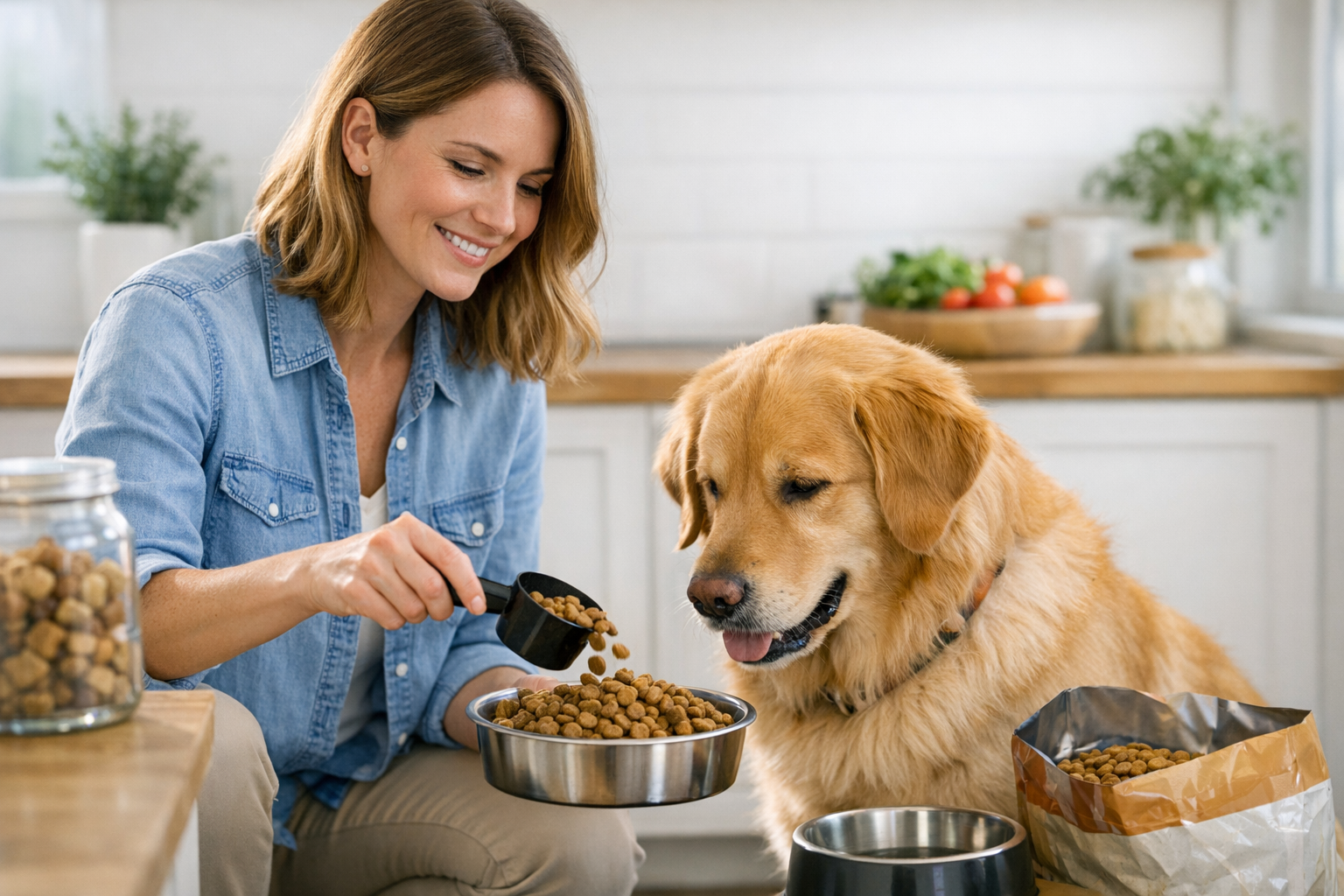
You fill the bowl with high-quality kibble and set it down. Your dog wanders over, sniffs the food, and then walks away with a sigh. It is a common moment of frustration for many pet owners. You want to make sure your dog is getting the right nutrition without the daily struggle. At BaxterBoo, we hear from owners every day who are looking for ways to make dry food more appealing and nutritious. Feeding dry food is more than just pouring a scoop into a bowl. It involves proper portioning, timing, and often a bit of extra hydration to keep your dog healthy. This guide will show you how to master the art of feeding kibble to support your dog’s long-term wellness.
If you are comparing options, start with our dog food category.
Understanding Portions and Feeding Charts
The first step in feeding dry food is knowing exactly how much to give. Every bag of food comes with a feeding chart. These charts are helpful, but they are only a starting point. Most charts provide a range based on weight. If your dog is highly active, they will likely need the higher end of that range. A dog that spends most of the day on the couch should stay on the lower end.
Age is another major factor. Puppies have very high energy needs because they are building bone and muscle. They often require more calories per pound than adult dogs. Senior dogs may have slower metabolisms. They might need a lower-calorie formula to avoid gaining extra weight. We recommend checking your dog's weight regularly. You should be able to feel their ribs but not see them poking out.
Key Takeaway: Feeding charts are estimates that you should adjust based on your dog’s age, activity level, and body condition.
Dividing Daily Totals into Meals
Most adult dogs do well with two meals per day. This helps keep their blood sugar stable. It also prevents them from getting too hungry between feedings. Puppies usually need three or four small meals. Their small stomachs cannot handle a full day of calories in one sitting.
If you have a large breed dog, be careful about meal size. Eating a large amount of dry food too quickly can lead to bloat. This is a serious medical emergency. Using a slow feeder bowl can help. These bowls have ridges that force your dog to pick at the kibble. This naturally slows down their eating pace.
The Importance of Adding Moisture
Dry food is convenient and shelf-stable. However, it is very low in moisture. Most kibble contains only about 10 percent water. In the wild, a dog’s diet would be much more hydrating. Adding moisture to dry food is one of the simplest ways to improve your dog's health.
Water helps the kidneys filter out waste. It also makes the food much easier to digest. When you add liquid, the kibble begins to break down before it even hits the stomach. This can reduce gas and bloating. It also makes the food smell much more appetizing to a picky eater.
Using Water and Broth
You do not need fancy ingredients to hydrate kibble. Plain, filtered water is a great choice. Use warm water rather than cold. Warm water releases the fats and aromas in the food. This makes it smell like a fresh meal rather than a dry snack.
If your dog needs more encouragement, try a low-sodium broth. We carry several bone broths at BaxterBoo that are specifically formulated for pets. Avoid human-grade canned broths. These often contain onions or high levels of salt. Salt is hard on a dog's kidneys. Stick to pet-safe liquids like goat milk or plain water.
- Use a 1:1 ratio of water to kibble for a stew-like consistency.
- Let the food soak for two to five minutes.
- Discard any uneaten moistened food after 30 minutes to prevent bacteria growth.
- Keep a fresh bowl of plain water available at all times.
Vet Tip: If your dog has a history of urinary crystals or kidney issues, adding moisture to every meal is a vital step in their care plan.
Strategies for Picky Eaters
Some dogs are simply bored with their food. Others may be holding out for table scraps. If your dog is healthy but refusing dry food, you can use toppers to increase interest. Toppers add variety without completely changing the base diet. This is helpful for dogs with sensitive stomachs who do not handle sudden food changes well.
Wet food is a classic topper. You can mix a spoonful of canned food into the dry kibble. This coats the dry pieces in a tasty gravy. Freeze-dried raw toppers are another popular option. Brands like Stella & Chewy's or Vital Essentials offer morsels that you can crumble over the bowl. These provide a boost of protein and intense flavor.
The Problem with Table Scraps
It is tempting to share your dinner with a begging dog. However, this often leads to picky behavior. If a dog knows a piece of chicken might fall from the table, they will ignore their kibble. Human food is also often too fatty for dogs. It can lead to weight gain or even pancreatitis.
If you want to give your dog a treat, use healthy options from our dog treats collection. Green beans, carrots, or plain blueberries are excellent low-calorie choices. Keep these as occasional rewards. They should not make up more than 10 percent of your dog's daily calories. This ensures they still get the balanced nutrients they need from their dry food.
Bottom line: Using healthy toppers and avoiding table scraps will help your dog stay interested in their daily meals without compromising their health.
Transitioning to a New Dry Food
Sometimes a dog refuses food because they truly do not like the recipe. You might need to switch brands or protein sources. Never switch a dog's food overnight. This almost always leads to upset stomachs or diarrhea. A slow transition allows the digestive system to adjust to new ingredients.
Start by mixing a small amount of the new food with the old food. Over the course of a week, slowly increase the new food while decreasing the old. This gradual change helps your dog accept the new flavor and texture.
Step 1: Days 1 and 2. Mix 25 percent new food with 75 percent old food. Step 2: Days 3 and 4. Mix 50 percent new food with 50 percent old food. Step 3: Days 5 and 6. Mix 75 percent new food with 25 percent old food. Step 4: Day 7. Serve 100 percent new food.
For more practical help on adding moisture without shocking your dog’s routine, see our guide to switching from dry to wet dog food.
Feeding for Life Stages and Sizes
A Great Dane has very different nutritional needs than a Chihuahua. Small breed dogs often have faster metabolisms. They need calorie-dense kibble in very small sizes. Large breed dogs need help protecting their joints. They benefit from food that contains glucosamine and chondroitin.
Puppies need specific "Puppy" or "All Life Stages" formulas. These have the correct ratio of calcium and phosphorus for bone growth. Feeding a large breed puppy adult food too early can cause them to grow too fast. This leads to joint problems later in life. Most dogs can transition to adult food around one year of age. Giant breeds may stay on puppy food for up to 18 or 24 months.
Senior Dog Considerations
As dogs age, their senses may dull. They might not smell their food as well as they used to. This can lead to a loss of appetite. Senior dogs also tend to be less active. They need fewer calories to maintain a healthy weight.
Many senior-specific dry foods have softer textures or smaller kibble sizes. This is helpful if your dog has lost teeth or has gum sensitivity. We stock many senior-friendly brands that focus on cognitive health and joint support. If your senior dog stops eating, do not assume it is just old age. It is important to check for underlying health issues.
If appetite loss seems tied to overall wellness, browse our dog healthcare category.
Quick Answer: Feed your dog based on their specific life stage. Puppies need growth formulas for bone development, while seniors require lower-calorie diets that are easier to chew and digest.
When to See a Veterinarian
A healthy dog will rarely starve themselves. If your dog suddenly stops eating dry food, it could be a sign of a medical problem. Dental pain is a very common cause of inappetence. If it hurts to crunch, your dog will avoid the bowl.
Watch for other symptoms alongside the refusal to eat. These include lethargy, vomiting, or changes in drinking habits. If your dog goes more than 24 hours without eating, you should call your vet. This is especially true for small breeds and puppies. They can become dehydrated or weak very quickly.
Managing Chronic Health Conditions
Some dogs require a specific diet to manage health problems. This might include kidney disease, allergies, or obesity. These conditions often require prescription pet foods. BaxterBoo offers a convenient way to get these specialized diets. Through our partnership with Pet's Choice, our pet pharmacy can fulfill orders for prescription dog foods and FDA-approved medications.
Managing a chronic condition is a long-term commitment. Prescription diets are formulated with precise levels of minerals and proteins. They are an essential part of a treatment plan. If your vet suggests a medicated diet, we can help you set up a regular delivery. This ensures you never run out of the food your dog needs to stay stable.
Vet Tip: Always consult your veterinarian if your dog shows a sudden change in appetite. They can rule out dental disease, infections, or internal issues before you try changing their diet.
Maintaining Freshness and Storage
How you store dry food matters just as much as how you serve it. Exposure to air and light can cause the fats in kibble to go rancid. This ruins the flavor and can make your dog sick. Many owners pour the food into a plastic bin. This is actually not the best method.
The best way to store kibble is inside its original bag. Most high-quality dog food bags have a moisture barrier. They are designed to keep the food fresh. Place the entire bag inside a sealable container. This provides an extra layer of protection against pests and air.
- Keep the food in a cool, dry place.
- Do not store food in a garage where temperatures fluctuate.
- Wash your dog's bowl daily with hot, soapy water.
- Check the expiration date on the bag before purchasing.
Proper storage keeps the food smelling fresh to your dog. If the bag has been open for more than a month, the smell may fade. This is another reason a dog might lose interest in their dry food. Buy bag sizes that your dog can finish within three to four weeks.
For a deeper look at storage timelines, read how long dry dog food stays fresh once opened.
Creating a Positive Feeding Environment
Where you feed your dog is just as important as what you feed them. A busy kitchen can be distracting for a nervous dog. If there is a lot of noise or foot traffic, they might feel they have to guard their food. This leads to stress.
Choose a quiet, low-traffic area for mealtime. If you have multiple pets, feed them in separate rooms. This prevents "food competition." When a dog feels they have to rush to finish before another pet takes their food, they are more likely to choke or suffer from indigestion.
Using Food for Enrichment
Dry food does not always have to be served in a bowl. You can use your dog's daily portion for training or play. This is a great way to provide mental stimulation. It also builds a stronger bond between you and your dog.
Try hiding small amounts of kibble around the house for a "scent game." You can also use puzzle toys. These toys require the dog to nudge or roll them to get the food out. It mimics the natural foraging behavior of a dog's ancestors. This can make mealtime the highlight of their day.
If you want more ideas for cost-conscious feeding routines, take a look at discounted dog food tips for stretching your budget.
Key Takeaway: Using kibble for enrichment and providing a quiet feeding space can reduce stress and improve your dog's relationship with their food.
Conclusion
Feeding your dog dry food is a daily opportunity to support their health. By measuring portions accurately, you can prevent obesity and joint strain. Adding warm water or pet-safe broth provides the hydration their kidneys need. If you are dealing with a picky eater, remember to use toppers sparingly and avoid the temptation of table scraps.
We are proud to carry over 500 brands at BaxterBoo, from premium everyday kibble to specialized prescription diets. Our team has been helping pet owners find the right solutions since 2006. Whether you are looking for a new flavor or need to manage a health condition, we have the expert curation to help your dog thrive.
- Always measure food with a standard measuring cup.
- Hydrate kibble to support kidney and digestive health.
- Stay consistent with feeding times and locations.
- Consult your vet for any sudden changes in appetite.
The easiest way to stay on top of your dog's nutrition is through our Autoship programme. You can save on your first order and ensure your dog never misses a meal.
It also pairs well with the MVP Rewards programme for extra savings on future purchases. Check out our Dog Food category to find the perfect recipe for your best friend.
FAQ
How long can I leave dry food in the bowl?
You can typically leave plain dry kibble out for up to 24 hours, but we recommend a 30-minute window. If you add water, broth, or wet food toppers, you must pick up the bowl after 30 minutes. Moistened food can grow bacteria quickly, especially in warm weather. Regular meal times also help you monitor exactly how much your dog is eating.
Is it okay to mix different brands of dry food?
You can mix brands, but it is important to do so carefully. Every brand has a different caloric density, so you will need to recalculate the portion sizes to avoid overfeeding. If your dog has a sensitive stomach, mixing brands might cause digestive upset. Most owners find it easier to stick to one high-quality brand and rotate protein sources within that brand instead.
Does dry food actually clean a dog's teeth?
While some dental-specific kibbles are designed to scrub teeth, standard dry food does not provide much cleaning. Most dogs swallow kibble whole or crush it into small pieces that can actually get stuck between teeth. We recommend supplementally using dental chews or regular brushing. Dry food is a great nutritional base, but it should not be your only plan for oral hygiene.
Why does my dog only eat their dry food at night?
Some dogs are "social eaters" or prefer to eat when the house is quiet and they feel safe. If your dog is healthy and maintaining their weight, eating once a day in the evening is usually not a concern. However, if they are refusing food all day and seem lethargic, it could be a sign of a digestive issue. Always ensure they have access to water throughout the day even if they choose to wait for dinner.






