Save 15% on your 1st Autoship learn more

 Email us
 Live Chat
 FAQs
FAQs





Introduction
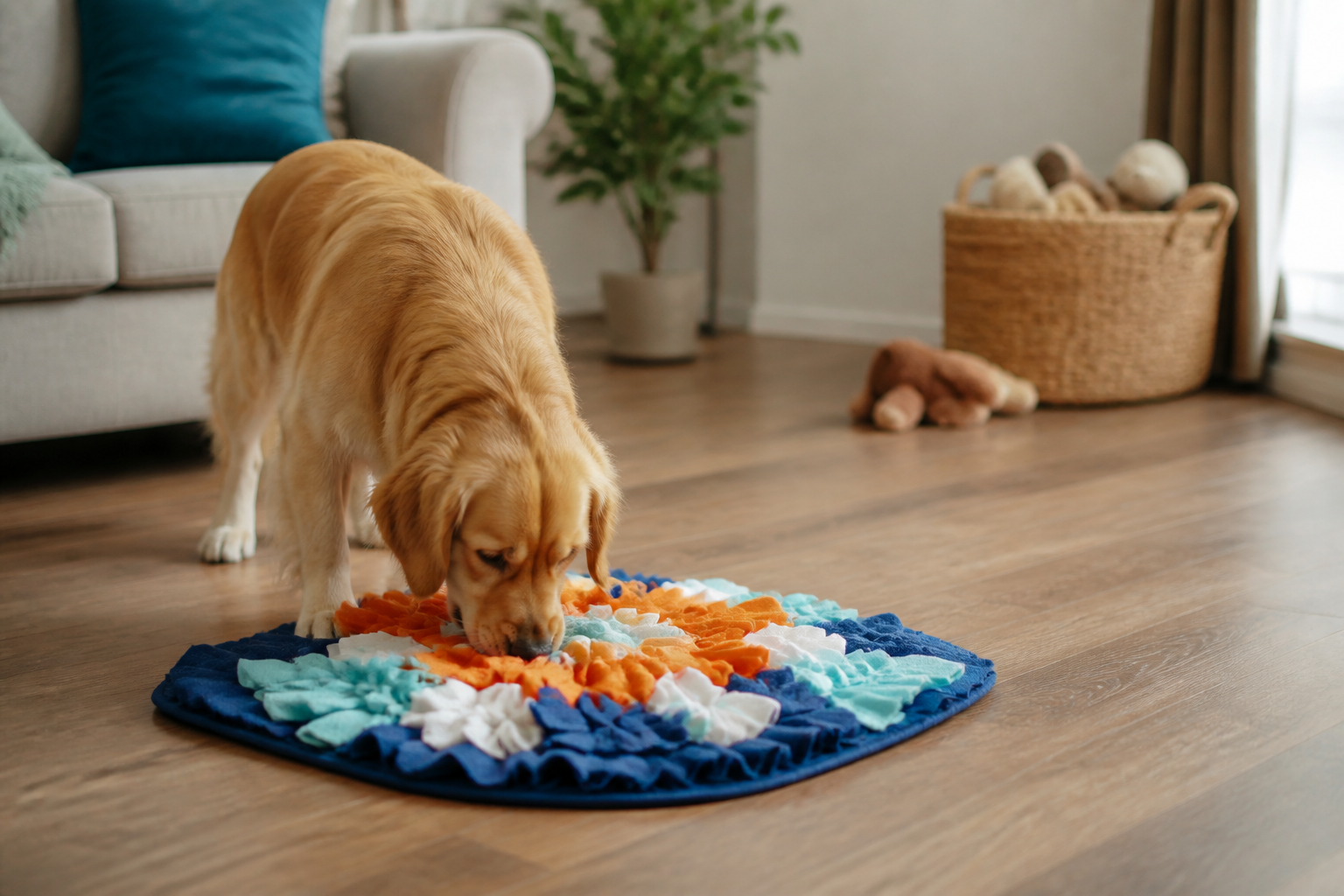
You place the food bowl on the floor and stand up. Before you can even put the bag back in the pantry, your dog has finished every bite. This "scarfing" behavior is common, but it often leaves dogs feeling bored and physically unsatisfied. Many pet owners at BaxterBoo ask us how to slow down fast eaters without spending a fortune on complex gadgets. The answer is often a cheap snuffle mat. This post covers the science behind scent work, how to choose a budget-friendly mat, and even how to make one yourself for less than ten dollars. Using a mat can turn a thirty-second meal into twenty minutes of mental exercise. We will help you find a durable option that keeps your pet engaged and your wallet full.
The Science of the Sniff
Dogs experience the world primarily through their noses. While humans rely on vision, a dog has up to 300 million scent receptors. For comparison, humans have about six million. When a dog sniffs, they are not just looking for food. They are gathering data, processing information, and engaging their brain in a way that physical exercise cannot match.
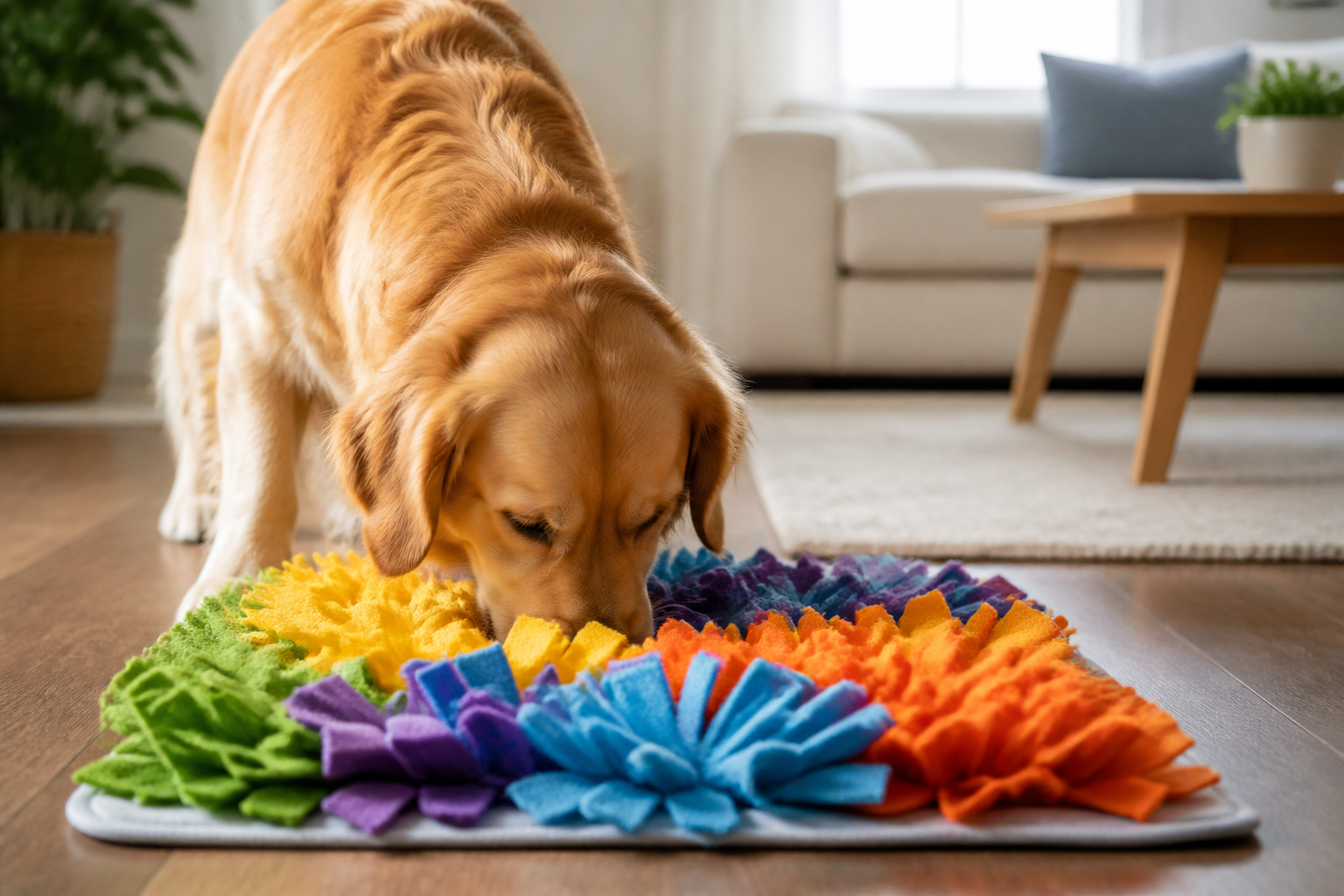
A snuffle mat taps into the natural foraging instinct. In the wild, canines spend hours searching for food. Modern life has removed this need, which can lead to anxiety and destructive behaviors. Using a mat mimics the act of hunting through tall grass. Research shows that animals that forage for their food are generally happier and more relaxed.
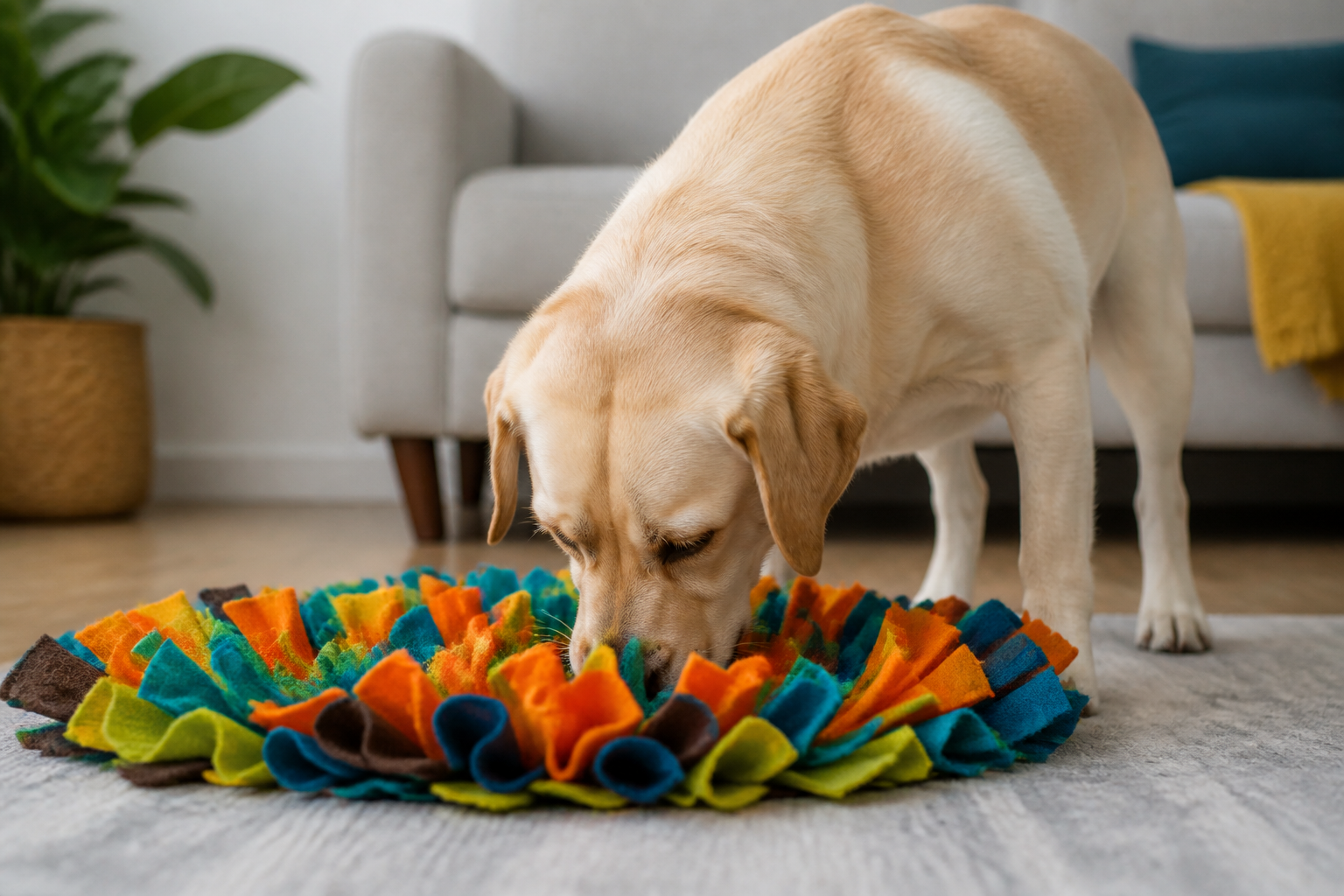
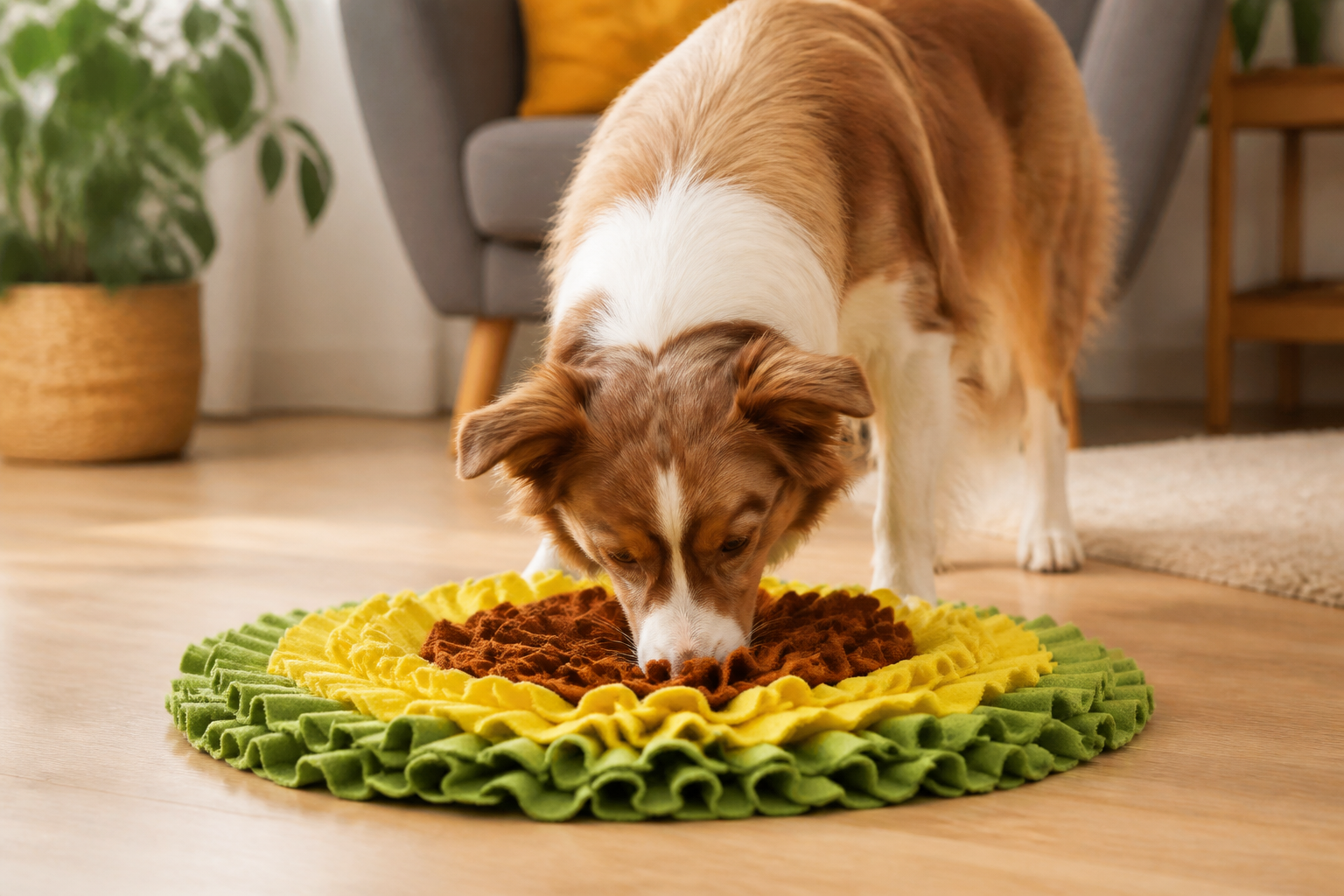
Quick Answer: A snuffle mat is a fabric puzzle toy that hides dry food or treats. It encourages dogs to use their sense of smell to "hunt" for their meal, providing mental stimulation and slowing down fast eaters.
The physical effort of sniffing is also surprising. It increases a dog's respiration rate and focuses their heart rate. Many experts agree that fifteen minutes of intense sniffing can tire a dog out as much as a one-hour walk. This makes a budget snuffle mat a vital tool for rainy days or for dogs recovering from an injury who cannot run. For more ideas, explore dog brain games and scent-based activities.
Why a Cheap Snuffle Mat is a High Value Tool
You do not need to spend fifty dollars to give your dog a great enrichment experience. A cheap snuffle mat can be just as effective as a luxury version if it meets a few basic criteria. The goal is to provide enough "hiding spots" to make the dog work for the reward.
Using a budget-friendly mat provides several key benefits:
- Bloat Prevention: Eating too fast can cause dogs to swallow air, leading to a dangerous condition called bloat. A mat forces them to take one kibble at a time.
- Anxiety Reduction: Scent work lowers cortisol levels. It is a great way to calm a dog during thunderstorms or fireworks.
- Mental Enrichment: It solves boredom without requiring the owner to be active for long periods.
- Weight Management: Because the dog eats slower, they feel full faster. You can use their regular kibble as the "treat" to avoid extra calories.
Key Takeaway: Value is about durability and design, not just the price tag. A good budget mat should have dense fabric strips and a sturdy base.
Store-Bought vs. DIY: Which is Right for You?
When looking for a cheap snuffle mat, you have two main paths. You can buy a pre-made mat from a retailer or build one at home. Both have pros and cons.
Buying a Budget Mat
Many manufacturers produce mats made of felt or fleece. These often come with non-slip bottoms or suction cups. This is a great choice if you want something ready to use immediately. When shopping, look for "bowl-style" mats that can cinch closed. These are easier to store and can be made more difficult by tightening the drawstring. You can also browse our interactive and puzzle dog toys for ready-to-use enrichment options.
Making a DIY Mat
If you are handy and want to save every penny, the DIY route is excellent. You can often make a high-quality mat for under $10. We have seen many owners use rubber sink mats and old fleece blankets to create customized puzzles. This allows you to choose the size and density that fits your specific dog.
| Feature | Store-Bought Budget Mat | DIY Snuffle Mat |
|---|---|---|
| Price | $10 - $25 | $5 - $12 |
| Setup Time | None | 1 - 2 Hours |
| Cleaning | Usually Machine Washable | Hand Wash or Gentle Cycle |
| Durability | Medium | High (depending on knots) |
| Portability | High (often folds up) | Medium |
How to Build a DIY Snuffle Mat for Under $10
Building your own mat is a simple afternoon project. It requires no sewing skills and only a few basic supplies. Because you are making it yourself, you can ensure the strips are tied tightly enough to withstand a determined puppy. For another take on homemade enrichment, read these DIY indoor enrichment ideas.
Supplies Needed
To keep costs low, look for these items at discount stores or in your own closets:
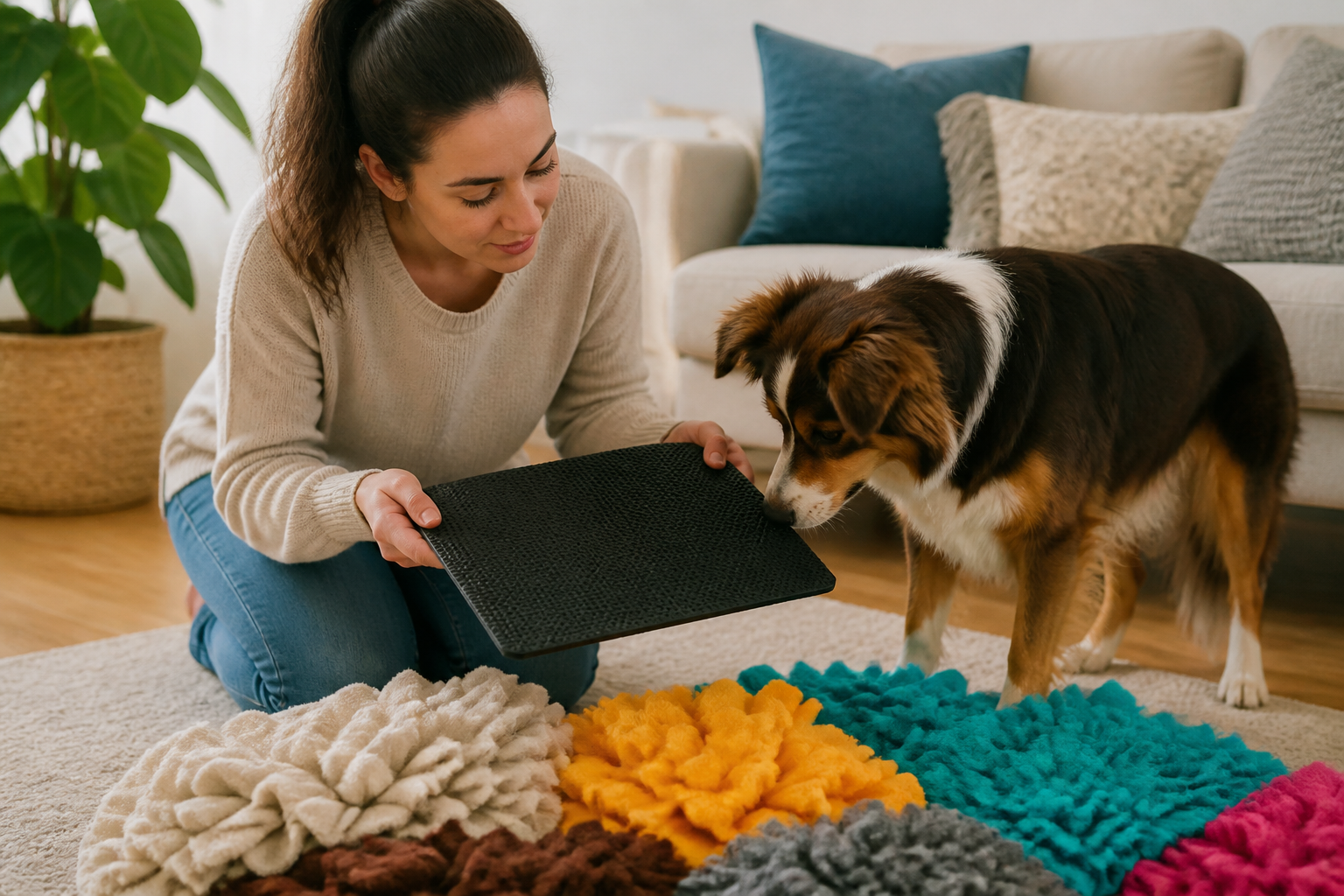
- A Plastic or Rubber Sink Mat: These usually have a grid of holes. Look for a heavy-duty version that will stay flat on the floor.
- Fleece Fabric: You can buy a yard of fleece or upcycle an old fleece blanket. Fleece is the best material because it does not fray when cut and is soft on a dog's nose.
- Sharp Scissors: You will be cutting a lot of strips.
Step-by-Step Instructions
Step 1: Cut the fleece.
Cut the fabric into strips that are about 1 inch wide and 7 inches long. You will need a lot of these. For a standard sink mat, expect to cut between 100 and 150 strips.
Step 2: Start the first row.
Take one fleece strip and push one end through the first hole in the mat. Push the other end through the hole directly next to it. Tie the two ends together in a single, tight knot.
Step 3: Fill the grid.
Continue tying strips through every hole in the mat. Once you finish the horizontal rows, go back and tie strips vertically across the same holes. This "cross-hatching" creates a very dense mat that hides treats better.
Step 4: Check the bottom.
Flip the mat over. Ensure there are no loose ends or sharp edges from the plastic mat. If you used zip ties to connect two mats for a larger dog, make sure the "tails" of the ties are cut flush and covered with fabric.
Step 5: Fluff and fill.
Shake the mat out to fluff up the strips. Sprinkle a few pieces of dry food on top to test it out.
Vet Tip: Always supervise your dog when they use a snuffle mat, especially a DIY version. Some dogs may try to chew the plastic base or pull off the fleece strips. If your dog starts to ingest fabric, remove the mat immediately and consult your veterinarian.
How to Introduce the Mat to Your Dog
If your dog has never used a puzzle toy, they might get frustrated. They might try to pick up the mat and shake it to get the food out. You want to teach them that "sniffing" is the way to win the game. Our dog boredom-busting guide offers additional ways to build positive mental challenges into your dog's routine.
The Beginner Stage
Start by placing the mat on the floor and sprinkling high-value treats right on top of the fleece. Do not hide them deep in the strips yet. Use a "find it" cue. Praise your dog when they use their nose to move the fabric.
The Intermediate Stage
Once they understand the game, start tucking the treats halfway down into the strips. Use smaller pieces of food so they have to work harder to locate them. If they try to dig at the mat with their paws or chew the corners, gently redirect them and point to a hidden treat.
The Advanced Stage
For a real challenge, bury the treats at the very bottom of a dense mat. You can even mix in different types of food. Try using some regular kibble and a few pieces of freeze-dried liver. This keeps the dog motivated to find the "jackpot" rewards.
Bottom line: Success with a snuffle mat depends on a gradual increase in difficulty to prevent frustration.
Cleaning and Maintenance
A cheap snuffle mat will eventually get dirty. Saliva, food crumbs, and dust will accumulate in the fabric. If left uncleaned, a "biofilm" can form. This is a slimy layer of bacteria that can make your pet sick.
Most store-bought mats are machine washable. We recommend placing the mat inside a pillowcase and tying it shut. This prevents the fabric strips from getting tangled in the washing machine's agitator. Use a fragrance-free, pet-safe detergent. Always air dry the mat. High heat in a dryer can melt the rubber backing or shrink the fleece.
For DIY mats with plastic bases, hand washing is often better. Soak the mat in a tub of warm water with a bit of dish soap. Use your hands to work the soap through the strips. Rinse it thoroughly and hang it over a chair to dry completely before the next use.
Beyond the Mat: Other Low-Cost Enrichment
While a cheap snuffle mat is a fantastic start, it is only one part of a healthy mental routine. At BaxterBoo, we recommend rotating toys to keep your dog's interest high. If they use the same mat every single day, they might get bored of it. You can find more ideas in our guide to interactive toys and puzzles for dogs.
Consider these other budget-friendly ideas:
- The Muffin Tin Game: Place treats in the holes of a muffin tin and cover each hole with a tennis ball. The dog has to move the ball to get the treat.
- Rolled Towels: Lay a towel flat, sprinkle food on it, and roll it up tightly. The dog has to unroll it with their nose.
- Cardboard Box Foraging: Put empty cereal boxes or toilet paper rolls inside a larger box and hide treats among them.
If your dog is using these tools to manage anxiety, remember that enrichment is a support, not a cure. For pets with severe separation anxiety or noise phobias, we suggest talking to your vet about a comprehensive plan. Our pet pharmacy offers prescription medications that may be used alongside enrichment as part of a veterinary care plan.
Managing Your Pet's Wellness
A snuffle mat is a great way to support physical and mental health. However, it is important to watch the total calorie intake. If you are using treats in the mat throughout the day, subtract that amount from their dinner. Obesity is a common health issue that puts stress on a dog's joints and heart.
If you notice your senior dog is struggling to stand over the mat for long periods, they may have some joint stiffness. You can place the mat on a raised platform or a low stool to make it more comfortable for them. We also carry a wide range of mobility supplements that support joint health in aging pets.
For owners who want to keep their supplies stocked without the hassle, our Autoship programme is a great choice. You can have your favorite treats and even prescription foods delivered on a schedule. This ensures you never run out of "hidden treasures" for your dog's daily sniff session.
Conclusion
Finding a cheap snuffle mat is one of the best investments you can make for your dog's mental well-being. Whether you choose a budget-friendly option from our curated collection or spend an afternoon making one yourself, the benefits are clear. You will see a calmer, more focused dog who enjoys the challenge of the hunt. At BaxterBoo, we believe that high-quality pet care should be accessible to everyone. By using these simple tools, you are giving your dog a more enriched and fulfilling life.
- Snuffle mats provide mental exercise and slow down fast eaters.
- DIY mats can be made for under $10 using fleece and a sink mat.
- Regular cleaning is essential to prevent bacteria buildup.
- Supervision ensures your dog stays safe while foraging.
Key Takeaway: Scent work is a powerful, low-cost way to reduce boredom and anxiety in dogs of all ages.
If you are ready to start your enrichment journey, check out our dog treats and puzzle toys. New customers can even enjoy a $10 reward on their first order of $39 or more when signed in at checkout.
FAQ
Can cats use snuffle mats?
Yes, cats have a strong hunting instinct and can benefit greatly from a snuffle mat. You can hide dry cat treats or even catnip inside the strips to encourage them to forage. It is a great way to keep indoor cats active and mentally sharp.
How often should I wash my snuffle mat?
You should wash the mat at least once every two weeks if it is used daily. If you use high-value treats that are oily or moist, you may need to wash it more frequently. Keeping the mat clean prevents the growth of mold and bacteria that can hide deep in the fabric.
What if my dog just tries to chew the mat?
Chewing is often a sign that the dog is frustrated or does not understand the game. Start with the treats clearly visible on top of the strips. If they start to chew, use a "no" or "leave it" cue and show them where a treat is hidden to refocus their energy on sniffing.
Are snuffle mats safe for puppies?
Snuffle mats are excellent for puppies because they provide a safe outlet for their curiosity. However, puppies are more likely to chew and swallow the fabric strips. Always supervise puppy play sessions and remove the mat if they start treating it like a chew toy rather than a puzzle.