Save 15% on your 1st Autoship learn more

 Email us
 Live Chat
 FAQs
FAQs





Introduction
You are sitting on the couch after a long day when your Pomeranian starts zooming around the living room. You have already been for a walk and played with the squeaky toy, but they are still restless. Small dogs often have an incredible amount of energy packed into a tiny frame. Boredom can lead to chewing on furniture or excessive barking. At BaxterBoo, we know that mental exercise is just as important as physical activity for these little athletes. A snuffle mat is a simple yet effective tool to engage their natural instincts and tire them out. This post covers the benefits of scent work, how to choose the right mat for a smaller mouth, and the best ways to incorporate this enrichment into your routine. Using a snuffle mat can turn a rainy afternoon into a productive brain workout for your pet.
What Exactly Is a Snuffle Mat
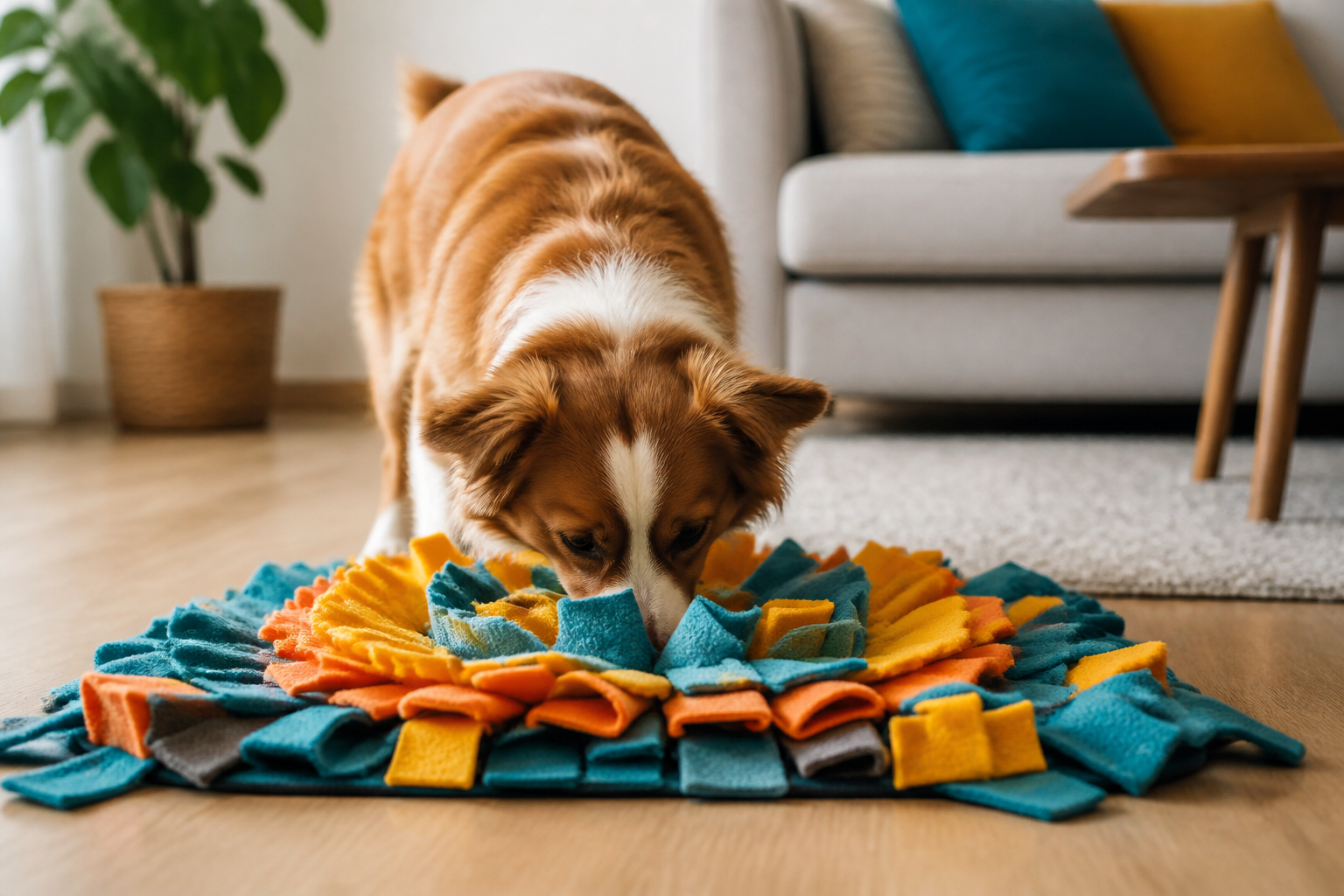
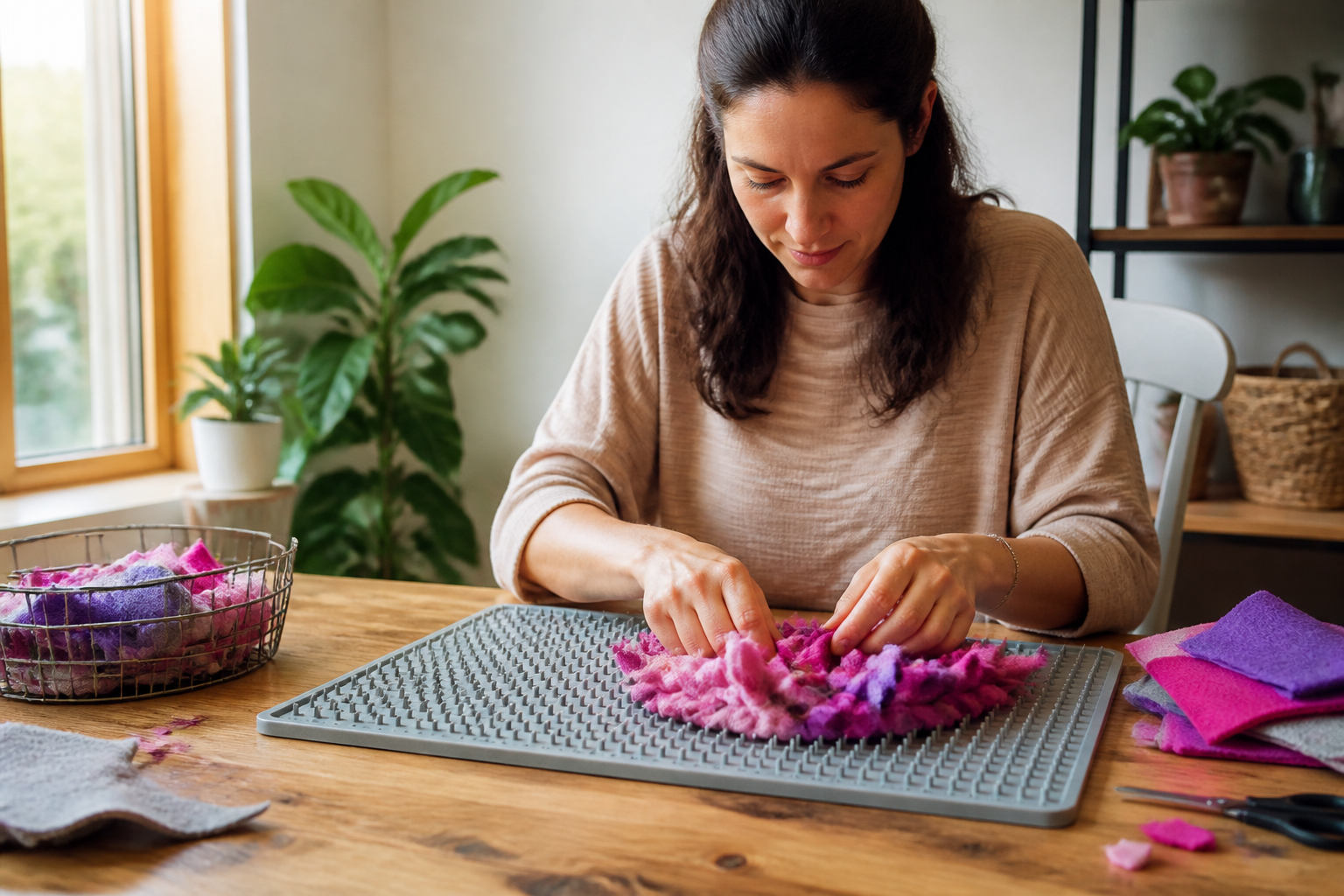
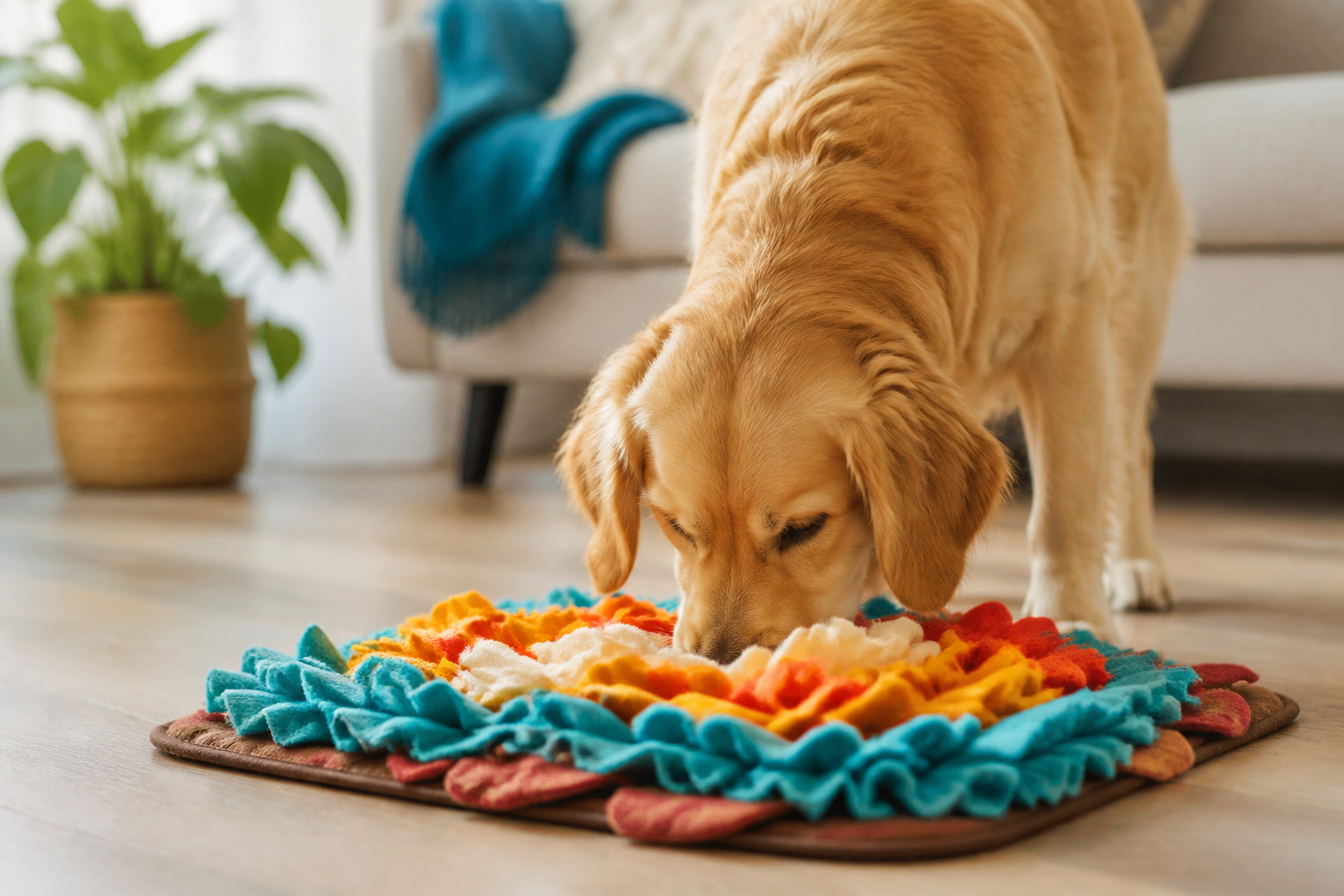
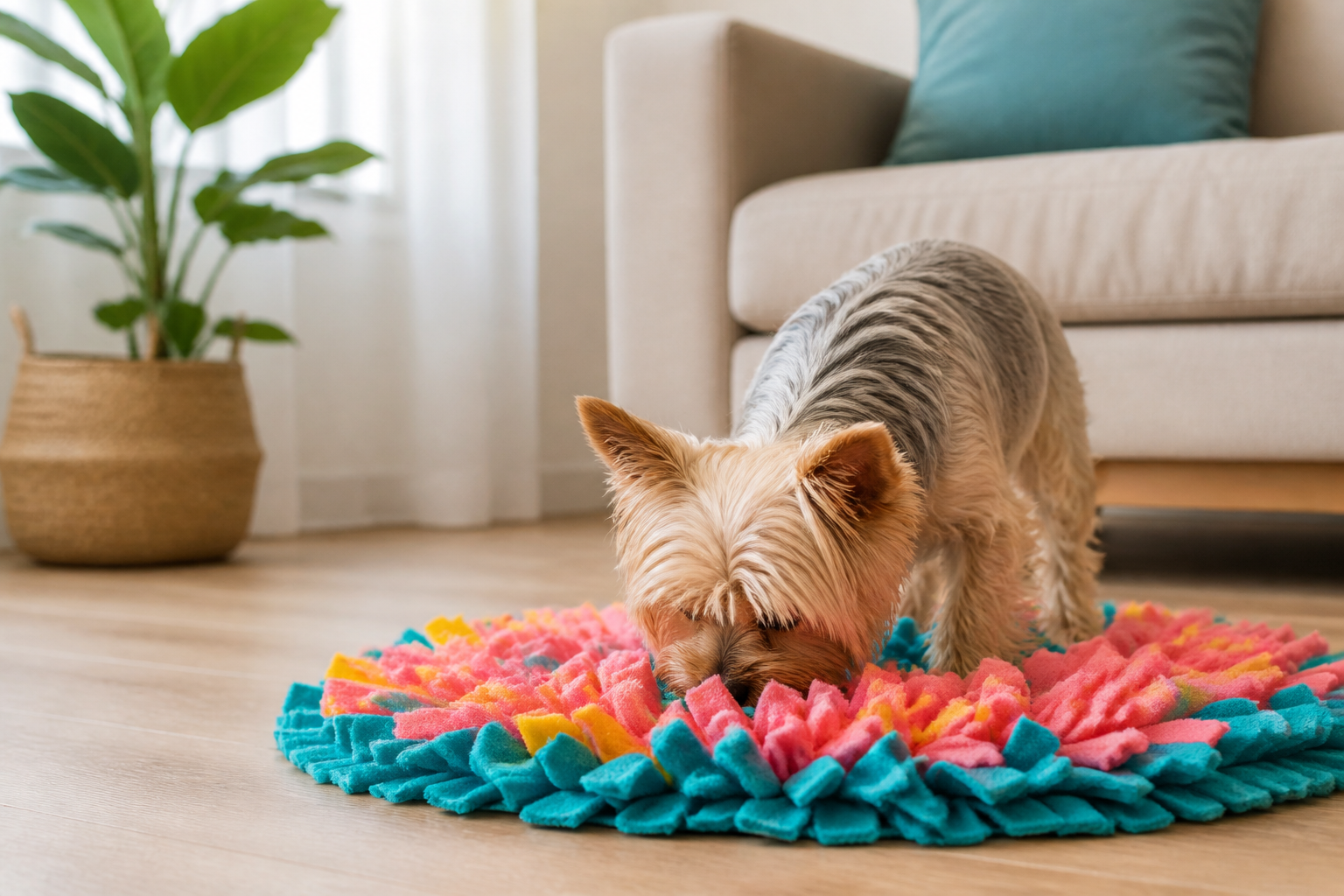
A snuffle mat is an enrichment toy made of fabric strips tied to a sturdy base. The strips are usually made of soft fleece. They create a thick, grass-like surface where you can hide dry food or treats. Your dog must use their nose to find every hidden morsel. This activity is known as "nose work" or "scent work."
Dogs experience much of their world through scent. Their olfactory system is far more advanced than ours. When a dog sniffs, they are gathering information and processing data. This mental processing requires a lot of energy. A snuffle mat provides a safe and indoor way for your dog to forage just like their ancestors did in the wild.
The design of these mats varies. Some are basic squares with long fleece strips. Others are more complex, featuring pockets, flaps, and different textures. For a small dog, the density of the fabric is important. They need to be able to move the strips aside with their smaller snouts without getting frustrated.
Quick Answer: A snuffle mat is a fabric-based enrichment tool designed to hide treats. It encourages dogs to use their sense of smell to find food, which provides mental stimulation and mimics natural foraging behaviors.
Why Small Dogs Benefit from Scent Work
Small breeds and toy breeds often live in apartments or smaller homes. While they do not need five-mile hikes, they still have high cognitive needs. Breeds like Jack Russell Terriers or Miniature Schnauzers were originally bred to hunt and find things. Without a job to do, they can become anxious.
Using a snuffle mat for fifteen minutes can be as tiring for a dog as a one-hour walk. This is because sniffing increases the heart rate and engages the brain in a way that simple walking does not. For a senior small dog with stiff joints, this is an excellent way to provide exercise without putting stress on their limbs.
If your pet struggles with mobility, we recommend checking out our Medical and Mobility section for additional support. Scent work allows them to stay sharp and happy even when they cannot run as fast as they used to. It is also a great distraction for dogs recovering from surgery who need to remain calm. For more ideas, read about engaging brain games for dogs.
Key Benefits for Small Breeds
- Reduces boredom and destructive chewing
- Provides low-impact exercise for senior dogs
- Burns mental energy in small living spaces
- Builds confidence in shy or nervous dogs
- Mimics natural hunting and foraging instincts
Using a Snuffle Mat as a Slow Feeder
Does your dog inhale their dinner in three seconds? This is a common problem with small dogs who are highly food-motivated. Eating too fast can lead to digestive upset, gas, or even more serious conditions like bloat. While bloat is more common in large dogs, rapid eating is never ideal for any pet.
A snuffle mat works as an excellent slow feeder. Instead of putting their kibble in a bowl, you can scatter it across the mat. Your dog will have to work for every single piece. This can extend a thirty-second meal into a ten or fifteen-minute activity. You can also explore our selection of interactive dog toys for additional enrichment options.
Slowing down the eating process allows the brain to catch up with the stomach. It helps your dog feel fuller and more satisfied. If you are managing your dog's weight, this is a helpful trick. It makes a small amount of food feel like a much larger event.
Vet Tip: If your dog is on a prescription weight management diet, you can still use a snuffle mat. Our pharmacy offers prescription pet foods that work perfectly with enrichment toys. Always consult your veterinarian before changing your pet's feeding routine or diet.
How to Choose the Best Mat for a Small Dog
Not all snuffle mats are created equal. When shopping for a small dog, you need to consider their size and strength. A mat that is too large might be hard for them to navigate, while one that is too flimsy might get dragged around the room.
Material and Safety
Look for mats made with non-toxic materials. Many high-quality brands like P.L.A.Y. use AZO-free dyes to ensure the fabric is safe for your dog to put their nose in. The fabric should be soft fleece. Fleece is durable and gentle on sensitive noses. Avoid mats with small plastic parts that could be chewed off and swallowed.
One option is the Play Pet Snuffle Mat Dog Toy - Savory Sunrise, which is designed for nose work and treat foraging.
The Base
The base of the mat should be heavy or have a non-slip bottom. Small dogs can be surprisingly determined. If the mat is too light, they might just flip it over to get the treats out. A non-slip rubber base keeps the mat in one place while they work.
Size and Complexity
A small snuffle mat, typically around 10 inches by 10 inches, is usually plenty for a toy or small breed. You want the strips to be long enough to hide food but not so long that your dog gets tangled. Some mats come with adjustable difficulty levels. You can pull the strips tighter or leave them loose depending on how good your dog is at the game.
Step-by-Step Training for Beginners
Most dogs figure out snuffle mats quickly, but some might need a little help. You want the experience to be rewarding, not frustrating. If your dog gets too excited and starts digging at the mat, you may need to slow things down.
Step 1: Start with high-value treats.
Use something that smells very strong. Small pieces of dried liver or specialized training treats work well. Place them right on top of the fleece strips where your dog can see them.
Step 2: Use a release command.
Ask your dog to "sit" or "wait." Once you have placed the treats, give them a command like "find it" or "go sniff." This creates a clear start to the activity.
Step 3: Gradually hide the treats deeper.
As your dog gets better at the game, start tucking the treats under the first layer of fleece. Eventually, you can bury them all the way at the bottom of the mat.
Step 4: Supervise the session.
Stay with your dog while they use the mat. If they start to chew on the fabric strips, gently redirect them. The goal is sniffing, not shredding.
Step 5: Pick the mat up when finished.
Once your dog has found all the treats, take the mat away. This keeps the toy special and prevents your dog from using it as a chew toy or a bed.
Key Takeaway: Proper training ensures your dog views the snuffle mat as a puzzle to solve rather than a toy to destroy. Always start easy and increase the difficulty as their skills improve.
Troubleshooting Common Issues
Some owners find that their dog tries to "cheat" at the snuffle mat game. Every dog is different, and some are more persistent than others.
If your dog flips the mat over immediately, they are trying to find the fastest way to the food. You can solve this by placing the mat on a rug or using a mat with a heavier rubber base. You can also hold the edges of the mat for the first few sessions to encourage them to use their nose instead of their paws.
If your dog is not interested in the mat, your treats might not be smelly enough. Small dogs can be picky. Try using a more pungent treat to jumpstart their nose. You can also try using the mat during their normal mealtime when they are most hungry.
If your dog starts chewing the fleece, it usually means they are frustrated or have finished the treats and want to keep playing. Always check the mat to make sure no crumbs are left. If they continue to chew, put the mat away and offer a designated chew toy instead.
Cleaning and Maintenance
Because snuffle mats involve food and saliva, they will eventually get dirty. A dirty mat can grow bacteria or simply start to smell bad. Most snuffle mats are designed to be machine washable, which makes maintenance easy.
Before washing, take the mat outside and give it a good shake. This removes any leftover crumbs or hair. We recommend placing the mat inside a pillowcase and tying the end. This prevents the fleece strips from getting caught in the washing machine or tangling around the agitator.
Use a pet-safe, unscented detergent. Dogs have very sensitive noses, and strong floral scents can be overwhelming for them. Wash on a gentle cycle with cold water.
Air drying is usually the best option for snuffle mats. Hanging the mat allows the fleece strips to dry thoroughly without shrinking. If you must use a dryer, use a low-heat or air-fluff setting. Make sure the mat is completely dry before you let your dog use it again.
| Feature | What to Look For | Why it Matters |
|---|---|---|
| Fabric | High-quality, anti-pill fleece | Durable and soft on the nose |
| Base | Non-slip or weighted rubber | Prevents the dog from flipping the mat |
| Washability | Machine washable | Keeps the toy hygienic and fresh |
| Dye | AZO-free or non-toxic | Ensures safety during close contact |
Enrichment Beyond the Mat
While snuffle mats are fantastic, they are just one part of a well-rounded enrichment plan. Small dogs also enjoy interactive puzzles, hide-and-seek games, and lick mats. At BaxterBoo, we carry a wide variety of toys that challenge your pet in different ways. For more ideas, explore the ultimate guide to dog boredom busters.
A lick mat is a great companion to a snuffle mat. While snuffle mats are for dry treats and kibble, lick mats are for wet food, peanut butter, or yogurt. Licking is a self-soothing behavior for dogs. Using a snuffle mat for energy and a lick mat for calming down is a great combination.
You can also create DIY scent games. Hide treats around the living room or inside empty cardboard boxes. This encourages your dog to move around more and use their nose in a larger space.
Bottom line: A snuffle mat is a versatile tool that provides mental stimulation, slows down fast eaters, and helps manage energy levels in small dogs.
Safety and Long-Term Use
Safety is always the priority. Even the toughest fleece can be torn by a determined chewer. Small dogs have sharp teeth that can easily snip through fabric.
If your dog does ingest fleece, it can cause an intestinal blockage. This is a serious medical emergency. Signs of a blockage include vomiting, loss of appetite, and lethargy. If you notice these symptoms, contact your veterinarian immediately.
For dogs with high anxiety or compulsive behaviors, enrichment toys are helpful but may not be enough. If your dog seems constantly stressed or unable to settle, it is worth discussing with a professional. Our pet pharmacy provides medications for chronic anxiety that can be used alongside behavioral training and enrichment.
Conclusion
A snuffle mat for small dogs is more than just a toy. It is a way to bridge the gap between their natural instincts and their life as a pampered pet. Whether you are looking to slow down a fast eater or find a way to entertain a bored puppy on a rainy day, these mats are an excellent investment. We have seen firsthand how much joy a little nose work can bring to a household. By choosing a high-quality mat and following a few simple training steps, you can help your small dog lead a more fulfilled and relaxed life.
- Sniffing for fifteen minutes is equal to an hour of walking.
- Snuffle mats help prevent digestive issues by slowing down meals.
- Always supervise use to prevent chewing or ingestion of fabric.
- Regular cleaning keeps the experience safe and hygienic.
To get started with your dog's new enrichment routine, explore our dog toys and interactive puzzles. Do not forget to sign up for the MVP Rewards programme to earn points on every purchase, helping you save on future gear and treats.
FAQ
Can I leave my dog alone with a snuffle mat?
No, we do not recommend leaving your dog unsupervised with a snuffle mat. While the fleece is soft, it is not indestructible. Some dogs may try to chew or swallow the fabric strips once the treats are gone, which can lead to choking or intestinal blockages. Always put the mat away once the sniffing session is over.
How often should I wash my dog's snuffle mat?
The frequency of washing depends on how often you use it and what kind of treats you hide inside. If you use dry kibble daily, washing the mat once every two weeks is usually sufficient. If you use "greasier" or high-smell treats, you may want to wash it weekly to prevent bacteria buildup and odors.
Is a snuffle mat good for puppies?
A snuffle mat is an excellent tool for puppies. It helps them focus their energy and provides a productive outlet for their curiosity. It can also help with crate training by giving them a rewarding activity to do while they are in their quiet space. Just be sure to watch them closely, as puppies are especially prone to chewing.
What if my dog just flips the mat over?
If your dog flips the mat, they have figured out a "shortcut" to the food. To prevent this, you can look for a mat with a heavier, non-slip base or suction cups. You can also place the mat on a non-slip surface like a yoga mat. Training your dog to stay in a "down" position while they sniff can also help keep the mat flat on the floor.