
 Save 15% on your 1st Autoship learn more

 Email us
 Live Chat
 FAQs
FAQs





Introduction
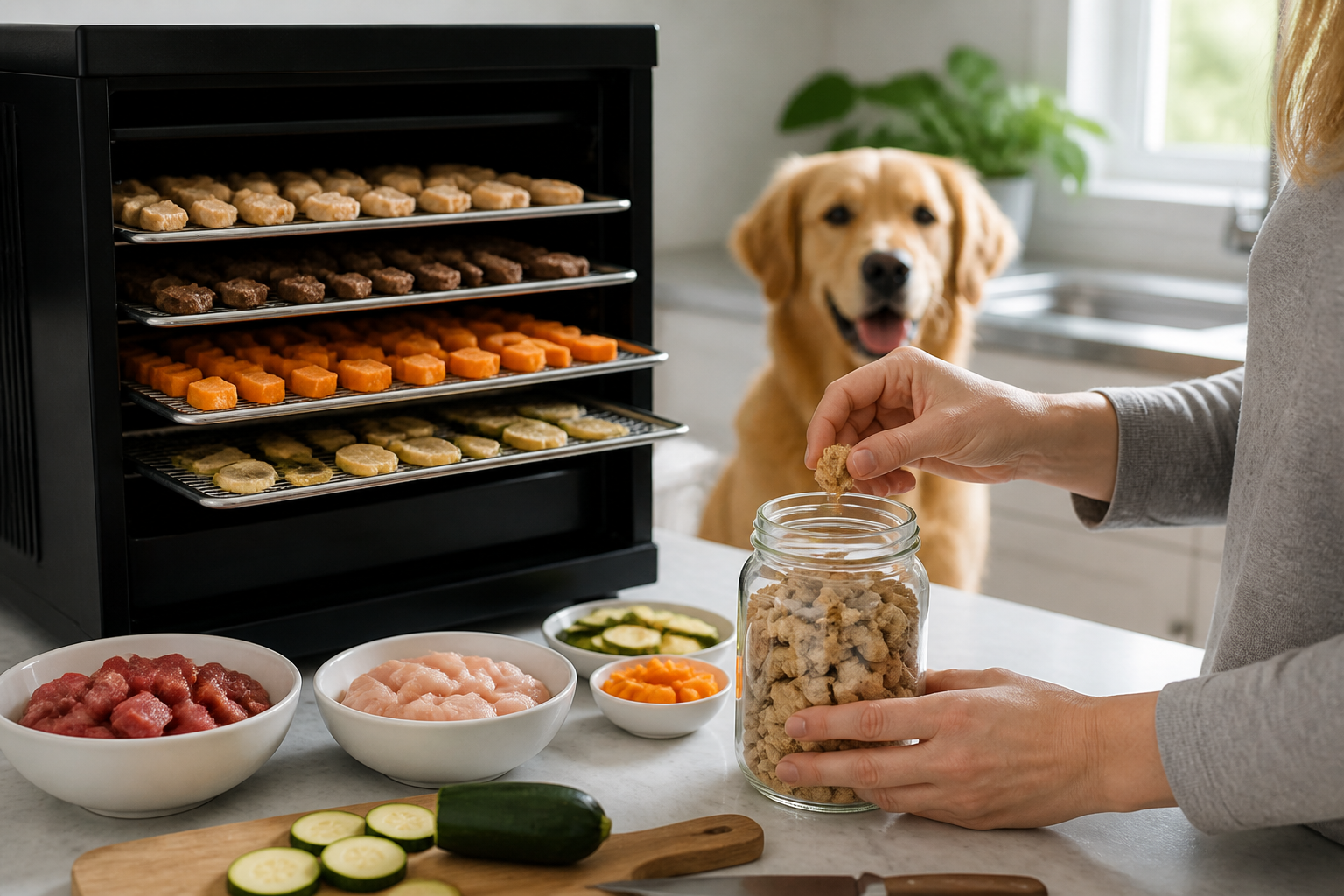
You might be standing in the pet food aisle looking at a bag of freeze dried liver treats. You notice the price tag and the high quality of the ingredients. Many dog owners then start to wonder if they can achieve those same results at home. Feeding a raw or minimally processed diet is a major goal for many people who want the best for their pets. Here at BaxterBoo, we know that understanding the science and safety behind your dog’s food is the first step toward better health. This post covers the equipment you need and the step by step process for freeze-drying at home. It also explains how to ensure the final product is safe for your dog to eat. You will learn the difference between freeze-drying and dehydrating to help you make the best choice for your kitchen.
Quick Answer: Freeze-drying involves freezing food and then placing it in a vacuum to remove moisture through sublimation. This process preserves almost all nutrients and flavors while making the food shelf-stable for long periods.
Why Freeze-Drying Is Different from Dehydrating
Many people confuse freeze-drying with dehydration. While both methods remove moisture to preserve food, they use very different methods. Dehydration uses low heat and airflow to evaporate water. This heat can sometimes break down sensitive vitamins or change the texture of the meat. It often results in a leathery or chewy product like jerky.
Freeze-drying is much more advanced. It uses a process called sublimation. This means the moisture in the food turns from ice directly into vapor. It never becomes a liquid during the process. Because the food is not cooked or heated to high temperatures, the cellular structure remains intact. The food stays the same size and shape as it was when fresh. It also keeps its original smell and taste, which dogs find much more appealing.
The moisture content in dehydrated food is usually around ten to fifteen percent. Freeze-dried food usually has less than three percent moisture. This lower moisture level makes freeze-dried food much lighter. It also makes it more stable for long term storage without the need for artificial preservatives. For another look at the differences, read our guide to freeze-dried versus dehydrated dog food.
The Equipment Needed for Home Freeze-Drying
To freeze dry food at home, you need a dedicated home freeze dryer. This is a significant investment compared to a standard dehydrator. These machines are roughly the size of a large microwave or a small refrigerator. They contain a vacuum pump and refrigerated trays.
You cannot achieve true freeze-drying in a standard kitchen freezer. While "freezer burn" is a form of freeze-drying, it is uncontrolled and ruins the texture of the food. A proper machine allows you to control the pressure and temperature. This ensures all the moisture is removed from the center of the meat or vegetable.
If you are not ready for the cost of a machine, we carry excellent commercial options. Brands like Stella and Chewy's or Open Farm use industrial-grade equipment to ensure safety and nutrition. These brands are great alternatives if you want the benefits of freeze-dried food without the upfront equipment costs. You can compare options in our freeze-dried dog food collection.
Essential Tools for Success
- A home freeze dryer unit
- Stainless steel trays
- Silicone mats or parchment paper
- A high quality kitchen scale
- Sharp knives for uniform slicing
- Vacuum sealer and Mylar bags for storage
Step by Step Instructions for Freeze-Drying Dog Food
The process takes time. Most batches will take between twenty and forty hours depending on the water content of the food. Follow these steps to ensure the food dries evenly.
Step 1: Choose your ingredients. / Use high quality lean meats like chicken breast, turkey, or lean beef. Trim away excess fat because fat does not freeze dry well and can go rancid.
Step 2: Slice the food uniformly. / Cut meat and vegetables into small cubes or thin strips. Keeping everything the same size ensures that one piece isn't still wet while the others are finished.
Step 3: Pre-freeze the trays. / Place your prepared food on the trays and put them in your regular freezer for a few hours. This gives the freeze dryer a head start and can save energy.
Step 4: Start the freeze dryer. / Follow the manufacturer instructions to chill the chamber. Once it is ready, slide the trays in and start the vacuum process.
Step 5: Check for dryness. / Once the machine finished the cycle, check the thickest piece of food. Break it in half. If it feels cold to the touch in the center, there is still moisture left. It should feel warm and airy.
Step 6: Proper storage. / Immediately place the finished food into airtight containers or vacuum-sealed bags. Oxygen and moisture are the enemies of freeze-dried food.
Key Takeaway: Uniform slicing is the most important part of the preparation process. If pieces are different sizes, the larger ones may retain moisture and cause the whole batch to spoil.
Selecting the Right Ingredients
Not all foods are suitable for this process. Since you are making this for your dog, you must focus on biological needs. Dogs thrive on animal proteins, but they can also benefit from certain fruits and vegetables.
Lean meats are the best choice. This includes chicken, turkey, rabbit, and lean cuts of beef. Organs like heart and liver are nutrient-dense and freeze dry beautifully. They become crunchy and make excellent high-value training treats.
You can also include vegetables like steamed carrots, green beans, or leafy greens like kale. Fruits like blueberries and cranberries add antioxidants. Always avoid onions, grapes, raisins, and macadamia nuts, as these are toxic to dogs. If your dog has a specific health condition, you should be even more careful. For example, dogs with kidney issues need controlled protein and phosphorus levels.
Vet Tip: Before starting a DIY diet or adding new treats, consult your veterinarian. They can help you balance the recipe to ensure your dog is getting the right vitamins and minerals. This is especially important for growing puppies or senior dogs with chronic health needs.
Safety and Pathogens in Raw Food
A major concern with DIY freeze-drying is the risk of bacteria like Salmonella or Listeria. Many people assume that freezing or drying kills bacteria. This is not true. Freezing merely puts bacteria into a dormant state. Once the food is rehydrated or enters the warm environment of a dog’s stomach, those bacteria can become active again.
Commercial brands often use High Pressure Processing (HPP). This involves subjecting the food to intense pressure to kill pathogens without using heat. Home machines cannot do this. If you are concerned about raw meat safety, you can lightly cook the meat before freeze-drying it. This kills the bacteria while the freeze-drying process preserves the remaining nutrients.
Our pet pharmacy provides support for pets who might experience digestive upset from new diets. Through our pharmacy partnership, we offer medications for various health conditions. If your dog has a sensitive stomach or is managing a condition that requires a prescription diet, our pharmacy is a helpful resource. Always work with your vet to determine if a raw or freeze-dried diet is safe for your specific pet.
How to Store Freeze-Dried Food
Proper storage determines how long your hard work will last. Freeze-dried food can last for years if it stays away from oxygen and water. However, most pet owners use their batches within a few weeks or months.
Mylar bags are the gold standard for storage. They block out light and air effectively. If you use jars, make sure they have a very tight seal. You can also add an oxygen absorber packet to each container. These small packets pull any remaining oxygen out of the bag.
Keep your stored food in a cool, dark place. A pantry is usually better than a cabinet above the stove where temperatures fluctuate. If you notice the food has lost its crunch and become soft, it has absorbed moisture. At that point, it is best to discard it to avoid mold growth. Our freeze-dried dog food guide also covers storage and feeding considerations.
Storage Checklist
- Use light-blocking bags or dark jars
- Include an oxygen absorber in every bag
- Label each bag with the date and the protein type
- Keep in a temperature-controlled environment
- Check seals regularly for any leaks
Bottom line: Moisture is the biggest threat to shelf stability, so always use vacuum-sealed bags or airtight jars with oxygen absorbers.
Rehydration and Feeding Tips
You can feed freeze-dried food as a dry treat or as a full meal. If you use it as a meal, rehydration is usually recommended. Dogs often do not drink enough water to compensate for the very low moisture content of dry food.
To rehydrate, add warm water or bone broth to the food. Let it sit for about five to ten minutes. The food will soak up the liquid and return to a texture very similar to fresh meat. This is particularly helpful for senior dogs who may have dental issues or need extra hydration for their kidneys.
If you are using the food as a meal topper, you can crumble it over your dog’s regular kibble. This adds a boost of flavor and nutrition. This is a great trick for picky eaters who have grown tired of their standard diet. You can find additional options in our freeze-dried food topper selection.
Comparing DIY to Premium Brands
While making your own food allows for total control over ingredients, it is a big time commitment. You might find that a hybrid approach works best. You can make treats at home while relying on trusted brands for complete meals.
Brands like Steve's Real Food or Open Farm follow strict AAFCO standards. This means they have the correct ratio of calcium to phosphorus and the right blend of vitamins. Achieving this balance at home is difficult without professional guidance. Many owners use our Autoship programme to stay stocked on these balanced meals while supplementing with home-made treats. This ensures your dog gets the variety they love with the nutritional safety they need.
Our warehouse in Vernon Hills stays stocked with over 500 brands, so we see the quality of these products firsthand. We carry brands like Stella & Chewy's because they provide the same "ancestral" diet benefits but with the safety of independent lab testing.
Managing Your Dog’s Health and Wellness
Nutrition is the foundation of your dog's health. Whether you are freeze-drying at home or buying premium brands, the goal is the same. You want to see a shiny coat, clear eyes, and good energy levels.
If you notice changes in your dog's health after a diet change, always consult your vet. This includes signs like itching, lethargy, or changes in digestion. For pets needing ongoing health management, BaxterBoo offers more than just food. Our MVP Rewards programme can help you save on everything from joint supplements to flea and tick protection.
For pets with chronic conditions, our pharmacy partnership is a vital tool. We provide access to prescription diets and medications that can be delivered right to your door. This convenience makes it easier to manage complex health needs while focusing on your dog's nutrition.
Transitioning to Freeze-Dried Food
When introducing any new food, you must go slowly. A dog's digestive system needs time to adjust to the high protein and enzyme content of freeze-dried raw food.
Step 1: Start small. / Give your dog a single piece of freeze-dried food as a treat for a few days. Watch for any signs of upset stomach or loose stools.
Step 2: Use as a topper. / Replace about 25 percent of their old food with the new food. Do this for three to four days.
Step 3: Increase the ratio. / If your dog is doing well, move to a 50/50 mix. Continue this for another few days.
Step 4: Complete the switch. / Eventually, you can move to 100 percent freeze-dried food if that is your goal. For more guidance, read our article on how to feed freeze-dried dog food.
Vet Tip: If your dog has a history of pancreatitis or other metabolic issues, talk to your vet before switching to a high-protein or raw-based diet. Some dogs require lower fat levels than what is typically found in home-prepared meats.
The Cost Factor
Is it cheaper to freeze dry at home? In the long run, it can be, but the initial cost is high. You have to account for the price of the machine, electricity, and the high-quality meat.
Most people find that home freeze-drying is a hobby driven by a passion for quality rather than pure savings. If you want the quality without the labor, our selection at BaxterBoo offers competitive value. We choose brands that prioritize ingredient transparency so you know exactly what is in your dog's bowl. Browse our selection of Open Farm products for commercial options.
Key Takeaway: DIY freeze-drying offers ultimate control over ingredients, but commercial brands provide a level of nutritional balance and safety testing that is difficult to replicate at home.
Final Thoughts on Homemade Freeze-Dried Food
Making your own dog food is a rewarding way to care for your pet. It allows you to tailor every bite to their preferences. By following the correct steps and focusing on lean, safe ingredients, you can provide treats and meals that are far superior to standard processed snacks. Remember to prioritize safety by keeping your equipment clean and consulting your vet about nutritional balance. Whether you choose to DIY or shop our expertly curated selection, we are here to support your journey in pet parenthood.
Bottom line: Home freeze-drying is a powerful tool for nutrition, but it requires careful attention to ingredient safety and proper storage to be successful.
FAQ
Can I freeze dry dog food in my regular freezer?
No, a regular freezer cannot freeze dry food. While food left in a freezer too long will lose moisture through freezer burn, this process is uneven and does not produce a shelf-stable or appetizing result. You need a specialized home freeze dryer that uses a vacuum pump to properly remove moisture through sublimation.
Do I need to cook the meat before freeze-drying it for my dog?
It is not strictly required, but it is highly recommended for safety. Home freeze dryers do not kill pathogens like Salmonella or E. coli. Lightly cooking the meat before processing it ensures that these bacteria are destroyed, making the final treats much safer for your dog and your family to handle.
How long does home freeze-dried dog food last?
If stored correctly in a vacuum-sealed Mylar bag with an oxygen absorber, freeze-dried food can last for several years. For everyday use, if you store it in an airtight jar in a cool, dark pantry, it will typically stay fresh and crunchy for several months. Always check for any off-smells or soft textures before feeding.
Is freeze-dried food better for dogs than kibble?
Freeze-dried food is generally less processed than kibble, which preserves more natural enzymes and nutrients. Many dogs find it more palatable and easier to digest. However, kibble is often more affordable and easier to store. Both can be part of a healthy diet, and many owners use freeze-dried food as a high-value topper for their dog's regular kibble.






