
 Save 15% on your 1st Autoship learn more

 Email us
 Live Chat
 FAQs
FAQs





Introduction
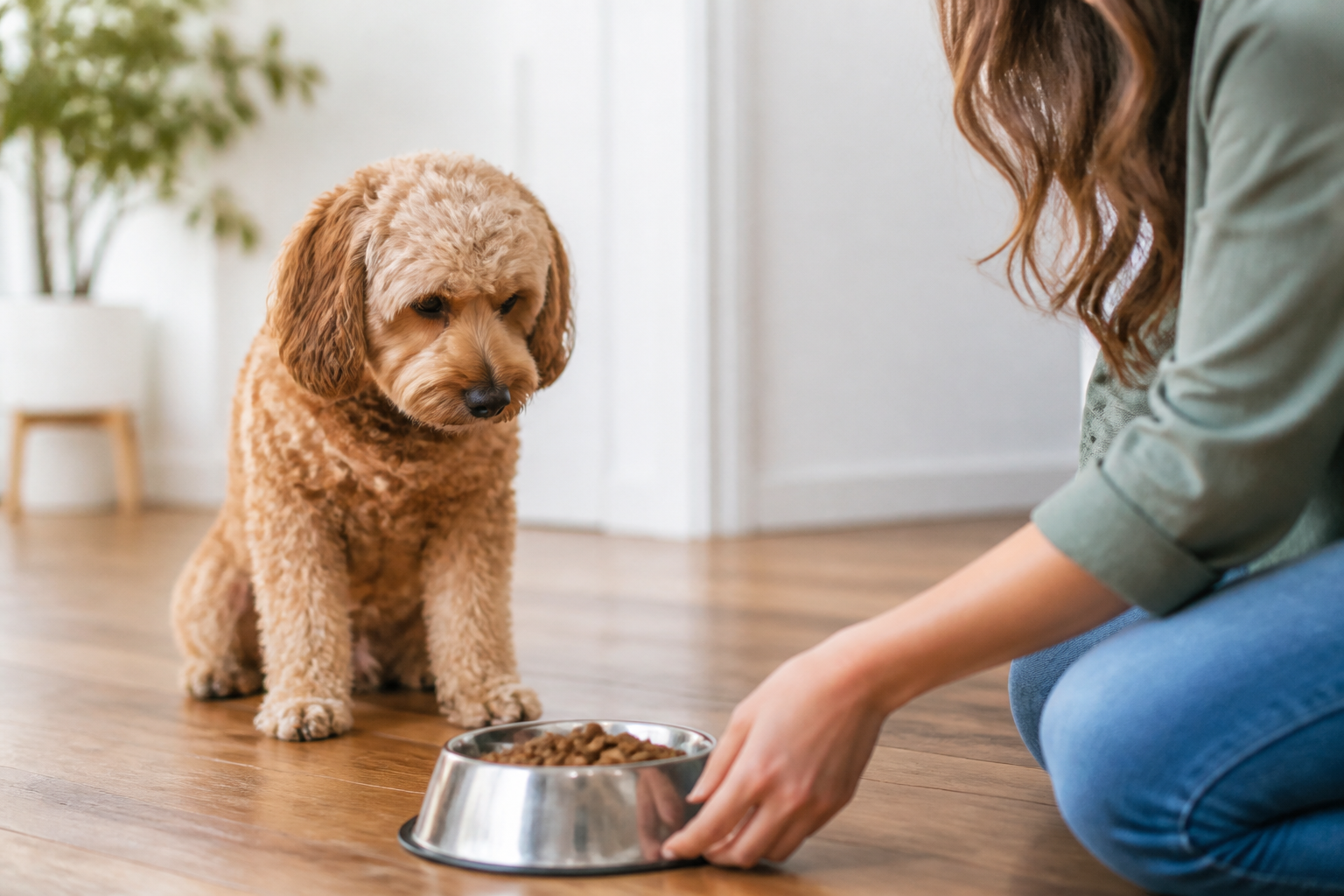
You set the bowl down and the kibble hits the stainless steel with a familiar clink. Your dog walks over, takes a single sniff, and lets out a long sigh before walking away. They look at you with pleading eyes, waiting for a piece of chicken or a spoonful of wet food while their balanced meal sits untouched. At BaxterBoo, we have helped thousands of pet owners navigate this exact frustration since we opened our warehouse doors in 2006. While it feels like a battle of wills, picky eating often stems from a mix of habit, environment, or sometimes underlying health needs. This guide provides practical, proven steps to reignite your dog interest in dry food without turning every meal into a negotiation. Understanding the root cause is the first step to a happier mealtime routine for both of you, and our dog food category is a helpful place to start comparing options.
Rule Out Medical and Health Concerns First
Before you assume your dog is simply being stubborn, you must ensure they are not in pain or feeling unwell. A sudden change in appetite is often a clinical sign rather than a behavioral choice. If a dog that usually loves their kibble suddenly stops eating, it is time for a checkup.
Dental Health and Oral Pain
Dry food is hard and requires significant chewing. If your dog has a cracked tooth, inflamed gums, or periodontal disease, crunching down on kibble can be painful. This is especially common in senior dogs or small breeds prone to dental issues. We see many owners mistake dental pain for pickiness because the dog will still eat soft treats but avoids the hard stuff.
Gastrointestinal Sensitivities
Some dogs develop a negative association with their dry food if it causes them digestive upset. If a specific recipe leads to bloating, gas, or mild nausea, your dog might associate the scent of that kibble with feeling sick. This is a survival instinct rather than a preference.
Senior Sensory Decline
As dogs age, their senses of smell and taste can begin to fade. Since scent is the primary driver of appetite for canines, a kibble that smells faint might not register as food to a senior dog. They may need more aromatic options to jumpstart their interest.
Vet Tip: If your dog refuses food for more than 24 hours or shows signs of lethargy, vomiting, or diarrhea, consult your veterinarian immediately. Our pet pharmacy carries prescription diets and other health-focused options to help manage chronic conditions that may affect appetite.
The Behavioral Roots of Pickiness
If your vet gives your dog a clean bill of health, the issue is likely behavioral. Most picky eaters are made, not born. We often inadvertently train our dogs to be choosy by how we react to their refusal to eat.
The Waiting Game
Dogs are masters of observation. If they refuse their kibble and you immediately top it with cheese, table scraps, or wet food, they learn a valuable lesson. They realize that holding out results in a higher-value reward. By giving in quickly, you are rewarding the refusal.
Overfeeding and Treat Overload
A dog that is not truly hungry will be much more selective about what they eat. If your dog receives multiple high-calorie treats throughout the day or shares in your afternoon snack, they may simply be full. Many owners underestimate the calorie count in a few small treats.
Boredom and Lack of Mental Engagement
For some high-energy breeds, eating from a static bowl in the same corner every day is boring. They might lose interest in the "delivery method" rather than the food itself. These dogs often respond well to making mealtime a job or a game.
Key Takeaway: Picky eating is often a learned behavior where the dog holds out for higher-value alternatives. Consistency in your routine is the most effective way to reset these expectations.
Strategies to Make Dry Food More Appealing
You do not necessarily need to change the brand of food to get your dog to eat. Often, small adjustments to the presentation and aroma of the kibble can make a massive difference.
Use Scent to Your Advantage
A dog has up to 300 million olfactory receptors in their nose. To them, scent is the most important part of the meal. Dry kibble that has been sitting in an open bag loses its aroma quickly.
Step 1: Store your kibble in an airtight container to keep the fats from oxidizing and the scent fresh.
Step 2: Add a small amount of warm water or low-sodium bone broth to the bowl.
Step 3: Let it sit for two or three minutes. The heat releases the aromas of the fats and proteins in the kibble, making it smell much more enticing.
If you want more ideas for boosting aroma and texture, our dog food toppers collection is a useful next stop.
Incorporate High-Quality Toppers
If your dog needs an extra nudge, a topper can bridge the gap. The goal is to use the topper to encourage them to eat the kibble, not to replace the kibble entirely. We recommend our selection of Stella & Chewy's products for freeze-dried raw meal mixers that can be crumbled over dry food to add a burst of real meat flavor and scent.
Temperature Matters
Most dogs prefer food that is near body temperature. If you store your dog food in a cold garage or refrigerator, it will have almost no scent. Gently warming the food (but never making it hot) can trigger a stronger feeding response. If you use wet food as a topper, ensure it is not straight from the fridge.
Bottom line: Enhancing the natural aroma of kibble with moisture and warmth is the easiest way to appeal to a dog's biological drive to eat.
Environmental and Routine Changes
Sometimes the "where" and "when" are just as important as the "what." Creating a focused environment can help a distracted dog finish their meal.
The 15-Minute Rule
Free-feeding, or leaving the bowl out all day, often contributes to pickiness. It removes the value of the food because it is always available. Instead, implement a strict schedule.
- Set the bowl down at a specific time.
- Give your dog 15 to 20 minutes to eat.
- If they have not touched it, pick the bowl up and put it away.
- Do not offer treats or snacks until the next scheduled mealtime.
This teaches your dog that food is a limited resource and they must eat when it is provided. A healthy adult dog can safely miss a meal, and hunger is a powerful motivator for the next round.
Evaluate the Feeding Location
Is your dog's bowl in a high-traffic area? Some dogs feel vulnerable while eating and may stop if there is too much noise or movement around them. Try moving the bowl to a quiet corner or a separate room where they can eat in peace.
Choose the Right Bowl
The material of the bowl can affect the taste of the food. Plastic bowls can be porous and harbor bacteria or chemical scents that deter sensitive dogs. Switch to a clean stainless steel or ceramic bowl. Also, ensure the bowl is washed after every single meal. Lingering old fats can go rancid and make the fresh kibble smell off to your dog.
- Switch to stainless steel or ceramic.
- Wash the bowl daily with mild soap.
- Place the bowl in a low-traffic area.
- Ensure the bowl is the right height, especially for senior dogs with joint stiffness.
Selecting the Right Dry Food for Your Dog
Not all kibble is created equal. If you have tried routine changes and scent enhancements without success, it might be time to look at the food itself. At BaxterBoo, we curate our selection to include brands that prioritize palatability and high-quality ingredients.
Consider Kibble Size and Shape
Small breeds like Chihuahuas or Yorkies often struggle with large, hard nuggets. Conversely, large breeds may find tiny kibble difficult to pick up. Look for "Small Breed" or "Large Breed" specific formulas from brands like Royal Canin or NutriSource. These are designed with the specific jaw structure and chewing habits of those dogs in mind.
Protein Rotation and Flavor Profiles
Some dogs simply prefer certain proteins over others. If your dog is tired of chicken, they might respond better to a "fish and potato" or "lamb and rice" formula. Brands like Farmina and Zesty Paws offer various protein sources that can provide a different flavor profile without sacrificing nutrition.
Texture Variety
Some kibble brands include "shreds" or "raw-coated" pieces. These provide a variety of textures in every mouthful, which can keep a dog engaged with their bowl. Stella and Chewy's Raw Coated Kibble is a great example of a dry food that has a high-value coating to increase interest.
Quick Answer: The best dry food for a picky dog is one with a strong protein-based aroma, a kibble size appropriate for their breed, and high-quality fats that stay fresh in an airtight container.
How to Transition to a New Dry Food
If you decide to switch brands, do it slowly. A sudden change can cause stomach upset, which will only make your dog more likely to refuse the new food later.
Step 1: Mix 25% of the new food with 75% of the old food for three days.
Step 2: Move to a 50/50 mix for the next three days.
Step 3: Shift to 75% new food and 25% old food for the final three days.
Step 4: Serve 100% of the new food.
This gradual process allows their digestive system to adapt and gives them time to get used to the new scent and texture.
For a deeper look at this kind of switch, see our guide on how to switch from dry to wet dog food.
Managing the "Tough Love" Approach
It is hard to watch your dog skip a meal, but for a healthy dog, it is often necessary to break the cycle of pickiness. If you have ruled out health issues, you must be more stubborn than your dog.
Avoid the temptation to add "just a little something" to the bowl if they walk away. If you do this, you are confirming to the dog that their refusal was successful. Most healthy dogs will not starve themselves. Once they realize that the kibble is the only option and it is only available for a short window, their survival instinct will usually take over.
Exercise and Appetite
A tired dog is often a hungry dog. If your dog spends all day on the couch, they might not have the caloric demand to feel truly hungry at dinner. Increase their physical activity with a long walk or a game of fetch about 30 minutes before mealtime. This naturally boosts their metabolism and makes the meal more rewarding.
Interactive Feeders and Games
If your dog is bored with their bowl, try a puzzle feeder or a snuffle mat. These tools force the dog to use their brain and their nose to find the kibble. For many dogs, the "hunt" for the food makes it more valuable. You can even use kibble as training rewards during a short session. If they are working for it, they often forget they were being picky.
Key Takeaway: Increasing physical activity and using interactive feeders can turn a boring meal into a high-value reward for your dog.
When to Use Prescription Diets
In some cases, pickiness is a side effect of a condition that requires a specialized diet. For example, dogs with kidney issues often lose their appetite because of the buildup of toxins in their system. Dogs with severe allergies may find standard kibble irritating to their system.
Our pharmacy dog category offers a range of prescription diets, such as Farmina Vet Life, which are formulated to be highly palatable while managing specific health needs. These diets are designed by veterinarians to ensure that even dogs with diminished appetites get the concentrated nutrition they need.
- Kidney and Renal support diets
- GI-friendly formulas
- Skin and Coat allergy diets
- Weight management options
Summary of Action Steps
Dealing with a picky eater requires patience and a plan. Start by making sure your dog is healthy, then look at your own habits.
- Rule out pain: Check teeth and gums for sensitivity.
- Standardize the routine: Use the 15-minute rule and stop the treats.
- Enhance the aroma: Add warm water or a high-quality topper like Stella and Chewy's.
- Clean the equipment: Use stainless steel bowls and wash them daily.
- Boost activity: Exercise your dog before meals to stimulate hunger.
By staying consistent, you can help your dog learn to appreciate their dry food again. This not only makes your life easier but also ensures they get the complete, balanced nutrition they need to live a long and healthy life. Our Autoship programme is a great way to ensure you never run out of their favorite fresh kibble, and the MVP Rewards programme can help you make the most of future purchases.
Bottom line: A combination of a strict feeding schedule and simple scent enhancements will solve most cases of picky eating in healthy dogs.
FAQ
How long can a healthy dog go without eating?
Most healthy adult dogs can safely go 24 to 48 hours without a meal if they have access to fresh water. However, you should never force a dog to fast if they have underlying health issues, are very young, or are seniors. If your dog misses more than two meals, it is best to consult your veterinarian to rule out any medical causes.
Why did my dog suddenly stop eating their favorite kibble?
A sudden refusal of a food they previously loved can indicate several things: the bag of food may have gone rancid, your dog may be experiencing dental pain, or there could be a new stressor in the home. Always check the expiration date and smell the food yourself to see if it seems off. If the food is fresh and the environment is stable, a vet visit is the next logical step. For more on warning signs, read our guide to hidden dental problems in dogs.
Can I mix wet food with dry food forever?
Yes, mixing wet and dry food is a perfectly healthy way to feed your dog as long as you adjust the total calorie count to prevent weight gain. Wet food provides extra hydration and aroma, while dry food is often more convenient and can be better for dental health. Just ensure that the combined meal stays within your dog's daily caloric needs.
Is it okay to hand-feed a picky dog?
Hand-feeding can be a useful temporary tool to encourage a sick or recovering dog to eat, but it can create a long-term behavioral dependency. If you hand-feed a healthy dog, they may stop eating from their bowl entirely because they prefer the attention and interaction of being fed by hand. It is better to use interactive toys or puzzle feeders to make the bowl more interesting.






