
 Save 15% on your 1st Autoship learn more

 Email us
 Live Chat
 FAQs
FAQs





Introduction
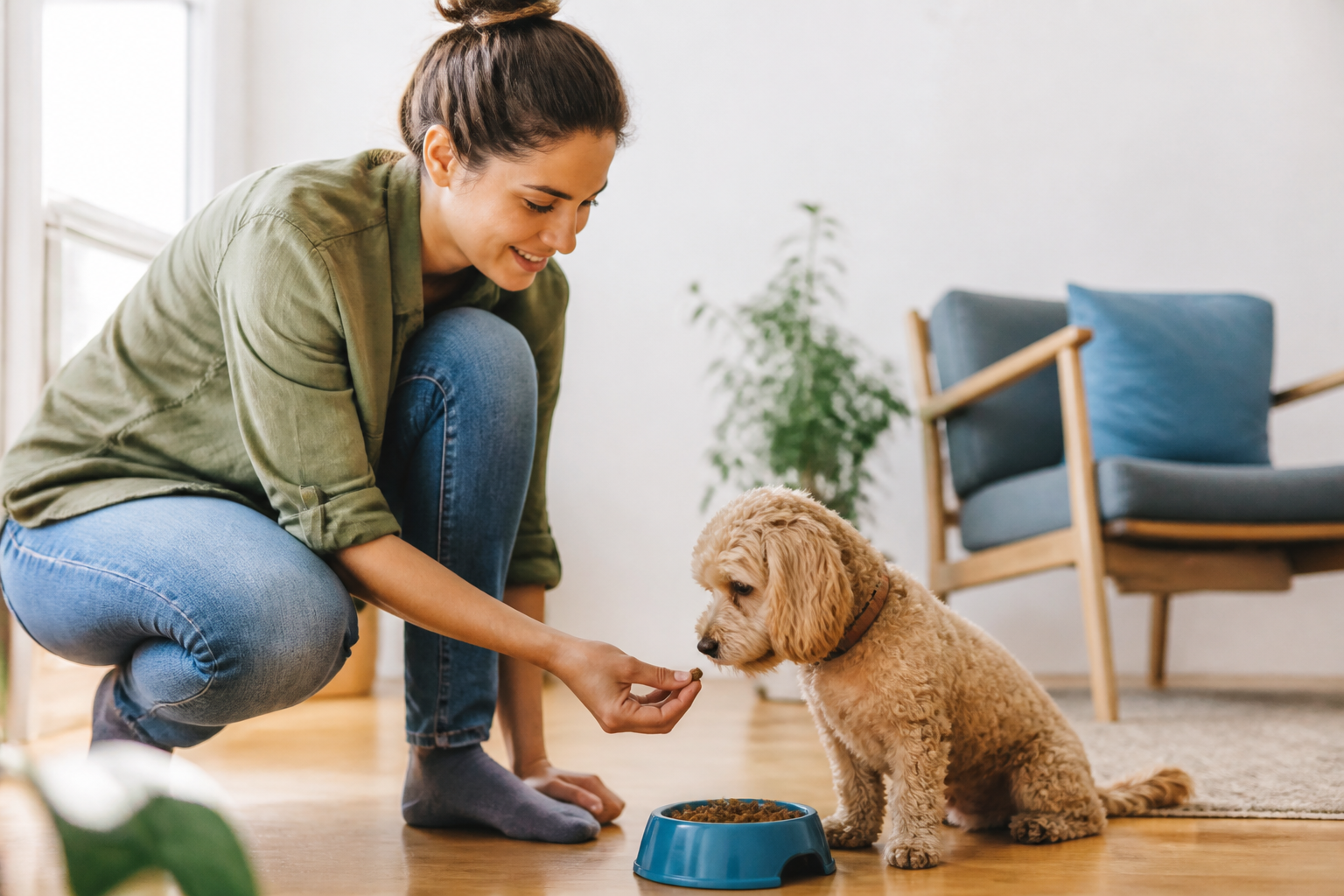
You set the bowl down and hear the familiar clinking of dry kibble. Your dog walks over, takes a single sniff, and turns away with a heavy sigh. This moment is frustrating for any pet parent. You want to ensure your dog gets the nutrition they need, but they seem completely uninterested in their dinner. At BaxterBoo, we talk to owners every day who are struggling with this exact problem. It is one of the most common hurdles in pet care. Getting a dog to enjoy dry food often requires a mix of ruling out health issues, improving the appeal of the meal, and refining your feeding routine. This guide will walk you through practical steps to turn mealtime from a struggle into a success.
Quick Answer: To get a dog to eat dry food, try warming the kibble with a little water or low-sodium broth to release its aroma. You can also use high-quality meal toppers, stick to a strict 15-minute feeding window, and significantly reduce treats to build a healthy appetite.
Rule Out Health and Dental Issues First
Before you assume your dog is just being stubborn, you must consider their physical health. Dry kibble is hard and crunchy. If a dog has a broken tooth, inflamed gums, or periodontal disease, crunching down on that food can be painful. They might want to eat but find the physical act of chewing too difficult.
Check your dog’s mouth for redness, swelling, or bad breath. If they are pawing at their face or dropping food after taking a bite, a dental issue is likely. Beyond dental health, internal issues like kidney disease, liver problems, or simple stomach upsets can cause a loss of appetite. If your dog is also lethargic, vomiting, or has diarrhea, a veterinary visit is necessary.
Vet Tip: If your dog suddenly stops eating a food they previously loved, schedule a check-up. Your vet can rule out underlying conditions or dental pain that makes dry food difficult to eat. Our pharmacy carries prescription diets through our partnership with Pet’s Choice if your vet determines a medical diet is required.
The Importance of Food Freshness
Sometimes the problem is not the dog or the brand. It is the specific bag of food. Dry dog food contains fats and oils that can go rancid over time. If the bag has been open for more than a month, the smell and taste may have changed. Dogs have a sense of smell that is thousands of times more sensitive than ours. They can detect spoilage or mold long before we can.
Always store dry food in its original bag inside an airtight container. The bag itself is designed to provide a barrier against oxygen. Check the expiration date on the packaging. If the food smells sour or "off" to you, it definitely smells bad to your dog. Buying smaller bags more frequently can help ensure the kibble stays fresh and appetizing. For more guidance, read about keeping dry dog food fresh.
Use Scent to Spark an Appetite
A dog’s appetite is driven largely by their nose. Dry kibble straight from the bag does not have a very strong scent. You can make the food much more enticing by simply increasing the temperature. Warmth releases the aromas of the fats and proteins in the kibble.
Adding Warm Water
The easiest trick is adding a splash of warm water to the bowl. Let the food sit for a few minutes until it softens slightly. This creates a bit of a gravy and makes the scent much more potent. It also helps with hydration, which is a bonus for dogs that do not drink enough water throughout the day.
Using Low-Sodium Broth
If water does not work, try a small amount of low-sodium chicken or beef broth. Make sure the broth does not contain onions or garlic, as these are toxic to dogs. The added savory flavor is often enough to convince a picky eater to dive in. Many brands carried by us, like The Honest Kitchen, offer specific bone broths made just for pets. You can also explore our dog food topper and broth selection.
Key Takeaway: Increasing the aroma of dry food is the fastest way to entice a dog. Use warm water or pet-safe broth to release the scents that trigger their natural hunting and eating instincts.
The Role of High-Quality Meal Toppers
If your dog finds plain kibble boring, a meal topper can provide the variety they crave. Toppers are meant to be added to the top of a complete and balanced meal. They add texture, flavor, and extra nutrition without completely replacing the dry food.
You can use a spoonful of canned wet food as a topper. Mix it in thoroughly so your dog cannot just pick out the wet bits and leave the kibble behind. Other healthy options include:
- A tablespoon of plain, unsweetened Greek yogurt
- A small scoop of canned pureed pumpkin (not pie filling)
- Freeze-dried raw morsels crumbled over the top
- A few pieces of fresh, safe veggies like steamed green beans
Brands like Stella and Chewy’s or Vital Essentials offer freeze-dried toppers that are packed with protein. These are especially effective because they have a very strong, meaty scent. For more ideas, browse our freeze-dried raw dog food options.
Establishing a Strict Feeding Routine
One of the biggest mistakes owners make is "free feeding." This means leaving the food bowl out all day for the dog to graze. Free feeding can actually decrease a dog’s interest in food. When food is always available, it is not special. It also makes it harder for you to track exactly how much your dog is eating.
Switch to a scheduled feeding routine. Put the bowl down for exactly 15 minutes. If the dog does not eat, pick the bowl up and do not offer food again until the next scheduled mealtime. This teaches your dog that food is a limited resource. It builds a sense of "use it or lose it" that can overcome minor pickiness.
Steps to Implement a Schedule
Step 1: Set specific times. / Feed your dog at the same time every morning and evening to create a biological rhythm.
Step 2: Use the 15-minute rule. / Place the bowl down and walk away. If the food is untouched after 15 minutes, remove it.
Step 3: No mid-day snacks. / Avoid giving any treats or scraps between meals during this training period to ensure they are hungry for dinner.
Cutting Back on Treats and Table Scraps
If your dog is holding out for "the good stuff," it is likely because they know it is coming. Many picky eaters are actually just smart. They have learned that if they refuse their kibble, their owner will eventually give them a piece of cheese, a bit of chicken, or a handful of tasty treats.
Treats should never make up more than 10% of a dog’s daily calories. If you are over-treating, your dog simply might not be hungry enough to eat their regular meal. Stop all table scraps and limit training treats for a week. You will likely find that your dog’s interest in their dry food increases significantly when they are actually hungry.
Choosing the Right Kibble for Your Dog
Not all kibble is created equal. Some dogs genuinely dislike the flavor of certain proteins. If your dog has always eaten chicken-based food, they might be bored or may have developed a mild sensitivity. Switching to a different protein like lamb, salmon, or beef can make a world of difference.
We carry premium brands like Farmina, Orijen, and Acana that focus on high-quality ingredients and high meat inclusion. These foods often have a better "mouthfeel" and more natural flavor than budget brands. If your dog is a small breed, ensure you are buying small-breed specific kibble. Small dogs have smaller mouths and can find large, hard nuggets difficult to manage. Start by browsing our dog food collection, where you can compare formulas and textures.
Bottom line: Quality matters. Switching to a high-protein, nutrient-dense kibble with a different protein source can often solve pickiness by providing a better taste and texture.
Environmental Factors and Stress
Where your dog eats can be just as important as what they eat. If the food bowl is in a high-traffic area with loud noises or other pets, your dog might feel too anxious to eat. Puppies and high-energy dogs are also easily distracted. A child running through the room or a delivery person at the door can cause them to abandon their meal.
Try moving the food bowl to a quiet, low-traffic corner. If you have multiple pets, feed them in separate rooms. This prevents "resource guarding" or the feeling of competition, which can cause some dogs to lose their appetite. Making mealtime a calm, predictable event helps your dog focus on the task at hand.
The Benefits of Rotational Feeding
Some dogs thrive on variety. Rotational feeding involves changing your dog’s food protein or formula every few months. This can prevent boredom and provide a wider range of amino acids and nutrients.
When rotating, you do not need to do a slow transition if you stay within the same brand and product line. For example, you might switch from a turkey formula to a whitefish formula. This keeps the digestive system adaptable and makes mealtime more exciting. Many owners find that their dogs are much more eager to eat when the flavor changes periodically. For additional guidance, read how to choose the best dry dog food.
Using Exercise to Stimulate Hunger
A dog that has spent all day napping on the couch might not have a high caloric demand. Physical activity naturally stimulates the appetite. Try to schedule a long walk or a vigorous play session about 30 minutes before mealtime.
Once your dog has burned off energy and their body is looking to replenish its stores, they will be much more likely to accept whatever is in their bowl. Exercise also helps with digestion and overall metabolic health. It is a simple, healthy way to ensure your dog is actually ready to eat when you set the bowl down.
Hand-Feeding as a Temporary Solution
In some cases, hand-feeding can help a dog get started. This is particularly useful for puppies or dogs that are feeling a little bit shy or stressed. Your hand provides a sense of security and positive reinforcement.
Take a few pieces of kibble and offer them one by one. Once the dog starts eating from your hand, drop a few pieces into the bowl. Gradually transition to holding the bowl in your lap, and then finally placing it on the floor. While you do not want to hand-feed forever, it is a great way to break the ice with a new food or a stubborn eater.
Managing Dietary Sensitivities
Sometimes a dog refuses food because it makes them feel unwell. If a specific ingredient causes mild nausea or gas, the dog will eventually associate that food with feeling bad. This is called a "taste aversion."
If you notice your dog has itchy skin, chronic ear infections, or frequent soft stools, they might have a food sensitivity. In these cases, a limited-ingredient diet or a prescription diet from our pharmacy might be necessary. We work with Pet’s Choice to provide FDA-approved prescription foods that address specific health needs. These formulas are designed to be highly palatable while avoiding common allergens. You can learn more about selecting food for sensitive dogs in this dry dog food nutrition guide.
Note: If your vet prescribes a specific therapeutic diet, our pharmacy can help fulfill that order. These diets are specifically formulated to manage conditions like food allergies or digestive sensitivities that may be causing your dog's pickiness.
Using Puzzle Toys to Increase Interest
Some dogs are bored by the bowl but love a challenge. Working for food is a natural behavior for canines. Using a puzzle toy or a treat-dispensing ball can make dry food feel like a game.
Instead of a standard bowl, put the kibble inside a Kong or a snuffle mat. The mental stimulation of "hunting" for the pieces can override the dog's pickiness. It slows down fast eaters and provides enrichment for high-intelligence breeds. Many dogs who ignore a bowl of food will happily spend twenty minutes working to get every last piece out of a toy.
Consistency is Key
The most important part of getting a dog to eat dry food is consistency. If you try a new trick for one day and then give up and offer a cheeseburger the next, your dog will learn to wait for the cheeseburger. Stick to your chosen method for at least a week.
It can be hard to watch your dog skip a meal, but a healthy dog will not starve themselves. As long as they are drinking water and acting normally, missing a meal or two while you establish a routine is safe. Your resolve will eventually lead to a dog that eats their kibble reliably and stays healthy for years to come.
Conclusion
Getting your dog to eat dry food is a journey of patience and observation. Start by checking for dental pain or illness. If your dog is healthy, focus on making the food smell great with warm water or broth. Establish a clear feeding schedule and stop the flow of table scraps. By using high-quality brands and occasionally adding toppers, you can make kibble the highlight of your dog's day. At BaxterBoo, we are here to support you with the best selection of foods, toppers, and health supplies. Our MVP Rewards program can help you save on every bag as you find the perfect match for your pup.
- Rule out dental pain or underlying medical issues with a vet visit.
- Enhance flavor and scent using warm water or low-sodium broth.
- Limit treats and table scraps to no more than 10% of daily calories.
- Use a strict 15-minute feeding schedule to discourage grazing.
- Consider high-quality toppers or a protein rotation to prevent boredom.
Key Takeaway: Success comes from a combination of high-quality nutrition and firm feeding boundaries. Use scent to entice them, but use a schedule to teach them that mealtime is non-negotiable.
FAQ
Why did my dog suddenly stop eating dry food?
A sudden change in appetite can be caused by dental pain, an underlying medical issue, or food spoilage. It is also possible your dog has become bored with the flavor or has been getting too many treats lately. If the refusal is accompanied by lethargy or vomiting, see a veterinarian immediately.
Is it okay to mix wet food with dry food?
Yes, mixing wet food with dry food is an excellent way to increase the meal's appeal and moisture content. Be sure to mix it thoroughly so your dog cannot pick out the wet food and leave the kibble. Remember to adjust the total amount of food to ensure you are not overfeeding.
How long can a healthy dog go without eating?
Most healthy dogs can go 24 to 48 hours without food as long as they are still drinking water. However, you should not let it go this long without a plan. If your dog misses more than two meals in a row, consult your vet to rule out physical illness or a blockage.
Can I use human broth to soften my dog's kibble?
You can use broth, but it must be low-sodium and free of onions, garlic, and excessive spices. Many store-bought broths for humans contain ingredients that are toxic to dogs. It is often safer to use a broth specifically formulated for pets or simply use warm water.






