
 Save 15% on your 1st Autoship learn more

 Email us
 Live Chat
 FAQs
FAQs





Introduction
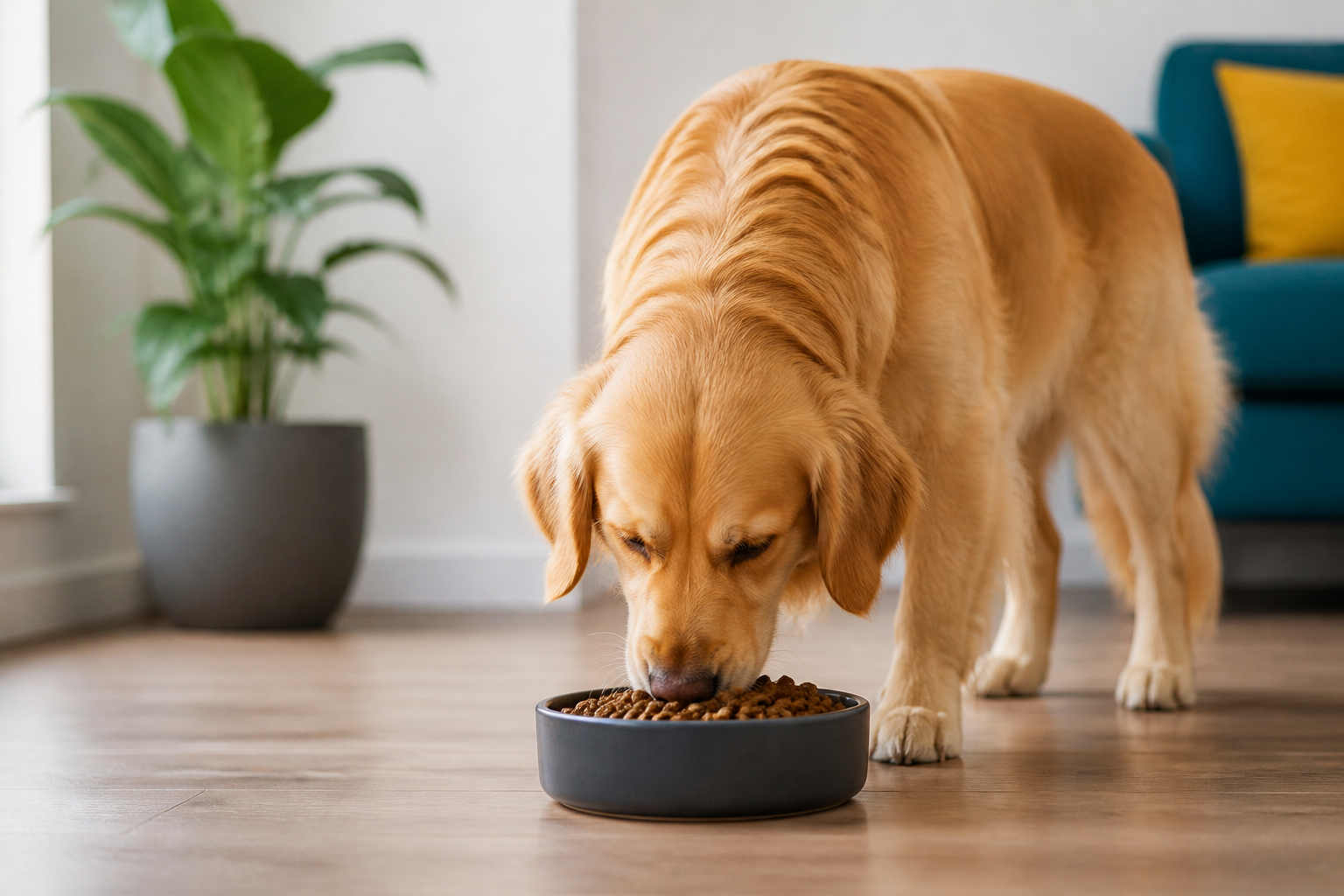
It is a common and stressful scene for many pet owners. You scoop the kibble into the bowl, set it down, and your dog takes one sniff before walking away with a sigh. Maybe they are waiting for a piece of your dinner, or perhaps they have simply lost interest in their usual brand. At BaxterBoo, we know how worrying it is when a healthy appetite suddenly disappears.
This guide covers practical strategies to encourage your dog to enjoy their dry food again. We will explore how to rule out medical issues, adjust your feeding routine, and use healthy toppers to make meals more exciting. By understanding the psychology of a picky eater and the biology of a dog's sense of smell, you can turn mealtime from a struggle into a highlight of their day.
Rule Out Medical Issues First
Before you assume your dog is just being stubborn, you must ensure they are not in pain or feeling unwell. A sudden loss of appetite is often the first sign of an underlying health problem. If your dog has always been a great eater and suddenly stops, this is a red flag that requires a professional opinion.
Check Their Teeth and Gums
Dental pain is a leading reason why dogs refuse dry food. Kibble is hard and requires significant crunching. If your dog has a cracked tooth, inflamed gums, or an abscess, that crunching becomes a source of sharp pain. They might still want to eat, which is why they might beg for soft table scraps while ignoring their hard kibble. Look for signs of red gums, heavy tartar buildup, or a foul odor coming from their mouth.
Consider Digestive Sensitivity
Food allergies or stomach sensitivities can make a dog associate their food bowl with discomfort. If a certain recipe causes nausea or gas, your dog may develop a learned aversion to that specific scent. If you have recently switched brands and the refusal started shortly after, the new formula might not agree with their system.
Vet Tip: If your dog refuses food for more than 24 hours or shows signs like lethargy, vomiting, or diarrhea, contact your veterinarian immediately. Our dog pharmacy carries prescription diets and medications through our partnership with Pet's Choice that can help manage chronic digestive issues or dental recovery once a vet provides a diagnosis.
Evaluate the Feeding Environment
Sometimes the problem is not the food itself but where and how it is served. Dogs can be sensitive to their surroundings, especially if they feel vulnerable while eating. If your kitchen is a high-traffic area with kids running by or loud appliances running, your dog might feel too distracted or anxious to focus on their meal.
The Impact of the Bowl
The type of bowl you use can actually influence your dog's appetite. Metal bowls are durable and easy to clean, but the sound of dog tags clinking against the rim can startle sensitive pets. Some dogs also dislike the reflection in the bottom of a shiny stainless steel bowl. If your dog seems hesitant to approach the bowl, try switching to a ceramic or BPA-free plastic dish.
Create a Safe Space
Try moving the food bowl to a quiet corner or a separate room. For a dog that feels competitive about food, they might need a space where other pets cannot bother them. If you have a multi-pet household, feeding dogs in their crates or in different rooms can reduce the stress of guarding their meal, allowing them to relax and actually eat.
Key Takeaway: A calm environment and a quiet bowl can reduce mealtime anxiety, making it easier for distracted or nervous dogs to finish their kibble.
Use the Power of Scent
A dog's sense of smell is roughly 10,000 to 100,000 times more acute than ours. While we focus on the taste of food, dogs focus almost entirely on the aroma. Dry kibble is processed at high temperatures, which locks in nutrients but also reduces the natural scent of the ingredients.
Add Warm Water or Broth
One of the simplest ways to get a dog to eat dry food is to "unlock" the aroma. Adding a small amount of warm water to the kibble creates a savory gravy and releases the scent of the fats and proteins. You can also use a low-sodium chicken or beef broth. Make sure the broth does not contain onions or garlic, as these are toxic to dogs.
The Microwave Trick
If your dog is particularly stubborn, try popping their bowl in the microwave for about 10 seconds after adding a bit of moisture. You do not want the food to be hot, just warm to the touch. This heat intensifies the smell of the oils in the kibble. For a senior dog with a fading sense of smell, this extra boost can be the difference between a full bowl and a skipped meal.
The Role of Healthy Toppers
If your dog finds plain kibble boring, a topper can provide the variety they crave without requiring a total diet change. The goal of a topper is to provide enough incentive to start eating, as most dogs will finish the rest of the bowl once they have had a few bites of something delicious.
Fresh and Simple Options
You do not always need a commercial product to entice your dog. Small amounts of healthy "human" foods can work wonders. Consider adding a spoonful of:
- Plain, unsweetened Greek yogurt
- Canned pumpkin (pure pumpkin, not pie filling)
- De-seeded and chopped cucumbers or green beans
- A few bits of plain, boiled chicken breast
Commercial Toppers and Mix-ins
We carry a variety of specialized toppers at BaxterBoo that are designed specifically for picky eaters. Brands like Stella & Chewy's offer freeze-dried raw "meal mixers" that you can crumble over dry food. These provide a massive punch of flavor and high-quality protein. You can also look for "pour-overs" or stews from brands like The Honest Kitchen or Caru. These add moisture and variety while maintaining a balanced nutritional profile.
Bottom line: Toppers are an excellent tool for variety, but they should make up no more than 10 percent of your dog's daily calories to avoid unbalancing their nutrition.
Address Behavioral Pickiness
In many cases, a dog refuses dry food because they are holding out for something better. If your dog knows that refusing kibble eventually leads to a piece of cheese or a scoop of wet food, they will continue to wait. This is a learned behavior that requires a bit of "tough love" to correct.
The 30-Minute Rule
Establishing a strict routine is the best way to combat behavioral pickiness. Put the bowl down for 30 minutes. If your dog has not eaten it by then, pick it up and do not offer food again until the next scheduled mealtime. Do not give any treats in between. Most healthy dogs will not starve themselves. Once they realize that the kibble is the only option on the menu, they will usually start eating again within a day or two.
Stop the Table Scraps
If your dog is filling up on scraps from your dinner, they have no reason to eat their own balanced meals. Human food is often much higher in fat and salt, which makes it more addictive than kibble. Stop all table feeding immediately. If you want to give your dog a treat, use a few pieces of their actual kibble or a high-quality dog treat like those from Zesty Paws or PureVita, but keep them limited.
Transitioning to a New Food
If you have tried all the tricks and your dog still genuinely dislikes their dry food, it might be time for a change. Not all kibble is created equal. Some dogs prefer small, crunchy bites, while others like larger "shredded" blends. Our dry dog food category makes it easy to compare different recipes and textures.
How to Switch Safely
Never switch your dog's food cold turkey. This often leads to upset stomachs, which only makes the pickiness worse. Use a gradual transition over 7 to 10 days:
- Days 1-3: 75% old food, 25% new food.
- Days 4-6: 50% old food, 50% new food.
- Days 7-9: 25% old food, 75% new food.
- Day 10: 100% new food.
Look for High-Quality Ingredients
When selecting a new dry food, look for brands that prioritize whole proteins as the first ingredient. Brands like Acana, Orijen, and Farmina offer nutrient-dense recipes that often have a stronger natural aroma and better palatability than budget-friendly options. If your dog has a sensitive stomach, look for "limited ingredient" diets that simplify the protein and carbohydrate sources.
Key Takeaway: A slow transition between food brands prevents digestive upset and helps your dog accept the new flavor profile.
Increase Physical Activity
A dog that has spent all day napping on the couch might simply not be hungry. Exercise is one of the best natural appetite stimulants. A long walk or a vigorous play session about 30 minutes before mealtime can help kickstart their metabolism.
The "Hunt" for Food
In the wild, dogs have to work for their meals. Being handed a bowl of food can sometimes be uninspiring for high-energy breeds. Try using a puzzle feeder or a treat-dispensing toy like a Kong. Instead of eating out of a bowl, your dog has to roll, toss, or chew the toy to get the kibble out. This turns mealtime into a rewarding game and can engage a dog that is bored with the traditional feeding method.
Outdoor Feeding
If the weather is nice, try letting your dog eat outside. The different smells and environment can sometimes provide enough of a change to pique their interest. Just ensure you are not feeding them in an area where they will be pestered by insects or distracted by neighborhood squirrels.
Manage Senior Dog Needs
As dogs age, their bodies undergo changes that affect how they eat. Beyond dental pain, senior dogs may experience a decrease in their ability to smell and taste. This makes dry kibble feel like eating cardboard.
Joint Health and Feeding Height
If your senior dog has arthritis in their neck or front legs, bending down to a floor-level bowl can be painful. This discomfort might make them stop eating halfway through a meal. Using an elevated feeder can take the strain off their joints and make the process of eating much more comfortable.
Specialized Senior Formulas
Senior dogs also have different nutritional requirements. They may need more fiber for digestion or specific supplements like Cosequin for joint support. Many senior-specific dry foods are formulated to be slightly easier to chew or have enhanced flavors to compensate for a dulling sense of smell.
Vet Tip: Senior dogs are more prone to kidney and liver issues which can cause nausea. If your older dog is consistently turning down food, a blood panel at the vet is a wise investment to check their organ function.
Storage and Freshness
Sometimes the reason a dog won't eat dry food is simply because the food has gone bad. Dry kibble contains fats and oils that can go rancid if exposed to heat, light, and air for too long. For more guidance, read how long dry dog food stays fresh once opened.
Check the Best-By Date
Always check the date on the bag before you buy. At BaxterBoo, we maintain high turnover in our warehouse to ensure freshness, but it is still a good habit to check. Once a bag is opened, try to use it within six weeks.
Use Airtight Containers
Storing kibble in the original bag inside an airtight container is the best way to maintain freshness. The bag provides an extra barrier against oxygen. If you pour the food directly into a plastic bin, the oils from the kibble can seep into the plastic over time and turn rancid, tainting every new batch of food you pour in. Always wash your storage containers between bags. See our guide to choosing between wet and dry dog food for more feeding and storage considerations.
Conclusion
Getting a dog to eat their dry food often requires a combination of ruling out medical pain, establishing a firm routine, and adding a little bit of sensory excitement. Whether you decide to add a splash of warm broth, use a puzzle toy, or switch to a higher-quality brand like Open Farm or Stella and Chewy's, patience is essential.
Remember to keep an eye on your dog's overall condition and weight. If they remain energetic and maintain a healthy weight, they might just need fewer calories than you think. However, if the food refusal is accompanied by illness or weight loss, your veterinarian is your best resource. To make life easier, our Autoship programme ensures your dog's favorite fresh kibble arrives at your door exactly when you need it, and you can even earn rewards through the MVP Rewards programme with every purchase.
FAQ
Is it okay if my dog skips a meal?
For a healthy adult dog, skipping a single meal is usually not a cause for concern. They may just not be hungry or might be feeling slightly stressed. However, if they skip more than two meals in a row or show signs of illness, you should contact your veterinarian.
Can I mix wet and dry food permanently?
Yes, mixing wet and dry food is a great way to provide hydration and flavor while keeping the dental benefits and cost-effectiveness of kibble. Just be sure to adjust the total portions of both so you are not overfeeding your dog.
Why does my dog eat treats but not their dry food?
Treats are usually much more flavorful and higher in fat than standard kibble. If your dog learns that refusing dinner leads to a tasty treat, they will hold out for the better option. This is a behavioral issue that can be fixed by limiting treats and sticking to a strict feeding schedule.
How do I know if my dog's dry food has gone bad?
Rancid kibble often has a sour, "paint-like," or chemical odor. You might also notice a greasy film on the food or the inside of the bag. If your dog suddenly refuses a brand they usually love, check the expiration date and smell the food for any changes.






