
 Save 15% on your 1st Autoship learn more

 Email us
 Live Chat
 FAQs





Introduction
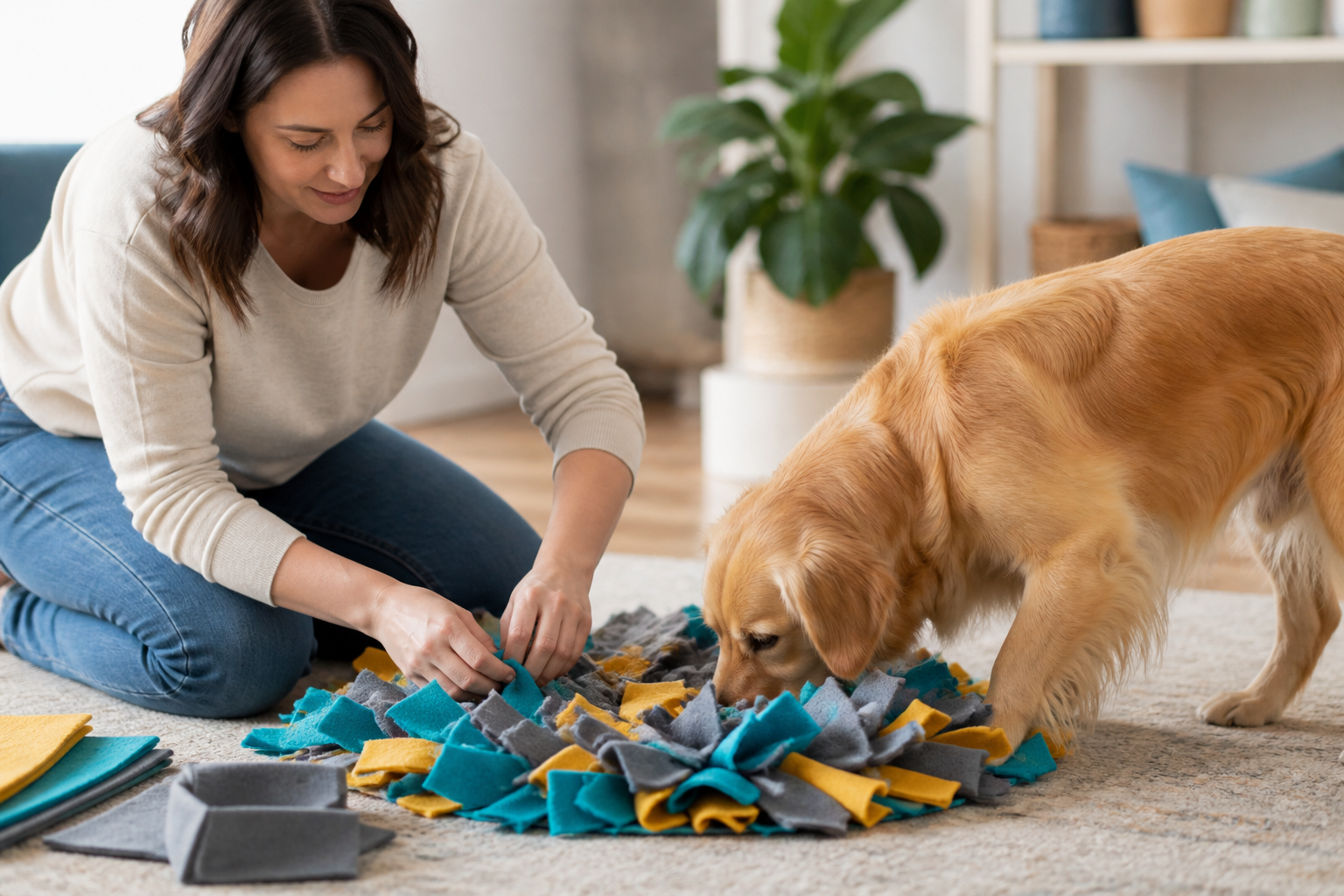
Your dog is pacing by the door on a rainy afternoon. Your cat is staring at the cupboard where you keep the treats. You have already finished your morning walk or play session. Still, your pet seems restless and bored. This is a common moment for many pet owners. You want to keep them busy without a messy cleanup or an expensive new gadget. A no-sew snuffle mat is the perfect solution for these restless days. This simple DIY project turns mealtime into a scavenger hunt. It engages your pet’s natural instincts and tires them out mentally. At BaxterBoo, we know that mental exercise is just as important as physical activity. This guide covers everything you need to create a durable mat using household items. You will learn the benefits of foraging and how to build two different versions of this enrichment toy.
Why Your Pet Needs a Snuffle Mat
Dogs and cats experience the world primarily through their noses. In the wild, animals spend a large portion of their day searching for food. Modern life makes things easy for our pets. We put their food in a bowl, and they finish it in seconds. This lack of a challenge can lead to boredom and behavioral issues. A snuffle mat mimics the experience of grass or undergrowth. It forces your pet to work for every piece of kibble.
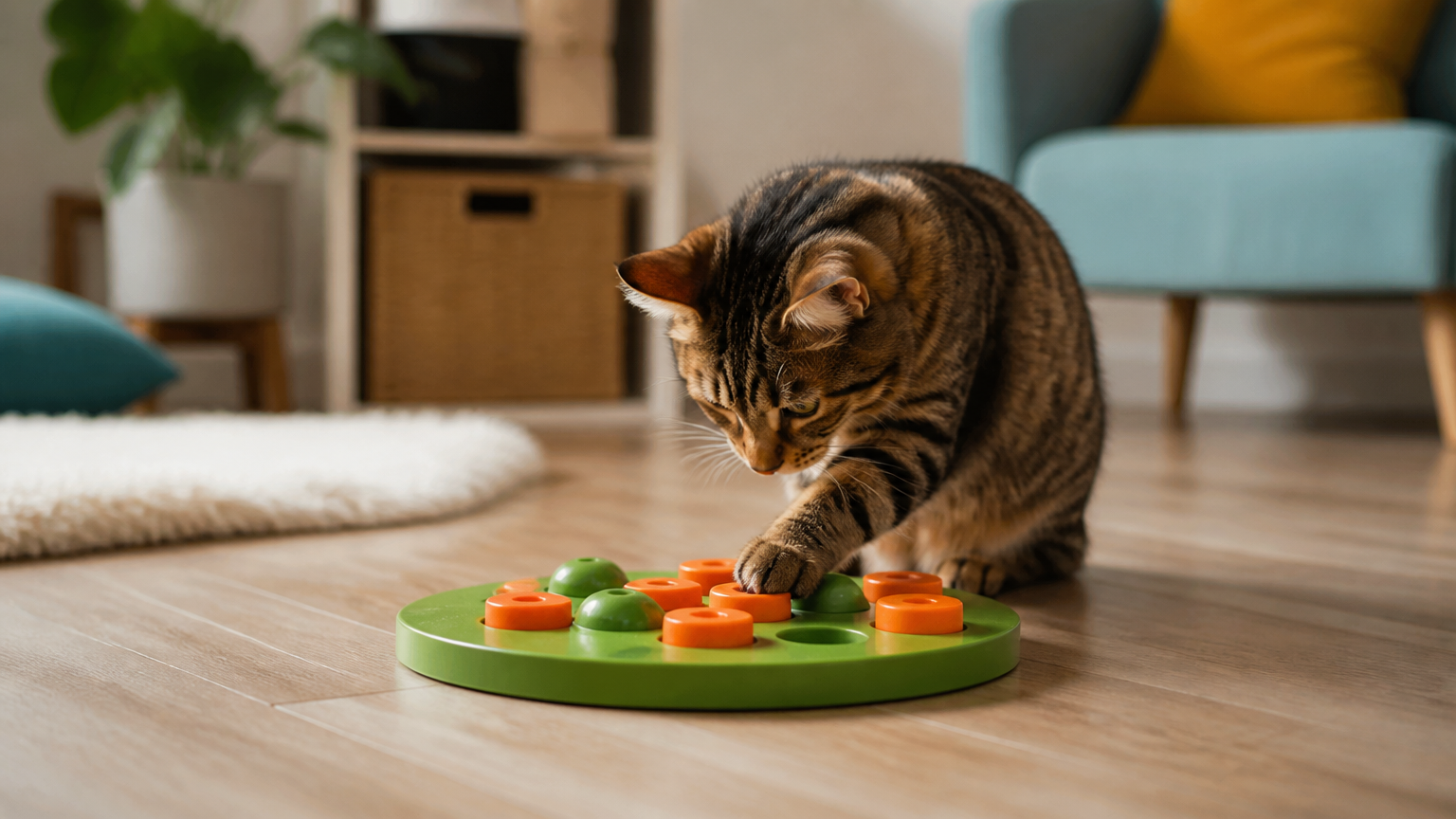
Mental stimulation is surprisingly tiring. For many dogs, twenty minutes of sniffing is as exhausting as an hour-long walk. This makes a snuffle mat an excellent tool for senior pets or those recovering from surgery. It provides an outlet for energy without putting stress on their joints. Cats also benefit from the hunt. It taps into their predatory drive and provides a healthy distraction. For more ideas, explore these indoor enrichment activities for pets.
Quick Answer: A snuffle mat is a DIY enrichment toy made from fabric strips tied to a base. It hides treats or kibble to encourage pets to use their sense of smell to find food. This provides mental stimulation and slows down fast eaters.
Interactive Treat Toys for Dogs








Olfactory Enrichment: The Power of the Nose
The part of a dog's brain that analyzes smells is 40 times larger than ours. When they sniff, they are gathering information and processing their environment. This is often called olfactory enrichment. Providing opportunities for your pet to use their nose improves their mood. Studies have shown that dogs who engage in regular nose work are generally more optimistic.
For cats, sniffing is a way to explore and feel secure. Adding a bit of catnip to a snuffle mat can create a multi-sensory experience. It keeps them focused on a task rather than scratching furniture or chasing your ankles. By building a no-sew snuffle mat, you are providing a healthy outlet for these deep-seated behaviors. You can also browse our cat treats when choosing small rewards for feline enrichment.
Choosing the Best Materials for Your Project
You do not need to be a professional crafter to make this. Most of the materials are likely already in your home. The most important component is the fabric. Fleece is the gold standard for snuffle mats. It is soft on your pet’s nose and does not fray when you cut it. You can buy fleece by the yard or upcycle an old fleece blanket.
For the base, you have two primary choices. A rubber sink mat with a lattice design is the easiest option. It provides a sturdy structure for tying the fabric. Alternatively, you can use a thick piece of fleece or felt as the base. This makes the mat entirely soft and easy to fold. We have found that using high-quality materials ensures the mat stands up to enthusiastic foragers.
Shopping List for a Standard Mat
- 1 to 2 yards of anti-pill fleece fabric.
- A rubber sink mat (roughly 12 by 15 inches).
- Sharp fabric scissors or a rotary cutter.
- A ruler or measuring tape.
Key Takeaway: Fleece is the best fabric for this project because it is soft and does not fray. Using a rubber sink mat as a base provides the most durability for active dogs.
Method 1: The Sink Mat No-Sew Snuffle Mat
This is the most popular method because the sink mat provides a perfect grid. It ensures your fabric strips are evenly spaced. It also gives the mat some weight so it does not slide across the floor as easily.
Step-by-Step Instructions
Step 1: Prep your fabric strips. / Cut your fleece into strips that are 1 inch wide and 7 inches long. You will need roughly 150 to 200 strips for a standard sink mat.
Step 2: Start on the edge. / Take one strip and thread it through two adjacent holes on the outer edge of the mat. Tie it once with a simple overhand knot.
Step 3: Fill the rows. / Continue tying strips through every pair of holes across the first row. Work your way row by row until the entire mat is covered.
Step 4: Check for density. / If the mat looks thin, go back and tie a second strip through the same holes in a crosswise direction. This creates a thicker forest of fabric.
Method 2: The Fleece-Only No-Sew Snuffle Mat
If you want a mat that is completely machine-washable and soft, use a fabric base. This version is great for cats or small dogs who might be intimidated by a heavy rubber mat.
Step-by-Step Instructions
Step 1: Create the base. / Cut a large square or rectangle of thick fleece. A 15-inch square is a good starting size for most pets.
Step 2: Cut the slits. / Fold the base in half and cut small parallel slits about 1 inch apart. Ensure you do not cut all the way to the edges.
Step 3: Thread the strips. / Cut your 1 by 7 inch fleece strips. Thread them through the slits and tie them with a single knot.
Step 4: Secure the knots. / Pull each knot tight to ensure the strips do not come loose during vigorous sniffing. You want the mat to look shaggy and full.
Key Takeaway: The sink mat method is easier for beginners, while the all-fabric method is better for pets that prefer a softer surface.
Comparison of Snuffle Mat Bases
| Feature | Rubber Sink Mat | Fleece/Fabric Base |
|---|---|---|
| Durability | High; stands up to tugging | Moderate; depends on fabric weight |
| Stability | Stays in place on hard floors | May slide or bunch up |
| Washability | Hand wash recommended | Fully machine washable |
| Complexity | Very easy to tie | Requires careful cutting of slits |
Slowing Down Fast Eaters
One of the most practical uses for a no-sew snuffle mat is managing mealtime. Many dogs and cats eat too quickly. This can lead to digestive upset or even dangerous conditions like bloat. By scattering their dry kibble into the mat, you force them to eat one piece at a time. This can turn a thirty-second meal into a ten-minute activity. For dry food to use in enrichment activities, browse our dog food category.
If your pet has chronic digestive issues, a slower pace is essential. Our pet pharmacy offers prescription diets and other pet health products. Using a snuffle mat alongside a veterinarian-recommended diet can support a consistent feeding routine. It gives their stomach time to signal to the brain that they are full.
Vet Tip: If your dog is a "gulper" who swallows food without chewing, consult your veterinarian about the risk of gastric torsion or bloat. A snuffle mat is a great tool, but some dogs may need specific medical guidance or prescription diets for long-term health.
Customizing the Challenge Level
Not every pet has the same foraging skills. A puppy might get frustrated if the treats are too hard to find. A seasoned pro might finish a simple mat too quickly. You can adjust the difficulty by changing how you prepare the mat. For additional puzzle ideas, read our guide to dog boredom busters.
For Beginners
- Sprinkle the treats right on top of the fleece.
- Use high-value, smelly treats to grab their attention.
- Keep the fabric strips shorter so the "grass" is not too deep.
For Experts
- Bury the kibble deep at the base of the knots.
- Use longer strips to create a denser mat.
- Roll or fold the mat once it is loaded to add another layer of difficulty.
Safety, Cleaning, and Maintenance
Like any pet toy, the no-sew snuffle mat requires supervision. Some dogs might try to chew on the rubber mat or pull the fabric strips out. If your dog is a heavy chewer, only give them the mat during supervised meal times. Once they are finished sniffing, pick the mat up and put it away. This keeps the mat "special" and prevents it from becoming a chew toy. If you need a supervised alternative, explore our dog toys.
Cleaning your mat is vital for hygiene. Saliva and food crumbs can build up quickly. If you used a rubber mat, you can soak it in a tub with pet-safe detergent. If you made the all-fabric version, place it in a mesh laundry bag. Wash it on a cold, gentle cycle and let it air dry. Avoid using high heat in the dryer as it can melt the rubber or damage the fleece fibers.
Bottom line: Regular cleaning and supervised use will extend the life of your snuffle mat and keep your pet safe.
Tips for Success
- Vary the treats: Use different types of kibble or small, dry treats to keep the game exciting.
- Use it for quiet time: Give your pet the mat when you have guests over or when you need to focus on a work call.
- Involve the family: This is a great project for kids. Tying the knots is simple and safe for children to help with.
- Monitor the wear: Check the knots weekly to ensure none have come loose, which could become a choking hazard.
For more scent-based activities, see these dog brain games.
Conclusion
Building a no-sew snuffle mat is an easy way to improve your pet's quality of life. It provides essential mental stimulation and solves common problems like fast eating and boredom. Whether you use a rubber sink mat or a fleece base, your dog or cat will appreciate the chance to use their natural instincts. At BaxterBoo, we love seeing pets engaged and happy. Once you finish your mat, you will need plenty of treats to keep it filled. You can find a wide selection of healthy dog treats and high-quality kibble in our store. Signing up for our Autoship programme ensures you never run out of supplies for your pet’s new favorite game.
FAQ
Can I use a snuffle mat for wet food?
It is best to stick to dry kibble or hard treats for a snuffle mat. Wet or soft food will create a mess that is very difficult to clean out of the fleece strips. This can lead to bacteria growth and unpleasant odors. If your pet eats wet food, consider using a lick mat or a slow-feeder bowl specifically designed for moist diets.
How often should I wash my snuffle mat?
You should wash the mat at least once a week if you use it daily. Saliva and food particles can accumulate quickly within the fabric. If you notice any odors or visible dirt, wash it immediately. Always use a pet-safe, unscented detergent to avoid irritating your pet’s sensitive nose.
What if my dog starts chewing the mat instead of sniffing?
If your dog begins to chew or pull on the fabric, gently take the mat away. Redirect them to a proper chew toy. You want to teach them that the mat is for sniffing, not for destruction. Using the mat only during supervised meal times helps reinforce this boundary and keeps the activity focused on foraging.
Is a snuffle mat safe for senior dogs with limited mobility?
Yes, a snuffle mat is one of the best enrichment tools for senior pets. It allows them to engage their brains and stay occupied without needing to run or jump. It is a low-impact activity that provides high-value mental rewards. Just ensure the mat is placed on a non-slip surface so they feel secure while they forage.


- Site & Contents BaxterBoo.com. BaxterBoo is located in the United States.
- Privacy & Security
- Terms of Use
- Accessibility Statement
