Save 15% on your 1st Autoship learn more

 Email us
 Live Chat
 FAQs
FAQs





Introduction
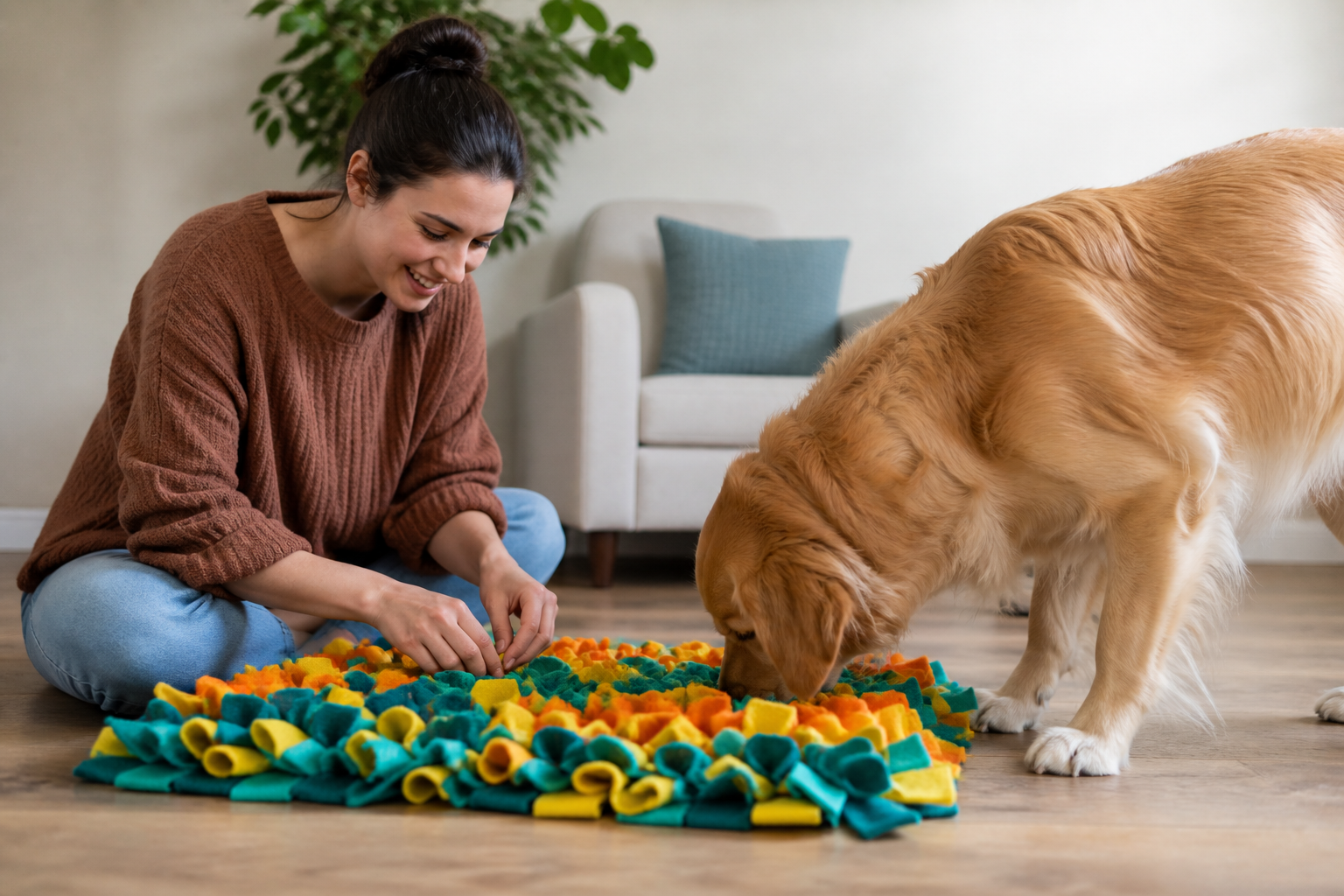
You set the food bowl down and before you can even stand back up, the kibble is gone. Your dog inhales their meal like it is a race, leaving you worried about digestion or weight gain. Perhaps you have a high energy pup who seems bored even after a long walk, or a senior dog who needs mental stimulation that does not strain their joints. These are the moments when a snuffle mat becomes an essential tool in your pet care kit. At BaxterBoo, we know that mental exercise is just as important as a game of fetch. A snuffle mat is a simple, cost effective DIY project that uses fleece strips and a rubber base to mimic natural foraging behaviors. This guide will show you exactly how to build one from scratch to help your dog slow down, relax, and use their nose.
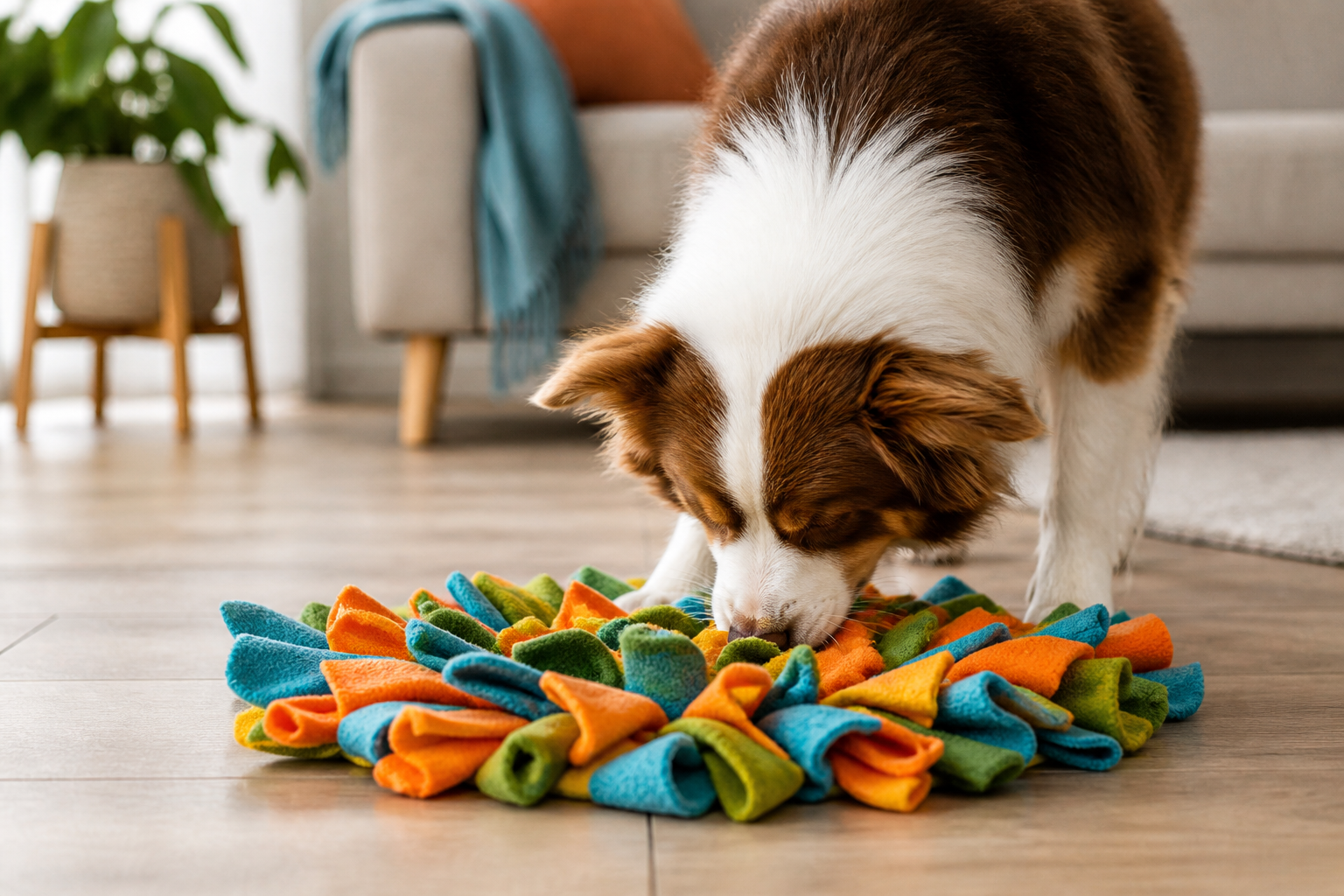
Quick Answer: A snuffle mat is made by tying strips of fleece fabric through the holes of a rubber sink mat. By hiding dry food or treats inside the fabric forest, you encourage your dog to forage, which slows down fast eaters and provides mental enrichment.
Why Your Dog Needs a Snuffle Mat
Dogs experience the world primarily through their noses. While humans rely on sight, a dog has up to 300 million olfactory receptors. Spending ten minutes sniffing is often more tiring for a dog than a thirty minute walk. This is why enrichment tools like snuffle mats are so effective for behavioral health. For more ways to keep your dog mentally engaged, explore these dog boredom-busting ideas.
Slowing Down Fast Eaters
If your dog eats too quickly, they might swallow excess air, which can lead to upset stomachs or more serious conditions like bloat. Using a snuffle mat for mealtimes forces them to find each individual piece of kibble. This naturally extends a thirty second meal into a ten or fifteen minute activity. This slower pace gives the brain time to register that the stomach is full, which is a helpful strategy for weight management.
Mental Stimulation and Anxiety Relief
Sniffing has a naturally calming effect on the canine nervous system. It lowers the heart rate and focuses the mind. For dogs that struggle with separation anxiety or noise phobias, a snuffle mat provides a constructive outlet for their energy. It gives them a "job" to do, which builds confidence and reduces destructive chewing or barking caused by boredom. You can also discover more brain games for dogs to add variety to your enrichment routine.
Vet Tip: If your dog is struggling with significant weight issues or chronic digestive upset, it is important to consult your veterinarian. Our pharmacy offers prescription diets for weight management and gastrointestinal health, which can be used alongside enrichment tools to improve your pet's quality of life.
Gathering Your Supplies
The beauty of this project is its simplicity. You do not need a sewing machine or advanced crafting skills. Most of these items can be found at a local craft store or even repurposed from items you have at home.
The Base Mat
The best base for a snuffle mat is a heavy duty rubber sink mat. These are usually found in the kitchen section of a department store. Look for a mat with a grid of holes or a "pebble" design that has clear gaps. Avoid foam mats, as these are too easy for a dog to chew through and swallow. A standard 12 by 15 inch mat is perfect for most dogs, but you can use zip ties to connect two mats together if you have a giant breed.
The Fleece Fabric
Fleece is the ideal material because it does not fray when cut. It is also soft on your dog's nose and can be tossed in the washing machine. You will need about 1.5 to 2 yards of fleece. You can use one solid color or get creative with a variety of patterns. Many pet owners like to use "anti-pill" fleece because it holds its shape better over time.
Essential Tools
- Fabric scissors or a rotary cutter.
- A ruler or measuring tape.
- A steady surface to work on.
- High value dry treats or kibble.
Key Takeaway: Using fleece is non-negotiable for this project because it is durable, washable, and safe for a dog's sensitive snout.
Step-by-Step Instructions for Making a Snuffle Mat
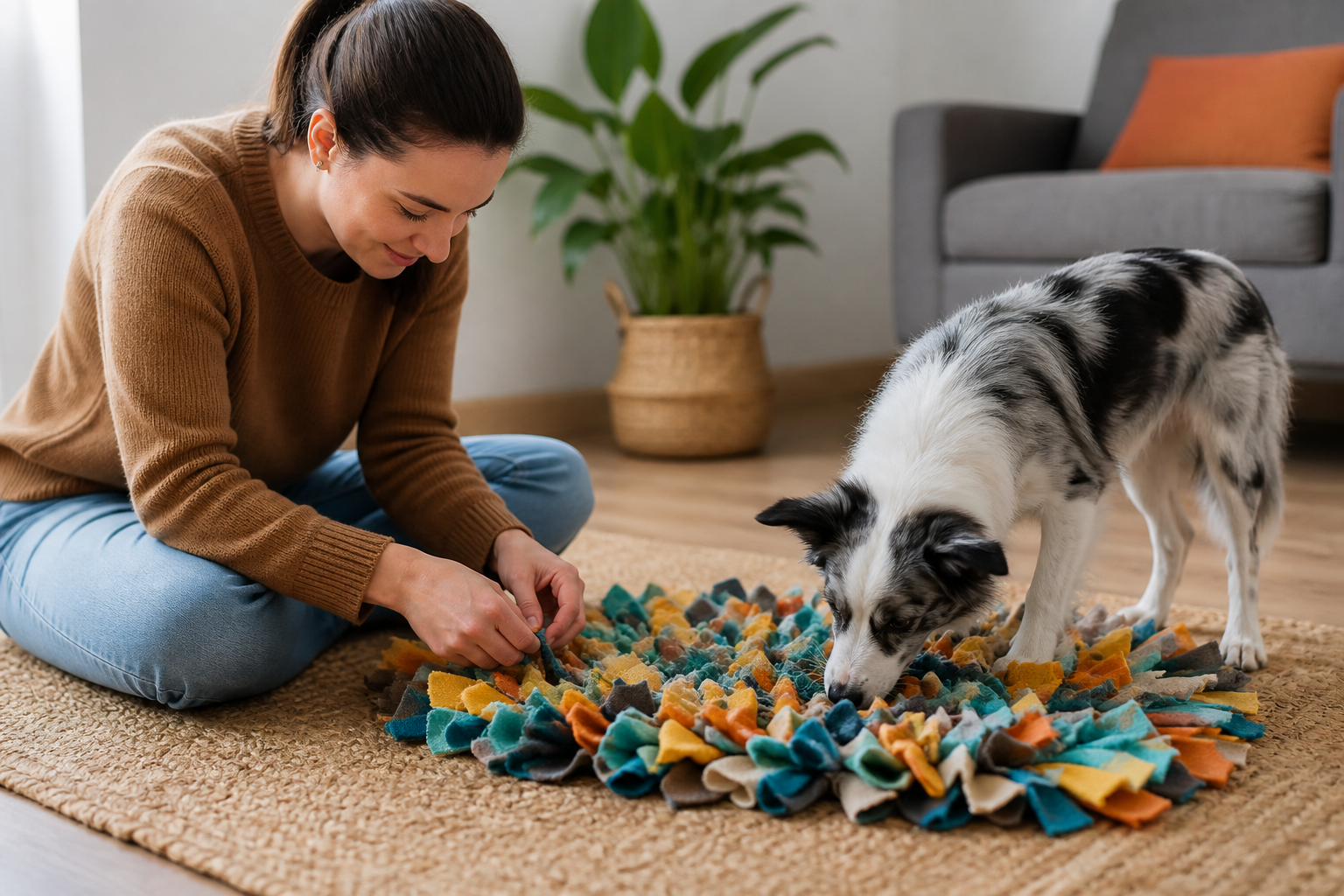
Creating the mat is a repetitive, relaxing process. It is a great activity to do while watching a movie or listening to a podcast. Depending on the size of your mat, it will likely take you between one and two hours to complete.
Step 1: Prep Your Fleece Strips
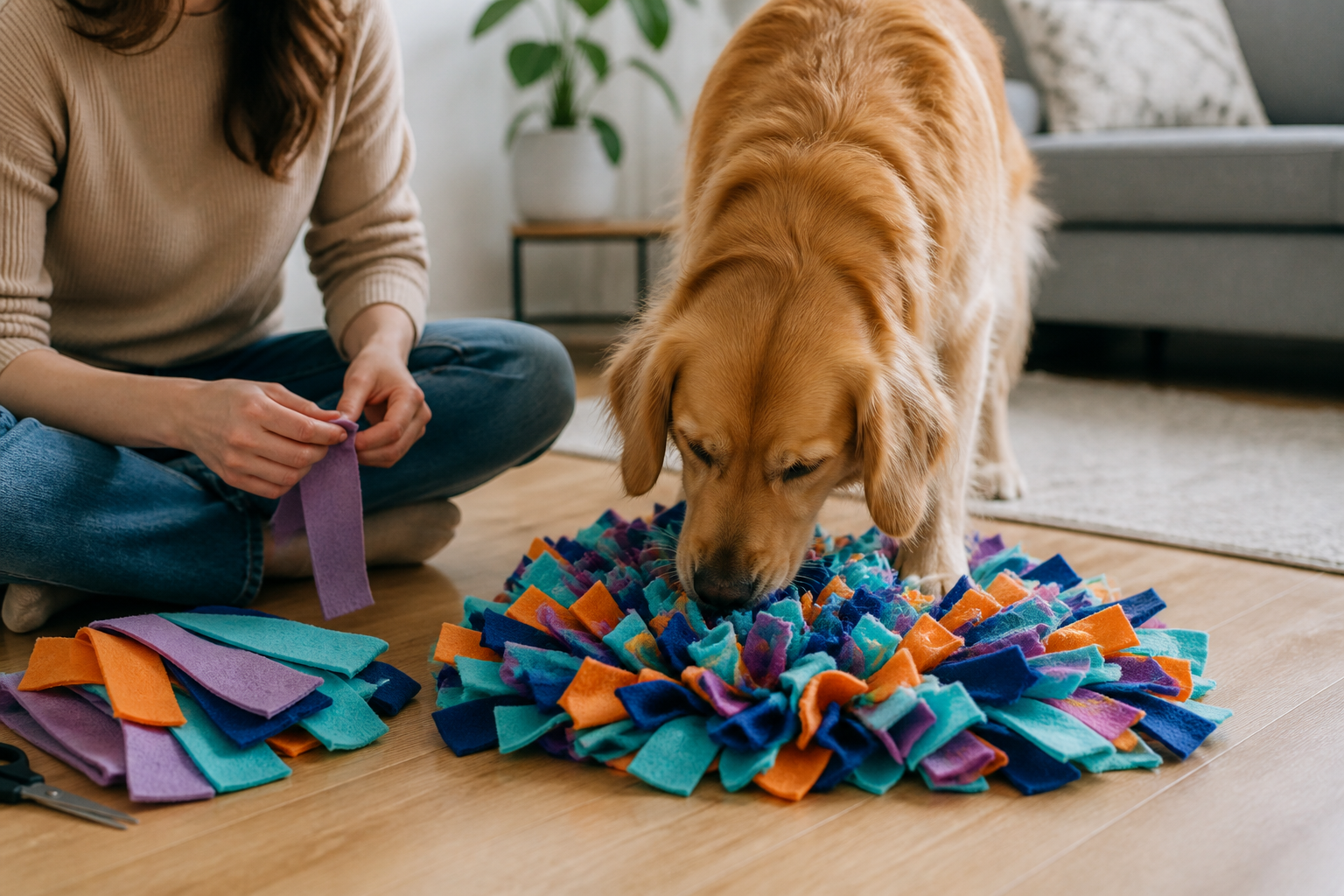
Start by cutting your fleece into strips. The ideal size is about 1 inch wide and 7 to 8 inches long. If the strips are too short, they will be hard to tie. If they are too long, the mat will be floppy and it will be too easy for the dog to find the treats.
- Fold your fleece fabric to save time.
- Cut long 8 inch wide columns first.
- Then, cut those columns into 1 inch strips.
- Do not worry about the edges being perfectly straight; your dog will not care about the aesthetics.
Step 2: The First Row of Tying
Lay your rubber mat flat. Take one strip of fleece and thread one end through the first hole and the other end through the second hole. Pull the ends up so they are even on the top side of the mat. Tie a single overhand knot. There is no need to double knot it, as the friction of the fleece will keep it secure. Repeat this process across the entire first row until every pair of holes has a strip tied through it.
Step 3: Vertical and Horizontal Coverage
To make the mat truly "snuffly," you need to fill in the gaps. Once you have finished your first row, move to the second row and repeat. After you have filled the horizontal gaps, go back and tie strips vertically between the rows. This cross-tying method creates a dense forest of fabric that makes the foraging game more challenging.
Step 4: Quality Check
Flip the mat over and look at the bottom. You should see a neat grid of knots. If you see any large empty spaces, add a few more strips. Once the mat is full, give it a good shake to fluff up the fabric. The strips should stand up and lean against each other, creating plenty of hiding spots for food.
Bottom line: A dense mat is a better mat because it requires more effort from your dog to find the hidden rewards.
How to Introduce the Mat to Your Dog
If your dog has never used a puzzle toy, they might be confused at first. Some dogs might try to pick up the mat and shake it, while others might try to chew the knots. It is your job to teach them how the game works. If your dog enjoys structured enrichment, browse our interactive dog toys for additional options.
The Beginner Level
For the first few sessions, do not hide the treats too deep. Sprinkle a few pieces of kibble right on top of the fleece. Use a cue like "find it" or "search" to encourage them. When they eat the visible pieces, praise them. This builds the association that the mat equals food.
Increasing the Difficulty
Once your dog understands the concept, start pushing the treats deeper into the folds. You can even tuck some treats inside the knots or under the cross-tied sections. If your dog is a "pro," try using smaller treats that fall to the bottom of the mat. This requires more intense sniffing and nudging with the nose.
Supervision is Key
Always supervise your dog when they are using the snuffle mat. It is a tool for interaction, not a chew toy. If you see your dog starting to paw at the mat aggressively or trying to rip the fleece, gently interrupt them and show them how to sniff instead. When the treats are gone, pick the mat up and put it away. This keeps the mat "special" and prevents it from becoming a target for chewing.
Vet Tip: Monitor your dog for any signs of fabric ingestion. If your dog has a history of eating non-food items, known as pica, consult your vet before introducing soft enrichment toys. We carry a variety of durable rubber puzzle toys as alternatives for heavy chewers.
Cleaning and Maintenance
Because the snuffle mat involves food, it will eventually get dirty. Saliva and treat crumbs can lead to bacteria growth if the mat is not cleaned regularly.
- Shake it out: After every use, take the mat outside and give it a vigorous shake to remove any leftover crumbs.
- Machine Wash: Most DIY mats are machine washable. Place the mat inside a pillowcase or a laundry bag to protect the knots and the rubber base. Use a gentle cycle with cold water and a pet safe, fragrance free detergent.
- Air Dry: Do not put the mat in the dryer, as the heat can warp or melt the rubber base. Hang it up or lay it flat to air dry.
Advanced Enrichment Ideas
Once you have mastered the basic snuffle mat, you can expand your dog's enrichment routine. Variety is the spice of life for pets, and rotating their toys prevents boredom.
- The "Frozen" Mat: For a summer treat, you can dampen the fleece slightly, hide some treats, and put the mat in the freezer for twenty minutes. This provides a cooling sensation as they forage.
- Scent Variation: Instead of just using kibble, try using high quality treats from brands like Stella and Chewy’s or Orijen. The stronger the scent, the more engaged your dog will be. Browse our dog treats for dry options that work well in enrichment activities.
- Multiple Mats: If you have a multi-pet household, give each dog their own mat in separate rooms. This prevents resource guarding and allows each dog to work at their own pace.
We find that owners who lean into these DIY projects often see a significant improvement in their dog's behavior. A tired dog is a happy dog, and a sniffing dog is a tired dog. Our team at BaxterBoo loves seeing how a little bit of fleece and some creativity can change the daily routine for pets across the country.
Bottom line: Regular cleaning and rotating treats will keep your dog's interest high and the mat in good condition for years.
Summary Checklist for Your DIY Project
- Select a sturdy rubber mat with plenty of holes.
- Choose high quality, anti-pill fleece fabric.
- Cut strips to approximately 1 by 8 inches.
- Tie strips horizontally and vertically for maximum density.
- Supervise the first few sessions to ensure your dog uses their nose, not their teeth.
- Wash the mat regularly to keep it fresh and safe.
If you find that your dog loves the challenge of nose work, you might want to look into other health supports. For senior dogs, the mental workout of a snuffle mat is great, but they may also benefit from joint supplements like Cosequin to help them stand comfortably while they forage. You can find these supplements and more in our dog healthcare collection.
FAQ
Can I use a snuffle mat for my cat?
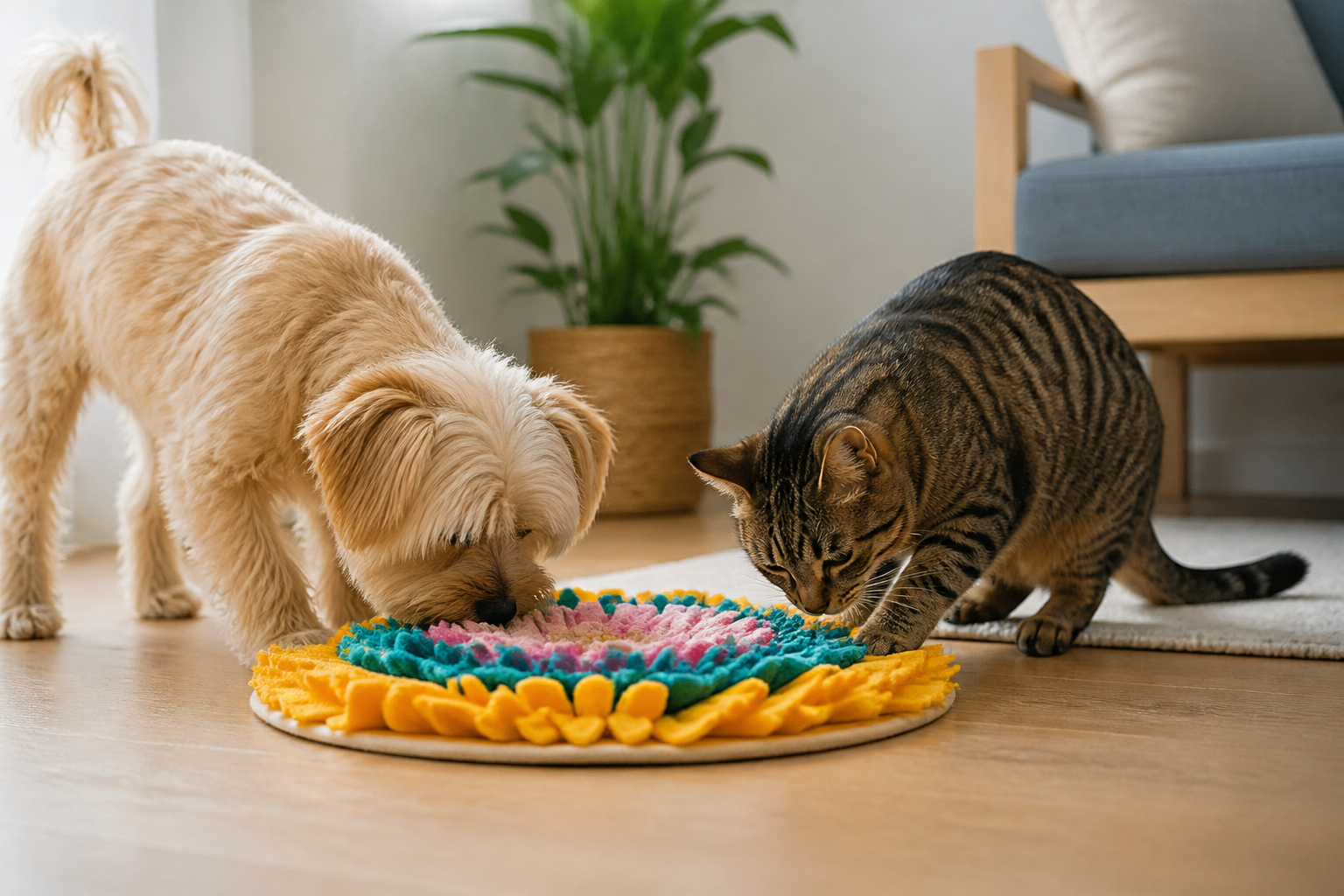
Yes, cats can benefit from snuffle mats just as much as dogs. Cats are natural hunters, and hiding high protein treats or pieces of freeze-dried fish in the mat encourages their predatory instincts. It is an excellent way to provide indoor cats with mental stimulation and prevent boredom related behaviors.
How do I stop my dog from chewing the mat?
Supervision is the most important factor in preventing chewing. If your dog starts to bite the fleece, use a redirection command and show them where a treat is hidden to get them back to sniffing. If the behavior continues, remove the mat and try again later when they are in a calmer state of mind.
What are the best treats to use in a snuffle mat?
Dry, crunchy treats or standard kibble work best because they do not leave a sticky residue on the fleece. Freeze dried treats from brands like Vital Essentials or The Honest Kitchen are great because they have a strong aroma that is easy for dogs to track. Avoid using wet food or messy treats like peanut butter.
How often should I let my dog use the mat?
You can use a snuffle mat every day. Many owners use it to feed one or both of their dog's daily meals. It is a fantastic way to burn off energy before you go to work or as a calming activity before bedtime. Just remember to subtract the calories used in the mat from their total daily food intake to maintain a healthy weight.