
 Save 15% on your 1st Autoship learn more

 Email us
 Live Chat
 FAQs
FAQs





Introduction
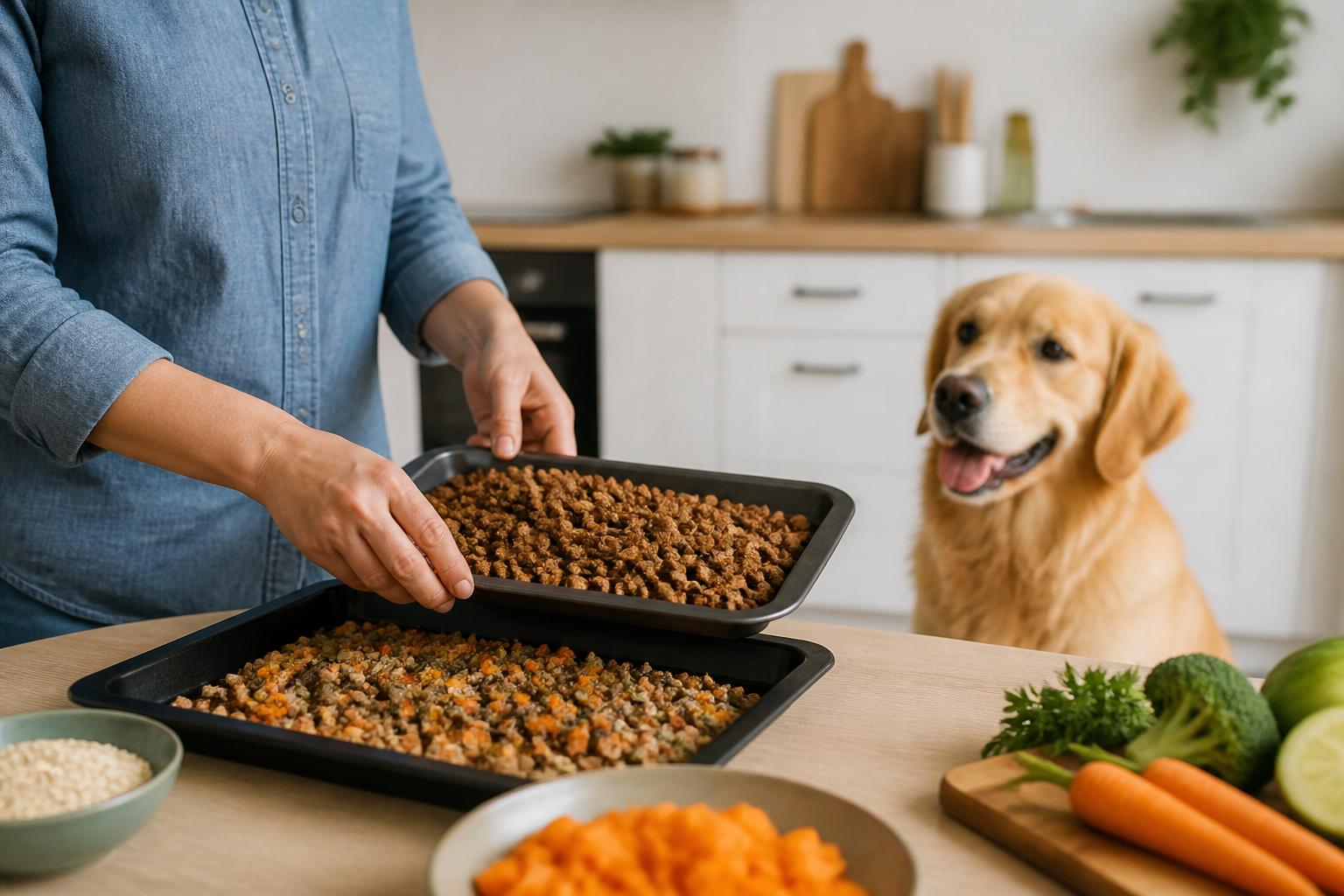
Standing in the pet food aisle can feel overwhelming when you start reading the long list of unrecognizable ingredients on a standard bag of kibble. Many of us at BaxterBoo have been there. You want the best for your dog, especially if they have itchy skin, a sensitive stomach, or have simply become a picky eater in their senior years. Making dry dog food at home is a practical way to take total control over what goes into your dog's bowl. This guide will cover the essential nutrients your dog needs, the step-by-step process of baking homemade kibble, and how to store it safely. While it requires more effort than opening a bag, the peace of mind that comes from using human-grade ingredients is a significant reward for many pet owners.
Quick Answer: Making dry dog food at home involves mixing a lean protein, a healthy carbohydrate, and dog-safe vegetables into a dough. You then spread the mixture thin on a baking sheet and bake it at a low temperature until it is fully dehydrated and crunchy.
Understanding the Basics of Homemade Kibble
Homemade dry food is different from the wet stews many people cook for their pets. The primary goal is to remove enough moisture so the food becomes crunchy and shelf-stable in the refrigerator. This texture is better for some dogs' dental health and is often more convenient for owners who prefer the scoop-and-serve method.
Before you start preheating the oven, you must understand that dogs have very specific nutritional requirements. They are not just meat-eaters. They need a precise balance of proteins, fats, carbohydrates, vitamins, and minerals to stay healthy over the long term. A recipe that works for a human is rarely appropriate for a dog.
We always suggest starting with a simple foundation. A high-quality homemade kibble usually consists of about 50 percent protein, 25 percent vegetables, and 25 percent grains or starches. This ratio can change based on your dog's age and activity level.
Vet Tip: Always consult your veterinarian before switching to a 100 percent homemade diet. They can help you ensure the recipe is nutritionally complete and balanced for your dog's specific life stage and health history.
Selecting High-Quality Proteins
The protein source is the most important part of your dog's meal. At our warehouse in Vernon Hills, we see many owners moving toward lean proteins to avoid digestive upset. Lean ground turkey, chicken breast, or lean ground beef are the most common choices for homemade recipes.
If your dog has allergies, you might consider more unique proteins like lamb or even whitefish. It is important to cook the meat thoroughly before adding it to your kibble dough. This eliminates the risk of foodborne illnesses like salmonella or E. coli.
Organ meats like beef liver or hearts are incredibly nutrient-dense and can be a great addition. However, they should only make up a small portion of the total protein. Too much organ meat can lead to an upset stomach or vitamin toxicity. We recommend keeping organ meats to less than 10 percent of the total protein volume.
Choosing the Right Carbohydrates and Fiber
Carbohydrates provide the energy your dog needs to zoom around the backyard. They also serve as the binder that holds your homemade kibble together. Without a good starch, your dry food will simply crumble into dust.
Brown rice and oatmeal are excellent choices because they are easy to digest and provide healthy fiber. If your dog is sensitive to grains, you can use sweet potatoes or lentils instead. Sweet potatoes are packed with beta-carotene and help create a great texture for baking.
Always cook your grains or starches before mixing them into the dough. Raw grains are very difficult for a dog's digestive system to process. If you use lentils or beans, make sure they are soaked and boiled until they are very soft.
Incorporating Dog-Safe Vegetables
Vegetables add essential vitamins and minerals without adding a lot of calories. They also provide moisture and flavor that dogs love. Carrots, green beans, peas, and spinach are all fantastic options for your homemade recipe.
It is a good idea to steam or finely chop the vegetables before adding them to the dough. Dogs have shorter digestive tracts than humans, so breaking down the plant cell walls through cooking or pureeing helps them absorb the nutrients better.
Avoid onions, garlic, and leeks entirely, as these are toxic to dogs. While some old recipes suggest a tiny bit of garlic, the risks far outweigh the benefits. Stick to safe, colorful veggies that provide a broad range of antioxidants.
The Importance of Healthy Fats
Fat is not the enemy in a dog's diet. It is essential for skin and coat health, brain function, and hormone production. Most lean meats will provide some fat, but you often need to add a little extra to the mix.
A tablespoon of olive oil or safflower oil can be drizzled into your dough. Even better is a source of omega-3 fatty acids, such as fish oil. These fats support joint health and keep your dog's coat shiny. If you use fish oil, it is often best to add it to the food just before serving rather than baking it, as high heat can degrade some of the beneficial qualities of the oil.
Key Takeaway: A balanced homemade kibble requires a mix of lean protein, cooked grains, and safe vegetables to ensure your dog gets the energy and nutrients they need.
Step-by-Step Guide to Making Dry Dog Food
Making kibble at home is a multi-step process that requires a few hours of your time. Many owners find it easiest to make a large batch once a week and store it.
Step 1: Cook the base ingredients. Brown your meat in a skillet and drain the excess fat. Cook your rice or oats according to the package directions. Steam your chosen vegetables until they are soft.
Step 2: Create a uniform mixture. Place the cooked meat, vegetables, and grains into a food processor. Pulse the mixture until it reaches a thick, paste-like consistency. If the mixture is too dry to stick together, you can add a little bit of low-sodium chicken broth or water.
Step 3: Add your supplements. This is the stage where you add any vitamins or minerals recommended by your vet. Mix them in thoroughly so they are evenly distributed throughout the batch.
Step 4: Spread and score the dough. Line a large baking sheet with parchment paper. Spread the mixture onto the sheet about a quarter-inch thick. Use a knife or a pizza cutter to score the dough into small, bite-sized squares. This makes it much easier to break apart once it is dry.
Step 5: Bake at a low temperature. Set your oven to its lowest setting, usually around 250 degrees Fahrenheit. Bake the food for two to three hours. You want the food to be completely dry and hard, not soft or chewy.
Step 6: Cool and break apart. Let the sheet cool completely before breaking the kibble along the lines you scored. The pieces should snap easily.
Storage and Safety Guidelines
Because homemade dry food does not contain the preservatives found in commercial brands, it has a much shorter shelf life. You cannot leave a large container of homemade kibble in the pantry for a month.
Store your homemade dry food in an airtight container in the refrigerator. It will typically stay fresh for about five to seven days. If you make a large batch, we recommend freezing the portion you won't use within the first few days. Frozen kibble can last for up to three months. For more ideas about managing a food transition, read our guide to switching from dry to wet dog food.
Always check the food before serving. If it smells sour or shows any signs of mold, toss it out immediately. Moisture is the enemy of shelf-stable food, so ensure the kibble is truly dry before you put it in a container.
Managing Nutritional Gaps
One of the biggest challenges with homemade food is avoiding nutritional deficiencies. Over time, a lack of specific minerals like calcium can lead to serious bone and joint issues. In the wild, canines get calcium from eating the bones of their prey, which is hard to replicate safely at home.
Many owners use a calcium supplement or crushed eggshells to fill this gap. However, the ratio of calcium to phosphorus must be very precise. This is why we emphasize working with a professional. Our dog supplements can complement a vet-guided feeding plan, while our pet pharmacy can help fulfill a prescription supplement when your veterinarian determines one is appropriate.
Transitioning to the New Diet
Never swap your dog's food overnight. Their digestive systems are sensitive to sudden changes, which can lead to vomiting or diarrhea. A slow transition is the best way to keep your dog comfortable.
Start by mixing about 25 percent of the homemade kibble with 75 percent of their old food. Do this for two or three days while watching for any changes in their stool or energy levels. If everything looks good, move to a 50-50 split for another few days. Slowly increase the homemade portion until the old food is completely replaced. This process usually takes about a week to ten days. For additional guidance, see our sensitive skin dog food transition guide.
Bottom line: Slow transitions and careful storage are the keys to a successful and safe switch to homemade dry dog food.
Using Commercial Bases for Convenience
If making kibble from scratch every week feels too daunting, there is a middle ground. Many of the brands we carry, like The Honest Kitchen, offer base mixes. These are pre-balanced blends of grains, vegetables, and nutrients.
You simply add your own cooked protein to the mix. This saves you the trouble of calculating vitamin ratios while still allowing you to choose the quality of the meat your dog eats. It is a great way to ensure nutritional completeness without the stress of a science experiment in your kitchen.
When Homemade Isn't the Best Option
While home cooking is a labor of love, it isn't always the right choice for every pet. Dogs with complex medical conditions like advanced kidney disease or severe heart issues often require highly specialized diets.
In these cases, a prescription diet formulated by veterinary nutritionists is often safer. These foods, like the Farmina Vet Life range, are designed to manage specific symptoms through precise nutrient control. Our pharmacy carries these prescription diets to ensure pets with chronic health needs get exactly what they require. If your dog's health needs are beyond what a home kitchen can provide, a prescription option is a reliable alternative.
Feeding Guidelines and Portion Sizes
Homemade food is often more calorie-dense than commercial kibble because it lacks the air and fillers used in large-scale manufacturing. This means you might need to feed a smaller volume than you are used to.
A general rule of thumb is to feed about one cup of food for every ten pounds of body weight, but this varies wildly based on the ingredients you use. Keep a close eye on your dog's weight. You should be able to feel their ribs easily but not see them. If they start putting on extra weight, trim back the portion size slightly.
Conclusion
Making dry dog food at home is a rewarding way to improve your pet's nutrition and solve issues like pickiness or skin sensitivities. By choosing lean proteins, healthy starches, and vibrant vegetables, you create a meal that is both delicious and functional. Remember to bake the mixture at a low temperature to achieve that signature crunch and store it properly in the fridge.
- Use lean proteins like turkey or beef.
- Always include a binder like rice or sweet potato.
- Bake at low heat for several hours to dehydrate.
- Consult a vet to ensure the recipe is balanced.
If you find that balancing nutrients at home is too complex, you can explore our dog food category for complete commercial options or find high-quality supplements and prescription diets through our pet pharmacy. To save on regular orders, consider our Autoship programme or explore the MVP Rewards programme for another way to save over time.
Key Takeaway: Homemade kibble offers ingredient transparency, but maintaining a proper nutrient balance through vet consultation is vital for long-term health.
FAQ
Is homemade dry dog food cheaper than store-bought?
It depends on the ingredients you choose, but often it is comparable in price to premium, high-end commercial brands. While the raw ingredients like ground turkey and brown rice are affordable, the time spent prepping and the cost of supplements can add up. Most owners choose this route for the quality and health benefits rather than just the cost savings.
How long does homemade dry dog food last?
Because it does not have artificial preservatives, it typically lasts five to seven days in the refrigerator. To make it last longer, you can freeze it in small portions for up to three months. Always ensure the food is completely dry after baking, as any remaining moisture will cause it to spoil much faster.
Can I make grain-free dry dog food at home?
Yes, you can substitute grains like rice or oats with grain-free options like lentils, chickpeas, or sweet potatoes. These ingredients provide the starch necessary to bind the kibble together while being easier on dogs with grain sensitivities. Just make sure these ingredients are fully cooked and mashed before you mix them into your dough.
Do I need to add vitamins to homemade dog food?
In almost every case, yes. Most whole-food recipes are naturally low in certain essential nutrients like calcium, vitamin D, and specific minerals. Without adding a professional-grade supplement, your dog could develop deficiencies over several months. Your veterinarian can recommend a specific supplement powder to mix into your homemade batches.






