
 Save 15% on your 1st Autoship learn more

 Email us
 Live Chat
 FAQs
FAQs





Introduction
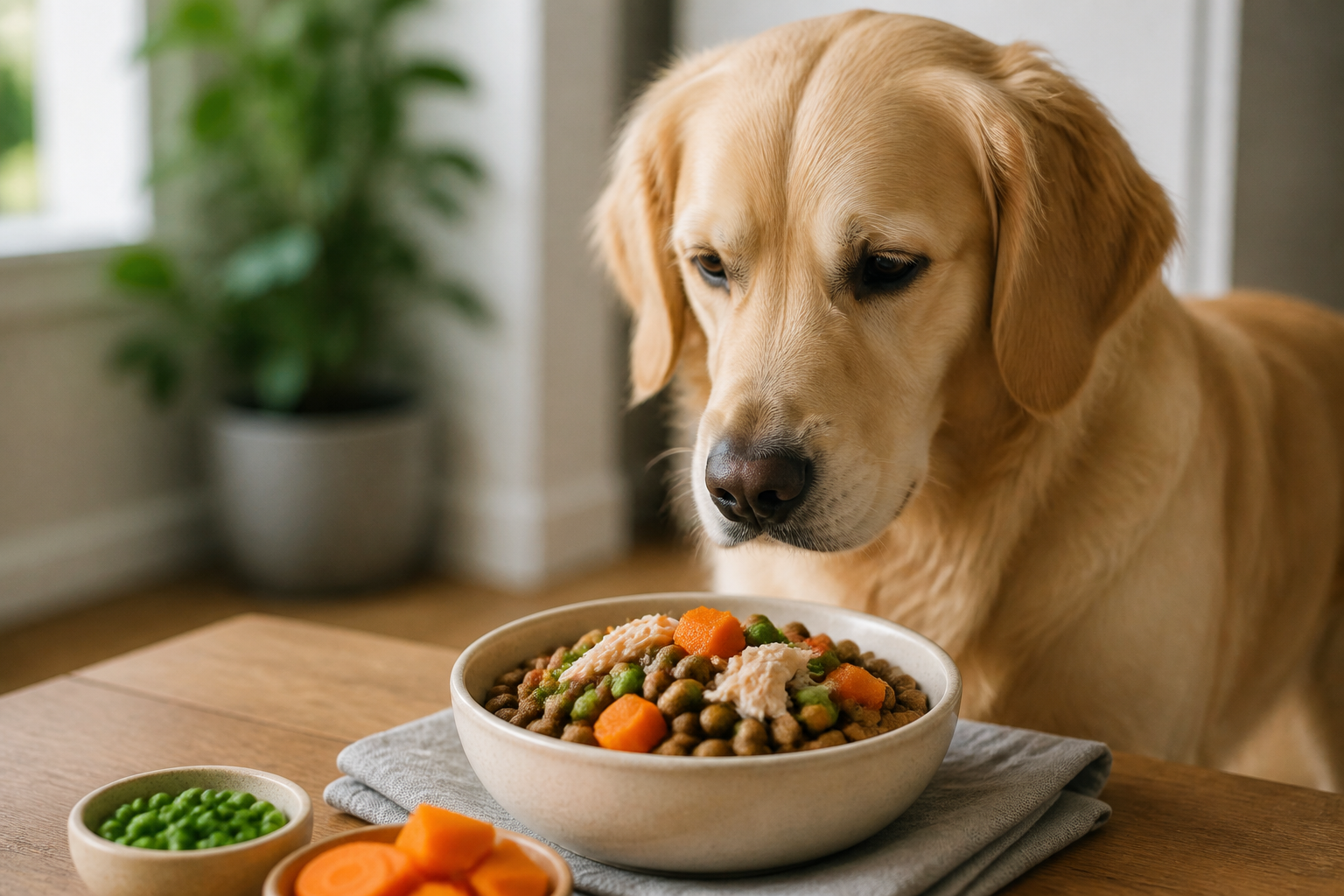
You pour the kibble and hear the familiar sound of it hitting the ceramic bowl. Instead of the usual excited wagging, your dog takes one sniff and walks away. This moment of rejection can be frustrating and worrying for any pet owner. At BaxterBoo, we know that even the most enthusiastic eaters can sometimes lose interest in their dry food. It might be a sudden change or a long term habit of pickiness.
There are many reasons to stick with dry food, including convenience, cost, and dental benefits. This post covers practical ways to enhance flavor, improve texture, and ensure your dog gets the nutrition they need. We will explore how to turn a boring meal into a gourmet experience. You can revitalize mealtime with simple additions and proper storage techniques.
Start With Freshness and Proper Storage
One of the most common reasons a dog rejects dry food is that it has gone stale. Dry food contains fats and oils that can become rancid when exposed to air, light, and heat. Once a bag is opened, the clock starts ticking on its freshness. Most kibble begins to lose its peak aroma and flavor within two to three weeks.
Storing food properly is the first step in making it more appealing. Do not just roll down the top of the bag and use a clip. This allows oxygen to reach the food constantly. Instead, use an airtight container made of glass or high quality plastic. Many owners find that keeping the food in its original bag inside the container provides an extra layer of protection. For more storage guidance, read about how long dry dog food stays fresh once opened.
Key Takeaway: Stale food is the number one cause of pickiness. Use airtight storage to keep fats from turning rancid and to preserve the natural smell of the meat.
If you have a large container, avoid pouring new food on top of the old leftovers. The crumbs and oils at the bottom can spoil and contaminate the fresh batch. Wash the container thoroughly with soap and warm water between every bag of food. This prevents bacteria and old oils from building up over time.
The Power of Moisture and Temperature
Dogs rely heavily on their sense of smell to decide if something is edible. Dry kibble does not release much aroma when it is cold and hard. Adding moisture is one of the easiest ways to unlock those hidden scents.
Warm water is a simple and cost effective solution. Mix about one quarter cup of warm water for every cup of dry food. Let it sit for a few minutes until the kibble softens and creates a light gravy. The heat helps the fat molecules in the food release their scent. This makes the meal much more enticing to a dog with a keen nose.
Low sodium broth is another excellent option. You can use chicken, beef, or vegetable broth, but you must be careful about the ingredients. Many human broths contain onions and garlic, which are toxic to dogs. Always check the label or make your own at home without salt or seasonings.
Vet Tip: If your dog is older or has dental issues, moistening food is essential. Hard kibble can be painful to chew if there is gum inflammation or a loose tooth. Consult your vet if you notice your dog dropping food or chewing on only one side of their mouth.
Incorporate High Quality Toppers
Sometimes a dog just needs a little variety to get excited about their bowl again. Meal toppers have become very popular because they add biological variety without requiring a full diet change. You do not need to use a large amount to see a result.
Freeze dried raw toppers are a favorite at our warehouse. Brands like Stella and Chewy's offer meal mixers that you can crumble over the top of the kibble. These are packed with concentrated meat flavor that most dogs find irresistible. Because they are freeze dried, they are easy to store and do not require refrigeration. You can compare our selection of Stella & Chewy's products for meal mixers and other options.
Canned wet food is the classic topper. Mixing a spoonful of wet food into the dry kibble adds a different texture and a burst of moisture. Be sure to mix it in well. If you just leave a clump on top, your dog might lick off the wet food and leave the dry bits behind.
Quick Answer: The best way to make dry food appealing is to add a moisture-rich topper like warm water, low-sodium broth, or a spoonful of wet food. These additions release aromas that trigger a dog's appetite.
Use Healthy Kitchen Staples
You do not always need to buy specialized products to make a meal better. Many items in your own refrigerator are safe and delicious for dogs. Adding these can provide an antioxidant boost and new textures.
- Plain Yogurt: A dollop of unsweetened, plain Greek yogurt adds creaminess and probiotics. Ensure it does not contain xylitol, which is a sweetener that is deadly to dogs.
- Eggs: A scrambled or hard boiled egg is a great source of protein. It adds a soft texture that contrasts with the crunch of the kibble.
- Fresh Vegetables: Finely chopped carrots, green beans, or steamed broccoli add fiber and crunch.
- Blueberries: These are high in antioxidants and provide a sweet pop of flavor.
When adding human food, follow the 10 percent rule. Treats and additions should never make up more than 10 percent of your dog's daily caloric intake. This ensures their primary nutrition still comes from their balanced dog food.
Enhance the Meal With Oils
Adding healthy oils is a great way to improve palatability and support skin and coat health. Many dogs love the taste of fish oil. We carry several options like Zesty Paws or PureVita salmon oil. These oils provide essential Omega-3 fatty acids that help with inflammation and joint health. You can explore the Zesty Paws Wild Alaskan Omega-3 Blend Pollock & Salmon Oil Supplement as one option.
Salmon oil has a very strong scent that usually attracts dogs immediately. You only need a few pumps to coat the kibble. Another option is coconut oil, which some dogs find very tasty. If you use coconut oil, start with a very small amount to avoid upsetting their stomach.
Note: Introducing too much oil at once can lead to loose stools. Always start with a half dose and monitor your dog's digestion for a few days.
Strategic Use of Supplements
If your dog is a senior or has specific health needs, you can use their supplements as a flavor enhancer. Some supplements come in powders or flavored chews that can be crumbled over food. For example, joint support products like Nurtamax Cosequin DS Sprinkle Capsules often come in tasty flavors that dogs enjoy.
For dogs with digestive sensitivities, adding digestive enzymes or probiotics can help. These products often come in a powder form that coats the kibble. They help the dog get more nutrition out of their food while making it taste better.
If your dog is on a prescription diet, they might find the specialized kibble less exciting than their old food. Our pharmacy carries FDA-approved prescription pet foods through our partnership with Pet's Choice. These diets are designed for specific conditions like kidney disease or food allergies. If your dog struggles with a prescription diet, ask your vet about safe toppers that will not interfere with their treatment.
Change the Texture and Temperature
If your dog seems bored with the "crunch," you can change the physical state of the food. We already mentioned adding water to make a mash. You can also try briefly warming the food in the microwave. For another approach to softening kibble, read about effective ways to make dry dog food soft.
If you microwave the food, do it for only five to ten seconds. You do not want to cook the food or create hot spots that could burn your dog's mouth. The goal is simply to warm the fats so they smell better. Always stir the food and test the temperature with your finger before serving.
Step 1: Measure the dry food. / Place the usual amount into a microwave safe bowl.
Step 2: Add a splash of water. / This prevents the kibble from drying out or burning.
Step 3: Microwave on low power. / Use short five second bursts until the food is just barely warm.
Step 4: Stir and serve. / Mix the food thoroughly to distribute the heat evenly.
Behavioral Tips for Picky Eaters
Sometimes the problem is not the food, but the feeding routine. Free feeding is a common habit where owners leave a bowl of dry food out all day. This can actually lead to pickiness. If the food is always available, it becomes less valuable to the dog. The smell also dissipates as the food sits in the open air for hours.
Try switching to scheduled mealtimes. Put the bowl down for 15 to 20 minutes. If the dog does not eat, pick the bowl up and wait until the next scheduled feeding time. Most healthy dogs will not starve themselves. They will quickly learn that they need to eat when the food is presented.
Stop giving too many treats throughout the day. If a dog knows they can get a piece of cheese or a high value biscuit later, they may hold out and skip their kibble. Limit treats to training sessions only until the mealtime behavior improves.
Bottom line: Scheduled feedings increase the perceived value of the food and ensure your dog is actually hungry when the bowl hits the floor.
When to See a Veterinarian
If a dog that usually loves food suddenly stops eating, it is not always a matter of pickiness. A sudden loss of appetite can be a sign of an underlying medical issue. It is important to rule out health problems before assuming your dog is just being stubborn.
Dental pain is a very frequent cause of kibble rejection. If a dog has a cracked tooth or infected gums, biting down on hard dry food can be excruciating. They might want to eat but find the physical act of chewing too painful. You might see them walk to the bowl, look at it longingly, and then walk away.
Other issues like nausea, kidney disease, or digestive blockages can also cause a dog to stop eating. If your dog also has symptoms like vomiting, lethargy, or diarrhea, you should seek veterinary care immediately.
Vet Tip: A dog that refuses food for more than 24 hours should be evaluated by a professional. For senior dogs or puppies, this timeline is even shorter. Always consult your vet before making major changes to a dog's diet if they have a history of illness.
If your vet determines that your dog needs ongoing health management, we can help. Our pharmacy offers a wide range of medications for chronic conditions, including allergy relief and digestive support. Through our partnership with Pet's Choice, we provide a reliable way to get the treatments your dog needs to feel their best.
Choosing the Right Kibble
Sometimes the simplest answer is that your dog does not like that specific recipe. Not all kibble is created equal. Some brands use higher concentrations of meat and natural fats, while others rely heavily on grain fillers. When comparing recipes, browse our dog food category for different formats and protein options.
At BaxterBoo, we handpick brands that focus on quality ingredients. If your dog is consistently uninterested in their current food, consider trying a different protein source. If they have always had chicken, try a fish or lamb based recipe. Brands like Farmina, Acana, and Orijen offer high protein options that are naturally more savory.
When switching brands, always do it gradually over seven to ten days.
- Days 1-3: 25% new food, 75% old food.
- Days 4-6: 50% new food, 50% old food.
- Days 7-9: 75% new food, 25% old food.
- Day 10: 100% new food.
This slow transition prevents stomach upset and gives your dog time to adjust to the new flavor profile.
Summary of Feeding Strategies
Making dry food more appealing is often about a combination of freshness, moisture, and variety. You do not have to spend a lot of money to make a difference. Start by ensuring the food is stored in an airtight container in a cool place. Add warm water or a safe broth to help release enticing aromas.
Consider adding a small amount of healthy human food or a high quality topper to change the texture. If your dog's pickiness persists, look at their feeding schedule and treat intake. Most importantly, keep an eye on their overall health and consult a veterinarian if you suspect a medical reason for their lack of appetite.
- Check for food freshness and rancid smells.
- Add moisture using warm water or low-sodium broth.
- Mix in toppers like freeze-dried meat or plain yogurt.
- Stick to a consistent feeding schedule.
- Consult a vet if the loss of appetite is sudden.
Our goal at BaxterBoo is to help you find the best solutions for your pet's unique needs. Whether you need a new brand of premium kibble or a supplement to support their digestion, we have the expertise to guide you. Our MVP Rewards program also helps you save on every purchase, so you can afford the high quality nutrition your dog deserves.
Key Takeaway: A combination of proper storage and sensory enhancement can solve most cases of kibble pickiness. Always prioritize quality ingredients and medical safety.
FAQ
Can I add human food to my dog's dry food every day?
Yes, you can add dog safe human foods like plain yogurt, boiled eggs, or certain vegetables as long as they do not exceed 10% of the total diet. Adding these items can provide variety and extra nutrients, but always ensure they are free of salt, onions, garlic, and xylitol.
Is it safe to microwave my dog's kibble?
You can microwave dry food for a few seconds to warm up the fats and release aromas, but you must be very careful. Use a microwave safe bowl, add a little water to prevent burning, and only heat it for five to ten seconds. Always stir the food and check for hot spots with your finger before giving it to your dog.
Why does my dog eat treats but refuse their dry food?
This is often a behavioral issue where the dog is holding out for higher value rewards. If they know that skipping a meal leads to you offering cheese or biscuits, they will continue to wait. To fix this, limit treats and stick to a strict feeding schedule to increase their hunger and interest in their regular food.
How long can I leave dry food out once I have added water or broth?
Once you moisten dry food, it should be treated like wet food and not left out for more than 30 to 60 minutes. Moisture allows bacteria to grow quickly, especially in warm environments. If your dog does not eat the moistened food within an hour, you should discard it and wash the bowl.






