
 Save 15% on your 1st Autoship learn more

 Email us
 Live Chat
 FAQs
FAQs





Introduction
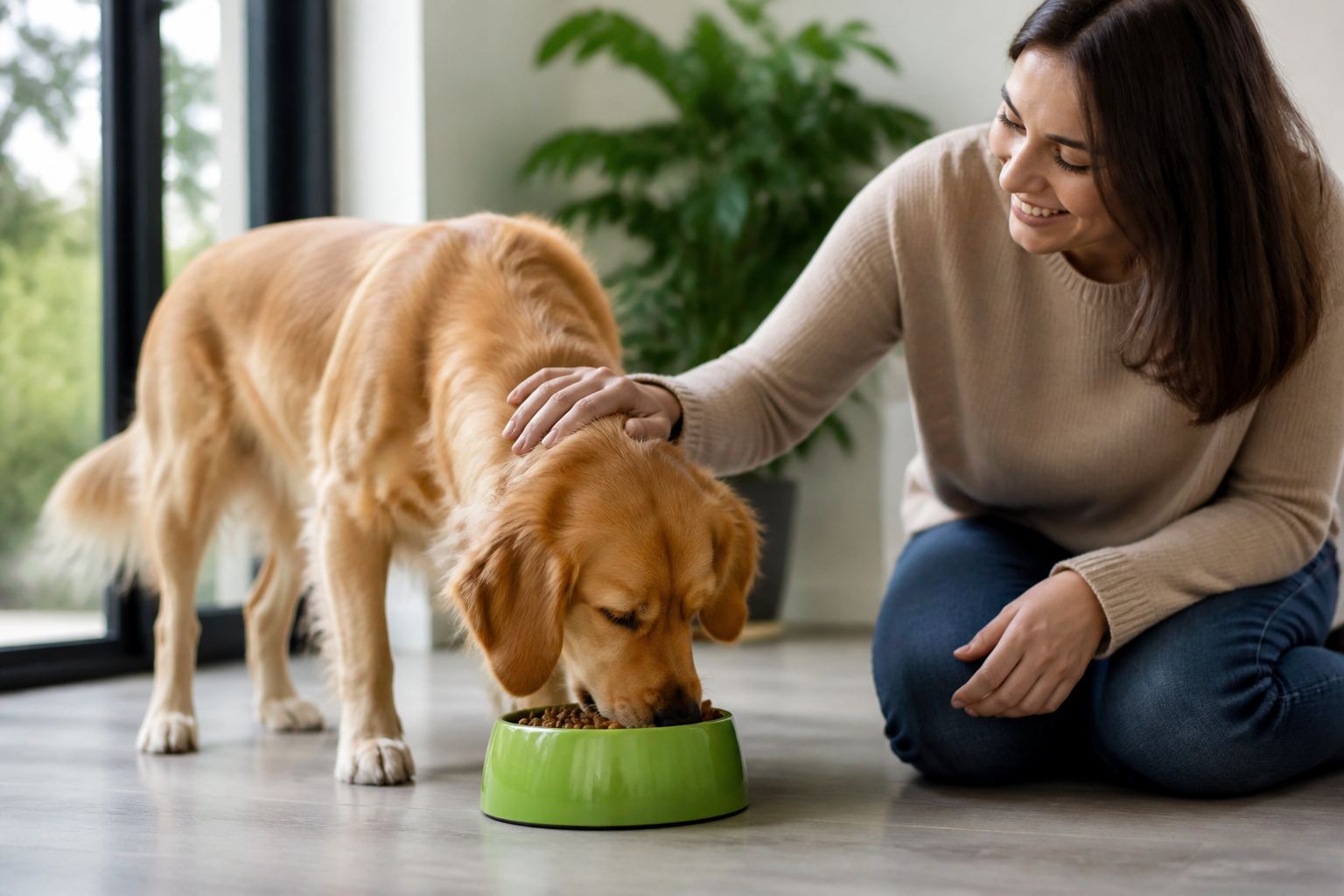
It is a familiar scene for many dog owners. You scoop out the premium kibble, set the bowl down, and wait for the happy crunching. Instead, your dog takes one sniff, looks up at you with soulful eyes, and walks away. This mealtime standoff can be frustrating and even a little scary. You want to make sure your pup is getting the nutrition they need to stay healthy. At BaxterBoo, we have spent years helping pet parents navigate the world of picky eaters. This guide will walk you through the common reasons for kibble refusal and provide practical strategies to get your dog excited about their dry food again. We will cover everything from simple kitchen hacks to high quality food upgrades and when it is time to call the vet.
Quick Answer: To make a dog eat dry food, try adding warm water or low-sodium broth to enhance the aroma. You can also mix in a high-quality topper, establish a strict 30-minute feeding window, and eliminate all table scraps to reset their appetite.
Why Your Dog Might Be Refusing Kibble
Before you can fix the problem, you need to understand why it is happening. Picky eating is rarely a random choice. Usually, there is a specific reason your dog is turning their nose up at the bowl. It might be a behavioral habit you accidentally encouraged. It could also be a subtle sign that they do not feel their best.
The Boredom Factor
Some dogs are simply less motivated by food than others. Breeds like Yorkshire Terriers or Chihuahuas are famous for being choosy. Other breeds, like Labradors, might eat anything in sight. If your dog has been eating the exact same recipe for years, they might just be bored. Imagine eating the same dry cereal for every meal. Eventually, you would want a change too.
The "Something Better" Syndrome
This is the most common cause of picky eating in healthy dogs. If your dog knows that refusing kibble leads to a piece of chicken or a spoonful of wet food, they will wait for it. Dogs are smart. They can be very patient when they know a high-value reward is coming. This is often reinforced by giving too many treats or table scraps throughout the day. If their belly is half-full of jerky treats, they have no reason to work for plain kibble.
Environmental Stress
Changes in the home can ruin a dog's appetite. A new baby, a recent move, or even a change in your work schedule can cause anxiety. When dogs are stressed, their digestive system often slows down. This makes them less interested in eating. Even moving their food bowl to a new spot in the kitchen can be enough to make some sensitive dogs hesitate.
Key Takeaway: Picky eating is often a learned behavior where the dog holds out for higher-value treats or human food. Identifying the "why" is the first step toward a successful mealtime reset.
Rule Out Health and Dental Issues
If your dog used to love their dry food and suddenly stopped eating it, the cause might be physical. Dry kibble is hard. It requires significant crunching power. If your dog has a sore tooth or inflamed gums, biting down on a hard nugget can be painful.
Checking for Dental Pain
Watch your dog closely when they try to eat. Do they drop the food after one bite? Do they chew only on one side of their mouth? These are classic signs of dental distress. You should also look for red gums or bad breath. If your dog is a senior, they may have developed age-related dental wear that makes hard food uncomfortable.
Digestive Upset and Sensitivities
Sometimes a dog stops eating because the food makes them feel poorly. They may have developed a sensitivity to a specific protein or grain. If every meal is followed by gas, bloating, or a gurgling stomach, they will eventually associate the bowl with discomfort. This is their way of protecting themselves.
Vet Tip: If your dog refuses food for more than 24 to 48 hours, or if they show signs of lethargy and weight loss, schedule a veterinary exam. A professional can check for underlying issues like dental disease, gastrointestinal upset, or systemic illness that might be suppressing their appetite.
Simple Kitchen Hacks to Increase Appeal
You do not always need to buy a brand-new bag of food to solve the problem. Sometimes, a few simple adjustments in your kitchen can make the current kibble much more enticing. These tricks focus on the two things dogs love most: smell and texture.
The Power of Warmth and Hydration
A dog's sense of smell is significantly more powerful than their sense of taste. Dry kibble straight from the bag does not have a very strong scent. Adding a splash of warm water can change everything. The heat releases the fats and aromas in the food, making it smell much more like a fresh meal.
- Measure out the normal portion of dry food.
- Add a quarter cup of warm (not boiling) water.
- Let it sit for two to three minutes until the kibble softens slightly.
- Stir it to create a light "gravy" and serve immediately.
Using Dog-Safe Broths
If water does not do the trick, try a low-sodium bone broth. Ensure the broth does not contain onions or garlic, as these are toxic to dogs. Many brands carried at BaxterBoo offer broths specifically formulated for pets. You can browse our dog food toppers and broths for options that add moisture and flavor without adding too many calories.
The 30-Minute Rule
Routine is a powerful tool for training a dog's appetite. If you leave food out all day, it is called free-feeding. This often leads to pickiness because the dog knows the food is always there. It also allows the food to go stale, which makes it even less appealing.
Instead, put the bowl down for exactly 30 minutes. If your dog does not eat, pick the bowl up and put it away. Do not offer treats or scraps until the next scheduled mealtime. This teaches your dog that food is a limited resource. Hunger is a great motivator. Most healthy dogs will learn quickly that they need to eat when the food is available.
Bottom line: Enhancing the aroma with warm liquids and establishing a strict feeding schedule are the most effective ways to reset a healthy dog's eating habits.
Choosing the Right Toppers and Mix-Ins
If your dog needs a little more encouragement, toppers are a fantastic middle ground. They allow you to keep the nutritional benefits and convenience of dry food while adding the flavor of a fresh meal.
Healthy Whole Food Additions
You probably have some great toppers in your fridge right now. A spoonful of plain, unsweetened Greek yogurt can provide probiotics and a creamy texture. A fully cooked egg is another excellent protein boost that most dogs find irresistible. You can also try steamed vegetables like carrots or green beans. These add crunch and fiber without the heavy calories found in commercial treats.
Commercial Food Toppers
We carry several brands that specialize in high-quality toppers designed for picky eaters. Stella and Chewy’s Meal Mixers are freeze-dried nuggets that you can crumble over kibble. The Honest Kitchen offers "Pour Overs" which are essentially healthy stews made from human-grade ingredients. These are specifically designed to make dry food more palatable. You can also explore our freeze-dried food collection for additional meal options.
The Danger of Over-Topping
Be careful not to overdo it. If you add too many "extras," your dog might just pick out the good stuff and leave the kibble behind. Always stir the topper in thoroughly so it coats the dry pieces. This makes it impossible for them to separate the two. Also, remember that toppers should only make up about 10% of their total daily calories.
- Freeze-dried raw bites: Great for adding intense meat flavor.
- Wet food pouches: Easy to mix in as a light coating.
- Salmon oil: Excellent for skin health and adds a strong scent.
- Dehydrated bone broth: A shelf-stable way to add moisture.
Upgrading Your Dog's Dry Food
Sometimes the issue is the food itself. Not all kibble is created equal. If your current brand relies heavily on fillers like corn or soy, it might not taste very good. High-quality foods use real meat as the first ingredient and include natural fats that dogs naturally crave. Compare available options in our dog food category.
Look for Quality Ingredients
When you browse the aisles at our Vernon Hills warehouse or look through our online store, check the labels. Brands like Farmina, Orijen, and Acana use high inclusions of fresh animal ingredients. These foods naturally smell better to dogs because they are packed with animal fats and proteins rather than plant-based substitutes.
Consider the Kibble Size
The physical size of the kibble matters more than you might think. A small Chihuahua might struggle with large, hard nuggets intended for a Golden Retriever. Conversely, a large dog might find tiny kibble frustrating to eat. Many brands offer specific formulas for small, medium, and large breeds. Switching to a size that fits your dog's mouth can make mealtime much more comfortable.
Rotational Feeding
If boredom is the primary issue, consider rotational feeding. This involves switching flavors within the same brand. For example, if you use NutriSource, you might rotate between the chicken, beef, and trout recipes. Since the base formula is similar, it is usually easy on the stomach while providing enough variety to keep a picky dog interested.
Key Takeaway: Higher-quality foods with meat as the primary ingredient are naturally more palatable. Matching the kibble size to your dog's breed and rotating flavors can prevent mealtime boredom.
Managing Senior Dogs and Special Needs
As dogs age, their needs change. A senior dog might lose some of their sense of smell or taste. They might also develop sensitivities that they did not have as puppies. Making dry food easier to eat is often a necessity for older pets.
Softening the Kibble
For dogs with sensitive teeth or missing teeth, dry kibble can be like trying to eat rocks. You can transform the texture by soaking the food in warm water for 15 to 20 minutes before serving. This turns the kibble into a soft, mash-like consistency that is much easier to swallow.
Prescription Diets and the Pharmacy
If your veterinarian determines that your dog has a specific health condition, like kidney disease or severe food allergies, they may require a prescription diet. These formulas are specifically balanced to manage medical issues. Our pet pharmacy offers prescription pet foods through our partnership with Pet's Choice. Brands like Royal Canin and Farmina Vet Life provide specialized nutrition for dogs with chronic conditions.
If your vet has written a prescription for a specific therapeutic diet, we can help you get it delivered right to your door. This ensures your dog gets the medical-grade nutrition they need without the hassle of extra trips to the clinic.
Vet Tip: For senior dogs with a declining appetite, a veterinary checkup is essential. They may need a specific prescription diet or even a mild appetite stimulant if the cause is related to an underlying health condition.
Behavioral Training for Mealtime
Sometimes, the "how" is just as important as the "what." The way you present the food can change your dog's attitude toward it. If mealtime is a source of stress or a boring chore, they might not be excited to participate.
Using Puzzle Feeders and Toys
Dogs are natural foragers. In the wild, they would work for their food. Sitting in front of a bowl can be uninspiring for a high-energy dog. Try putting their dry food inside a Kong or a puzzle feeder. This turns mealtime into a game. The mental stimulation of "earning" the food can actually increase their desire to eat it.
Eliminate the Competition
If you have multiple pets, the environment might be too chaotic. A submissive dog might be too nervous to eat if a more dominant dog is staring them down. Try feeding your picky eater in a separate room or inside their crate. A quiet, safe space allows them to focus on their food without feeling like they need to watch their back.
The Role of Exercise
A tired dog is usually a hungry dog. If your dog spends all day on the couch, they might not have burned enough energy to trigger a strong hunger response. Try taking your dog for a vigorous walk or a play session right before dinner. The physical activity stimulates their metabolism and makes that bowl of dry food look much more appealing.
Step 1: Increase physical activity. / Go for a 20-minute walk or play fetch before dinner.
Step 2: Prepare the bowl. / Add warm water or a small amount of topper to the kibble.
Step 3: Set the timer. / Put the bowl down for 30 minutes in a quiet area.
Step 4: Remove the food. / If they haven't eaten, take the bowl up and wait for the next meal.
When to Switch to Wet Food Completely
There are times when sticking to a strictly dry diet is not the best path. While kibble is great for dental health and convenience, some dogs truly do better on wet or fresh food.
The Benefits of Wet Food
Wet food is much higher in moisture. This is excellent for dogs who do not drink enough water or those prone to urinary issues. It also has a much stronger aroma and a texture that most dogs find far more appealing than dry biscuits. You can use wet food as a complete meal or as a significant portion of their diet mixed with kibble. For more ideas, read our guide to choosing between wet and dry food for dogs.
Fresh and Raw Options
Fresh food diets have become very popular for a reason. These diets use human-grade ingredients and minimal processing. Because the ingredients are fresh, the flavor is naturally superior to high-heat processed kibble. We carry brands like The Honest Kitchen and Stella and Chewy's that offer dehydrated or freeze-dried options. These provide the benefits of a fresh diet with the convenience of dry food.
Balancing Cost and Convenience
We understand that feeding a strictly wet or fresh diet can be more expensive. Many owners find success with a "half and half" approach. Feeding dry food in the morning and a high-quality wet or fresh meal in the evening can be a great way to provide variety and excitement without breaking the budget.
Bottom line: If behavioral changes and toppers do not work, transitioning to a high-quality wet or fresh food diet may be the best way to ensure your dog stays properly nourished.
Conclusion
Getting a picky dog to eat dry food requires a mix of patience, routine, and a few clever tricks. Start by ruling out any medical or dental pain with your vet. Then, focus on making the food more appealing through warmth, hydration, and high-quality toppers. Remember that you are in charge of the menu. By setting a schedule and limiting treats, you can help your dog rediscover their appetite.
- Check for dental pain or signs of illness.
- Add warm water or broth to release hidden aromas.
- Limit treats and table scraps to ensure they are hungry at mealtime.
- Use the 30-minute rule to establish a solid routine.
- Upgrade to a higher-quality kibble with real meat as the first ingredient.
At BaxterBoo, we are committed to helping you find the perfect solution for your pet. Whether you need a flavor-packed topper, a new premium kibble, or a prescription diet from our pharmacy, we have the expertise to guide you. For the best value, consider signing up for our Autoship programme. You will save on your first order and ensure your pup never runs out of their favorite food.
FAQ
How long can a healthy dog go without eating?
A healthy dog can typically go for a few days without food as long as they are drinking water, but you should not let it go that far. If your dog refuses to eat for more than 48 hours, it is time to consult your veterinarian to rule out underlying health issues. Always monitor their energy levels and behavior during this time.
Can I mix wet food and dry food every day?
Yes, mixing wet and dry food is a great way to make mealtime more exciting and add hydration to your dog's diet. Just be sure to calculate the total calories to avoid overfeeding. Stirring the wet food in thoroughly ensures your dog cannot simply pick out the "good stuff" and leave the kibble behind.
Why did my dog suddenly stop eating the kibble they used to love?
Sudden refusal of a familiar food can be caused by the food going stale, a change in the recipe by the manufacturer, or a new health issue like a toothache. It could also be due to stress or a change in the household environment. If the food smells rancid or the bag has been open for more than a month, try a fresh bag to see if that solves the problem. For additional storage guidance, read how long dry dog food stays fresh once opened.
Does adding water to dry food cause dental problems?
While crunchy kibble can help scrape some plaque off teeth, it is not a substitute for regular brushing and dental care. Softening the food with water makes it much more palatable and easier to digest. As long as you maintain a good dental hygiene routine with brushes and dental treats, softening the food is a safe and effective strategy for picky eaters.






