
 Save 15% on your 1st Autoship learn more

 Email us
 Live Chat
 FAQs





Introduction
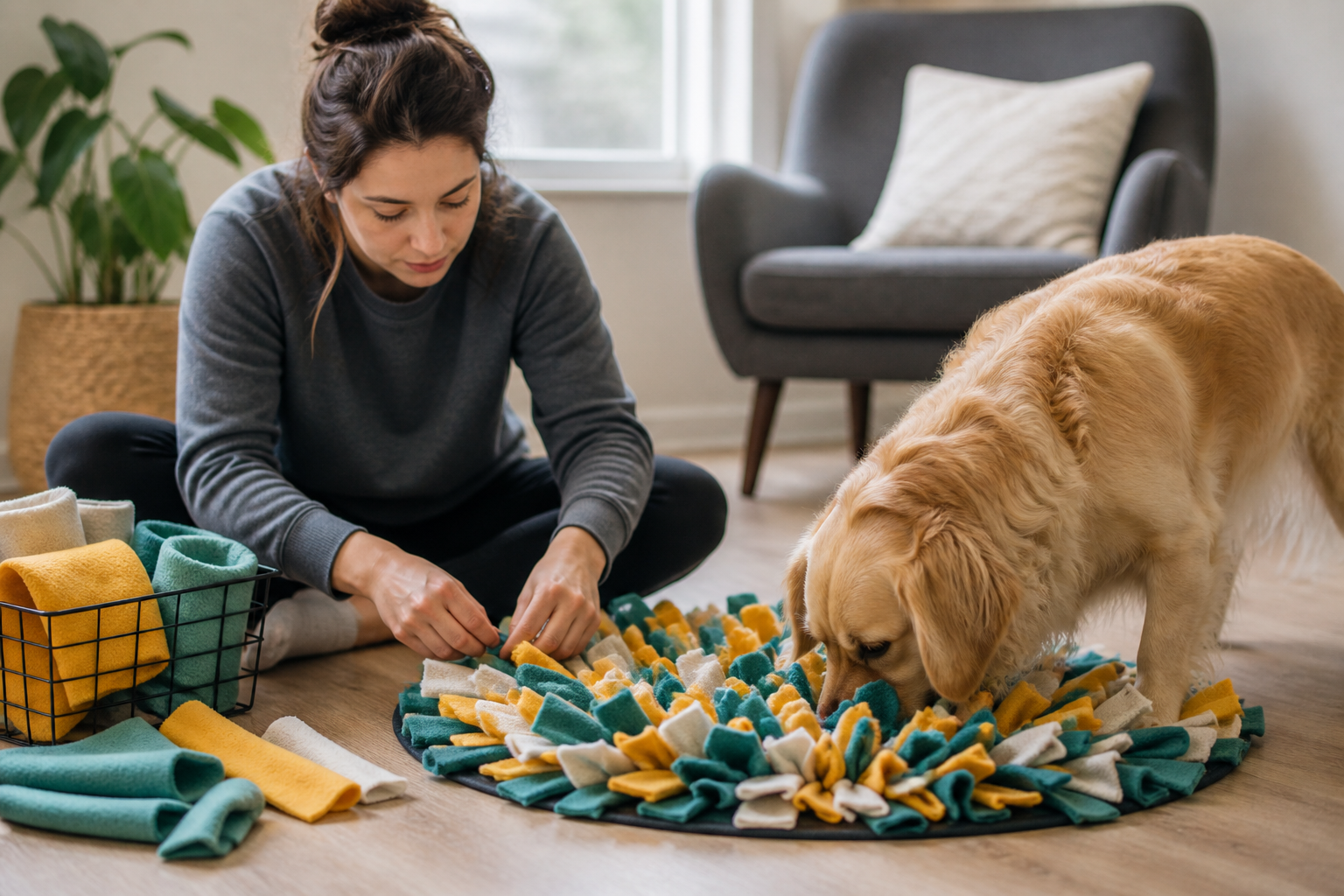
Your dog just finished their dinner in thirty seconds flat and is now pacing the living room looking for trouble. It is a common scene for many pet owners. High energy dogs and fast eaters often need more than just a walk to settle down for the evening. At BaxterBoo, we believe that mental exercise is just as important as physical activity for a happy pet. A snuffle mat is a simple tool that mimics the natural foraging behaviors of wild canines. It encourages your dog to use their nose to find hidden dry food or treats tucked inside fabric strips. This article covers the benefits of scent work, the materials you need, and a clear guide on how to build your own mat at home. Learning how to make your own snuffle mat is an affordable way to keep your dog engaged and calm.
Why Your Dog Needs a Snuffle Mat
Dogs experience much of the world through their sense of smell. While humans rely on sight, a dog's olfactory system is incredibly advanced. When a dog sniffs, it provides significant mental stimulation that can actually tire them out faster than a long run. This type of activity is often called nose work or scent work. It lowers their heart rate and reduces stress levels by giving them a job to do.
A snuffle mat is particularly helpful for dogs that suffer from mealtime boredom. Instead of gulping down a bowl of kibble, they have to work for every bite. This slows down their eating pace significantly. Slower eating can help prevent digestive upset and the dangerous condition known as bloat. It also helps with weight management. When a dog eats slowly, their brain has more time to register that they are full.
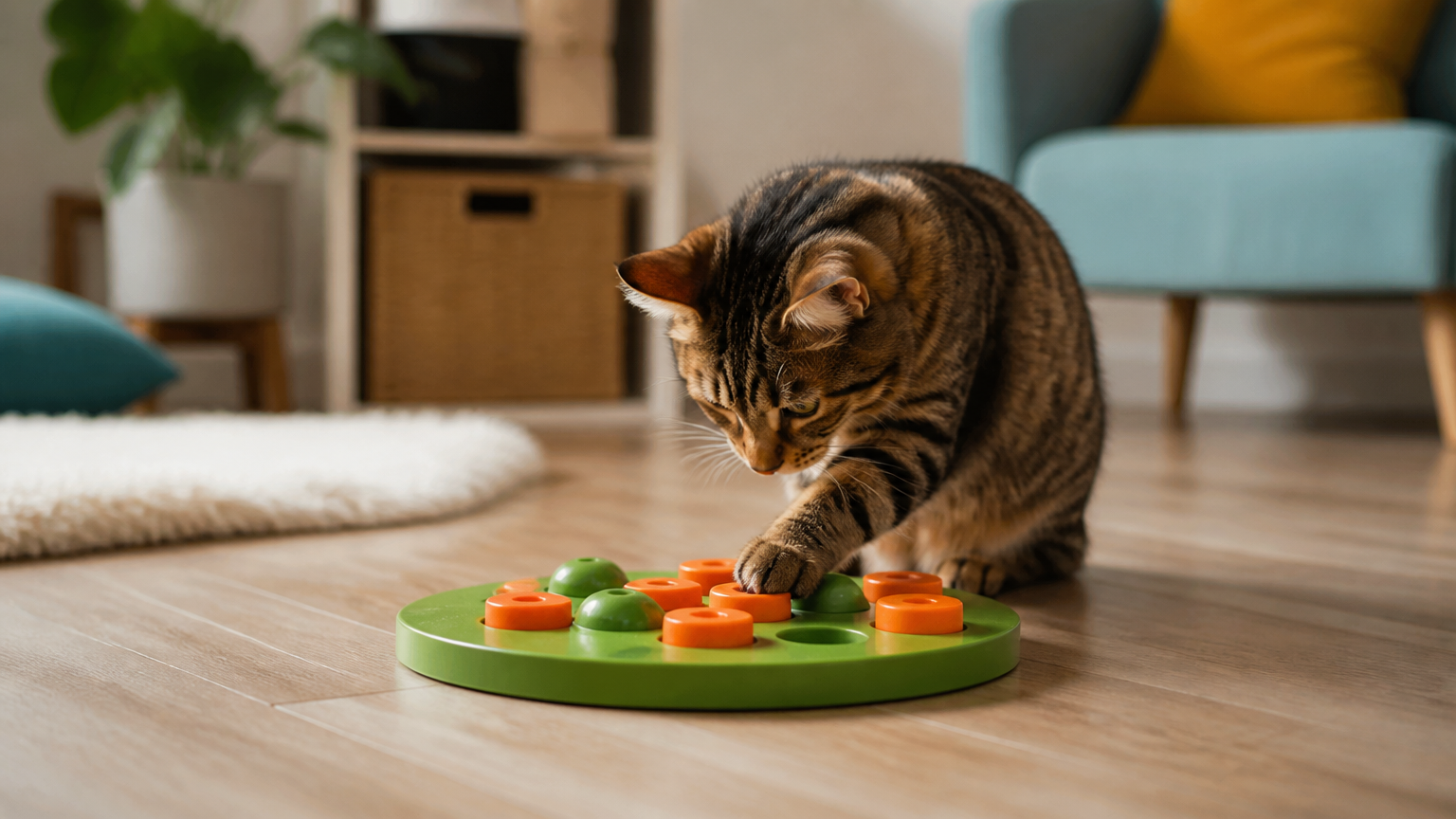
This tool is not just for high energy puppies. Senior dogs with limited mobility benefit greatly from the low impact mental exercise. It keeps their minds sharp even when their joints cannot handle long hikes. Even cats can get in on the fun. Many feline friends enjoy hunting for their dry food or catnip treats inside the soft fleece layers.
Key Takeaway: Sniffing for ten minutes can be as mentally exhausting for a dog as a one hour walk, making snuffle mats an efficient tool for relaxation.
For more ways to engage your dog's natural instincts, explore these dog brain games and enrichment ideas.
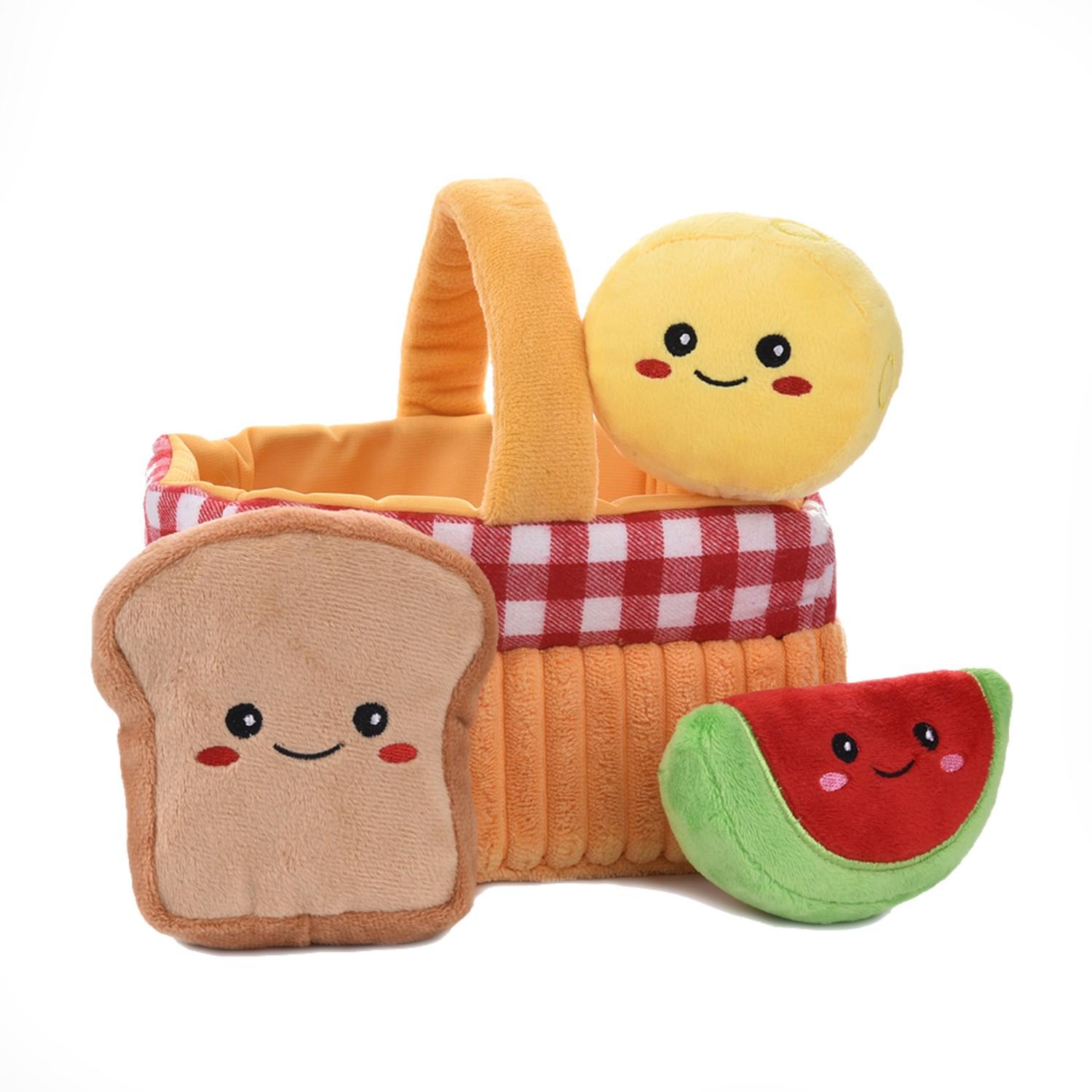
Interactive and Treat Dog Toys








Gathering Your Supplies
You do not need to be a master crafter to build a high quality snuffle mat. Most of the materials are available at local hardware stores or craft shops. You might even have some of these items lying around your house. Using recycled materials is a great way to be eco-friendly while providing for your pet.
The Base Mat
The most important part of the project is the base. You need something sturdy with holes that can hold the fabric strips in place. A rubber sink mat is the most popular choice because it is flexible and easy to clean. You can also use a heavy duty anti-fatigue kitchen mat or a rubber doormat with a grid pattern. Make sure the holes are large enough to thread fabric through but small enough that the strips stay secure once knotted.
Fleece Fabric
Fleece is the ideal material for this project for several reasons. It does not fray when you cut it, which means you do not have to worry about loose threads. It is also soft on your dog's nose and face. Most importantly, fleece is machine washable. You will need about one to one and a half yards of fabric depending on the size of your mat. You can use one solid color or mix several colors to create a bright pattern.
Cutting Tools
A good pair of fabric scissors is essential. If you want to make the process faster, a rotary cutter and a self healing cutting mat work wonders. A ruler or measuring tape will help you keep the strips consistent in size. While precision is not strictly necessary for the dog's enjoyment, it does help the finished mat look more professional.
Note: If you are looking for a more durable base, a heavy rubber doormat is harder for a large dog to flip over during playtime.
For ready-made enrichment alternatives, browse our dog toys collection.
Preparing the Fabric Strips
Before you start tying, you need to prepare the fleece. Consistency in size makes the tying process much smoother. If the strips are too short, they will be difficult to knot. If they are too long, the mat will become floppy and the food will fall straight to the bottom without getting caught in the layers.
Step 1: Measure your fabric. / Lay the fleece flat on a large table. Use your ruler to mark out sections that are roughly seven inches long.
Step 2: Cut the fleece into long 7-inch wide panels. / This makes it easier to manage the fabric as you move to the next step.
Step 3: Cut the panels into 1-inch wide strips. / Each individual strip should be approximately one inch wide and seven inches long.
Step 4: Stack your strips. / Organize them by color if you are making a specific pattern. You will likely need between 200 and 300 strips to fill a standard sized sink mat completely.
Quick Answer: The ideal size for snuffle mat strips is 1 inch wide by 7 inches long. This length provides enough fabric to tie a secure knot while leaving plenty of "fluff" on top to hide treats.
How to Assemble the Mat
Once your strips are cut, it is time to start the assembly. This is a repetitive process that is perfect for doing while you watch a movie or listen to a podcast. The goal is to fill every hole and every bridge between holes to create a dense forest of fleece.
The Vertical Row
Start at one corner of your mat. Take a strip of fleece and poke one end through the first hole and the other end through the second hole. Pull the ends up so they are even on the top side of the mat. Tie them once in a simple overhand knot. You do not need to double knot fleece. It has a natural grip that keeps the knot tight. Continue this down the entire row until every pair of holes in that line has a strip.
The Horizontal Row
After you finish the vertical lines, turn the mat ninety degrees. You will now tie strips across the holes you just used. This creates a cross pattern. By tying in both directions, you fill in the gaps and prevent the rubber base from showing through. This density is what makes the mat effective at hiding small bits of kibble.
Filling the Gaps
Once you think you are finished, flip the mat over. Look for any areas where the rubber is still clearly visible. You can add diagonal strips or extra pieces in crowded areas to ensure the mat is thick and lush. A dense mat challenges the dog more and keeps them engaged for a longer period of time.
Vet Tip: If your dog is prone to swallowing non-food items, supervise them closely during the first few uses to ensure they do not try to chew or eat the fleece strips.
For additional DIY ideas, see these indoor enrichment activities for dogs and cats.
Training Your Dog to Use the Mat
Most dogs understand the concept of a snuffle mat immediately, but some may need a little guidance. You want to set them up for success so they do not get frustrated and try to flip the mat over or dig through it with their paws.
Start by placing the mat on the floor in a quiet area. Let your dog watch you place a few high value treats right on top of the fleece. Use a command like "find it" or "search" to signal that the game has begun. Once they have eaten those easy treats, sprinkle a few more and push them slightly down into the fabric.
As your dog becomes more confident, you can hide the treats deeper. Eventually, you can use the mat for their entire meal. Simply scatter their measured portion of dry food over the mat and give it a quick shake. The kibble will disappear into the layers, and your dog will have to spend ten to fifteen minutes sniffing out every piece.
Key Takeaway: Always start with easy-to-find treats on top of the mat to build your dog's confidence before hiding food deep within the fleece strips.
Using the Mat for Behavioral Support
At our warehouse in Vernon Hills, we often talk to owners who are looking for ways to calm an anxious pet. A snuffle mat is a fantastic tool for redirection. If your dog gets nervous during thunderstorms or when guests arrive, giving them a mat filled with treats can provide a focused task that distracts them from their environment.
It is also a great way to build a positive association with the crate. If your dog is hesitant to go into their crate, try putting the snuffle mat inside. They will focus on the rewarding task of finding food and begin to see the crate as a place where good things happen. This slow, methodical activity can help lower arousal levels in dogs that get easily overstimulated.
For pets managing chronic conditions or recovering from surgery, mental stimulation is vital. If your vet has ordered crate rest, the snuffle mat provides a way for them to burn energy without running or jumping. We always recommend checking with your veterinarian before starting a new routine if your pet has specific health concerns or dietary restrictions.
You can also explore these calming dog toy ideas for additional enrichment options.
Maintenance and Cleaning
Since the snuffle mat holds food, it will eventually get dirty. Saliva and small food particles can build up over time. Because you used fleece and a rubber base, cleaning is relatively easy. Most DIY mats can be placed in a pillowcase and washed in a washing machine on a gentle cycle with cold water.
Avoid using harsh detergents or fabric softeners that have strong scents. A dog's nose is very sensitive, and a strong floral scent might discourage them from using the mat. After washing, do not put the mat in the dryer. The high heat can damage the rubber base or cause it to warp. Instead, hang the mat to air dry or lay it flat on a towel.
Check the mat regularly for wear and tear. If any strips become loose or if the rubber starts to crack, it is time to repair or replace the mat. We carry a wide variety of durable toys and enrichment gear at our store, but a well-made DIY mat can last for years with proper care.
Advanced Snuffle Mat Variations
Once your dog has mastered the basic mat, you can make things more challenging. You can vary the length of the strips in different sections of the mat. Longer strips make it harder for the dog to reach the food at the bottom. You can also mix in different types of fabric, like felt or denim, to provide various textures for their nose to navigate.
Some owners create "travel" mats that are smaller and can be rolled up and secured with a strap. This is a great way to keep your dog occupied in a hotel room or at a friend's house. You can even create a multi-level mat by sewing extra layers of fleece onto the strips. The possibilities are limited only by your imagination and your dog's skill level.
If you have multiple pets, it is usually best to give each one their own mat. This prevents resource guarding and ensures that every pet can work at their own pace. If you are managing a household with several dogs, using different colors for each mat makes it easy to keep track of whose is whose.
Healthy Treats for Enrichment
The effectiveness of the mat depends largely on what you put inside it. For daily use, your dog's regular dry kibble is the best choice. It prevents overfeeding and turns mealtime into a game. However, for special training sessions, you might want to use something more enticing.
Look for small, dry treats that do not crumble easily. Moist treats can leave a mess in the fleece that is harder to clean. Freeze dried treats are an excellent option because they have a very strong scent but a dry texture. We carry many brands like Stella & Chewy's and Vital Essentials that work perfectly for this.
If your pet is on a prescription diet for weight management or allergies, you can still use the mat. Simply use the dry version of their prescribed food. Our pharmacy at BaxterBoo, operated through our partnership with Pet's Choice, provides a wide range of prescription diets and medications that can be integrated into your pet's wellness routine.
Bottom line: A snuffle mat is a versatile, low-cost enrichment tool that supports both the mental and physical well-being of dogs and cats.
Conclusion
Creating a snuffle mat is a rewarding project that provides hours of entertainment for your pet. By using simple materials like fleece and a rubber mat, you can build a durable tool that encourages natural foraging behaviors and slows down fast eaters. This simple addition to your daily routine can help reduce anxiety, prevent bloat, and keep your pet’s mind sharp. Remember to supervise your dog during use and keep the mat clean to ensure it remains a safe and hygienic part of their life. For more ways to support your pet's health and happiness, explore our full range of dog treats. You can even save on your favorite treats and food by joining our Autoship programme or earning points through the MVP Rewards programme.
FAQ
Can I wash a DIY snuffle mat in the washing machine?
Yes, most snuffle mats made with fleece and a rubber base can be machine washed. It is best to place the mat inside a laundry bag or a pillowcase to protect the strips from getting tangled in the machine's agitator. Use a gentle cycle with cold water and a mild, unscented detergent. Always air dry the mat afterward, as the high heat from a dryer can melt or warp the rubber base.
What is the best fabric to use for a snuffle mat?
Fleece is widely considered the best fabric for this project. It is soft on a dog’s sensitive nose, does not fray when cut, and is highly durable. Other fabrics like cotton or denim can be used, but they tend to unravel over time, which can create a choking hazard if your dog swallows the loose threads. Fleece also provides a bit of "grip," which helps keep the knots secure on the base.
Can a snuffle mat help a dog with anxiety?
A snuffle mat can be an excellent tool for managing mild anxiety and stress. The act of sniffing triggers a release of calming hormones in a dog's brain, which helps lower their heart rate. Providing a focused task like foraging can distract a dog from stressful triggers like loud noises or new environments. For pets with severe anxiety, we recommend consulting with a veterinarian to discuss a comprehensive treatment plan.
How do I prevent my dog from chewing the snuffle mat?
Supervision is key when first introducing the mat. If your dog starts to dig at the mat with their paws or tries to chew the fleece strips, gently redirect them back to sniffing. Once the treats are gone, pick up the mat and put it away to prevent them from seeing it as a chew toy. If your dog is a determined chewer, make sure the mat is packed very densely, which makes it harder for them to get a grip on individual strips.


- Site & Contents BaxterBoo.com. BaxterBoo is located in the United States.
- Privacy & Security
- Terms of Use
- Accessibility Statement
