
 Save 15% on your 1st Autoship learn more

 Email us
 Live Chat
 FAQs





Introduction
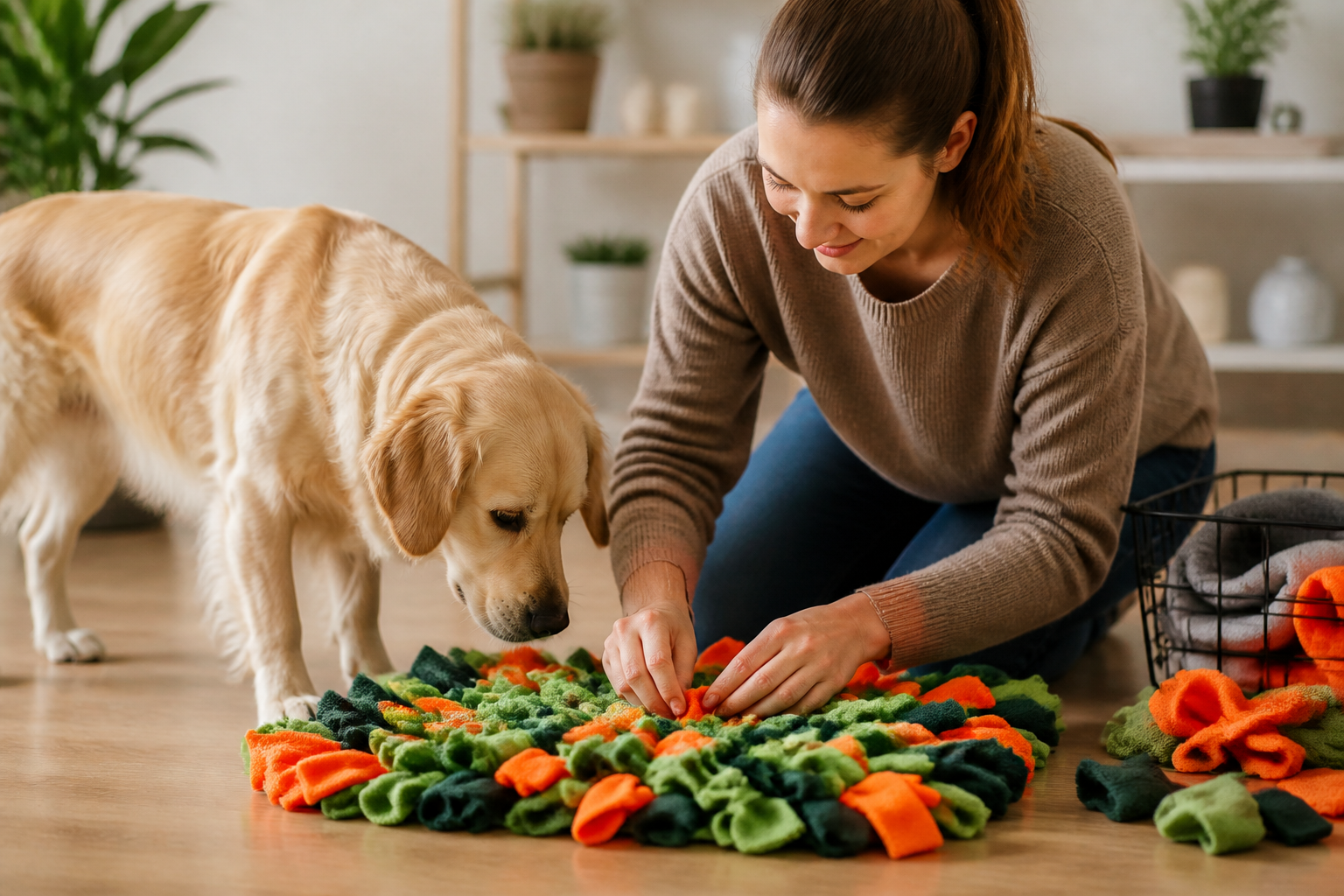
Your dog has finished their dinner in thirty seconds flat and is now looking at you for more entertainment. You have already gone for a walk and played three rounds of fetch, yet their brain still seems to be running at full speed. This is a common scene for many pet owners who realize that physical exercise is only half the battle. At BaxterBoo, we know that mental stimulation is just as vital as a long walk for a happy, balanced dog. Making a snuffle mat is one of the most effective ways to channel that excess energy into a natural, calming activity. This guide covers everything from selecting the right materials to the step by step assembly of your new enrichment toy. You will learn how to turn a simple rubber mat and some fleece into a powerful tool for scent work and slow feeding.
Quick Answer: A snuffle mat is a DIY enrichment toy made by tying fleece strips to a rubber sink mat. It encourages dogs to use their sense of smell to find hidden treats, which provides mental stimulation and slows down fast eaters. This activity mimics natural foraging behaviors and can help reduce anxiety and boredom.
The Science of Sniffing and Enrichment
Dogs experience the world primarily through their noses. While humans rely heavily on vision, a dog has up to 300 million olfactory receptors in their nose, compared to our mere six million. The part of a dog's brain that analyzes smells is, proportionally speaking, forty times greater than ours. When you allow a dog to engage in nose work, you are tapping into their most powerful natural instinct.
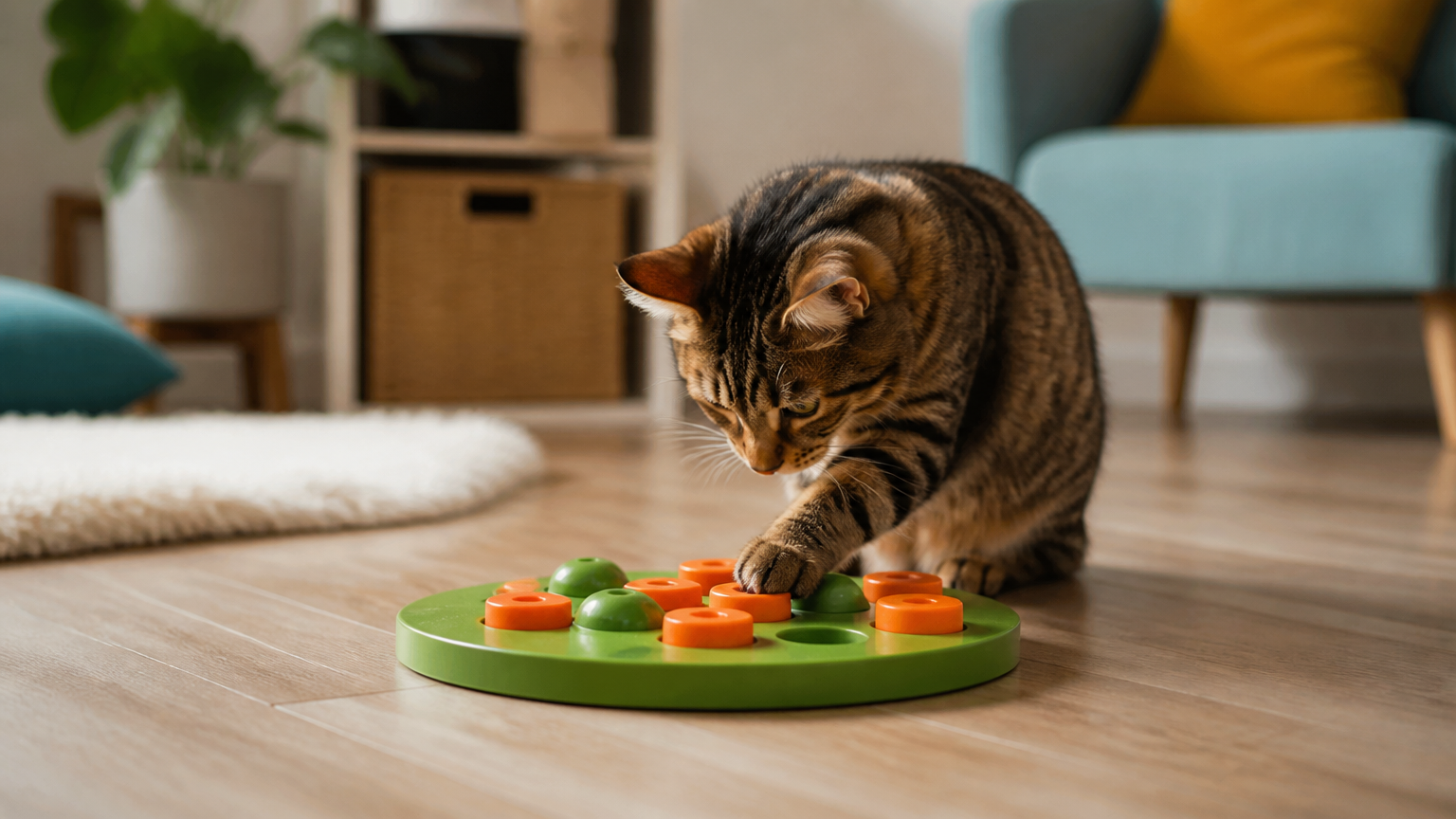
Mental fatigue is often more exhausting for a dog than physical exercise. Ten minutes of intense sniffing can be as tiring for a canine as an hour-long run. This is because processing complex scents requires significant brain power. Enrichment activities like snuffle mats provide a constructive outlet for this energy. Without these outlets, dogs often find their own ways to stay busy, which usually involves chewing your favorite shoes or barking at the window. For more ideas, explore these dog brain games and enrichment activities.
Foraging is a self-rewarding behavior. In the wild, canines spend a large portion of their day searching for food. Modern life has simplified this to a bowl placed on the floor twice a day. By reintroducing the search, you are providing a sense of accomplishment. This process releases dopamine in the dog's brain, which helps them feel relaxed and satisfied.
Interactive Dog Toys








Benefits of Using a Snuffle Mat
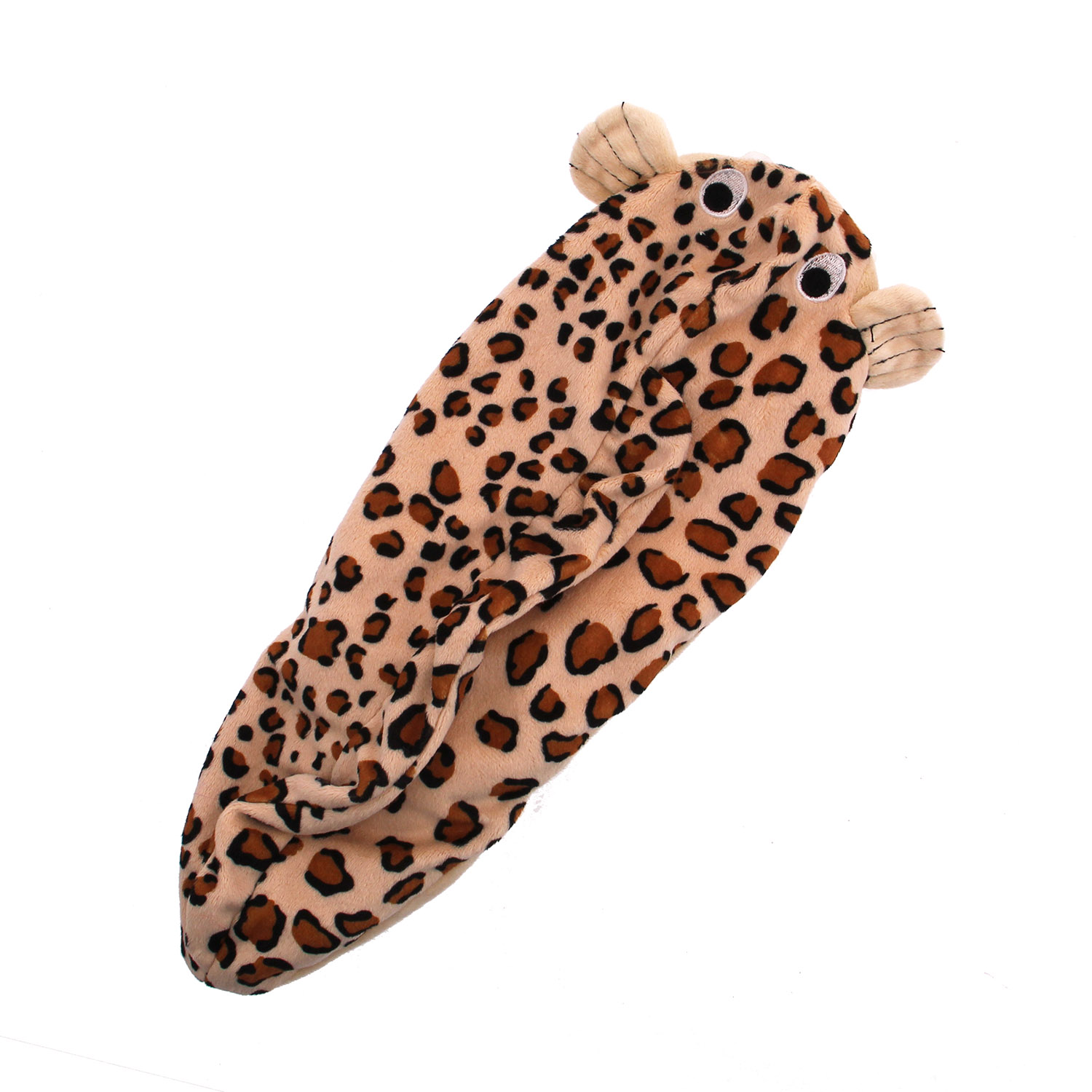
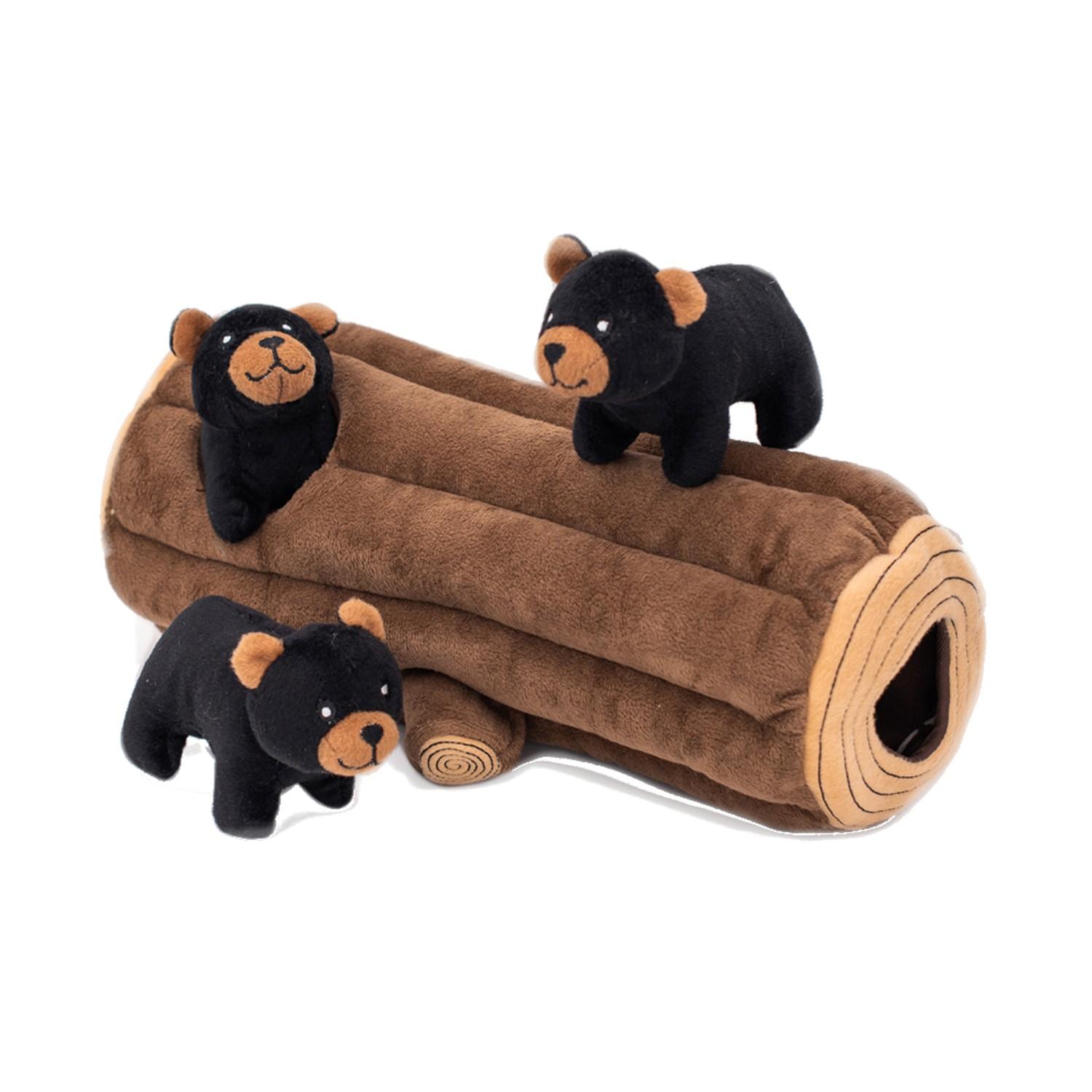
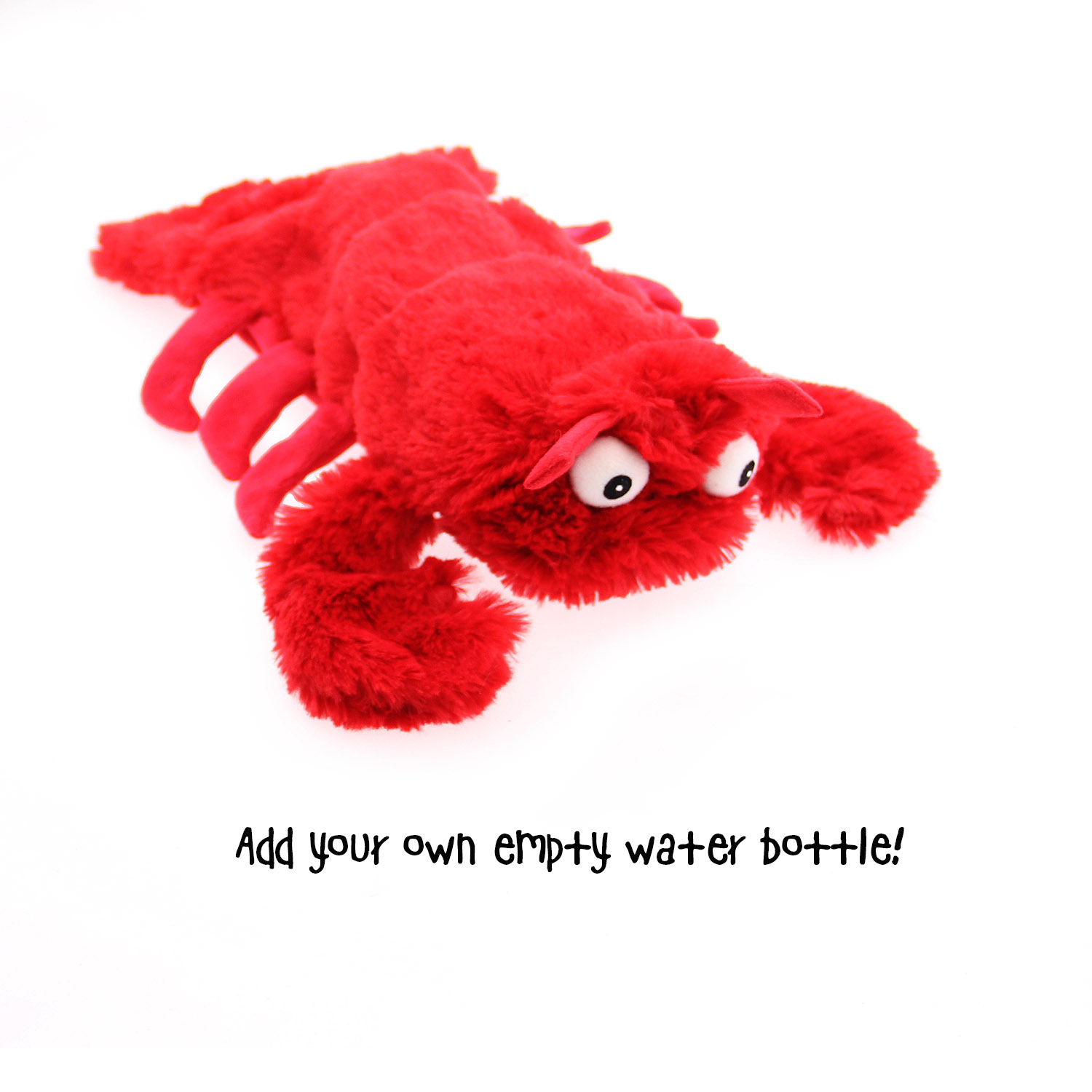
Beyond just keeping your dog busy, these mats offer several specific health and behavioral advantages. They are versatile tools that fit into almost any pet care routine. Commercial options are also available in our puzzle dog toy collection.
Slowing Down Fast Eaters
If your dog inhales their kibble, they are at risk for digestive issues or even dangerous conditions like bloat. A snuffle mat forces them to find each individual piece of food. This naturally slows their eating pace from seconds to several minutes. It gives their brain time to register that they are full, which is helpful for weight management.
Stress and Anxiety Reduction
Sniffing has a physiological calming effect on dogs. It lowers their heart rate and can help them focus on a single task rather than an external stressor like thunder or fireworks. Many trainers recommend using enrichment mats during high stress times to help a dog self-regulate.
Mental Stimulation for Limited Mobility
If you have a senior dog with joint issues or a pet recovering from surgery, physical exercise might be off the table. A snuffle mat provides the mental engagement they crave without putting strain on their body. It keeps their mind sharp even when their legs need a rest. You can find additional ideas in this guide to indoor enrichment activities.
Key Takeaway: Snuffle mats translate a dog's natural foraging instinct into a focused activity that reduces stress, slows down eating, and provides essential mental exercise for dogs of all ages and mobility levels.
Materials You Will Need
You do not need specialized equipment to build a high quality snuffle mat. Most of these items can be found at a local craft store or even repurposed from items you have around the house.
The Base Mat
The most common base is a rubber or plastic sink mat. These are usually found in the kitchen organization section of a department store. Look for a mat with holes that are large enough to thread fleece through but sturdy enough to hold its shape. A 12 by 15 inch mat is a standard size for most dogs. If you have a giant breed, you can use zip ties to connect two mats together.
Fleece Fabric
Fleece is the best material for this project because it does not fray when cut. It is soft on a dog's nose and durable enough to withstand some digging. You will generally need 1.5 to 2 yards of fabric. Anti-pill fleece is a great choice because it stays looking fresh even after washing. You can use one solid color or mix several colors to create a vibrant pattern.
Cutting Tools
A sharp pair of fabric scissors is essential. If you want to speed up the process, a rotary cutter and a self-healing mat are helpful but not required. You will also need a ruler or measuring tape to ensure your strips are consistent in size.
Step by Step Instructions to Make Your Own Snuffle Mat
Building the mat takes about one to two hours. It is a perfect activity to do while watching a movie or listening to a podcast.
Step 1: Prepare Your Fleece Strips
Lay your fabric out flat on a table. Cut the fleece into strips that are approximately 1 to 1.5 inches wide and 7 to 8 inches long. Precision is not vital here. In fact, having slightly different lengths can make the mat more challenging for your dog. You will need a lot of strips. A standard mat usually requires between 200 and 300 pieces of fleece to be sufficiently dense.
Step 2: Begin the Vertical Rows
Take one strip of fleece and push one end through a hole in the rubber mat. Push the other end through the hole immediately next to it. Flip the mat over and tie the ends into a single overhand knot. You do not need a double knot as the friction of the fleece will keep it secure. Continue this process across the entire row until every pair of holes in that row has a strip tied through it.
Step 3: Complete the Horizontal Rows
Once your vertical rows are finished, you need to add more density by tying strips across the other direction. This creates a cross pattern. Take a strip and thread it through two holes that are perpendicular to your first set of knots. This fills in the gaps and ensures the rubber base is completely hidden.
Step 4: Check for Holes and Fluff
Flip the mat over and look at the bottom. If you see any large empty spaces in the rubber grid, add a few more strips in those areas. Once you are satisfied with the density, flip it back over and run your hands through the fleece to fluff the strips up. They should stand upright, creating deep pockets for hiding treats.
Vet Tip: Always supervise your dog the first few times they use a snuffle mat. While fleece is durable, some dogs may try to chew and swallow the fabric strips instead of looking for food. If your dog begins to tear at the mat, remove it immediately to prevent the risk of an intestinal blockage.
Choosing the Best Treats for Snuffling
The success of the mat depends on the reward. You want treats that are small, dry, and highly fragrant. Avoid wet or greasy treats that will leave a residue on the fabric and require frequent washing. For more options, browse our dog treats collection.
- Freeze-Dried Liver: Brands like Stella and Chewy's offer freeze-dried options that crumble easily and have a strong scent that dogs love.
- Kibble: If you are using the mat for mealtime, your dog's regular dry food works perfectly.
- Crunchy Training Treats: Small, pea-sized treats are ideal because they fall deep into the fleece layers.
- Dehydrated Veggies: Pieces of dried sweet potato or green beans can be a healthy, low calorie alternative.
We carry a wide variety of these treats at BaxterBoo, and you can even set up our Autoship programme to ensure you never run out of foraging rewards. Using high value treats during the first few sessions will help your dog understand the goal of the game.
How to Introduce the Mat to Your Dog
Do not make the game too difficult right away. If a dog cannot find the food, they may get frustrated and try to flip the mat over or chew on it.
Level 1: The Beginner
Spread a few treats directly on top of the fleece strips. Let your dog see you doing this. Use a command like "find it" and encourage them as they eat the visible pieces. This builds a positive association with the mat.
Level 2: The Intermediate
Once they understand there is food in the mat, start tucking the treats slightly under the top layer of fleece. They will have to move the fabric with their nose to get to the reward. This requires a bit more effort and sniffing.
Level 3: The Expert
For a dog that has mastered the game, bury the treats at the very bottom of the mat, right against the rubber base. You can even give the mat a quick shake to help the food settle deep into the crevices. This will keep an expert sniffer busy for a long time.
Bottom line: Gradually increasing the difficulty of the snuffle mat ensures your dog stays engaged without becoming frustrated or destructive.
Maintenance and Cleaning
Because the mat holds food and is frequently in contact with dog saliva, it will need regular cleaning. A grimy mat can grow bacteria or mold, especially if you use treats with any moisture content.
Most DIY mats made with rubber sink mats and fleece are machine washable. Place the mat inside a pillowcase and tie it shut to prevent the strips from getting caught in the agitator. Wash on a gentle cycle with cold water and a pet-safe, fragrance-free detergent. Avoid using fabric softeners as the strong scent can be overwhelming for a dog's sensitive nose.
Air drying is the best way to preserve the life of the mat. Hang it up or lay it flat in a well-ventilated area. Using a dryer can sometimes melt the rubber base or cause the fleece to pill excessively. Once dry, give it a good shake to fluff the strips back up before the next use.
Troubleshooting Common Issues
Not every dog takes to a snuffle mat immediately. Some might be confused, while others might be too enthusiastic. This guide to dog boredom busters offers additional ways to keep enrichment sessions interesting.
The "Flipper"
If your dog prefers to flip the mat over and shake it to get the treats out, they are using their brain to find a shortcut. While clever, it defeats the purpose of the sniffing exercise. To prevent this, you can place the mat on a non-skid surface or hold the edge of the mat while they work.
The "Chewer"
Some dogs see the fleece as a giant plush toy. If they start gnawing on the strips, interrupt the behavior and redirect them to the treats. If they continue to chew, it may be a sign that they are frustrated or that the mat isn't the right tool for them. Always pick the mat up and put it away once the treats are gone to prevent "post-game" chewing.
The "Disinterested" Dog
If your dog walks away, you might need a smellier treat. Try using something with a very strong aroma, like freeze-dried salmon or high-quality jerky treats. You may also need to go back to Level 1 and make the treats very easy to find until their confidence grows.
Health Considerations and Weight Management
While snuffle mats are great for slowing down eating, you must account for the calories you are putting into the mat. It is easy to accidentally overfeed your dog when you are focused on enrichment.
If you are using treats for snuffling, subtract that amount from their daily meal portions. For dogs on a strict weight loss plan, using their actual kibble for the mat is the safest way to ensure they aren't getting extra calories. Our pet pharmacy provides prescription diets for weight management if your veterinarian has recommended a specific nutritional plan.
Vet Tip: If your dog is overweight or has a chronic health condition like diabetes, consult your veterinarian before introducing new high-calorie treats. They can help you determine a safe daily caloric intake and suggest healthy alternatives for foraging games.
Why Quality Matters
While making a mat is a fun DIY project, the quality of the treats and food you put inside is what truly supports your dog's health. We have been operating since 2006, and we carry over 500 brands that we trust for our own pets. Whether you are looking for grain-free kibble from Orijen or healthy rewards from The Honest Kitchen, we focus on providing value without compromising on quality.
When you buy your supplies and treats through us, you can earn up to 5% back through the MVP Rewards programme. This makes it easier to keep your dog's enrichment routine fresh and exciting. A snuffle mat is a small investment of time that pays off in a calmer, happier, and more mentally satisfied dog.
At BaxterBoo, we believe that pet care should be practical and accessible. A DIY snuffle mat is the perfect example of how a few simple materials can significantly improve your dog's quality of life. By encouraging their natural instincts, you are providing a healthy outlet for their energy and strengthening the bond you share.
FAQ
How often should I let my dog use a snuffle mat?
You can use a snuffle mat daily, especially during mealtimes if your dog is a fast eater. For general enrichment, two to three sessions a week is usually enough to keep them mentally stimulated. Always monitor your dog to ensure they stay engaged and do not become bored or destructive with the mat.
Can I use a snuffle mat for a puppy?
Yes, snuffle mats are excellent for puppies as they help develop scenting skills and provide a calm activity during the high energy "zoomie" periods. It is also a great way to introduce them to the concept of working for their food. Just be sure to supervise them closely to make sure they do not chew on the fleece strips while they are teething.
What is the best size for a snuffle mat?
A standard size is approximately 12 by 15 inches, which works well for most small to medium dogs. For larger breeds, you may want to create a bigger mat by joining two sink mats together so they have more surface area to explore. The key is to have enough room to hide several treats without them being too close together.
My dog is a heavy chewer; is a snuffle mat safe?
A snuffle mat is a supervised enrichment toy, not a chew toy. If your dog has a history of destroying fabric items, you must be extra vigilant. Only give them the mat when you can watch them, and take it away as soon as they have found all the treats. If they persist in chewing the fleece despite redirection, a more durable rubber puzzle toy might be a safer choice.


- Site & Contents BaxterBoo.com. BaxterBoo is located in the United States.
- Privacy & Security
- Terms of Use
- Accessibility Statement
