
 Save 15% on your 1st Autoship learn more

 Email us
 Live Chat
 FAQs
FAQs





Introduction
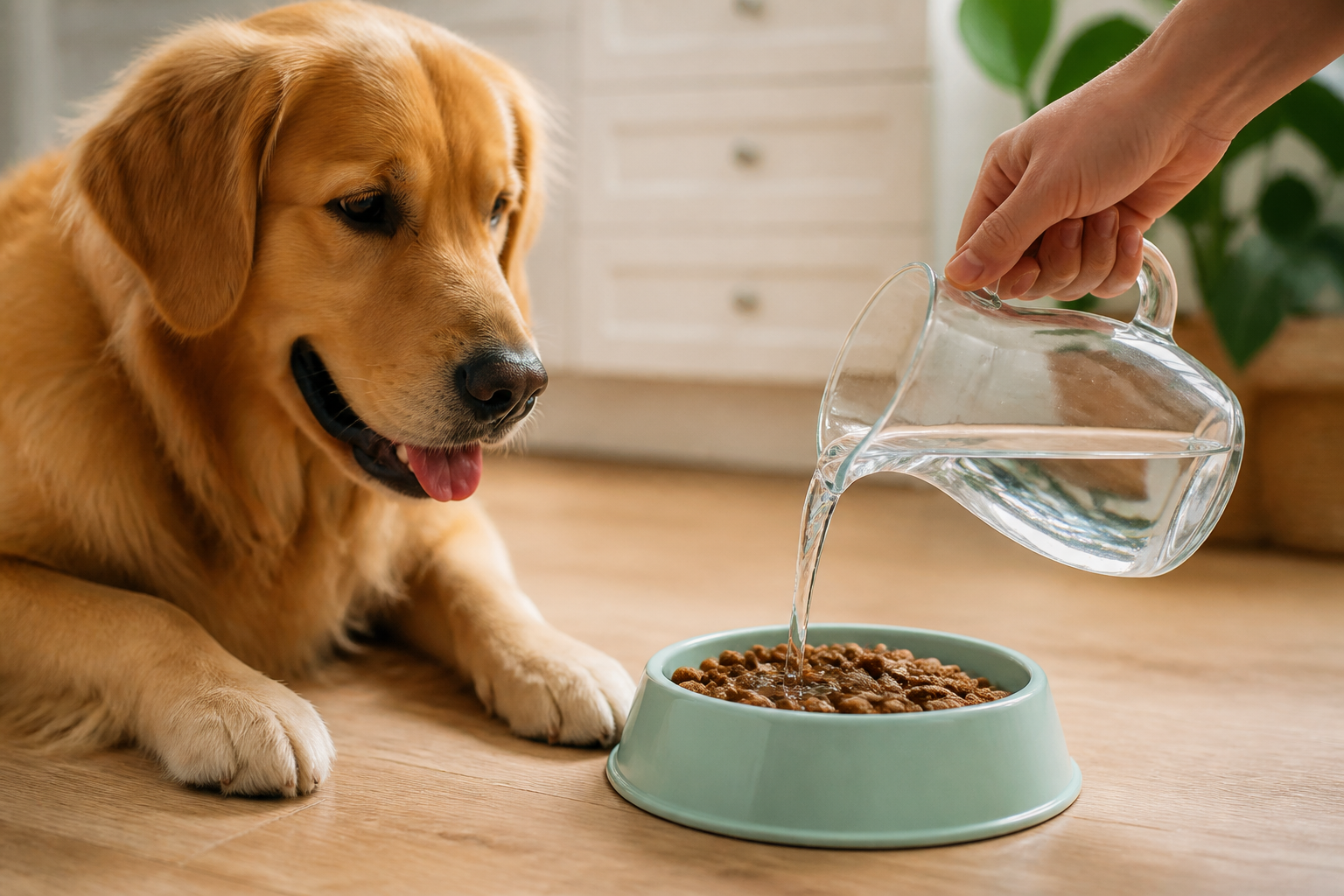
You fill the bowl with kibble and set it down, but your dog just looks at it and walks away. Maybe your senior dog is struggling with the hard texture of their favorite meal, or perhaps you are worried that your pup is not drinking enough water during the day. Learning how to rehydrate dry dog food is an easy way to improve your pet's mealtime experience and overall wellness. At BaxterBoo, we know that a little bit of moisture can make a big difference for picky eaters and dogs with specific health needs. This guide covers the best liquids to use, the proper soaking methods, and how to keep rehydrated meals safe for your pet. Adding moisture can transform a simple meal into a hydrating feast that supports digestion and kidney health.
Quick Answer: Rehydrate dry dog food by adding warm water, bone broth, or goat milk to the kibble. Use a ratio of about one part liquid to every two parts of food, and let it sit for ten to fifteen minutes before serving.
The Benefits of Rehydrating Dry Dog Food
Most dry kibble contains only about 10 percent moisture. In the wild, a dog's diet would naturally include much higher water content from fresh protein sources. By adding liquid back into the bowl, you are helping your dog stay hydrated even if they are not big water drinkers. Proper hydration is essential for every metabolic process in the body. It helps the kidneys flush out toxins and keeps the skin and coat looking healthy. For more meal options, explore our dog food category.
Adding water also helps with digestion. Dry kibble requires the body to provide its own moisture to break down the hard pieces. If a dog eats too fast, the dry pieces can expand quickly in the stomach, which might cause discomfort or bloating. When you rehydrate the food beforehand, you allow it to expand in the bowl rather than in your dog's gut. This can lead to less gas and more consistent stools.
Flavor is another major benefit. When you add warm liquid to kibble, it releases the natural fats and aromas of the food. Dogs rely heavily on their sense of smell to determine if something is worth eating. A warm, fragrant meal is much more enticing to a picky eater than cold, hard pellets. For owners of older dogs, softening the food is a practical necessity. If your dog has lost teeth or has sensitive gums, rehydration makes it possible for them to continue eating the food they love without pain.
Key Takeaway: Rehydrating kibble mimics a more natural moisture level, which supports kidney function, eases digestion, and makes meals more appealing to picky or senior dogs.
What Liquids Should You Use?
Not all liquids are created equal when it comes to your dog's bowl. While plain water is the easiest and most common choice, other options can provide a nutritional boost.
Warm Water
Filtered warm water is the simplest way to soften kibble. Avoid using boiling water, as extreme heat can destroy some of the heat-sensitive vitamins and probiotics found in high-quality brands like Farmina or NutriSource. Warm water is perfect for releasing aromas without altering the nutritional balance of the meal.
Pet-Safe Bone Broth
Bone broth is a powerhouse of nutrients like collagen, glycine, and glucosamine. It is excellent for supporting joint health and gut integrity. However, you must never use bone broth made for humans. Human broths often contain onions, garlic, and high levels of salt, all of which can be toxic or harmful to dogs. Explore our dog food toppers and supplements for pet-specific mixers and broths.
Raw Goat Milk
Often called "universal milk," goat milk is highly digestible for most dogs. It is packed with probiotics and enzymes that support a healthy immune system. Adding a splash of goat milk to dry food can help dogs with sensitive stomachs or those recovering from an illness. It provides a creamy texture that many dogs find irresistible.
Canned Food or Toppers
Mixing in a bit of wet food is another way to add moisture. You can blend a small amount of canned food with warm water to create a gravy, then pour it over the dry kibble. Brands like Tiki Cat or Weruva offer high-moisture options that work perfectly as mixers. This adds variety to the diet without completely changing the base kibble your dog is used to eating. You can also browse our selection of Stella & Chewy's products for meal mixers and toppers.
Vet Tip: If your dog has a history of kidney stones or urinary tract issues, your veterinarian might recommend a specific hydration routine. Our pet pharmacy carries prescription diets and medications to help manage these chronic conditions.
How to Rehydrate Dry Dog Food Step-by-Step
Consistency is key when you start rehydrating your dog's food. If you add too much liquid, it might turn into a soup that your dog finds messy. If you add too little, the center of the kibble will remain hard.
Step 1: Measure the dry food. / Start with the standard amount of kibble your dog usually eats for one meal. Put it into a clean bowl that has enough extra room for the food to expand.
Step 2: Add your chosen liquid. / A good starting ratio is one part liquid to two parts dry food. For a standard cup of kibble, start with half a cup of warm water or broth.
Step 3: Let it soak. / This is the most important step. Let the bowl sit for 10 to 15 minutes. During this time, the kibble will absorb the moisture and swell in size.
Step 4: Check the texture. / After the wait time, the kibble should be soft enough to smash with a fork. If it still feels very hard, add a little more warm liquid and wait another five minutes.
Step 5: Stir and serve. / Give the food a quick stir to distribute the moisture and any remaining liquid. Ensure the temperature is lukewarm before giving it to your dog.
Bottom line: Using a 1:2 ratio of liquid to food and waiting 15 minutes ensures the kibble is fully softened and easy to digest.
Managing Picky Eaters with Moisture
Picky eaters can be a challenge for any pet owner. Sometimes a dog stops eating because they are bored, but often it is because the food lacks an enticing scent. Rehydrating the food is one of the most effective ways to jump-start a dog's appetite. For additional mealtime ideas, read how to get your dog to eat dry food.
If your dog is still hesitant, try using a highly palatable topper. We see great results when owners use freeze-dried raw bits from Stella and Chewy's or Vital Essentials as a "seasoning." You can crush these bits into the warm water before pouring it over the kibble. This creates a rich broth that coats every piece of food.
Another trick is to vary the temperature. While most dogs prefer warm food, some may enjoy their rehydrated food cold in the summer. You can even freeze rehydrated kibble inside a Kong toy to provide a long-lasting, hydrating snack. This keeps the dog engaged and ensures they get extra water while they play.
Safety and Storage for Rehydrated Meals
While rehydrating food has many benefits, it does require more attention to food safety. Dry kibble can sit out in a bowl for several hours without any issues. Once you add water or broth, the clock starts ticking.
Moisture and warmth create the perfect environment for bacteria like salmonella or listeria to grow. You should never leave rehydrated food out for more than 30 to 60 minutes. If your dog does not finish the meal within that time, you must throw the leftovers away. Do not try to save rehydrated kibble in the refrigerator for the next day, as it will become soggy and potentially unsafe.
Cleaning the bowl is also more important when you feed wet or rehydrated food. Biofilm and bacteria can build up quickly in the corners of the bowl. Wash the bowl with hot, soapy water after every single meal. Stainless steel or ceramic bowls are better choices than plastic, as they are less likely to develop tiny scratches where bacteria can hide.
- Always use clean, filtered water or pet-safe broths.
- Discard uneaten portions after one hour maximum.
- Wash bowls thoroughly after every feeding.
- Monitor your dog's teeth for plaque buildup, as soft food does not provide mechanical cleaning.
When Rehydration is Medically Necessary
For some dogs, rehydrating food is more than a preference. It is a medical requirement. Dogs with a history of bladder stones or crystals often need a high-moisture diet to keep their urine diluted. Similarly, dogs with kidney disease require extra fluids to help their kidneys process waste products.
If your dog is on a prescription diet from a brand like Royal Canin or Farmina Vet Life, you can still rehydrate those kibbles. In fact, many vets encourage it. For dogs recovering from surgery or those with megaesophagus, a "slurry" or "gruel" made of blended rehydrated kibble might be the only way they can safely consume calories.
If you notice your dog is suddenly struggling to chew or is dropping food from their mouth, do not just switch to rehydrated food. This can be a sign of a dental abscess or a fractured tooth. While softening the food helps them eat in the short term, you must consult your vet to treat the underlying cause of the pain. For more information, read our guide to recognizing dental problems in dogs.
Key Takeaway: Rehydration is a vital tool for managing kidney and urinary health, but it should not replace a veterinary exam if your dog shows signs of dental pain or sudden appetite loss.
Supporting Your Dog's Changing Needs
As dogs age, their nutritional needs and physical abilities change. A senior dog who has eaten dry food for ten years may suddenly find it difficult. This is where products like Senilife for cognitive support or Cosequin for joints become important. You can often mix these supplements directly into the rehydrated food. The soft texture makes it easy to hide the taste or texture of a pill or powder.
At BaxterBoo, we aim to provide the tools you need for every life stage. Whether you are transitioning a puppy from milk to solid food or helping a senior dog enjoy their golden years, rehydration is a simple, cost-effective strategy. Our warehouse in Vernon Hills is stocked with over 500 brands, including many that specialize in high-moisture mixers and broths.
If you find that your dog needs a more permanent change, you might consider moving toward a dehydrated or freeze-dried raw diet. Brands like The Honest Kitchen offer foods that are designed to be rehydrated every time. Browse our selection of The Honest Kitchen products for dehydrated foods and meal toppers. You can also read our freeze-dried dog food feeding guide for preparation ideas.
Summary of Rehydration Tips
Rehydrating dry dog food is a practical way to boost health and happiness. It solves common problems like poor hydration, slow digestion, and picky eating habits. By following a few simple safety rules, you can make every meal a highlight of your dog's day.
- Choose the right liquid: Use warm water, pet-safe bone broth, or goat milk.
- Follow the ratio: Start with one part liquid to two parts dry kibble.
- Wait for it: Give the food 15 minutes to fully absorb the moisture.
- Keep it clean: Wash bowls after every meal and toss leftovers.
- Consult the pros: Talk to your vet if you notice major changes in eating habits.
Our Autoship programme is a great way to ensure you never run out of the kibble or broths your dog loves. You can save on your first order and earn MVP Rewards back on every purchase. If your dog requires specific medical support, remember that we provide access to a full pharmacy with prescription products to keep your pet thriving.
FAQ
Can I use milk to rehydrate my dog's food? You should avoid using standard cow's milk because many dogs are lactose intolerant and can develop diarrhea or stomach upset. Raw goat milk is a much safer and more nutritious alternative because it contains different proteins and enzymes that are easier for dogs to digest.
Does adding water to kibble cause dental problems? While dry kibble provides some mechanical scraping of the teeth, it is not a substitute for regular brushing or dental chews like Greenies. If you switch to rehydrated food, you may need to be more diligent about brushing your dog's teeth or providing dental toys to prevent plaque buildup. For additional guidance, explore our pet dental care tips.
How long can I leave rehydrated dog food in the bowl? You should not leave rehydrated dog food out for longer than 60 minutes. Once moisture is added to the kibble, bacteria can grow quickly in the warm, wet environment. To prevent food poisoning or digestive upset, discard any uneaten food after an hour.
Is it better to use hot or cold water for rehydration? Warm water is the best choice because it softens the kibble quickly and helps release the food's natural aromas. You should avoid using boiling water because it can burn your dog's mouth and potentially damage some of the vitamins or probiotics added to the food.






