
 Save 15% on your 1st Autoship learn more

 Email us
 Live Chat
 FAQs
FAQs





Introduction
You might be standing in your kitchen looking at a stack of empty cans and wondering if there is a more convenient way to feed your pup. Many owners decide to transition from wet to dry dog food to help with dental health, save on the monthly budget, or simplify meal storage. At BaxterBoo, we know that change can be tricky for dogs who are used to a specific texture and aroma. This guide covers the step by step process for moving your dog to a kibble diet without causing digestive upset or mealtime protests. By taking a slow and steady approach, you can help your dog enjoy their new food while maintaining their health and energy.
The Benefits of Moving to Dry Dog Food
Dry dog food offers several practical advantages for both you and your pet. Kibble is generally more calorie dense than wet food. This means you can feed smaller volumes while still providing all the essential nutrients your dog needs. It is also significantly easier to store since it does not require refrigeration after opening, and our dog food category makes it easy to compare formulas side by side.
The mechanical action of chewing crunchy kibble can help reduce the buildup of plaque and tartar on your dog's teeth. While it does not replace regular brushings, it provides a daily boost to their oral hygiene. Many owners find that brands like Royal Canin or NutriSource offer specialized kibble shapes designed to encourage thorough chewing.
Quick Answer: The best way to switch is a gradual transition over seven to ten days. Start by mixing 25 percent dry food with 75 percent wet food and slowly increase the kibble ratio every two days.
Understanding Why Your Dog Might Resist
Dogs are often driven by their sense of smell. Wet food has a very strong aroma and a soft texture that many dogs find highly appealing. When you switch to dry food, the lack of intense scent can make the new meal seem less exciting.
Some dogs may also have physical reasons for preferring soft food. If your dog is older or has underlying dental issues, the hard texture of kibble might be uncomfortable to chew. It is always wise to check your dog's teeth and gums for redness or sensitivity before starting a transition.
Vet Tip: If your dog flatly refuses to crunch on dry kibble, schedule a dental checkup. Underlying issues like broken teeth or gum disease can make eating hard food painful for your pet.
The Step by Step Transition Schedule
A sudden change in diet is the most common cause of diarrhea and vomiting in dogs. Their digestive systems need time to adjust to new protein sources and fiber levels. We recommend a transition period of at least one week to keep their stomach settled.
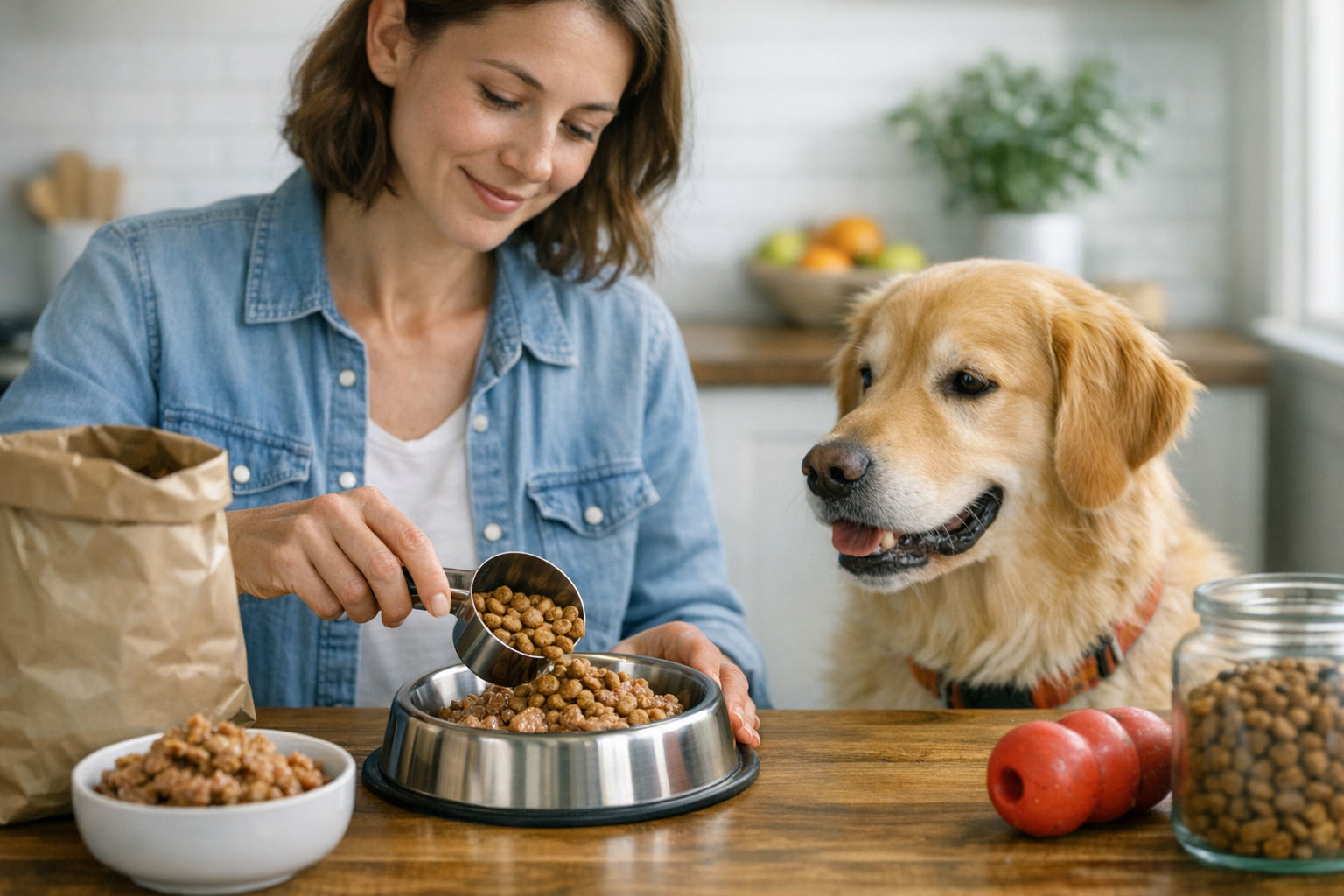
Step 1: The Initial Introduction / For the first two days, fill the bowl with 75 percent of their usual wet food and 25 percent of the new dry food. Mix them thoroughly so the dog cannot easily pick out only the wet portions.
Step 2: The Halfway Point / On days three and four, move to a 50/50 split. If your dog's stool remains firm and they are eating eagerly, you are on the right track.
Step 3: The Kibble Majority / On days five and six, increase the dry food to 75 percent and reduce the wet food to 25 percent. This is often the stage where picky eaters might start to hesitate.
Step 4: The Full Switch / By day seven, you can offer 100 percent dry food. Keep an eye on your dog for the next few days to ensure they stay hydrated and consistent.
Key Takeaway: Patience is the most important part of a food transition. Moving too fast often leads to digestive upset that sets your progress back by several days.
Tips for Encouraging Picky Eaters
If your dog turns their nose up at the new kibble, you do not have to give up. There are several ways to make dry food more enticing by mimicking the qualities of wet food.
Add Warm Water or Broth
Adding a splash of warm water to the kibble can soften the texture and release the natural fats and aromas. This makes the food smell much more like the wet meals they are used to. You can also use a dog safe bone broth from brands like Caru or The Honest Kitchen for extra flavor, and our dog dental care collection is a helpful next stop for oral health support.
Try a Brief Microwave Session
A few seconds in the microwave can warm the natural oils in the dry food. This increases the scent and makes the meal more appetizing. Always stir the food and check the temperature with your finger to ensure there are no hot spots that could burn your dog's mouth.
Use High Quality Toppers
Sometimes a little bit of "extra" goes a long way. Crushing a few freeze dried treats from Stella and Chewy's or Vital Essentials and sprinkling them over the kibble can act as a delicious bait. This encourages the dog to start eating, and they will usually finish the rest of the bowl once they get started. If you want more ideas for combining textures, our guide on mixing dry dog food with wet is a useful read.
Eliminate Free Feeding
If you usually leave food out all day, switch to scheduled meal times. Put the bowl down for 20 minutes and then take it away, even if they have not finished. This helps build a healthy appetite and teaches your dog that they need to eat when the food is provided.
Monitoring Your Dog's Health During the Switch
During any dietary change, you must be a detective. Watch your dog's bathroom habits and energy levels closely. A small amount of gas is normal as the gut bacteria adjust, but severe symptoms require attention.
If your dog experiences persistent diarrhea or starts vomiting, stop the transition immediately. Revert to the previous wet food until their stomach settles. Once they are back to normal, you can try the transition again but at a much slower pace.
Our pet pharmacy provides access to prescription options if your dog has a particularly sensitive stomach or other health needs. Always talk to your veterinarian if your dog has a history of gastrointestinal problems before changing their diet.
Bottom line: A successful switch depends on monitoring your dog's physical response and adjusting the speed of the transition accordingly.
Choosing the Right Dry Food Brand
Not all kibble is created equal. When you are moving away from wet food, look for dry options that prioritize high quality animal proteins. Brands like Farmina and NutriSource use thoughtful recipes that can help make the transition feel easier for picky dogs.
Consider Life Stage
Puppies, adults, and seniors have vastly different nutritional requirements. Puppies need more protein and fat for growth, while seniors may need joint support and fewer calories. Ensure the dry food you choose is labeled for your dog's specific life stage by checking the AAFCO statement on the bag.
Look for Ingredient Transparency
The first few ingredients on the label should be named animal proteins like "chicken" or "lamb" rather than generic "meat by-products." High quality fats like salmon oil or chicken fat are also important for skin and coat health.
Texture and Size
Small breed dogs often struggle with large kibble pieces. Many brands like NutriSource and Wellness offer small breed formulas with tiny, easy to crunch pieces. If your dog is used to the soft texture of wet food, they might prefer a "soft moist" or cold pressed kibble that is easier to break down.
The Importance of Hydration
Wet food is roughly 70 to 80 percent water. When you switch to dry food, your dog is losing a significant source of daily hydration. You will likely notice your dog drinking much more water than they used to.
Make sure your dog always has access to a clean, full water bowl. If you are concerned they aren't drinking enough, you can continue to add a little water to their kibble indefinitely. For another approach to improving moisture intake, our guide on wetting dry dog food can help with the adjustment.
Key Takeaway: Monitor water intake closely during the first month of a dry food diet to ensure your dog is compensating for the loss of moisture in their meals.
Common Mistakes to Avoid
Even well meaning owners can make mistakes that prolong the transition or cause the dog to reject the new food. Avoiding these common pitfalls will make the process much smoother.
- Giving too many treats: If your dog knows they can get a handful of treats by holding out on their dinner, they will never accept the kibble.
- Showing anxiety at mealtime: Dogs pick up on your emotions. If you are hovering over them and acting worried, they may think something is wrong with the food.
- Changing brands too often: If the first dry food does not work, do not jump to a third brand immediately. Give your dog time to settle before trying another formula.
- Ignoring calories: Dry food is more concentrated than wet food. Ensure you are following the feeding guidelines on the bag to prevent unwanted weight gain.
Long Term Success and Maintenance
Once your dog is successfully eating dry food, you can consider using our Autoship programme to ensure you never run out. This is a great way to save money and keep your dog's routine consistent.
You might also want to look into the MVP Rewards programme, which allows you to earn points on every bag of food you buy.
Regularly rotating flavors within the same brand can help prevent boredom. For example, if you feed Zesty Paws or Open Farm, you might switch between chicken and beef formulas every few months. Just remember to do a mini three day transition whenever you change flavors to avoid any minor stomach upsets.
FAQ
Can I mix wet and dry food forever?
Yes, many owners choose to feed a mixed diet long term. This provides the hydration and flavor benefits of wet food along with the dental benefits and lower cost of kibble. Just ensure you are calculating the total calories correctly so your dog maintains a healthy weight.
My dog is picking out the wet food and leaving the kibble. What should I do?
Try mashing the wet food into a paste and stirring it thoroughly into the kibble. This coats every piece of dry food in the flavor and scent of the wet food, making it nearly impossible for the dog to separate them. You can also add a little warm water to create a thick gravy that binds the two textures together.
How do I know if the dry food is upsetting my dog's stomach?
Watch for signs like excessive gas, a gurgling stomach, or changes in stool consistency. If your dog becomes lethargic or refuses to eat for more than 24 hours, it is time to consult a veterinarian. Small changes in stool are normal during the first week, but they should firm up as the transition completes.
Is dry food really better for my dog's teeth?
While dry food is not a replacement for professional dental cleanings, the friction of chewing kibble helps scrape away some surface plaque. Some dry foods are specifically formulated with a larger kibble size and a texture that does not crumble immediately. This forces the dog to chew more thoroughly, which provides a better cleaning effect than soft wet food.






