
 Save 15% on your 1st Autoship learn more

 Email us
 Live Chat
 FAQs
FAQs





Introduction
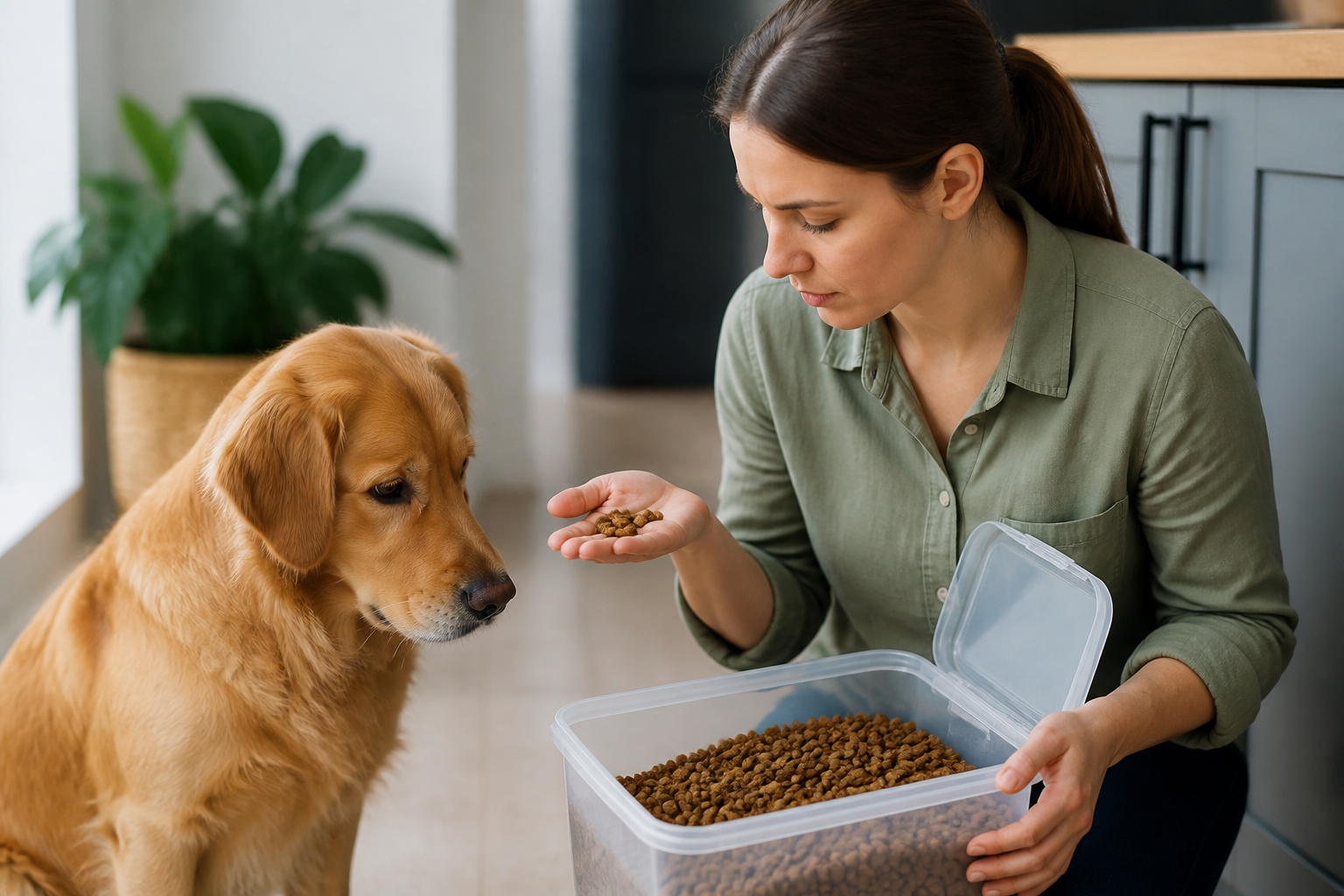
You fill your dog's bowl with the usual kibble, but they take one sniff and walk away. This behavior is a common red flag for pet owners. While your dog might just be picky, there is a high chance they smell something you do not. Dry dog food can spoil well before you notice a change in appearance. Freshness is vital for both the taste of the meal and your pet's health. At BaxterBoo, we want to help you understand the subtle signs of spoilage so you can keep your dog safe and satisfied. This article covers the physical signs of bad food, the risks of feeding expired kibble, and the best ways to store your supplies. Understanding these indicators ensures that every meal provides the nutrition your dog deserves.
The Power of the Nose Test
A dog's sense of smell is significantly more powerful than a human's sense of smell. They can detect rancidity in fats and oils long before the food looks different to us. If your dog is usually excited for mealtime but suddenly hesitates, trust their instincts.
When dry dog food goes bad, the fats within the kibble undergo a process called oxidation. This chemical reaction creates a distinct odor. Many owners describe the smell of spoiled dog food as being similar to old paint, varnish, or even a metallic scent. Others might notice a sour or "off" aroma that was not present when they first opened the bag.
Even if you cannot smell anything strange, pay attention to how your dog reacts. If they sniff the food and then look at you with confusion, the food might be past its prime. Dogs have strong opinions about the flavor and aroma of their meals.
Quick Answer: Spoiled dry dog food often has a sharp, sour, or paint-like odor due to rancid fats. You might also see mold, evidence of bugs, or a change in the texture of the kibble.
Visual Signs of Spoiled Kibble
Visual inspections are your next line of defense. While oxidation is often invisible, other types of spoilage leave clear marks.
Mold Growth
Mold is one of the most dangerous signs of bad dog food. It often appears as white, green, or black fuzz on the surface of the kibble. Mold thrives in environments with high humidity or moisture. If you accidentally dripped water into the bag or stored it in a damp garage, mold can grow quickly. Never try to "scoop out" the moldy part. Mold spores are microscopic and likely inhabit the entire bag even if you only see one patch.
Insect Infestation
Dry dog food is a magnet for various pests if it is not sealed properly. Grain mites and weevils are common intruders. You might see small, brown, or black specks moving around the bottom of the bag. You may also notice fine webbing that looks like a spider web. If you see any signs of bugs, discard the entire bag immediately. Pests carry bacteria and their waste products can contaminate the food.
Texture Changes
Fresh kibble should be crunchy and dry to the touch. If the food feels oily, soft, or crumbly, it has likely absorbed too much moisture or the fats have broken down. Moisture creates the perfect breeding ground for bacteria like Salmonella. If the pieces of kibble are sticking together in clumps, that is a definitive sign of moisture contamination.
Key Takeaway: Always inspect the bottom of the bag for moisture or insects, as spoilage often starts where the food is most compressed.
Understanding Best By vs. Expiration Dates
Pet food manufacturers include dates on their packaging to guide consumers. However, these dates can be confusing. Most dry dog foods feature a "best by" or "best if used by" date rather than a hard expiration date.
A best by date indicates the window where the food is at its peak nutritional value and flavor. Once this date passes, the vitamins may begin to degrade. The fats are also more likely to become rancid after this point. If a bag is unopened and stored in a cool place, it might still be safe for a short time after the best by date, but the quality will not be guaranteed.
An expiration date is a more serious cutoff. This usually applies to prescription diets or specialized foods. If a bag has an actual expiration date, do not feed it to your dog after that day.
Vet Tip: If your dog accidentally eats food past its best by date, monitor them for signs of digestive upset like vomiting or diarrhea. If symptoms persist for more than 24 hours, contact your veterinarian immediately for guidance.
The Hidden Danger of Rancid Fats
Fat is a necessary part of a healthy dog's diet. It provides energy and supports skin health. However, fat is also the most unstable ingredient in dry food. High quality brands we carry, such as Farmina or Orijen, often use natural preservatives like tocopherols (Vitamin E) rather than harsh chemical preservatives. While these are better for your dog, they do not last forever.
When fats are exposed to oxygen, light, and heat, they break down. This process is called lipid oxidation. Rancid fats do more than just taste bad. They can cause chronic health issues over time. They can interfere with the absorption of other nutrients and may cause inflammation in the gut.
If you feed your dog food with rancid fats consistently, you might notice:
- A dull, dry coat
- Increased shedding
- Chronic loose stools
- Loss of appetite
Health Risks of Feeding Bad Food
Feeding spoiled food is a serious health hazard. It is not just about a "stale" taste. The risks range from mild stomach upset to severe bacterial poisoning.
Bacterial Contamination
Old or improperly stored food can grow bacteria like Salmonella, E. coli, and Listeria. These can cause severe food poisoning in dogs. Symptoms include high fever, bloody diarrhea, and lethargy. These bacteria can also be passed from your dog to human family members through handling the food or your pet's waste.
Mycotoxins
Mycotoxins are toxic compounds produced by certain types of mold. They are extremely dangerous for dogs. Ingestion of mycotoxins can lead to tremors, seizures, and even liver failure. This is why you must never feed food that has any visible mold, even if it is just a small amount.
Nutritional Deficiencies
Vitamins and minerals are sensitive to the environment. Exposure to air and light causes these nutrients to lose their potency. If your dog eats old food, they might not be getting the levels of nutrition listed on the label. For a growing puppy or a senior dog with specific health needs, this lack of nutrition can lead to developmental issues or weakened immune systems.
Our pet pharmacy provides prescription diets and medications for dogs with sensitive health needs through our partnership with Pet's Choice. If your dog has a chronic condition, feeding fresh food is even more critical to their recovery and stability. Always consult your vet if your dog shows persistent digestive issues after eating.
How Long Does Opened Dry Food Last?
Most experts agree that once a bag of dry dog food is opened, it should be used within four to six weeks. Even if the best by date is a year away, that date only applies to a sealed bag. The moment you break the seal, oxygen enters. This starts the clock on oxidation and staleness.
If you have a small dog, it is often better to buy smaller bags more frequently. While the large bags might offer a better price per pound, the food may spoil before your dog can finish it. This leads to waste and potential health risks.
For more guidance, read how long dry dog food stays fresh once opened.
Key Takeaway: Aim to finish any opened bag of kibble within 30 to 45 days to ensure maximum freshness and safety.
Proper Storage to Prevent Spoilage
How you store your dog's food is just as important as the food you buy. Many owners make common mistakes that accelerate spoilage. Following a few simple steps can keep the kibble fresh for much longer.
Keep It in the Original Bag
One of the best things you can do is keep the food inside its original packaging. These bags are high tech. They are designed with specialized liners to keep out moisture and prevent fats from seeping through. Many bags also have light blocking properties.
If you use a plastic storage bin, do not pour the food directly into the container. Plastic can be porous. Over time, oils from the food soak into the plastic and go rancid. New food poured into the bin will then be contaminated by the old oils. Instead, place the entire bag inside the storage bin. This gives you two layers of protection.
For more organization ideas, see our guide to pet home goods and food storage.
Use an Airtight Seal
Exposure to air is the fastest way to ruin dog food. After every meal, squeeze as much air out of the bag as possible. Use a heavy duty bag clip to seal the top tightly. If your storage bin has a rubber gasket seal, that is even better. Brands like Vittles Vault offer containers that are specifically designed to keep air and pests out.
Location Matters
Temperature and humidity are the enemies of fresh dog food. Store your food in a cool, dry place. A kitchen pantry is usually an ideal spot. Avoid storing food in the garage or a laundry room. Garages experience extreme temperature swings that cause condensation inside the bag. Laundry rooms often have high humidity from the dryer. Keep the food off the floor to prevent moisture from seeping in and to discourage pests.
Learn more about keeping dog food dry for freshness and safety.
Clean Your Equipment
If you use a scoop to measure your dog's food, wash it regularly. The scoop collects oils from the kibble every time you use it. If these oils sit on the scoop, they will go rancid and contaminate the fresh food in the bag. A quick wash with soap and hot water once a week is a great habit.
Transitioning to a New Bag
When you reach the end of a bag, do not mix the old kibble with the new kibble. If the old food has started to go stale or has high levels of oxidation, mixing it will contaminate the fresh batch. Finish the old bag completely or discard the last few crumbs. Before placing a new bag in your storage container, wipe the inside of the container down to remove any dust or stray pieces of food.
Step 1: Finish the current bag entirely or discard the remaining crumbs.
Step 2: Clean your storage container and measuring scoop with soap and water.
Step 3: Ensure the container is completely dry before adding the new bag.
Step 4: Check the best by date on the new bag before opening it.
Step 5: Place the new bag inside the container and seal it with a clip.
Tips for Savvy Shoppers
Managing your dog's food supply takes a little bit of planning. At BaxterBoo, we offer several ways to make this easier while saving you money.
- Autoship: This program allows you to set up recurring deliveries. You can time your shipments so a fresh bag arrives just as you are finishing the old one. This prevents you from needing to buy giant bags that might spoil. Explore our Autoship programme for delivery options.
- Check the Bag Quality: When your food arrives, inspect the bag for any tears or punctures. A hole in the bag means the food has been exposed to air during shipping.
- Frequent Buyer Program: Many of the brands we carry participate in our Frequent Buyer Program. This helps you earn free products over time, making it easier to buy the right size bag for your pet's needs.
- MVP Rewards: Earn points on every purchase to use toward future orders. This helps offset the cost of buying premium, fresh food. You can learn more about the MVP Rewards programme.
Conclusion
Determining if your dog's food has gone bad requires a mix of observation and proper habits. By trusting your dog's nose, looking for visual cues like mold or pests, and feeling the texture of the kibble, you can prevent a health crisis. Proper storage is the most effective way to extend the life of your pet's food. Keep the kibble in its original bag, seal it tightly, and store it in a cool, dry place.
If your dog ever shows signs of illness after a meal, such as vomiting or lethargy, stop feeding that batch immediately. Consult your veterinarian to rule out any serious issues. Our pharmacy through Pet's Choice is here to help with any prescription diets your vet might recommend for recovery. Keeping your dog's bowl full of fresh, high quality food is one of the simplest ways to support their long term health.
Compare fresh options in our dog food category when it is time to replace an old or questionable bag.
Bottom line: Freshness matters for nutrition and safety, so use opened bags within six weeks and store them in an airtight container.
FAQ
Can I feed my dog food that is just one month past the best by date?
While it may not be immediately toxic, the nutritional value of the food begins to drop after the best by date. The fats may also start to turn rancid, which can cause digestive upset. It is generally safer to replace the bag to ensure your dog is getting the nutrients they need.
Is it okay to store dry dog food in the garage if it is in a sealed bin?
It is not recommended to store food in the garage due to temperature fluctuations. Heat can accelerate the oxidation of fats, and cold can cause condensation and mold inside the bag. A climate controlled area like a pantry or a kitchen closet is a much better choice for maintaining freshness.
Why shouldn't I pour the kibble directly into a plastic storage bin?
Plastic containers can develop tiny scratches and pores that trap oils from the dog food. These oils eventually turn rancid and can spoil any new food you pour into the container. Keeping the food in its original bag inside the bin protects the food and keeps your container clean.
What should I do if I find bugs in my dog's food?
If you see any insects, webbing, or larvae in the food, you must throw the entire bag away immediately. Pests can introduce harmful bacteria and allergens into the food. Thoroughly clean the storage area and any containers before bringing a new bag of food into your home.






