Save 15% on your 1st Autoship learn more

 Email us
 Live Chat
 FAQs
FAQs





Introduction
You likely know the sound of a rabbit who is ready for breakfast. They might rattle the cage bars, chin their ceramic bowl, or perform a series of excited binkies the moment they hear the pellet bag crinkle. While this enthusiasm is charming, many house rabbits finish their meals in seconds. This leaves them with hours of downtime and unused energy that often leads to destructive chewing on baseboards or carpet. At BaxterBoo, we see this as a perfect opportunity to introduce a tool originally designed for dogs but perfectly suited for the curious mind of a bunny.
A rabbit snuffle mat is a simple yet effective enrichment toy made of fabric strips or pockets that hide food. This post covers why these mats are essential for rabbit wellness, how to choose a safe one, and the best ways to incorporate them into your daily routine. By shifting from bowl feeding to foraging, you provide your pet with the mental and physical stimulation they naturally crave.
What is a Rabbit Snuffle Mat?
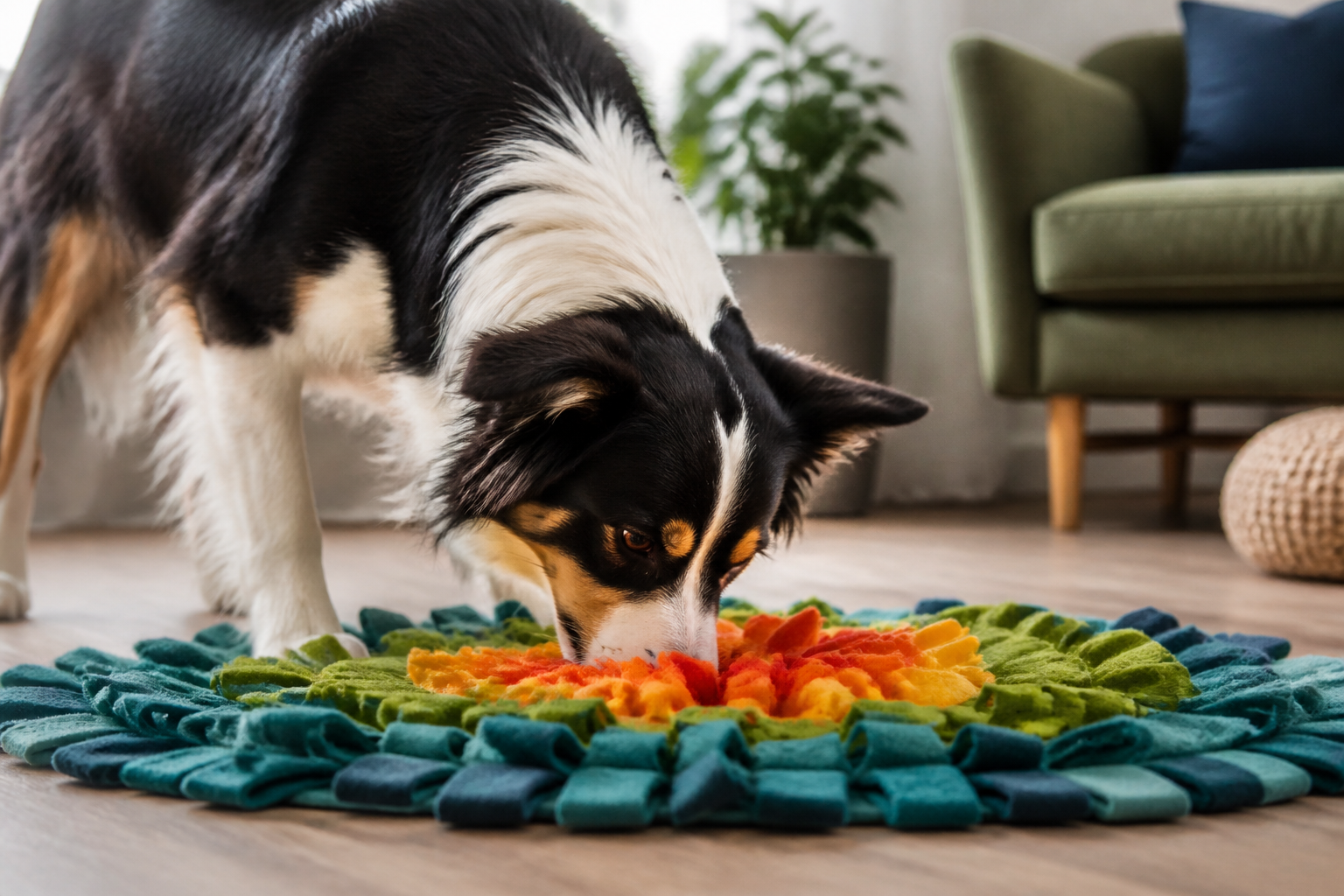
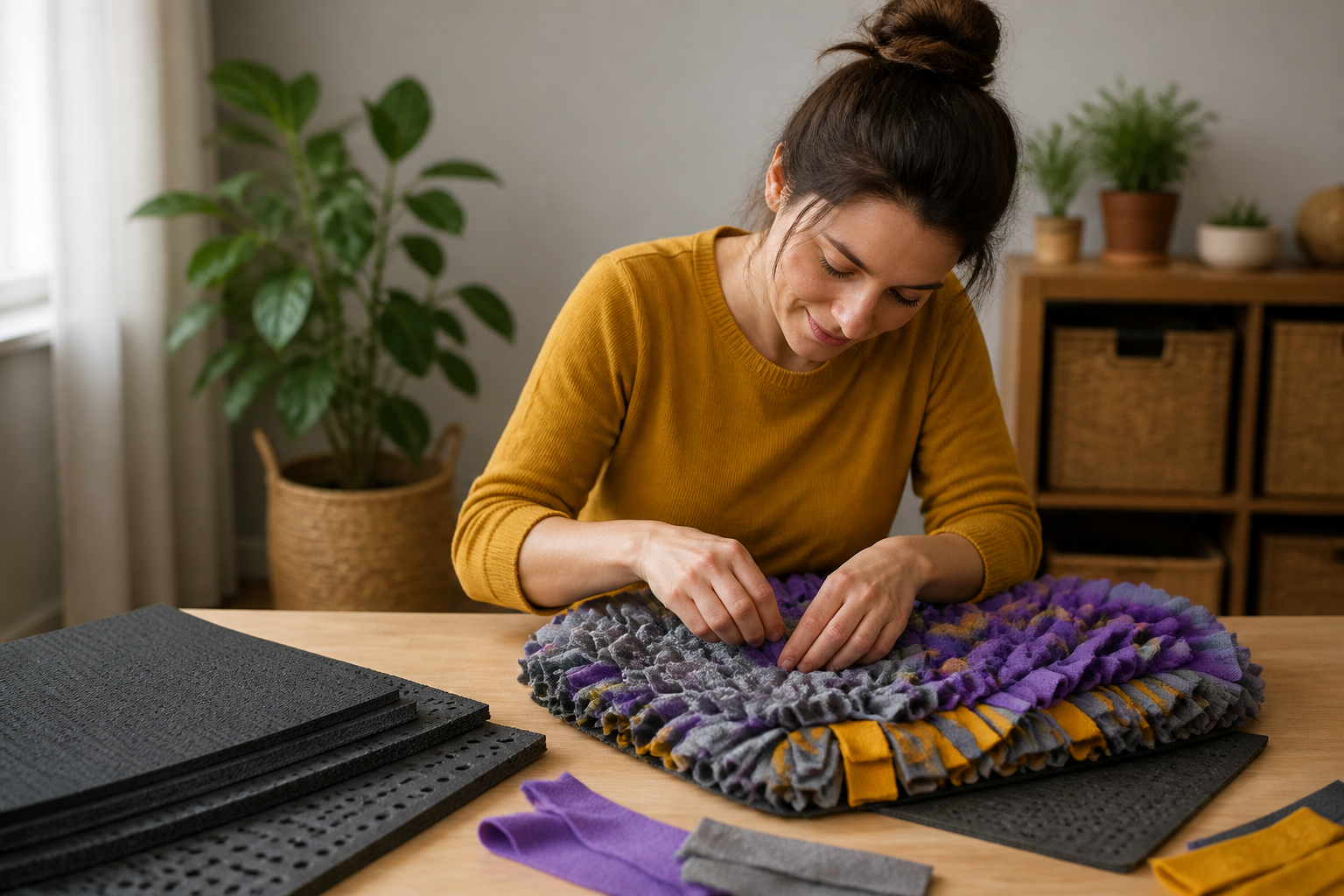
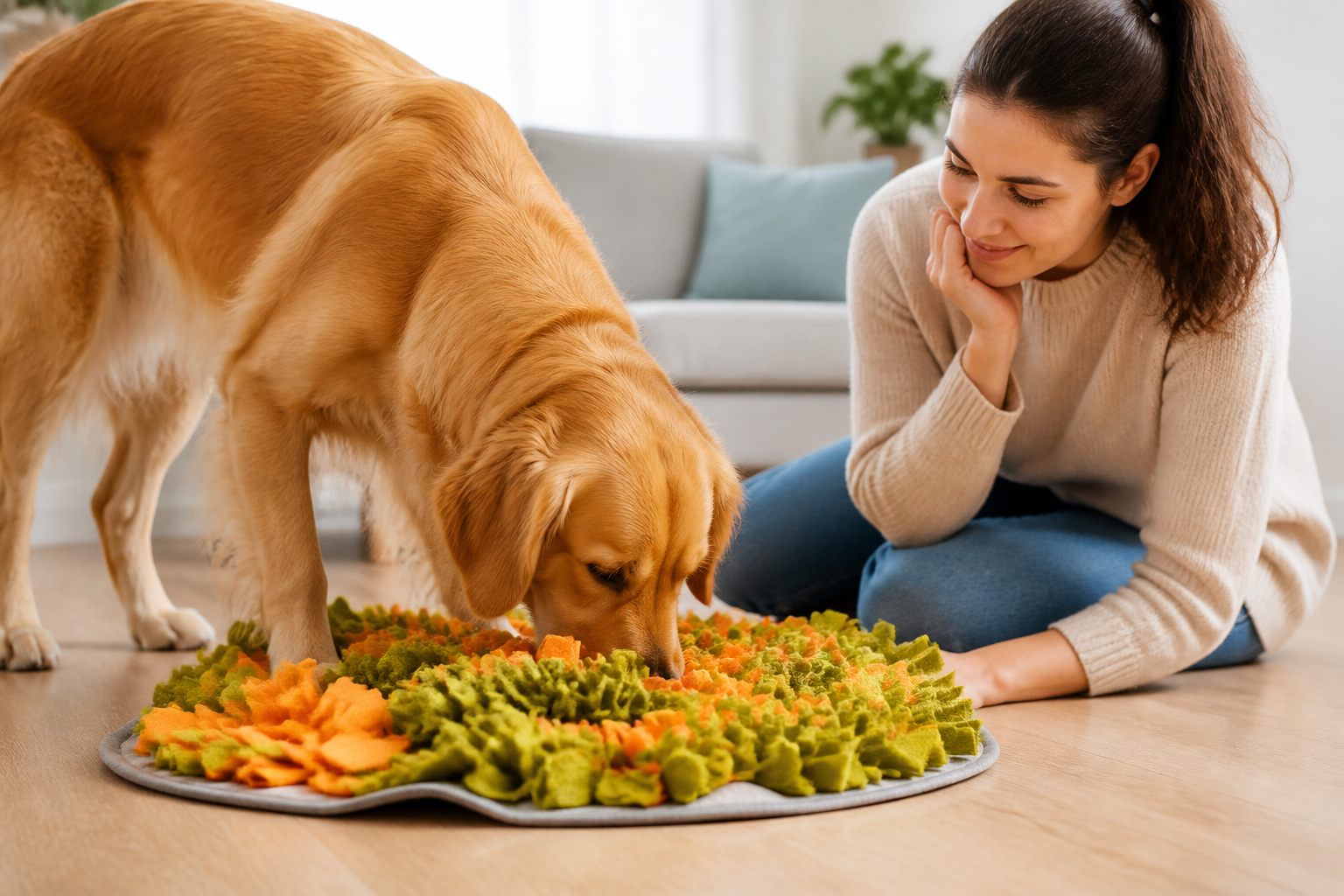
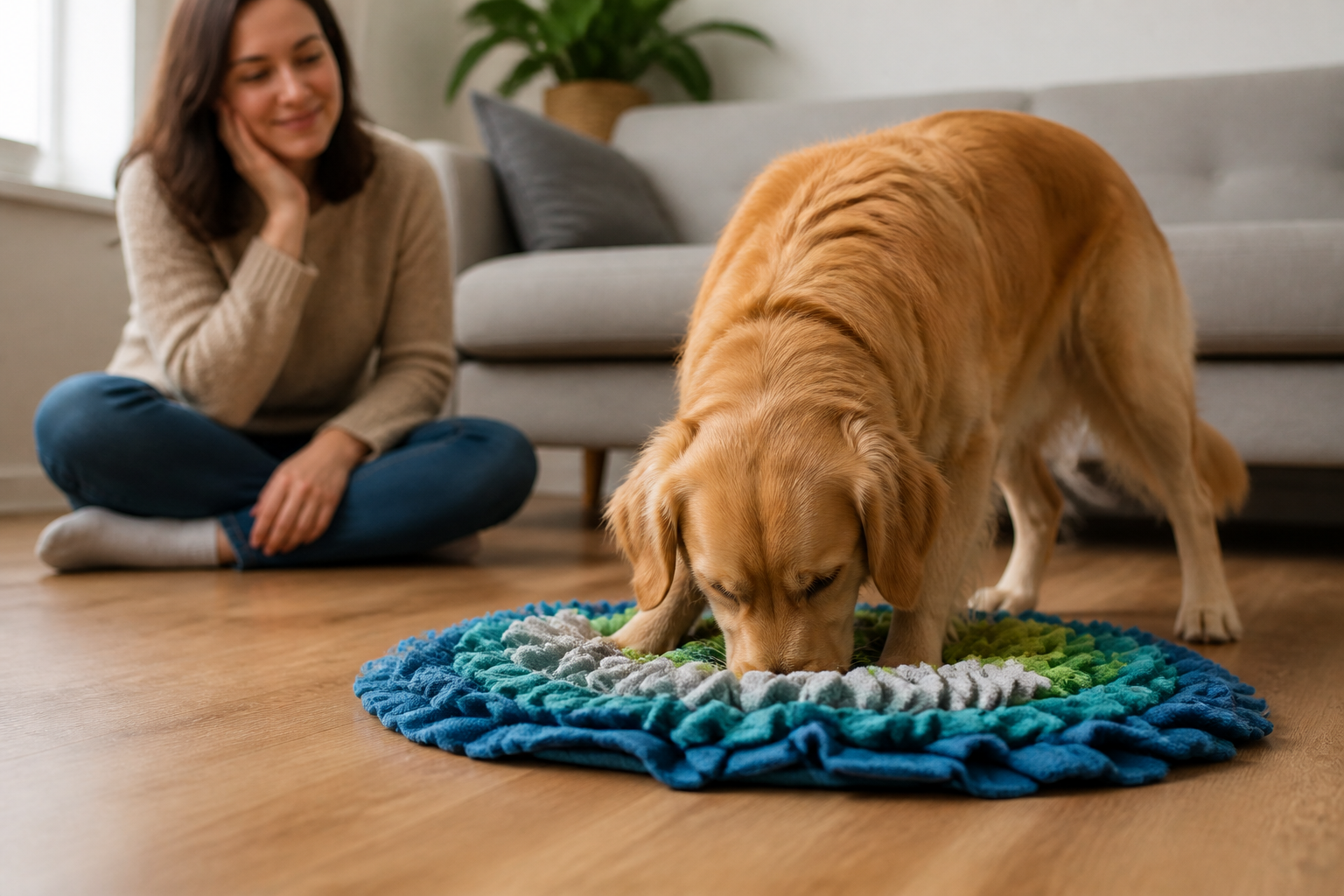
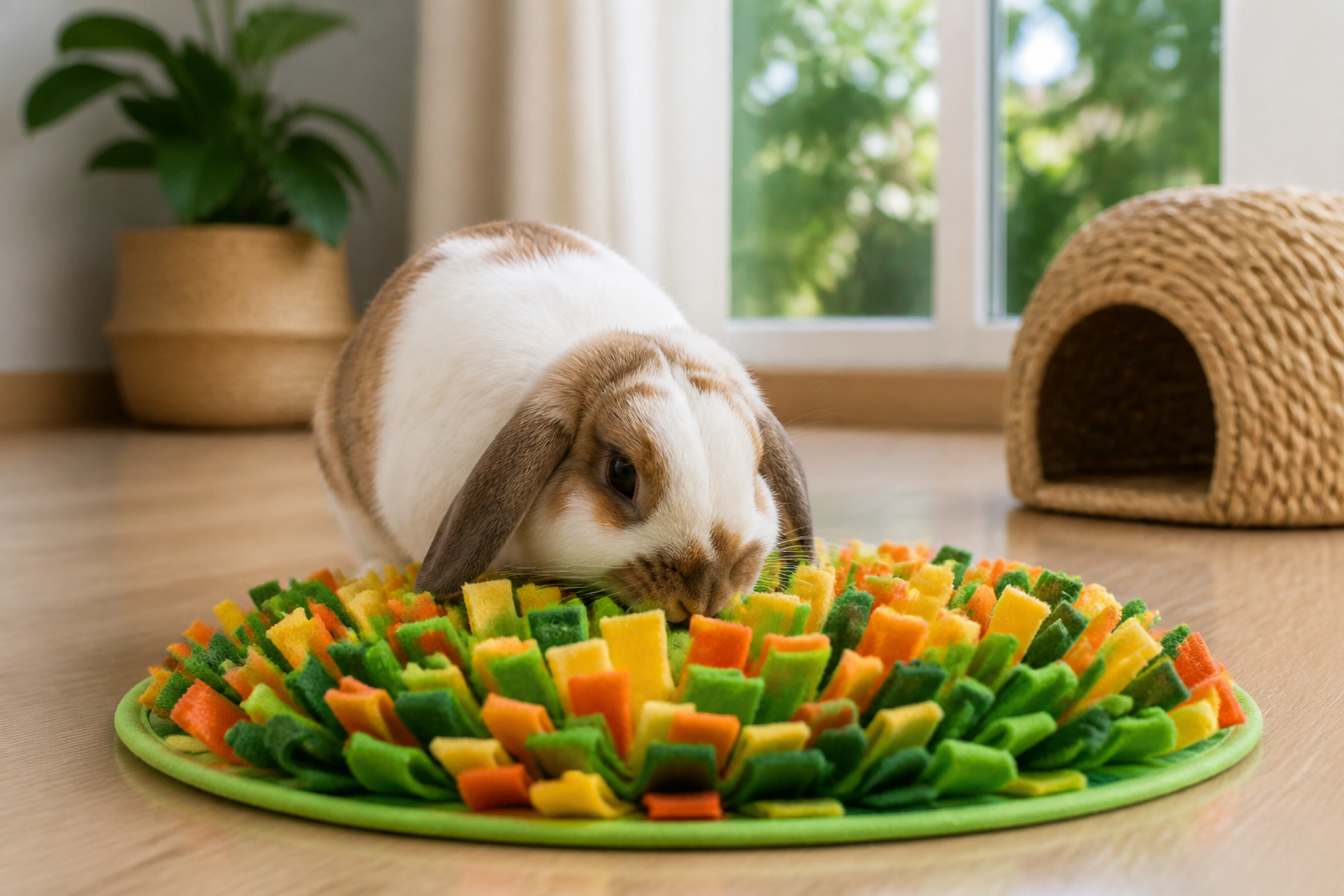
A snuffle mat is a tactile puzzle designed to hide small pieces of food within layers of fabric or natural fibers. Most versions feature a sturdy base with hundreds of felt or fleece strips tied through it. These strips create a thick, shag-carpet effect that hides pellets, dried herbs, or small treats from view. Your rabbit must use their nose to locate the food and their paws or teeth to move the fabric aside.
While these tools started in the canine world, they are arguably more important for small animals. In the wild, rabbits spend the majority of their waking hours searching for food. They do not stumble upon a perfectly filled bowl of pellets in a clearing. They must hunt for specific grasses, roots, and flowers. A snuffle mat mimics this natural environment within the safety of your home. It turns a thirty-second meal into a ten-minute brain teaser.
Quick Answer: A rabbit snuffle mat is a fabric enrichment toy that hides food within layers of fleece or felt. It encourages natural foraging behaviors, slows down fast eaters, and provides mental stimulation to prevent boredom and destructive chewing.
The Natural Instinct to Forage
Rabbits are built to forage. Their whiskers are highly sensitive to nearby objects, and their sense of smell is significantly more powerful than a human's. When a rabbit is restricted to eating from a bowl, these high-level senses go underutilized. This lack of stimulation can lead to lethargy or behavioral issues.
When you hide pellets in a mat, you trigger a sequence of natural behaviors. First, the rabbit catches the scent. Next, they begin "nosing" through the fabric. You will see their nose twitching rapidly as they narrow down the location. Finally, they may use their front paws to dig or their teeth to pull at the fabric to reach the prize. These movements provide light physical exercise and satisfy the urge to dig, which is a core instinct for any burrowing animal.
For more ideas that encourage pets to use their senses indoors, explore indoor enrichment activities.
Addressing Common Mealtime Issues
Many rabbit owners struggle with "vacuum" eaters. If your rabbit inhales their pellets, they are at a higher risk for choking or developing digestive upsets. Rapid eating can also cause conflict in bonded pairs. If one rabbit eats faster than the other, they may move over to the second rabbit's area and start a fight over the remaining food.
Using a snuffle mat forces the rabbit to take one pellet at a time. It is physically impossible for them to gulp down a large amount at once. For bonded pairs, using two separate mats spaced several feet apart ensures that both rabbits stay occupied for the same amount of time. This reduces mealtime competition and allows the slower eater to enjoy their food without stress.
Vet Tip: If your rabbit has a history of dental issues or sensitive digestion, slowing down their intake is crucial. Our pet pharmacy offers prescription diets and medications through our partnership with Pet's Choice to help manage chronic conditions. Always consult your veterinarian if you notice changes in your rabbit's eating habits or stool production.
Benefits for Mental and Physical Health
The benefits of a snuffle mat extend beyond just slowing down a meal. It is a powerful tool for weight management and mental health.
- Weight Control: Because the rabbit is moving and working for each calorie, they burn more energy during mealtime than they would standing still at a bowl.
- Post-Surgery Recovery: If your rabbit is on "cage rest" after a spay or neuter, they cannot run or jump. A snuffle mat provides low-impact mental stimulation that keeps them from getting frustrated while their incision heals.
- Boredom Busting: A bored rabbit is a destructive rabbit. Providing a complex task like foraging reduces the likelihood that they will turn their attention to your furniture.
- Confidence Building: For shy or rescued rabbits, successfully "hunting" for their food can help build confidence in their environment.
For additional ideas focused on mental stimulation and scent-based activities, read this guide to engaging brain games.
Key Takeaway: Foraging is not just a hobby for rabbits: it is a biological necessity. Replacing the food bowl with a snuffle mat satisfies the urge to dig and sniff while preventing common digestive issues.
Choosing the Right Mat: Materials and Safety
When shopping for a mat, the material is the most important factor. Most commercial snuffle mats are made of polar fleece. Fleece is a popular choice because it is durable, soft on the rabbit's nose, and does not fray into long, dangerous strings when chewed. However, some mats use a heavy rubber base with holes. While these are stable, they can be a hazard if your rabbit is an aggressive chewer who might ingest the rubber.
Look for mats with a fabric base or those made from natural materials like seagrass or water hyacinth. These natural bases are often safe for rabbits to nibble on once the food is gone. If you choose a fleece mat with a rubber or plastic base, you must supervise the session. You can also explore our dog toys category for interactive mats and other enrichment options.
Safety Checklist
- Check the edges: Ensure there are no loose threads or long loops that could snag a claw.
- Monitor chewing: If your rabbit starts eating the fabric rather than the food, remove the mat immediately.
- Washability: Choose a mat that is machine washable. Rabbits may occasionally chin the mat to mark it, or hay dust can settle into the fibers.
- Non-slip backing: A mat with a grippy bottom will stay in place while your rabbit digs, preventing frustration.
| Feature | Fleece Mat | Seagrass Mat |
|---|---|---|
| Durability | High (machine washable) | Moderate (disposable) |
| Safety | Requires supervision if chewed | Safe for nibbling |
| Storage | Easy to fold or roll | Rigid and bulky |
| Complexity | High (many layers) | Low (usually just a few pockets) |
Step-by-Step Guide to Using a Snuffle Mat
If your rabbit has only ever eaten from a bowl, they might be confused the first time you set a mat down. You want to make the first few sessions very easy so they do not lose interest.
Step 1: Start with high visibility.
Sprinkle a few pellets directly on top of the fabric strips. Let your rabbit see you put them there. This helps them associate the mat with food immediately.
Step 2: Increase the difficulty.
Once they have cleared the top layer, start tucking the pellets just slightly under the first layer of fleece. They should still be able to see part of the food.
Step 3: Deep hide the rewards.
After a few days of success, push the pellets all the way to the bottom of the mat. Mix in a few high-value items like dried rose petals, hibiscus, or a small piece of dried apple to keep them motivated.
Step 4: Supervise and remove.
Watch your rabbit while they work. Once they have found all the treats, take the mat away. This prevents them from getting bored and starting to chew on the fleece strips. It also keeps the mat "special" so they remain excited for the next session.
For households that regularly purchase enrichment supplies, our Autoship programme can help simplify repeat orders for eligible items.
Bottom line: Gradually increasing the difficulty of the search ensures your rabbit stays engaged without becoming frustrated by the puzzle.
Cleaning and Maintenance
Rabbits are generally clean animals, but a snuffle mat will eventually collect hay dust, fur, and the occasional stray pellet. Most fleece mats can be tossed into the washing machine. Use a fragrance-free, pet-safe detergent, as rabbits have extremely sensitive noses. Strong floral scents can actually discourage them from using the mat.
Air drying is usually better than using a dryer, as high heat can sometimes melt the plastic or rubber components of the base. If you are using a natural seagrass mat, these cannot be washed. If they become soiled, they should be replaced.
Complementary Enrichment Tools
While the snuffle mat is a fantastic tool, it should be part of a larger enrichment strategy. Rabbits enjoy variety. On days when you are not using the mat, you can use other items to encourage similar behaviors.
Stacking cups are a favorite for many owners. You can hide a pellet inside each cup and stack them up. The rabbit has to unstack or knock over the cups to find the food. Willow baskets and balls are also excellent for hiding hay and herbs. At us, we recommend rotating toys every few days. This keeps the environment fresh and prevents the rabbit from becoming "bored" with a specific puzzle.
For more ways to keep indoor pets engaged, see these boredom-busting puzzle and play ideas.
If you are managing a senior rabbit with mobility issues, ensure the mat is placed on a non-slip surface. Senior rabbits may struggle to maintain their footing on hardwood floors while they are busy digging into a mat. Providing a low-profile mat with shorter strips can also make it easier for them to reach the food without straining their neck.
Conclusion
A rabbit snuffle mat is one of the most practical investments you can make for your pet's daily happiness. It transforms the mundane task of eating into an engaging activity that exercises their mind and body. By encouraging these natural foraging instincts, you help prevent boredom, reduce mealtime stress, and support overall digestive health.
Remember to start slowly, supervise your sessions, and keep the mat clean for the best experience. If you are looking for more ways to support your rabbit's health, our pet pharmacy provides a wide range of medications and professional guidance for ongoing care. We are committed to helping you provide the best possible life for your small companions through expert-curated gear and trusted health resources.
- Select a mat made of safe, non-fraying materials like fleece.
- Use the mat to slow down fast eaters and prevent choking.
- Always supervise your rabbit to ensure they do not chew the fabric.
- Rotate the mat with other toys to keep enrichment levels high.
Key Takeaway: Moving from bowl feeding to foraging with a snuffle mat is a simple change that significantly improves a rabbit's quality of life by satisfying their biological drive to search and dig.
FAQ
Can I leave a snuffle mat in the cage overnight?
It is generally not recommended to leave a fabric snuffle mat with a rabbit unsupervised for long periods. If a rabbit becomes bored after finding all the food, they may start chewing and ingesting the fleece or the base material. It is best to use the mat as an interactive tool and remove it once the foraging session is over.
How often should I wash my rabbit's snuffle mat?
You should wash the mat whenever you notice an accumulation of hay dust, fur, or if your rabbit has chinned it excessively. For most owners, a quick wash every two weeks is sufficient. Always use a scent-free detergent to accommodate your rabbit's sensitive sense of smell and air dry to preserve the mat's shape.
What are the best treats to hide in a rabbit snuffle mat?
The best items are small, dry, and fragrant. Your rabbit's daily allotment of high-quality pellets is the perfect base. You can add variety with dried herbs like parsley, cilantro, or dill, and occasionally include small pieces of dried fruit or flower petals like marigolds and roses. Avoid wet foods like fresh berries, as these will make the mat messy and difficult to clean.
Is a snuffle mat safe for a rabbit that chews everything?
If your rabbit is an aggressive chewer, you must be extra cautious. Choose a mat with a natural seagrass base instead of plastic or rubber. Always supervise their use of the mat and take it away the moment they stop sniffing for food and start nibbling on the fabric strips. Providing plenty of safe wooden chew toys alongside the mat can also help redirect that chewing energy.