Save 15% on your 1st Autoship learn more

 Email us
 Live Chat
 FAQs
FAQs





Introduction
It is a rainy Tuesday afternoon and your dog is pacing the living room with more energy than a marathon runner. You have already finished a training session and played a round of indoor tug, but those expectant eyes are still searching for a job to do. This is the perfect moment to bring out a specialized scent tool. At BaxterBoo, we see how much a little nose work can transform a restless pup into a nap-ready companion. This guide will walk you through the specifics of introducing this tool, choosing the right treats, and keeping the activity safe. Using a snuffle mat correctly is about more than just hiding snacks; it is about activating your dog’s natural instincts for a calmer, healthier life.
What is a Snuffle Mat?
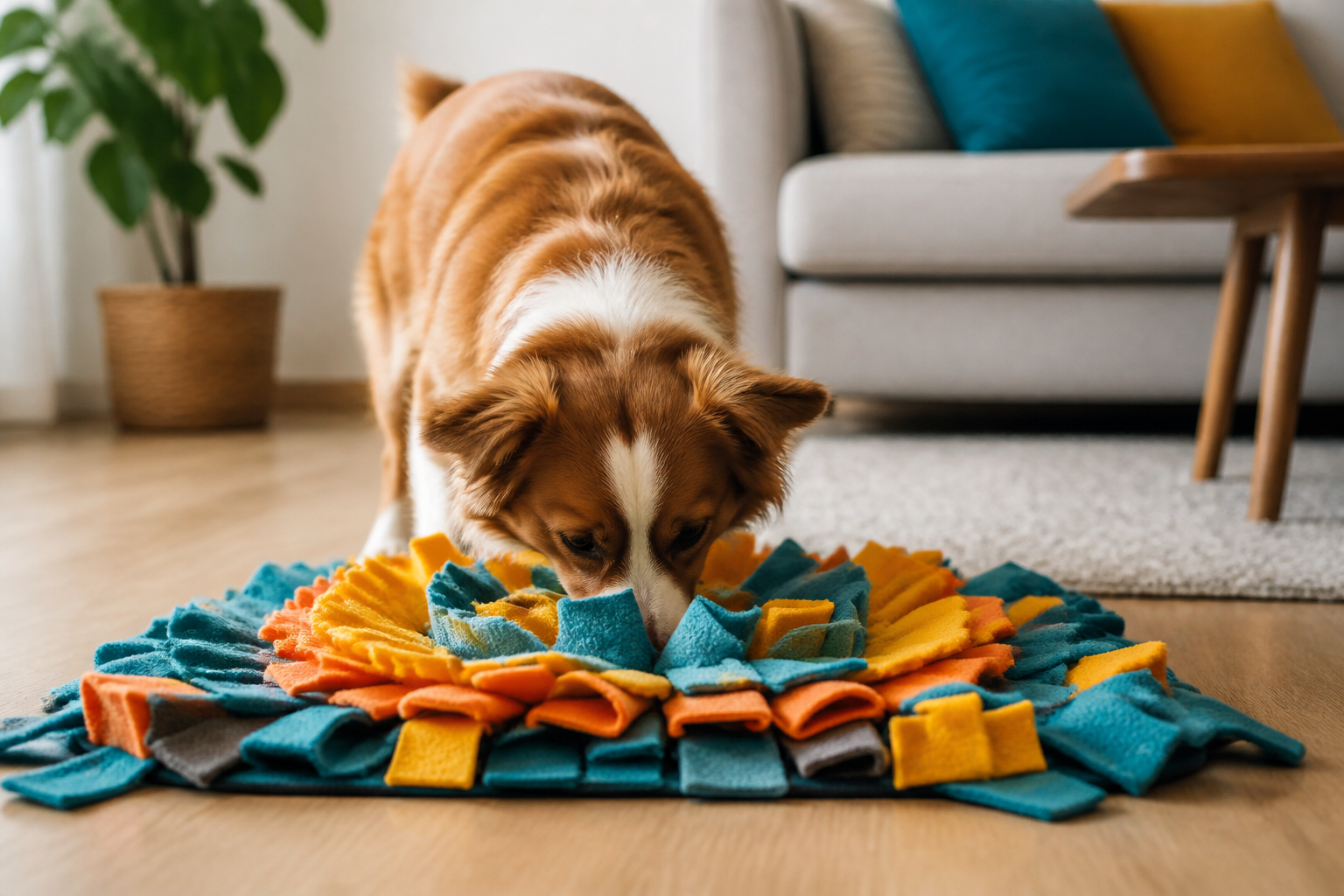
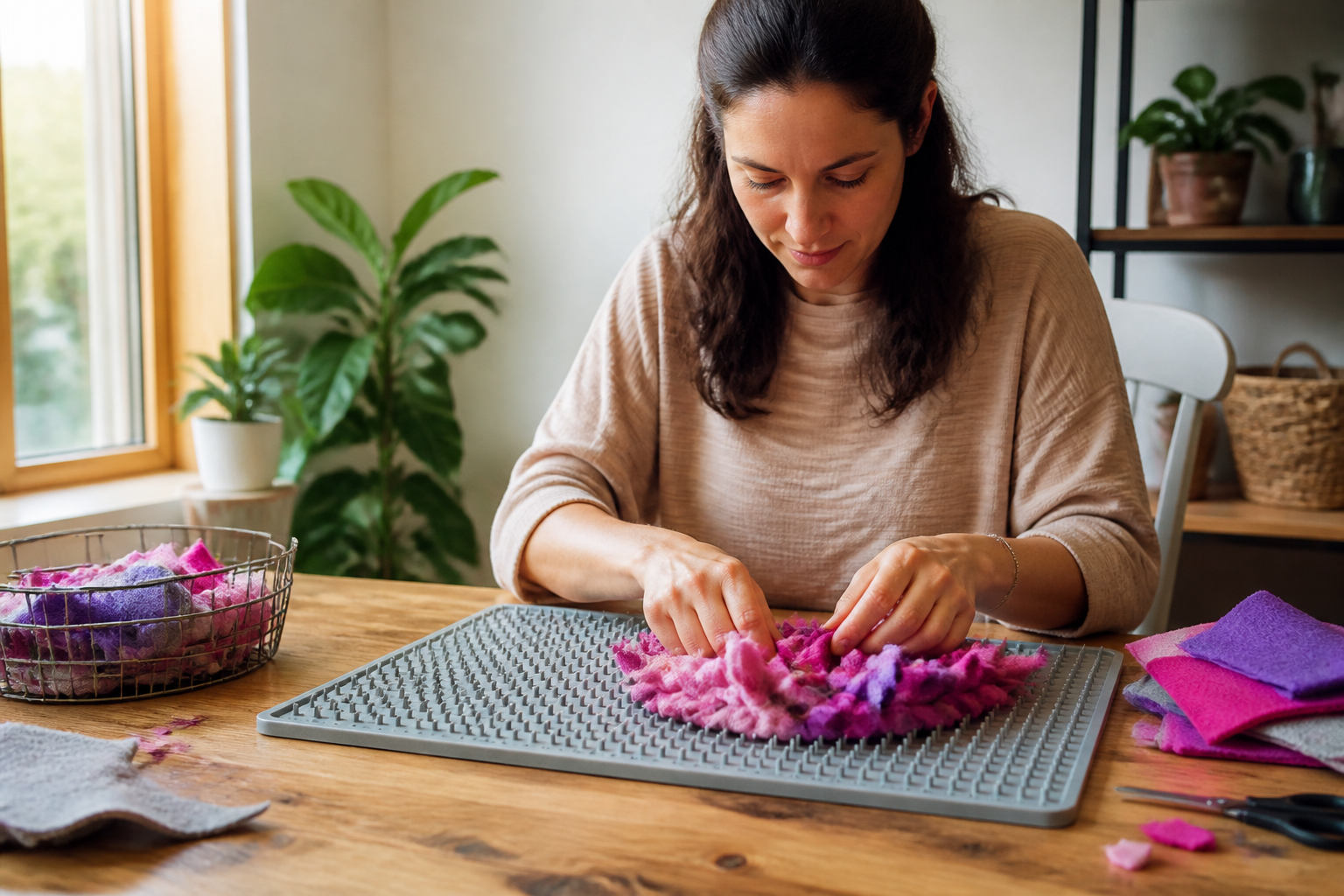
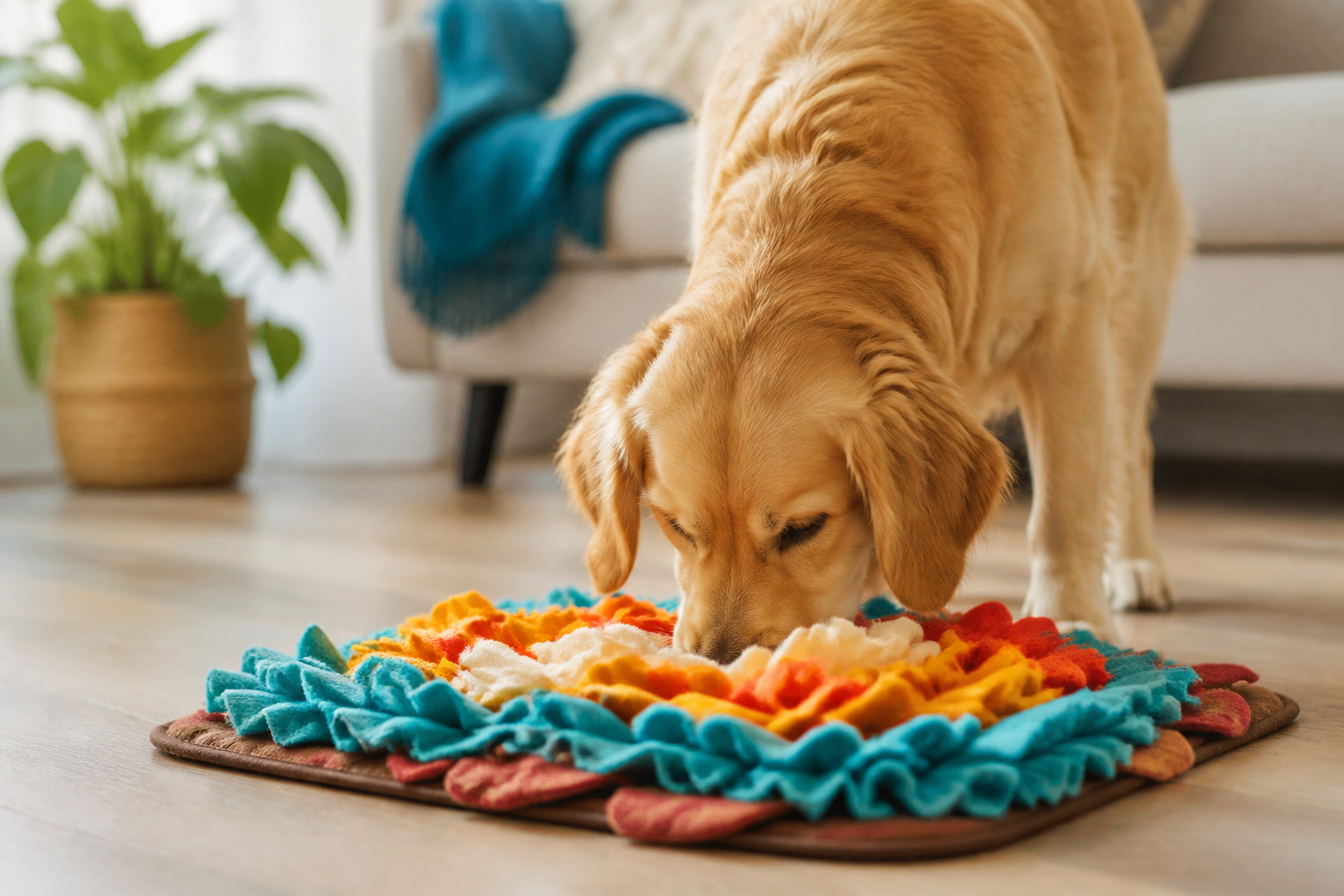
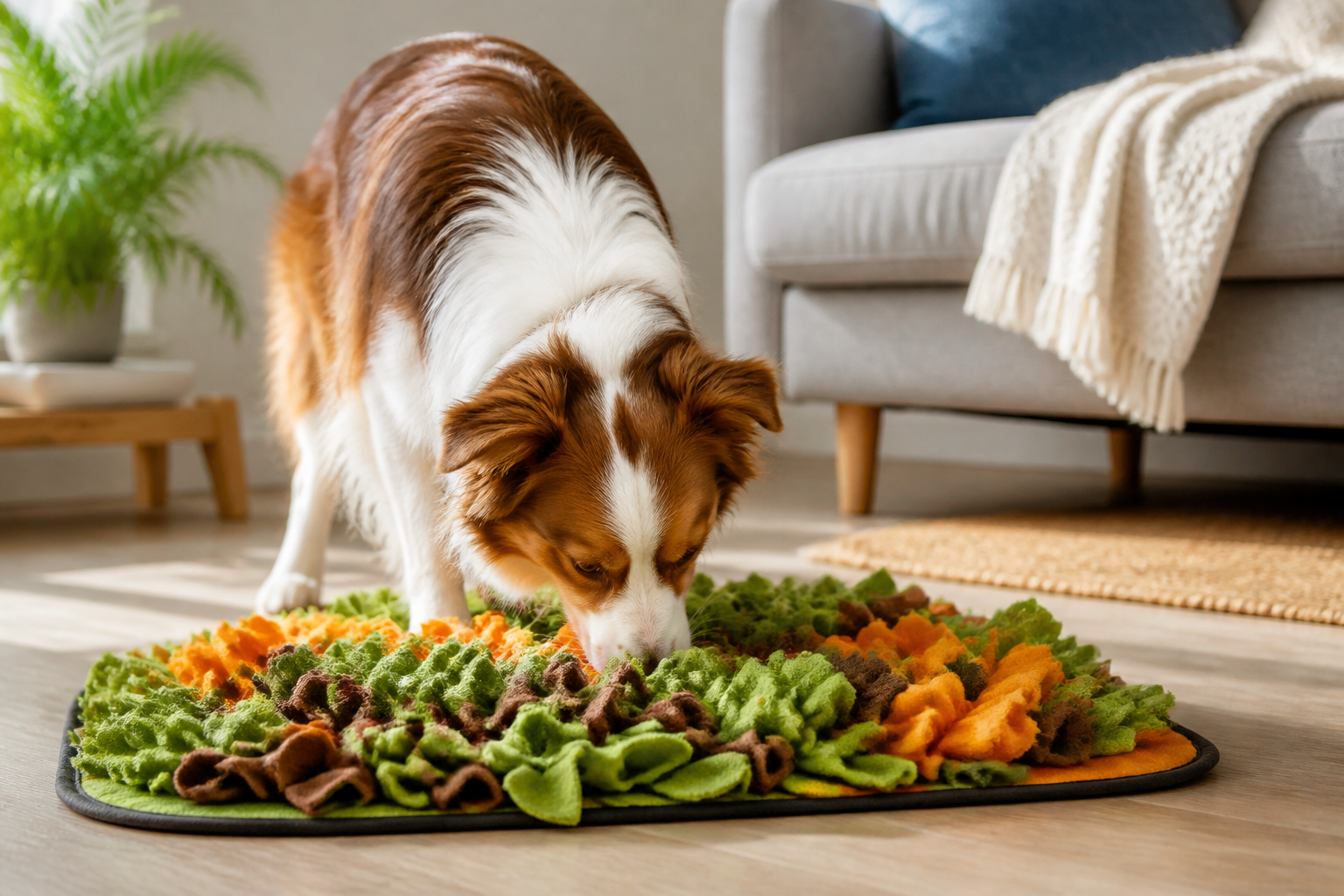
A snuffle mat is a clever enrichment tool designed to mimic the grass and brush where dogs would naturally forage for food. It usually consists of a sturdy rubber or plastic base with hundreds of fabric strips tied through the holes. These strips, typically made of soft fleece, create deep folds and pockets. When you hide dry food or treats inside these layers, your dog must use their nose to find every last bit.
This activity is often called nose work or scent work. It is more than just a game. For a dog, sniffing is the primary way they gather information about their environment. While humans rely heavily on sight, a dog's brain is wired to process smells. Using a mat allows them to use this superpower in a controlled, rewarding way.
Quick Answer: To use a snuffle mat, hide dry treats or kibble deep within the fabric folds and give your dog a "find it" command. Always supervise the session and remove the mat once the treats are gone to prevent chewing.
Why Dogs Need Scent Enrichment
Dogs have an incredible sense of smell that is thousands of times more sensitive than ours. A 2022 study even found that the parts of a dog’s brain responsible for sight and smell are physically connected. This suggests that they literally see the world through their noses. When we only walk them on a short leash or feed them from a standard bowl, we might be neglecting this vital sense.
Scent enrichment provides a mental workout that is often more exhausting than physical exercise. Ten minutes of intense sniffing can be as tiring for a dog as an hour-long walk. This makes it an excellent tool for high-energy breeds, dogs on crate rest after surgery, or senior pets who can no longer go for long hikes. It focuses their energy on a task, which helps lower their heart rate and reduces stress. For more indoor enrichment ideas, explore these dog brain games for mental stimulation.
Step-by-Step: How to Use Snuffle Mat for Dogs
Introducing a new toy can be exciting, but doing it correctly ensures your dog does not get frustrated or destructive. Follow these steps to set your pup up for success.
Step 1: Choose the Right Environment
Place the mat on a non-slip surface like a rug or a yoga mat. This prevents the mat from sliding across the floor while your dog nudges it with their nose. If you have multiple dogs, separate them during this activity. Scent games can sometimes trigger resource guarding, so it is best for each pet to have their own space and their own mat.
Step 2: Start with High Visibility
For the first few sessions, do not bury the treats too deep. Sprinkle a handful of smelly, high-value treats right on top of the fleece strips. You want your dog to succeed immediately so they understand that the mat equals a reward. Use a clear cue like "find it" or "go snuffle" as you place the mat down.
Step 3: Increase the Difficulty
Once your dog understands the game, start tucking the treats under the first layer of fabric. As they get better, you can hide the treats deep at the base of the strips. You can even fold the fabric over the treats or use smaller pieces of food to make the search last longer.
Step 4: Monitor and Supervise
Watch your dog closely while they work. Some dogs might try to pick up the mat and shake it to get the treats out. Others might try to chew on the fleece strips. If you see your dog using their teeth instead of their nose, gently redirect them. If they persist in chewing, pick the mat up and try again later when they are calmer.
Step 5: End the Session Properly
When your dog has found all the food, they might start pawing at the mat in frustration. This is the time to remove it. Use a "trade" by offering a single treat in exchange for the mat. Put the mat away in a spot where your dog cannot reach it. This keeps the item special and prevents it from becoming a chew toy.
Key Takeaway: The goal of a snuffle mat is to encourage sniffing, not chewing. Start with easy-to-find treats and always put the mat away once the session is over.
Selecting the Best Treats for Sniffing
The food you choose can make or break the experience. You want something that smells strong enough to grab their attention but is small enough to hide easily.
- Dry Kibble: If your dog is on a diet or you use the mat for mealtime, their regular kibble is the best choice.
- Freeze-Dried Liver: These treats are extremely smelly and highly motivating for most dogs. You can browse freeze-dried pet food for options.
- Small Training Treats: Look for brands like Zuke's or Blue Buffalo that offer soft, pea-sized bites.
- Crunchy Biscuits: You can break larger biscuits into tiny crumbs to spread throughout the mat.
- Vegetables: For a low-calorie option, try small pieces of carrot or green beans.
Avoid using wet food, peanut butter, or greasy treats in the mat. These will make the fleece strips soggy and can lead to bacteria growth. Save the messy foods for silicone lick mats or rubber toys like those from Kong.
Vet Tip: If you use the mat for daily meals, be sure to measure your dog's food first. It is easy to lose track of calories when you are sprinkling treats into the fabric folds. Overfeeding can lead to weight gain, which puts extra stress on your dog's joints.
Benefits for Senior Dogs and Puppies
Enrichment is important at every stage of life, but it serves specific purposes for very young and very old pets.
For puppies, a snuffle mat is a great way to build confidence. It teaches them to solve problems independently. It also provides a constructive outlet for their curiosity. If a puppy is busy sniffing for treats, they are not chewing on your shoes or the corners of your furniture. You can find more ideas in this guide to indoor enrichment for dogs.
For senior dogs, mental stimulation is a vital part of managing cognitive decline. As dogs age, they may lose their hearing or sight, but their sense of smell often remains strong. Using a mat allows them to stay engaged with the world without needing to run or jump. It is a low-impact activity that keeps their brain sharp.
If you notice your senior dog is becoming more anxious or restless at night, it might be due to age-related changes. Our pharmacy carries specialized supplements and prescription diets through our partnership with Pet's Choice that support brain health in older pets. Combining these with daily enrichment can significantly improve a senior dog's quality of life.
How to Clean and Maintain Your Mat
Because your dog will be drooling on the mat and food particles will get trapped in the fabric, regular cleaning is necessary. Most high-quality mats are designed to be machine washable.
- Check the Label: Ensure your mat is machine safe before tossing it in.
- Shake it Out: Before washing, take the mat outside and shake it vigorously to remove any leftover crumbs or hair.
- Use Gentle Detergent: Wash on a cold or warm cycle with a pet-safe, unscented detergent. Strong perfumes can be overwhelming for a dog's sensitive nose.
- Air Dry: It is usually best to let the mat air dry. High heat in a dryer can sometimes melt the rubber backing or damage the fleece strips.
- Frequency: Aim to wash the mat once a week if it is used daily.
BaxterBoo carries a variety of durable enrichment toys that are easy to maintain. We recommend having at least two mats in your rotation. This way, your dog always has one available while the other is in the wash. Browse our interactive dog toys to compare enrichment options.
Troubleshooting Common Issues
Not every dog takes to a snuffle mat immediately. Here are some common hurdles and how to handle them.
My dog just tries to eat the fabric
This is common with aggressive chewers or dogs that are very food-motivated. If your dog starts ripping at the fleece, say a firm "no" or "oops" and pick the mat up. Wait a minute for them to settle, then put it back down. You may need to keep the treats very visible on top for a while until they learn that the goal is to eat the food, not the toy.
My dog gets frustrated and walks away
If the treats are hidden too deep, your dog might give up. Make it easier. Go back to the beginner stage where the treats are sitting right on top. You can also use a higher-value treat with a stronger smell to keep them interested.
My dogs fight over the mat
Never use one mat for two dogs at the same time. The high value of the hidden treats can lead to tension. Give each dog their own mat in separate rooms or use a baby gate to keep them apart. This ensures everyone has a stress-free experience.
Bottom line: Patience and supervision are the keys to making a snuffle mat a permanent part of your dog’s enrichment routine.
Solving Boredom and Anxiety
Enrichment tools are a powerful part of a behavioral management plan. Many unwanted behaviors, such as excessive barking or digging, stem from boredom. When a dog does not have a job to do, they will find one. Usually, that job involves something you would rather they not do.
Sniffing also has a biological effect on a dog’s nervous system. It triggers the release of dopamine, the feel-good hormone. This is why many trainers recommend using a snuffle mat for dogs with separation anxiety or noise phobias. It gives them a focused task that naturally self-soothes their brain. For more calming enrichment ideas, read about calming toys for dogs.
If your dog’s anxiety is severe, enrichment alone might not be enough. We recommend talking to your veterinarian about a comprehensive plan. Our pharmacy offers FDA-approved medications through Pet's Choice that can help manage chronic stress. These work best when paired with environmental changes like the use of scent mats and consistent training.
Design Features to Look For
When you are shopping for a new mat, keep these features in mind to ensure you get a product that lasts.
- Material Quality: Look for thick, anti-pill fleece. Cheaper felt mats tend to fall apart quickly and can be a choking hazard if the dog swallows the thin fibers.
- Anti-Slip Backing: A mat that stays in one place is much more satisfying for your dog to use. Look for a heavy rubber base or silicone grippers on the bottom.
- Portability: Some mats come with drawstring closures or straps. These allow you to fold the mat into a small bowl or pack it up for travel.
- Complexity: Some mats offer different textures, such as pockets, cups, and long shaggy strips. These provide a varied challenge for experienced sniffers.
At BaxterBoo, we curate our selection of toys to include only those that meet high standards for safety and durability. We know that pet owners want products that can stand up to daily use. Our interactive and treat dog toys offer additional ways to build variety into your dog's routine.
Using a Snuffle Mat for Fast Eaters
If your dog inhales their dinner in ten seconds, they are at a higher risk for digestive upset and a dangerous condition called bloat. Using a snuffle mat as a slow feeder is a practical solution. Instead of a bowl, spread their entire meal across the mat.
This forces them to take one or two pieces of kibble at a time. It extends mealtime from seconds to several minutes. This slower pace allows their stomach to signal the brain that they are full, which can also help with weight management. It also makes mealtime something they have to work for, which provides a sense of accomplishment. For other feeding tools, explore our slow-feeding options.
Expanding Your Enrichment Routine
Once your dog is a pro at the snuffle mat, you can expand their horizons. You can hide the mat inside a cardboard box for an extra layer of difficulty. You can also try a snuffle ball, which is a round version of the mat that rolls around as the dog nudges it.
Remember that variety is important. If you use the same mat with the same treats every single day, your dog might eventually lose interest. Rotate your toys and change up the scent profile regularly. One day you might use salmon treats, and the next you might use a few bits of freeze-dried turkey.
Key Takeaway: Scent work is a journey, not a one-time event. Keep your dog engaged by varying the treats, the mat style, and the difficulty level.
Final Thoughts on Scent Games
Integrating a snuffle mat into your dog’s life is one of the simplest and most effective ways to improve their mental health. It requires very little effort from you but provides a massive reward for them. Whether you have a puppy learning the ropes or a senior dog looking for a gentle way to pass the time, the power of the nose is a tool you should use.
If you are ready to start your enrichment journey, browse our collection of interactive toys. We also invite you to join the MVP Rewards programme, where you can earn points on every purchase to save on future treats and gear. Keeping your pet happy and healthy should be rewarding for you, too.
FAQ
Can I leave my dog alone with a snuffle mat?
It is not recommended to leave your dog unsupervised with any fabric toy. While most dogs use the mat correctly, some may decide to chew or swallow the fleece strips once the treats are gone. Always pick the mat up and store it safely as soon as the session is finished.
Is a snuffle mat good for dogs that do not like treats?
If your dog is not motivated by food, they may not find the mat interesting. However, you can try using a very high-value item with a strong scent, like small pieces of plain boiled chicken. You can also try using their favorite small toy hidden under the layers of fleece to see if they will "hunt" for it.
How often should I wash my dog's snuffle mat?
If you are using it daily with dry treats, washing it once a week is usually sufficient. If your dog drools excessively or if you use treats that leave a residue, you may want to wash it more frequently. Always use a gentle, fragrance-free detergent to protect your dog's sensitive nose.
Can puppies use snuffle mats while teething?
Puppies can certainly use snuffle mats, but you must be extra vigilant. Teething puppies have a strong urge to chew on soft textures to soothe their gums. If your puppy starts gnawing on the fabric instead of sniffing for food, provide them with a proper chew toy and try the mat again later.