
 Save 15% on your 1st Autoship learn more

 Email us
 Live Chat
 FAQs
FAQs





Introduction
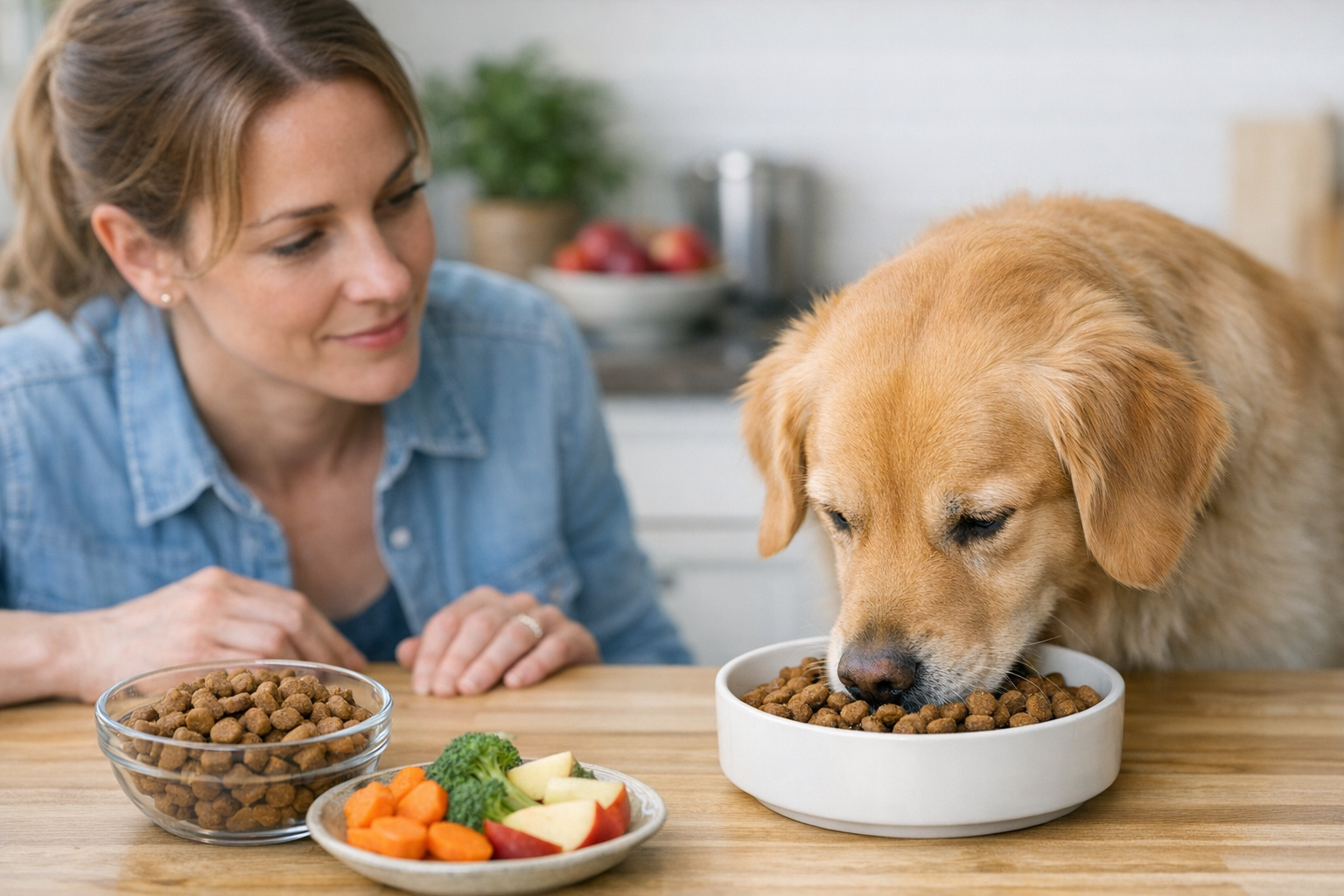
Standing in the dog food aisle can feel like a test of your decision-making skills. You are surrounded by massive bags of kibble, stacks of canned food, and refrigerated rolls, all claiming to be the best for your pet. At BaxterBoo, we hear from owners every day who wonder if sticking to a strictly dry food diet is actually the right move for their dog's long-term health. The good news is that high-quality dry food is an excellent, nutritionally complete choice for the vast majority of healthy dogs, and our dry dog food category is a good place to compare options. It offers specific benefits for dental hygiene, convenience, and weight management that other formats sometimes lack. This article will explore why dry food works, how to choose the best kibble for your pet, and when you might need to supplement it with other options.
What Exactly Is Dry Dog Food?
Dry dog food, commonly known as kibble, is the most popular feeding choice in the United States. It is defined by its low moisture content, which usually sits between 3 percent and 12 percent. This is a stark contrast to wet food, which can be up to 80 percent water. Most kibble is made through a process called extrusion. Ingredients like proteins, grains, vegetables, and fats are mixed into a dough and cooked under high pressure. This dough is then pushed through small holes to create the shapes we recognize.
After the pieces are formed, they are dried to remove moisture. Many manufacturers then spray the kibble with oils or vitamins to ensure it is both tasty and nutritionally balanced. Because it is so concentrated, dry food is very calorie-dense. A small scoop of kibble often contains significantly more energy than a similar volume of wet food. This makes it a very efficient way to fuel active dogs without needing to feed huge physical quantities of food at every meal.
The Practical Benefits of a Dry Food Diet
For many households, the primary reason to choose dry food is convenience. It is easy to store, easy to measure, and does not require refrigeration after the bag is opened. This makes it the ideal choice for families with busy schedules or for dogs that prefer to graze throughout the day. Unlike wet food, which starts to spoil and attract pests if left out for more than 30 minutes, dry kibble stays fresh in the bowl for several hours.
Value is another major factor. Because dry food is concentrated and shelf-stable, it is almost always more cost-effective per serving than canned or fresh options. You are not paying for the weight of water, which allows you to invest your budget into higher-quality ingredients rather than packaging and moisture.
Key Takeaway: Dry food is a concentrated source of nutrition that offers unmatched convenience for storage and multi-dog households.
Supporting Dental Health Through Chewing
One of the most cited reasons for choosing dry food is its impact on oral health. When a dog crunches down on a piece of kibble, the mechanical action can help scrape away plaque from the surface of the teeth. While it is not a replacement for regular brushing or professional cleanings, this daily "scrubbing" can slow the accumulation of tartar.
Some brands we carry, such as our selection of Royal Canin products, design their kibble with specific shapes and textures to maximize this effect. They ensure the kibble does not simply shatter when bitten. Instead, the tooth sinks into the piece, allowing the fibers to clean the tooth surface more effectively. This is particularly important for small breeds that are genetically prone to dental issues.
Vet Tip: While kibble helps with plaque, always have your veterinarian check your dog's teeth annually. If your dog has existing gum disease or missing teeth, they may find hard kibble painful to chew.
Managing Weight and Portions
Obesity is a growing concern for modern pets. Dry food makes it very simple to manage exactly how many calories your dog consumes. Because the pieces are uniform, you can use a standard measuring cup or, even better, a kitchen scale to ensure you are not overfeeding. It is much harder to "eye-ball" portions with wet food or home-cooked meals.
Kibble also works perfectly with enrichment tools. You can put dry food into puzzle toys, snuffle mats, or slow feeders, and our dog toys category is a helpful place to start. This forces your dog to work for their meal, which provides mental stimulation and prevents them from gulping down their food too fast. Slowing down the eating process is helpful for digestion and can prevent the discomfort of a bloated stomach.
When Dry Food Might Not Be the Best Choice
While dry food is "good" for most dogs, there are specific situations where it might need to be adjusted. The biggest drawback of kibble is the lack of moisture. If you have a dog that rarely drinks from their water bowl, a strictly dry diet could lead to dehydration. This is especially concerning for dogs with a history of urinary crystals or kidney issues.
Seniors or dogs with dental pain may also struggle with the hard texture of kibble. If you notice your dog dropping food or hesitating before they eat, they might be experiencing oral discomfort. In these cases, you can soften the kibble with warm water or a low-sodium broth to make it easier to consume while still providing the concentrated nutrition of the dry diet. If your dog has a health condition that needs more targeted support, our dog healthcare category is worth exploring.
How to Identify High-Quality Dry Food
Not all kibble is created equal. To ensure a dry food diet is truly good for your dog, you must look closely at the ingredient label. The first ingredient should always be a specific animal protein, such as chicken, beef, or lamb. Avoid bags that list vague terms like "meat meal" or "animal derivatives" without naming the species.
Check the guaranteed analysis on the back of the bag. This section tells you the minimum percentages of protein and fat. If your dog is very active, they will need higher protein levels. If they are a "couch potato," a lower fat content might be better to prevent weight gain. We stock brands like our selection of Orijen products because they prioritize high-quality ingredients and transparent sourcing.
Checklist for Choosing Kibble
- Specific animal protein listed as the first ingredient.
- No artificial colors or chemical preservatives like BHA or BHT.
- Clear feeding guidelines based on your dog's current weight.
- The bag has an AAFCO statement confirming it is "complete and balanced."
- The bag size allows you to finish the food within 6 weeks of opening.
The Role of Prescription Dry Diets
Sometimes a standard over-the-counter kibble isn't enough to manage a specific health condition. For dogs with severe allergies, chronic kidney disease, or digestive disorders, a prescription dry diet might be necessary. These foods are formulated with precise nutrient levels that can only be safely administered under veterinary supervision.
Our pet pharmacy offers prescription dog and cat medicines and veterinary diet food. If your veterinarian recommends a specific therapeutic food, you can often find it in a dry format. These diets provide the same convenience as regular kibble but with the added benefit of managing a medical condition.
Storing Your Dry Food Properly
One common mistake owners make is pouring the kibble out of the original bag and into a plastic bin. The original bags are specifically designed to keep moisture and oxygen out. When you pour the food out, you expose it to air, which causes the fats to oxidize and turn rancid. This ruins the flavor and can eventually make your dog sick.
The best way to store dry food is to keep it inside the original bag and then place the entire bag into an airtight container. This provides a double barrier against pests and air. Also, try to buy a bag size that your dog can finish within about four to six weeks. Even with perfect storage, the nutritional value of the food starts to decline once the seal is broken.
Step 1: Open the bag / Carefully cut the top of the bag to keep the resealable strip intact if it has one. Step 2: Place inside a container / Set the entire bag into a dedicated pet food storage bin with a gasket seal. Step 3: Scoop and seal / Use a clean scoop for every meal and squeeze the air out of the bag before closing the bin.
Transitioning to a Dry Food Diet
If your dog is currently eating wet food or a different brand of kibble, you must transition them slowly. A sudden change in diet is the fastest way to cause an upset stomach or diarrhea. Their digestive system needs time to adjust to the new protein levels and fiber content.
Start by mixing 25 percent of the new dry food with 75 percent of the old food. Do this for two or three days. If their stool remains firm, move to a 50/50 mix for another few days. Gradually increase the amount of new food until the old food is completely replaced. This process usually takes about a week but can be stretched to two weeks for dogs with very sensitive stomachs. For a related step-by-step guide, see how to switch from dry to wet dog food.
Mixing Wet and Dry Food
You do not have to choose just one. Many owners find that a "best of both worlds" approach works perfectly. This involves using dry kibble as the base of the diet and adding a small amount of wet food as a topper. This adds a boost of hydration and a rich aroma that entices picky eaters.
If you choose to mix, it is vital to watch the total calorie count. It is very easy to overfeed when you are adding "extras" to the bowl. You may need to reduce the amount of kibble slightly to compensate for the calories in the wet food. If your dog is on a weight management plan, talk to your vet about the exact gram amounts for each format to keep them on track. You can also compare both formats in our dog food category before you decide.
Bottom line: Dry food is a healthy, safe, and efficient way to feed your dog as long as you choose a high-quality brand and ensure they stay hydrated.
Common Myths About Kibble
There is a lot of misinformation online about dry food. One common myth is that kibble is "full of fillers." While some low-quality brands do use excess corn or soy, premium dry foods are designed with purposeful ingredients. Grains like oatmeal or brown rice provide essential fiber and energy, while grain-free options use peas or lentils to hold the kibble shape.
Another myth is that dry food causes kidney disease. While it is true that kibble lacks moisture, it does not "cause" disease in a healthy dog that has constant access to fresh water. However, for a dog that already has compromised kidneys, the low moisture content can be a challenge. This is why a vet consult is so important if you notice changes in your dog's drinking or urinating habits. If you want more ways to stretch your budget, the MVP Rewards programme can help you shop smarter.
Summary of Best Practices
To make a dry food diet work for your dog, focus on quality and storage. Look for reputable brands with high meat content and store the food in its original packaging. Keep an eye on your dog's weight and adjust the portion sizes if they start to look a little too round. Always provide multiple sources of fresh, clean water to compensate for the low moisture in the food.
- Choose a brand based on your dog's life stage (Puppy, Adult, or Senior).
- Use the original bag for storage to prevent fats from going rancid.
- Measure every meal with a scale or standard cup to prevent obesity.
- Consider a slow feeder to provide mental stimulation during mealtime.
Key Takeaway: High-quality dry food provides balanced nutrition and dental benefits while remaining the most practical choice for most pet owners.
At BaxterBoo, we want to help you find the perfect fuel for your dog's adventures. Whether you are looking for a high-protein kibble for an active puppy or a specialized senior diet, we have a curated selection of over 500 trusted brands. If your dog has specific health needs that require a prescription, visit our Autoship programme to keep repeat purchases on schedule and see how we can help you manage their wellness with the convenience of home delivery.
FAQ
Can my dog live on a dry food diet alone?
Yes, most dogs can live healthy, long lives eating only high-quality dry food. As long as the food is labeled as "complete and balanced," it contains every vitamin, mineral, and nutrient your dog needs to thrive. The key is ensuring they always have access to plenty of fresh water to stay hydrated.
Is dry food better for a dog's teeth than wet food?
Dry food generally offers better dental benefits because the crunchy texture helps mechanically scrape away plaque. While it is not a substitute for brushing, it does not cling to the teeth the way wet food can. This reduced "stickiness" helps prevent the rapid buildup of tartar and bacteria. For more oral-care ideas, see our dog healthcare category.
Why does my dog seem less excited about dry food?
Dry food lacks the strong aroma and moisture of wet food, which can make it less appealing to some dogs. If your pet is a picky eater, you can try adding a small amount of warm water or a healthy topper to the kibble. This releases the scents of the fats and oils, making the meal much more enticing. You can also find useful storage tips in this guide to keeping dry dog food fresh.
Should I add water to my dog's dry food?
Adding water is a great way to increase your dog's hydration and make the food easier to chew. This is especially helpful for puppies, senior dogs, or pets that tend to bolt their food too quickly. Just be sure to discard any uneaten moistened food after 30 minutes to prevent bacteria growth. If you want to save on recurring meals, our Autoship programme can make reordering easier, and the MVP Rewards programme can add extra value to future purchases.






