
 Save 15% on your 1st Autoship learn more

 Email us
 Live Chat
 FAQs
FAQs





Introduction
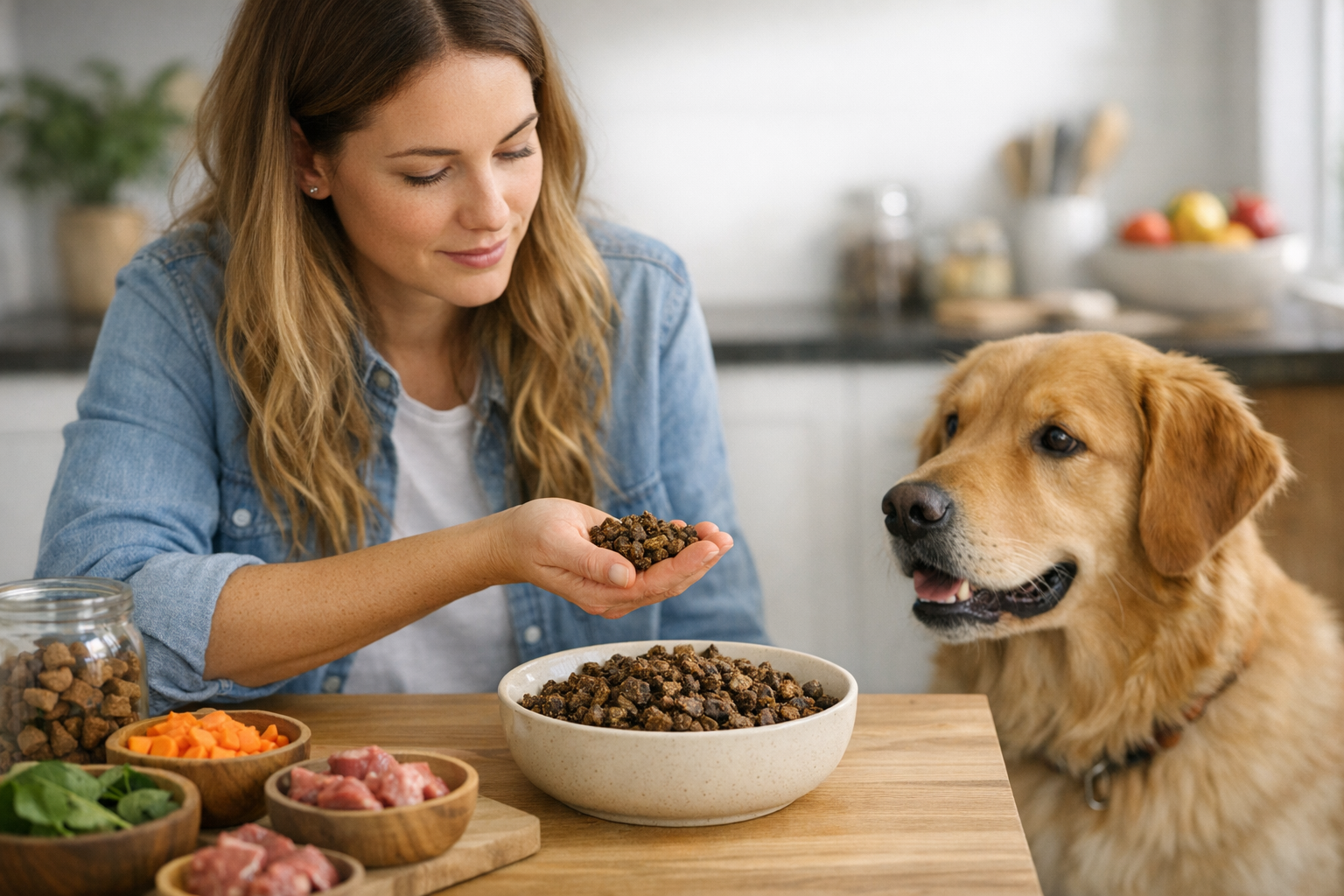
You are standing in the dog food aisle or scrolling through dozens of online options, feeling the pressure of making the right choice for your dog. You want the nutritional punch of a raw diet, but the thought of handling raw meat or clearing out half your freezer feels overwhelming. This is exactly where air dried dog food enters the conversation. It promises the best of both worlds: the convenience of a scoopable kibble with the high protein and nutrient density of raw ingredients.
At BaxterBoo, we know that every pet owner wants to feel confident about what goes into their dog's bowl. If you are ready to browse, start with our air-dried dog food collection. This article explores the safety of air dried diets, how the process works, and which dogs benefit most from this preparation style. We will also cover potential risks like bacterial contamination and moisture levels. You will learn how to identify high quality brands and how to transition your dog safely.
Quick Answer: Yes, air dried dog food is generally safe for healthy dogs when it is produced by reputable brands that follow AAFCO standards. It undergoes a gentle heating process that reduces pathogens while preserving more nutrients than traditional high heat kibble.
What Exactly Is Air Dried Dog Food
Air drying is a preservation method that has been used for centuries to keep meat fresh without refrigeration. In the context of modern pet food, this process involves taking raw ingredients like muscle meat, organ meat, and vegetables and placing them in a drying chamber. Warm air circulates around the food for several hours or even days.
This low and slow method gently evaporates the moisture from the ingredients. Unlike traditional kibble, which is made using a process called extrusion that involves extreme heat and pressure, air drying stays at lower temperatures. This protects the delicate proteins, vitamins, and natural enzymes that can be destroyed by the intense heat of a standard oven.
The result is a food that is shelf stable and has a texture similar to jerky. It is much more nutrient dense than kibble, which means the serving sizes are usually smaller. You are essentially getting a concentrated version of the raw ingredients without the mess of a standard raw diet.
The Safety Question: Pathogens and Bacteria
The most common concern about air dried food is whether it carries the same risks as raw feeding. Because the food is not "cooked" in the traditional sense, some pet owners worry about Salmonella or E. coli. While the risk is not zero, the air drying process is designed to significantly reduce these threats.
Most premium brands use a combination of temperature control and moisture reduction to make the environment inhospitable for bacteria. When moisture levels drop below a certain point, most harmful pathogens cannot survive or reproduce. Many manufacturers also use additional safety steps, such as high pressure processing, to ensure the food is safe for both the dog and the people handling it.
However, air dried food is still considered a "minimally processed" product. It is generally safer than completely raw meat, but it may not be as sterile as canned food that has been heated to very high temperatures. For most healthy adult dogs, this is perfectly fine.
Vet Tip: If you have a dog with a severely compromised immune system or if there are immunocompromised humans in your household, consult your veterinarian before switching to a minimally processed diet. Traditional cooked diets or prescription foods from our pet pharmacy might be a safer choice in these specific cases.
Key Benefits of an Air Dried Diet
The primary reason pet owners choose this food is the nutritional payoff. Because the ingredients are not subjected to high heat, the amino acids remain intact. This makes the protein highly bioavailable, meaning your dog's body can actually use more of what they eat.
- High digestibility: Most dogs produce smaller, firmer stools on air dried diets because there are fewer fillers.
- Palatability: Even the pickiest eaters usually love the jerky-like texture and intense meaty aroma.
- Concentrated nutrition: You can feed smaller portions while still meeting all your dog's caloric and nutritional needs.
- Dental health: The firm texture of many air dried pieces can help mechanically scrub teeth as the dog chews.
Many brands we carry at BaxterBoo, such as Ziwi Peak, focus on limited ingredient lists. This makes air dried food an excellent option for dogs with food sensitivities. When there are only a handful of ingredients, it is much easier to avoid specific allergens like corn, wheat, or soy.
Potential Drawbacks to Consider
While there are many positives, air dried food is not a perfect solution for every single dog. The biggest factor for many owners is the cost. Because it takes a large amount of raw meat to produce a small amount of finished air dried food, the price per bag is higher than standard kibble.
Another factor is hydration. The air drying process removes almost all the water from the food. If your dog does not drink much water on their own, a strictly dry diet could lead to dehydration or urinary issues. Many owners choose to add a splash of warm water or bone broth to the bowl to help with this.
Finally, air dried food is very calorie dense. It is incredibly easy to overfeed your dog because the scoop looks so small compared to what you might be used to with kibble. This can lead to rapid weight gain if you are not careful with measuring.
Key Takeaway: Air dried dog food is a high quality, nutrient dense option, but it requires strict portion control and attention to your dog's total daily water intake.
Who Should Choose Air Dried Food
This diet style is particularly beneficial for several types of dogs. If you have an active working dog or an athlete, the high protein levels support muscle recovery and sustained energy. The concentrated calories mean they do not have to eat a massive volume of food to stay fueled.
Senior dogs with fading appetites often respond well to air dried food. The strong smell of the meat can entice a dog that has lost interest in standard kibble. Since the pieces are often softer than hard biscuits, they are also easier on aging teeth and gums.
If you travel frequently with your dog, air dried food is a lifesaver. You get the nutritional benefits of a raw diet without needing a cooler or a freezer. It is lightweight, takes up very little space, and stays fresh in its original packaging.
Comparing Air Dried to Other Options
It is easy to confuse air dried food with freeze dried or dehydrated options. While they all look somewhat similar, the processes are quite different. If you want to compare the broader shelf-stable options, our freeze-dried dog food category is a helpful next stop.
| Feature | Air Dried | Freeze Dried | Dehydrated |
|---|---|---|---|
| Process | Warm air circulation | Freezing then vacuum pressure | Low heat over long periods |
| Texture | Soft, jerky-like | Light, airy, porous | Leathery or hard |
| Prep | Ready to serve | Usually needs rehydration | Often needs rehydration |
| Storage | Shelf stable | Shelf stable | Shelf stable |
Air dried food is often seen as the most convenient because it does not require you to wait for the food to soak up water before your dog can eat it. It also tends to be denser and less "dusty" than freeze dried options.
Identifying High Quality Air Dried Brands
Not all bags of food are created equal. When shopping at BaxterBoo or your local pet store, look for a few specific indicators of quality. The first ingredient should always be a clearly named animal protein like "beef," "lamb," or "mackerel." Avoid brands that use vague terms like "meat meal" or "animal derivatives."
Check for an AAFCO (Association of American Feed Control Officials) statement on the back of the bag. This ensures the food is "complete and balanced" for your dog's specific life stage. Some air dried products are intended only as toppers or treats and will not have this statement. If you plan to make it your dog's primary meal, that AAFCO label is mandatory.
We carry several trusted names that excel in this category. If you want a deeper look at one of the most popular brands in this space, explore our Stella & Chewy's selection. They prioritize ethical sourcing and rigorous safety testing, which gives you peace of mind regarding the bacterial concerns mentioned earlier.
Bottom line: Always check for a named protein source and an AAFCO completeness statement to ensure the food is suitable as a daily diet.
How to Transition Your Dog Safely
Switching to a nutrient dense food too quickly is a recipe for an upset stomach. Because air dried food is so much richer than kibble, the transition should be slow and steady. For a step-by-step refresher on changing foods, see our guide to transitioning your dog to a new food. Follow these steps for a successful switch:
Step 1: Mix the foods. / Start by mixing 25 percent of the new air dried food with 75 percent of the old food for the first three days. Step 2: Watch the stool. / Monitor your dog's bathroom habits. If you see any signs of diarrhea, slow down the transition. Step 3: Increase the ratio. / If everything looks good, move to a 50/50 split for the next three days. Step 4: Finalize the switch. / Move to 75 percent air dried food for another three days before switching completely.
During this time, pay close attention to your dog's weight. You may need to adjust the serving size based on their activity level. Most bags provide a feeding guide, but these are just starting points. Every dog's metabolism is different.
Safety for Large Breed Puppies
If you are raising a large breed puppy, you have to be extra careful with air dried food. These puppies need a very specific ratio of calcium to phosphorus to ensure their bones do not grow too quickly. Some air dried foods are very high in minerals because they include ground bone.
Always check the packaging to see if the food is formulated for the growth of large breed puppies (those expected to be over 70 pounds as adults). If the bag does not specifically mention large breeds, it may not be the safest choice for your growing pup. When in doubt, our pharmacy team can help you find prescription growth diets through our partnership with Pet's Choice if your veterinarian recommends a more controlled nutritional path.
Storage and Handling Tips
One of the biggest selling points of air dried food is its shelf stability, but that does not mean it lasts forever. Once a bag is opened, the fats in the meat are exposed to oxygen. Over time, this can lead to rancidity, which affects the taste and the nutritional value.
- Keep the food in its original bag. Most air dried foods come in high quality, resealable pouches designed to block out light and air.
- Store it in a cool, dry place. Avoid the cabinet above the stove or the humid garage.
- Use the bag within 30 to 60 days of opening. This ensures your dog gets the freshest nutrients possible.
- Wash your hands after handling. Even though the food is processed for safety, it is still a meat product. Standard hygiene should always apply.
If you find that your dog is taking a long time to finish a large bag, consider buying smaller bags. This ensures the food stays as fresh as possible from the first scoop to the last. For more freshness tips, our dry dog food storage guide is a useful follow-up.
When to Consult a Professional
Dietary changes can sometimes mask or trigger underlying health issues. If your dog has chronic kidney disease, for example, the high protein and low moisture of an air dried diet might put too much strain on their system. Conversely, a dog with severe skin allergies might find total relief on a limited ingredient air dried plan.
We always recommend talking to your veterinarian before making a major change to your pet's nutrition. They can perform blood work to ensure your dog's organs are healthy enough for a high protein diet. If your dog has specific medical needs, our pharmacy offers a wide range of FDA approved medications and specialized prescription diets through Pet's Choice to help manage chronic conditions alongside a high quality diet. If you are comparing age-specific nutrition, our senior dog food collection can also help you narrow the right fit.
Vet Tip: If your dog experiences persistent vomiting, lethargy, or a total loss of appetite after switching foods, stop feeding the new diet and contact your vet immediately. These could be signs that the food is too rich or that there is an underlying sensitivity.
Conclusion
Air dried dog food is a safe, highly nutritious, and convenient option for many households. By choosing the "low and slow" method, you provide your dog with a meal that is closer to nature while maintaining the safety standards necessary for a modern home. While the initial cost may be higher than kibble, the benefits of high digestibility and superior nutrient retention often lead to a healthier, happier dog with a shinier coat and better energy levels.
Remember to:
- Transition slowly over 7 to 10 days.
- Monitor your dog's weight and water intake.
- Choose brands with AAFCO completeness statements.
- Ensure proper storage to maintain freshness.
If you are ready to upgrade your dog's nutrition, browse our full collection of premium air dried foods at BaxterBoo. You can also save on future orders with our Autoship programme and earn points with the MVP Rewards programme. Whether you are looking for a complete meal or a high value topper, we have the expertly curated options your dog deserves.
FAQ
Is air dried dog food better than kibble?
Air dried food is generally considered more nutrient dense because it is processed at lower temperatures than kibble. This helps preserve natural enzymes and proteins that high heat extrusion can destroy. However, kibble is often more affordable and may be better for dogs that need lower protein or higher fiber levels.
Do I need to add water to air dried dog food?
You do not have to add water because the food is designed to be fed as is. However, adding a small amount of warm water or broth can help with hydration and make the food even more aromatic for picky eaters. This is especially helpful for dogs that do not drink much water throughout the day.
Can air dried dog food cause diarrhea?
Any sudden change in diet can cause digestive upset, including diarrhea. Because air dried food is very rich and high in protein, it can be a shock to a dog's system if not introduced slowly. Always follow a 7 to 10 day transition period to allow your dog's gut bacteria to adjust.
How long does a bag of air dried dog food stay fresh?
Most air dried dog food will stay fresh for about 30 to 60 days after the bag has been opened, provided it is sealed tightly and stored in a cool place. Always check the manufacturer's specific recommendations on the packaging. Unopened bags usually have a shelf life of a year or more.






