
 Save 15% on your 1st Autoship learn more

 Email us
 Live Chat
 FAQs
FAQs





Introduction
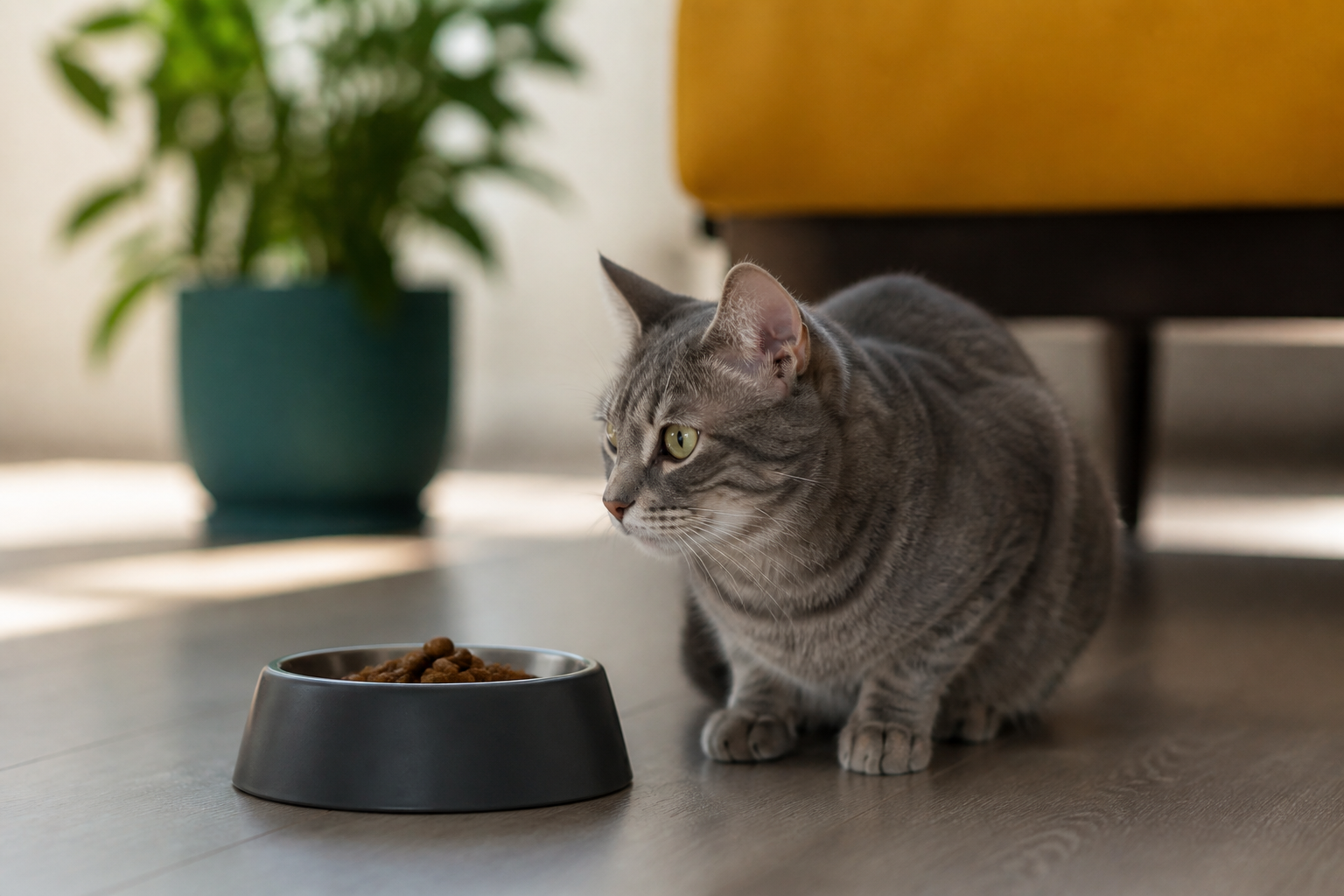
You walk into the kitchen to find your cat's head buried deep inside the dog's food bowl. The sound of crunching kibble fills the room as your feline friend happily samples the neighbor's dinner. While it might look like a harmless snack, many pet owners worry if this habit is dangerous. At BaxterBoo, we talk to owners every day who manage multi-pet households where food stealing is a constant battle. This article explains the biological differences that make dog food unsuitable for cats and what happens if they eat it long-term. You will learn about the specific nutrients cats lack when they skip their own meals. While a few stolen bites are not an emergency, relying on dog food can lead to serious health issues. We are here to help you understand feline nutrition so your pet stays healthy and strong. If you want to compare cat-specific formulas, start with our cat food category.
Quick Answer: A few bites of dry dog food are generally safe and non-toxic for cats. However, dog food lacks the high protein, taurine, and specific vitamins cats need to survive. Long-term feeding of dog food can cause heart failure, blindness, and severe malnutrition.
The Biological Reality of the Obligate Carnivore
The main reason cats cannot eat dog food is found in their biology. Cats are obligate carnivores. This means their bodies are physically designed to process animal tissue as their primary source of energy. They require specific amino acids and vitamins that are only found in meat. Their digestive tracts are shorter than those of dogs. This allows them to process proteins quickly but makes them less efficient at breaking down heavy plant matter.
Dogs are classified as omnivores. They have more flexible digestive systems that can handle a variety of animal and plant sources. Because of this, dog food often contains more grains, vegetables, and plant-based fillers. While these ingredients provide energy for a dog, they do not offer the concentrated nutrition a cat requires. A cat eating dog food is essentially eating a diet that ignores their most basic biological needs.
Why Cats Need Higher Protein Levels
Protein is the building block of every cell in a cat's body. Cats use protein not just for muscle but also as their main source of energy. Most standard dry dog foods contain between 18 and 26 percent protein. This is perfectly healthy for a dog. However, cats typically need a diet that is much higher in protein. Most experts recommend at least 30 to 35 percent protein for adult cats.
When a cat eats dog food, they are often filling up on carbohydrates and fats without getting enough protein. This can lead to muscle wasting. The cat may look like they are maintaining weight, but their body is actually breaking down its own muscle tissue to get the amino acids it needs. This is especially dangerous for senior cats who already struggle to maintain muscle mass.
Key Takeaway: Cats require significantly more protein from animal sources than dogs. Feeding a cat dog food consistently will result in a protein deficiency that can damage their internal organs.
The Essential Role of Taurine
Taurine is an amino acid that is vital for feline health. Most mammals can create their own taurine within their bodies. Dogs are one of those mammals. Because dogs make their own, most dog food manufacturers do not add extra taurine to their formulas. Cats are different. They cannot synthesize enough taurine on their own. They must get it directly from their food.
If a cat eats dog food for an extended period, they will become taurine deficient. This leads to several devastating health conditions:
- Dilated Cardiomyopathy (DCM): The heart walls become thin and weak, making it hard for the heart to pump blood.
- Central Retinal Degeneration: This leads to irreversible blindness.
- Immune System Failure: The cat becomes more susceptible to infections and illnesses.
- Digestive Issues: Taurine helps the body process fats, so a deficiency can lead to chronic stomach upset.
Every brand of cat food we carry, such as Orijen, is formulated with specific taurine levels to prevent these issues.
Vitamin A and the Feline Eye
Vitamin A is another nutrient where dogs and cats differ. Dogs can take beta-carotene from plants and turn it into Vitamin A. Cats do not have the enzyme necessary to make this conversion. They need "pre-formed" Vitamin A, which is found in animal proteins like liver.
Dog food often relies on plant-based sources for Vitamin A precursors. While this works for your Labrador, your Siamese will slowly starve for this vitamin. A lack of Vitamin A leads to poor skin health, a dull coat, and night blindness. In severe cases, it can lead to total loss of vision. If you notice your cat has a greasy coat or seems to be bumping into furniture at night, a nutritional gap might be the cause.
Vet Tip: If your cat has accidentally eaten a large amount of dog food or has been eating it for several days, watch for signs of lethargy or dull eyes. It is always best to consult your veterinarian to check for nutritional deficiencies before they become permanent.
Essential Fatty Acids and Arachidonic Acid
Fatty acids are important for keeping a cat's skin healthy and their inflammation levels low. One specific fatty acid, arachidonic acid, is essential for cats. Dogs can produce this acid in their livers. Cats cannot. Because dogs produce it naturally, dog food rarely contains supplemental amounts of it.
Without enough arachidonic acid, a cat’s body cannot properly regulate inflammatory responses. This can lead to skin problems, poor blood clotting, and issues with the reproductive system. Cats also need niacin, another B vitamin that they cannot produce from other nutrients. While dog food has some niacin, it is rarely enough to meet the high demands of a cat's metabolism.
Taste Buds and Palatability
There is a reason why dogs are usually more interested in cat food than the other way around. Cats have about 470 taste buds. Dogs have around 1,700, and humans have nearly 9,000. Cats cannot taste sweetness at all. This makes them much more focused on the smell and the protein content of their food.
Cat food is specifically engineered to be highly palatable. It has a strong scent and a rich flavor profile to entice a cat to eat. Dog food is often much blander. Most cats find dry dog food boring and unappetizing. If your cat is actively seeking out the dog's bowl, it might be due to curiosity or a desire for a different texture. However, they will likely tire of it quickly because it does not provide the "flavor hit" they are used to.
Comparison of Nutritional Needs
| Nutrient | Cat Requirement | Dog Requirement |
|---|---|---|
| Protein | Very High (30%+) | Moderate (18-26%) |
| Taurine | Must be added to food | Body produces its own |
| Vitamin A | Must come from animal source | Can come from plants |
| Arachidonic Acid | Must be added to food | Body produces its own |
| Carbohydrates | Minimal needed | Can be used for energy |
Calorie Density and Weight Management
Cat food is generally more calorie-dense than dog food. This is because cats have smaller stomachs and higher metabolic rates relative to their size. They need to get more energy out of smaller portions. Dog food is often bulkier and contains more fiber to help dogs feel full.
If a cat were to eat dog food exclusively, they would have to eat a huge volume of it to get the calories they need. This can lead to bloating and digestive discomfort. On the other hand, if a cat eats just a little dog food, they might not get enough calories to maintain their energy levels. This is why you often see cats on improper diets looking thin but having a "pot-belly" from the excess fiber and carbs.
What to Do if the Cat Eats Dog Food
If you catch your cat in the dog bowl, do not panic. A single meal of dog food is not toxic. It will not cause immediate poisoning. The danger is entirely in the long-term repetition. If your cat steals a few kibbles once a week, they will likely be fine. However, you should still take steps to discourage the behavior.
Step 1: Check the ingredients. / Look at the dog food bag to see if it contains any ingredients that might upset your cat's stomach, like heavy grains or artificial dyes. Step 2: Monitor for upset stomach. / Some cats have sensitive systems and may experience vomiting or diarrhea after eating food they are not used to. Step 3: Provide fresh cat food. / Ensure your cat has access to their own high-quality food so they are not searching for alternatives.
Bottom line: One-off incidents of dog food consumption are safe, but consistent feeding leads to malnutrition and disease.
Managing Multi-Pet Households
Feeding time can be chaotic when you have both dogs and cats. To prevent the cat from eating dog food, you need a plan. Many owners find success with scheduled feeding times rather than leaving food out all day. This is called "free-feeding," and it is the most common way cats end up eating things they should not.
Consider these strategies:
- Elevated Feeding: Feed your cat on a counter or a sturdy cat tree where the dog cannot reach.
- Microchip Feeders: These specialized bowls only open for a specific pet's microchip. They are excellent for stopping food thieves.
- Separate Rooms: Close the door during mealtime so each pet can eat in peace.
- Pick Up the Bowls: Once the dog is done eating, pick up any leftover kibble immediately.
We carry a variety of bowls and feeding accessories at us that can help make these transitions easier for your home. For more tips on keeping meals organized, our post on how to keep dogs out of the cat’s food bowl is a helpful companion read.
The Importance of High-Quality Feline Diets
Choosing the right food for your cat is the best way to keep them out of the dog's bowl. When a cat is getting all the nutrients they need from a delicious source, they are less likely to scavenge. Look for foods where a specific animal protein is the first ingredient. Brands like Farmina, Tiki Cat, and Wellness offer formulas that mimic a cat's natural prey diet.
Our warehouse in Vernon Hills is stocked with over 500 brands, and we handpick every product. We look for high protein levels, added taurine, and healthy fats. We want to make sure that when you buy from us, you are getting food that supports your cat's long-term wellness. If you are comparing wet and dry options, our dry cat food collection is a useful place to browse.
When to See a Veterinarian
If your cat has been eating dog food for more than a few days, a vet visit is a good idea. They can run blood tests to check for taurine levels and organ function. Some cats may have developed underlying conditions that require a specific diet to fix.
This is where our pet pharmacy can be a lifesaver. Through our partnership with Pet's Choice, we offer a full range of FDA-approved prescription pet foods and medications. If your vet prescribes a specialized diet like Farmina Vet Life or Royal Canin for a heart or kidney condition, you can fulfill that prescription through us. We make it easy to get the medical nutrition your cat needs delivered right to your door.
If you want a deeper look at therapeutic diets, our post on veterinary diet food basics is a smart next step.
Vet Tip: Never try to "fix" a nutritional deficiency by giving human vitamins to a cat. Human supplements often contain levels of minerals that are toxic to pets. Always follow your veterinarian's specific dosing and brand recommendations.
The Impact of Life Stages
A kitten eating puppy food is even more dangerous than an adult cat eating dog food. Kittens are in a period of rapid growth. They need intense levels of protein and fat to develop their brains and bones. Puppy food is formulated for a dog's growth rate, which is very different. Feeding a kitten dog food can lead to permanent stunted growth and bone deformities.
Senior cats also have unique needs. They often struggle with kidney health and need highly digestible proteins. Dog food is often too hard for senior cats to chew and too difficult for their aging kidneys to process. No matter the age of your cat, they deserve food that is tailored to their specific life stage.
Bottom line: Puppies and kittens have vastly different growth requirements, making cross-species feeding especially risky for young animals.
Summary of Key Differences
The reason we emphasize the "cat food for cats" rule is simple. Cats are precision-engineered predators. Their bodies have zero room for compromise when it comes to specific nutrients. While a dog can survive on a subpar diet for a while, a cat will show signs of decline much faster. By sticking to high-quality cat brands and keeping the dog food out of reach, you are investing in years of health for your feline companion.
- Cats need animal-sourced Vitamin A.
- Cats require taurine to prevent heart failure.
- Cats need high protein levels to maintain muscle.
- Dogs are omnivores; cats are obligate carnivores.
- Dog food lacks the calorie density cats require.
Conclusion
Sharing a home with both dogs and cats is a joy, but it requires careful management at mealtime. While your cat might be curious about the dog's dry food, it is clear that their biological needs are not being met by those ingredients. At BaxterBoo, we have been helping pet owners navigate these challenges since 2006. We offer everything from premium kibble to specialized prescription diets through our pharmacy.
If you are worried about your cat's nutrition, the best next step is to ensure they are on a high-quality, cat-specific diet. You can earn points on every bag of food through the MVP Rewards programme. For the most convenience, consider setting up our Autoship programme. This ensures you never run out of cat food, which is the most common reason people reach for the dog's bag in the first place. Keeping your pets fed the right food is the simplest way to show them you care.
FAQ
Can a cat die from eating dog food?
A cat will not die from eating a small amount of dog food once or twice. However, if a cat is fed only dog food for several weeks or months, they can develop life-threatening conditions like heart failure or severe malnutrition. The lack of taurine is the most common cause of death in cats forced to eat dog diets.
Why does my cat prefer the dog's food over their own?
Cats are naturally curious and may be attracted to the different texture or smell of the dog's food. Sometimes, if a cat's own food is not fresh or is low in quality, they might scavenge for anything else available. Using an airtight container for your cat food can help keep it smelling fresh and appealing.
Is wet dog food safer for cats than dry dog food?
Neither wet nor dry dog food is suitable for cats long-term. While wet dog food might have more animal protein than some dry kibbles, it still lacks the essential taurine, Vitamin A, and arachidonic acid that cats need. Regardless of the texture, dog food is not formulated for feline health. If you want to compare cat-friendly options, our Wellness canned cat food and Tiki Cat wet cat food are both strong examples.
What should I do if I run out of cat food and the stores are closed?
If you are in a pinch for one night, a small serving of dog food is better than a completely empty stomach. You can also offer a bit of plain, cooked chicken or fish with no seasonings. However, you should get proper cat food as soon as possible and consider using an Autoship service so you never run out again.






