
 Save 15% on your 1st Autoship learn more

 Email us
 Live Chat
 FAQs
FAQs





Introduction
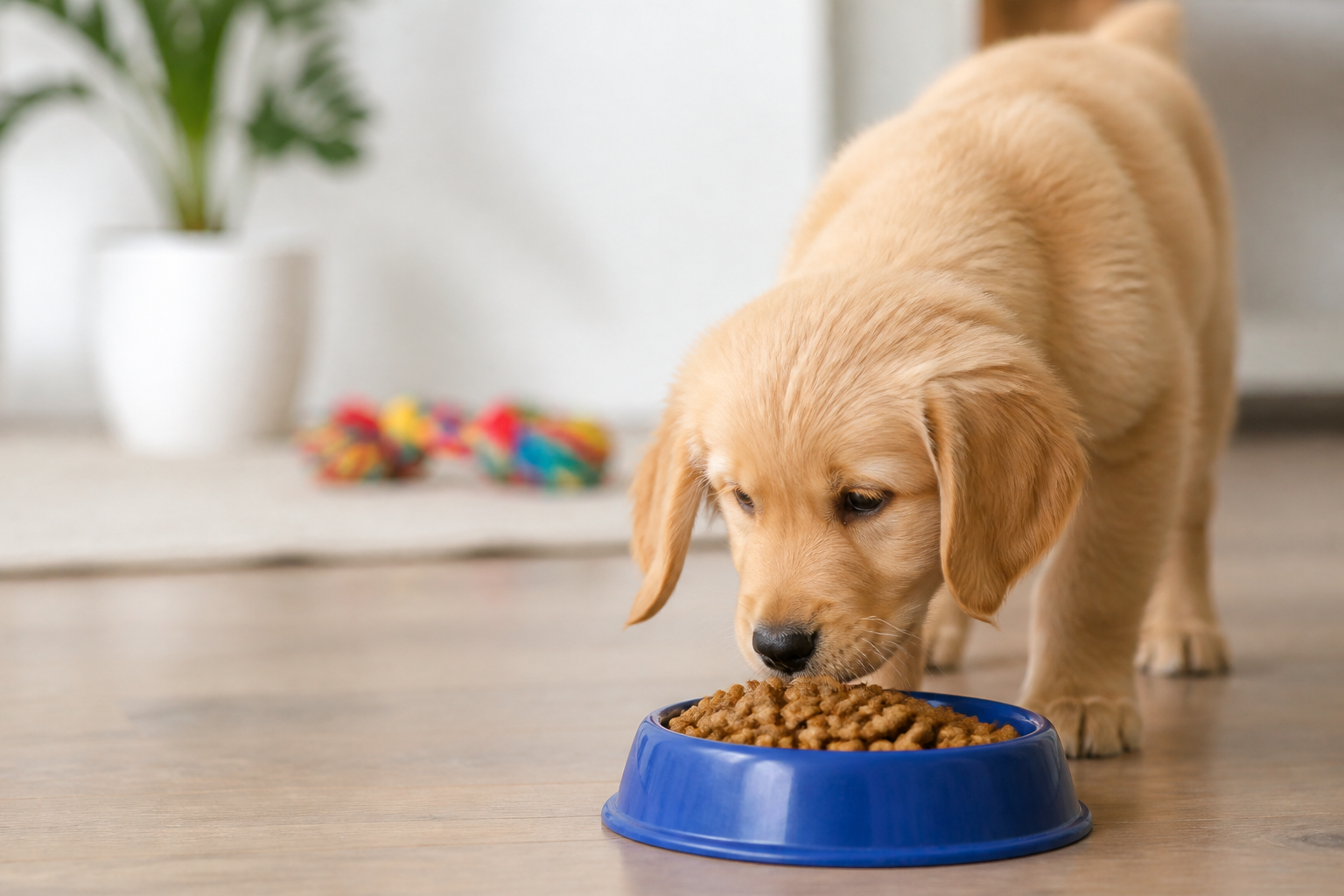
You finally brought home your new puppy and finished the first round of cuddles. Now you are standing in the pet food aisle or browsing our site, looking at dozens of colorful bags of kibble. It is a big moment for any new pet owner. You want to make sure those hard little nuggets provide everything a growing dog needs for strong bones and a sharp mind. At BaxterBoo, we talk to pet owners every day who wonder if dry food is actually the best choice for a young pup. This guide explains why dry food is often the preferred choice for growth, how it differs from adult food, and what to look for on the label. We will help you understand how to pick a high quality diet that sets your puppy up for a long and healthy life.
Quick Answer: Yes, dry dog food is an excellent choice for puppies as long as it is specifically formulated for their life stage. Quality puppy kibble provides the concentrated calories and balanced minerals needed for rapid growth and development.
Why Dry Food is a Common Choice for Puppies
Most veterinarians and breeders recommend dry food as the foundation of a puppy diet. One of the main reasons is nutrient density. Puppies are like tiny athletes. They burn an incredible amount of energy just by growing. Dry food is processed to remove most of the water, which means every bite is packed with protein, fats, and minerals.
Dry kibble is also very convenient for the busy life of a new puppy owner. You can leave it in a bowl for a short period without it spoiling. It is easy to measure, which helps you keep track of exactly how many calories your pup gets each day. This is important because overfeeding can lead to rapid growth, which can stress a puppy's developing joints.
Another benefit involves cost and storage. Since dry food has a long shelf life and is more concentrated, it is usually more budget friendly than feeding an all wet food diet. You can buy larger bags and store them in airtight containers. This allows you to spend your extra budget on things like training classes or high quality chew toys.
Key Takeaway: Dry food offers a concentrated source of nutrition that supports the high energy needs of growing puppies while providing convenience for the owner.
How Puppy Kibble Differs from Adult Food
You might be tempted to just buy the same bag of food for your puppy that your older dog eats. However, puppy food is not just adult food in smaller pieces. The nutritional profile is completely different. Puppies require a much higher percentage of protein to build new muscle and tissue. They also need more fat to fuel their constant movement and growth.
The mineral balance is the most critical part. Specifically, the ratio of calcium to phosphorus must be precise. If a puppy gets too much or too little calcium, their bones can grow too fast or become brittle. This is especially true for large breed puppies like Great Danes or Labradors. Adult dog food often lacks the specific levels of DHA, which is an omega-3 fatty acid found in mother's milk. DHA is essential for brain development and helps your puppy learn commands faster during training.
Comparison of Nutrient Needs
| Nutrient | Puppy Requirements | Adult Requirements |
|---|---|---|
| Protein | Higher (approx. 22-32%) | Lower (approx. 18-25%) |
| Fat | Higher for energy | Moderate for maintenance |
| Calcium | Strictly balanced for bone growth | Flexible for maintenance |
| DHA | Essential for brain/eyes | Not strictly required |
| Calories | High density | Lower density |
The Dental Health Benefits of Crunchy Kibble
One of the long standing arguments in favor of dry food is its effect on dental health. When a puppy chews on crunchy kibble, the mechanical action helps scrape away a small amount of plaque from the teeth. While it is not a replacement for regular tooth brushing, it can help slow down the buildup of tartar.
Puppies also go through a teething phase where they want to chew on everything. The hard texture of kibble can be satisfying for a puppy with sore gums. It provides a different sensory experience than soft, mushy wet food. Some owners find that their puppies are more satisfied after a meal of dry food because they actually had to work a little bit to chew it.
Bottom line: The crunch of dry food provides a minor dental benefit and can satisfy a puppy's natural urge to chew during their teething months.
Using Kibble for Training and Enrichment
Puppies need a lot of mental stimulation. If they get bored, they tend to find trouble in the form of chewed shoes or table legs. Dry food is the perfect tool for keeping their brains busy. Because the pieces are small and dry, you can use them as training treats throughout the day. This prevents you from overfeeding high calorie commercial treats.
You can also put dry kibble into puzzle toys or slow feeders. Instead of eating from a bowl in thirty seconds, your puppy has to move a toy around to get the food out. This mimics natural foraging behavior and tires them out mentally. It is a great way to feed breakfast when you are getting ready for work.
- Use a portion of the daily kibble for crate training rewards.
- Hide kibble around a room for a "scent game" to build confidence.
- Load a rubber toy with kibble to keep the puppy occupied during quiet time.
- Carry a handful of kibble on walks to reward good leash behavior.
Understanding the Ingredients List
When you look at a bag of dry food, the first few ingredients tell you the most about the quality. You want to see a specific meat source listed first, such as chicken, beef, or lamb. Avoid bags that list vague terms like "meat by-products" as the primary ingredient.
Whole grains like brown rice, oatmeal, or barley are excellent sources of energy and fiber. These grains help your puppy feel full and provide the fuel they need for zoomies around the backyard. Some owners prefer grain-free options, but it is worth noting that most veterinarians suggest grain-inclusive diets unless your puppy has a diagnosed allergy. Grains provide essential nutrients that support heart health.
What to Look for on the Bag
- AAFCO Statement: Look for a phrase saying the food is "complete and balanced" for growth or all life stages.
- Specific Protein: Chicken, turkey, or fish should be at the top of the list.
- DHA Sources: Ingredients like fish oil or flaxseed.
- Probiotics: These support a healthy gut, which is important for puppies with sensitive stomachs.
- Antioxidants: Ingredients like blueberries or vitamin E to help build a strong immune system.
The Importance of Hydration with Dry Food
Dry food only contains about 10 percent moisture. In contrast, wet food can be up to 80 percent water. This means that if you feed a strictly dry diet, your puppy must drink plenty of water from a bowl to stay hydrated. Puppies are prone to getting distracted and might forget to visit the water dish.
Always make sure your puppy has access to clean, fresh water. If you notice your puppy is not drinking much, you can add a splash of warm water to the kibble. This creates a bit of a gravy and releases the aroma of the food, which often makes it more appealing. Adding water also softens the kibble, which is helpful for very young puppies who are still transitioning from nursing.
Vet Tip: If your puppy seems lethargic or has very dark urine, they might be dehydrated. Always keep a water bowl near their feeding area and consult your veterinarian if you have concerns about their fluid intake.
Large Breed vs. Small Breed Kibble
Not all puppies grow at the same rate. A Chihuahua puppy will reach its adult weight much faster than a Great Dane. Because of this, many dry food brands offer breed-size specific formulas. Small breed kibble usually has smaller pieces that are easier for tiny mouths to manage. It is also more calorie-dense because small dogs have very high metabolic rates.
Large breed puppy food is formulated to slow down growth slightly. It has a lower calorie count and a very specific calcium-to-phosphorus ratio. If a large breed dog grows too fast, their bones can become weak, leading to conditions like hip dysplasia later in life. We carry many specialized brands like Royal Canin and Farmina that offer these specific size formulas.
Note: Feeding a large breed puppy food meant for small breeds can lead to orthopedic problems. Always match the food to your puppy's expected adult size.
Transitioning and Mixing Food
If you decide to change your puppy's food, never do it all at once. A sudden switch can lead to an upset stomach and messy accidents on your carpet. Their digestive systems are very sensitive. Instead, follow a slow transition over a week.
Step 1: Mix 25 percent of the new dry food with 75 percent of the old food for two days.
Step 2: Move to a 50/50 mix for the next two days.
Step 3: Increase to 75 percent new food and 25 percent old food for two more days.
Step 4: Finally, serve 100 percent of the new dry food.
Some owners like to mix wet and dry food together. This is often called "topping." It gives the puppy the hydration and flavor of wet food with the dental benefits and crunch of dry food. Just be sure to adjust the total calories so you are not overfeeding.
Managing Health and Special Diets
Sometimes a standard bag of kibble from the shelf isn't enough. Puppies can suffer from food sensitivities, severe allergies, or digestive issues that require a more specialized approach. If your puppy has persistent diarrhea, skin rashes, or chronic ear infections, your veterinarian might recommend a prescription diet.
Through our partnership with Pet's Choice, the BaxterBoo pet pharmacy can help you manage these ongoing health needs. We carry FDA-approved prescription pet foods that are specifically formulated for puppies with medical conditions. These diets are designed by veterinary nutritionists to solve specific health problems while still providing the growth nutrients a puppy needs.
Vet Tip: Never put your puppy on a restrictive or prescription diet without a veterinarian's guidance. They will help you rule out underlying issues and ensure the diet is safe for a growing dog.
How Dry Dog Food is Made
Knowing how your puppy's food is produced can help you understand its value. Most dry food is made through a process called extrusion. The ingredients are ground into a dough and then cooked under high pressure and heat. This dough is pushed through a machine that cuts it into specific shapes.
After the pieces are formed, they go through a drying process to remove moisture. This is what gives kibble its shelf stability. Finally, the kibble is often sprayed with a coating of fats, vitamins, and minerals. This "top dressing" makes the food taste great and ensures that the heat-sensitive vitamins are still active when your puppy eats them. Some premium brands, like Open Farm or Stella and Chewy's, use different methods like baked or freeze-dried raw coatings to preserve even more nutrition.
Feeding Schedules and Portions
Puppies do best with a consistent routine. Most puppies under six months old should eat three to four small meals a day. This keeps their blood sugar stable and provides a steady stream of energy. Once they reach six months, you can usually transition to two meals a day.
The feeding guide on the back of the bag is just a starting point. Your puppy's individual metabolism, activity level, and breed will determine exactly how much they need. A puppy that spends all day playing in a yard will need more food than one that naps on the sofa. Check your puppy's body condition regularly. You should be able to feel their ribs easily, but they should not be sticking out visibly.
- Establish a "feeding spot" to help your puppy feel secure.
- Avoid feeding right before or after heavy exercise to prevent stomach upset.
- Pick up the bowl after 20 minutes to encourage focused eating habits.
- Keep track of weight gain to ensure they are on a healthy growth curve.
For additional guidance, see our article on how much dry dog food to feed a puppy.
Keeping Dry Food Fresh
Even though dry food has a long shelf life, it can still go bad. Once a bag is opened, the fats inside begin to oxidize when they touch the air. This can make the food smell rancid and lose its nutritional value. Heat and humidity also speed up this process.
It is best to keep the food in its original bag and then place that bag inside a plastic or metal bin with a tight lid. The original bags are designed to be a barrier against oxygen. If you pour the food directly into a bin, crumbs and oils can build up in the corners and spoil new food you add later. Store the bin in a cool, dry place like a pantry rather than a garage or basement where temperatures fluctuate.
Bottom line: Proper storage ensures your puppy gets the full nutritional benefit of their food and prevents them from turning up their nose at stale kibble.
For more storage advice, read how long you can keep dry dog food fresh.
Conclusion
Dry dog food is a practical and nutritionally sound choice for almost any puppy. It provides the concentrated energy they need to grow, helps with dental health, and works perfectly for training and enrichment. By choosing a high quality formula that matches your puppy's size and breed, you are giving them a great head start. We recommend checking out our puppy food category and considering our Autoship program to save on every order. It is an easy way to make sure you never run out of your puppy's favorite kibble. Whether you are looking for a standard growth formula or need to work with our pharmacy for a prescription diet, we are here to support your journey as a new pet owner.
Key Takeaway: Quality puppy kibble is a convenient, nutrient-dense, and cost-effective way to support your dog's most critical stage of development.
FAQ
Is dry food too hard for a 10-week-old puppy?
Most puppies at 10 weeks old have their baby teeth and can handle dry kibble without any issues. If your puppy seems to struggle or has very sore gums from teething, you can add a little warm water to soften the pieces. This makes the transition from soft food or milk much easier for their small mouths.
Can I feed my puppy adult dry food if I run out?
A single meal of adult food will not hurt your puppy, but it should not be a long-term solution. Adult food lacks the high levels of protein, fat, and specific minerals like calcium that a puppy needs for healthy bone and brain development. Always try to stick to a dedicated puppy formula until your veterinarian tells you it is time to switch to adult maintenance.
Should I choose grain-free dry food for my puppy?
Unless your puppy has a specific, vet-diagnosed allergy to grains, most experts recommend grain-inclusive puppy food. Grains provide essential fiber and energy, and some studies have suggested a link between certain grain-free diets and heart issues in dogs. If you are unsure, talk to your vet about the best choice for your specific breed.
How do I know if my puppy likes their dry food?
A puppy that likes their food will usually eat it eagerly and have consistent energy levels throughout the day. You should also look at their stools; a high quality dry food should result in firm, regular bowel movements. If your puppy is picking at their food or has frequent digestive upset, it might be time to try a different protein source or formula.






