
 Save 15% on your 1st Autoship learn more

 Email us
 Live Chat
 FAQs
FAQs





Introduction
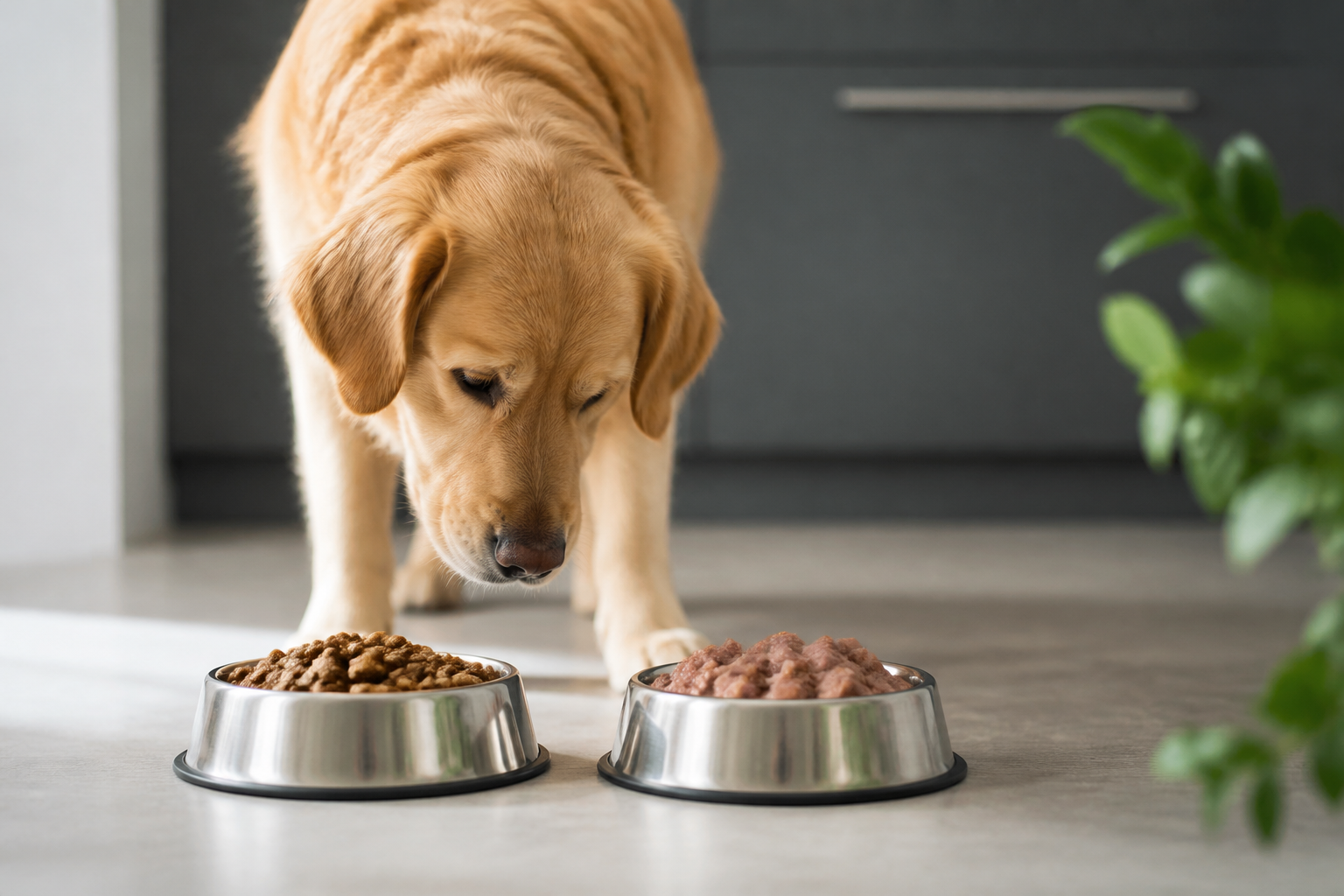
You are standing in the pet food aisle or scrolling through an endless online catalog. On one side, you see heavy bags of crunchy kibble. On the other, you see stacks of cans filled with savory stews and pâtés. It is one of the most common dilemmas every pet owner faces. You want the best nutrition for your companion, but the conflicting advice about moisture, dental health, and protein levels can make the choice feel impossible.
At BaxterBoo, we have spent years helping owners navigate these exact questions. We know that the right choice is not about which food is better in a vacuum. It is about which food is better for your specific dog. This article explores the physical differences, health benefits, and practical considerations of both feeding styles. We will help you decide if dry food, wet food, or a combination of both is the right path for your household.
Quick Answer: Neither dry nor wet food is universally better for every dog. Dry food offers convenience and value, while wet food provides essential hydration and higher palatability. The best choice depends on your dog's age, dental health, and specific medical requirements.
Understanding the Manufacturing Gap
The primary difference between these two food types starts long before the bowl. It begins with how the ingredients are processed. While both formats can provide a complete and balanced diet, the methods used to create them change the final nutritional profile.
Dry dog food, or kibble, goes through a process called extrusion. Manufacturers mix dry and wet ingredients into a dough. This dough is then cooked under high pressure and forced through a machine that cuts it into specific shapes. After it emerges, the kibble is dried to remove almost all moisture. Finally, it is often sprayed with fats and oils to make it smell and taste better for your dog.
Wet food follows a very different path. The ingredients are ground up and mixed with a gravy or jelly that contains vitamins and minerals. This mixture is then put into cans or pouches and sealed. The entire container is heated to a high temperature to sterilize the contents. This process preserves the food without the need for the same types of preservatives used in some dry diets. Because the food is sealed with liquid, it retains a massive amount of moisture.
Moisture Content Differences
The most striking difference is the water content.
- Dry food typically contains only 5% to 10% moisture.
- Wet food usually contains between 75% and 80% moisture.
This difference affects how much your dog needs to eat. Because dry food is concentrated, it is more calorically dense. This means your dog can eat a smaller volume of kibble to get the energy they need. Wet food is less dense, so a dog must eat a larger physical amount to get the same number of calories.
The Practical Benefits of Dry Dog Food
For many households, kibble is the foundation of the daily routine. It is often the most cost-effective way to feed a dog, especially if you have a large breed. Since the moisture is removed, you are paying for nutrients rather than water weight. Browse our dog food category to compare dry and wet options.
One of the biggest advantages of dry food is convenience. You can measure out a portion and leave it in the bowl for a dog that prefers to graze throughout the day. It does not spoil quickly at room temperature. This makes it ideal for busy families or dogs that are not highly motivated to eat an entire meal in one sitting.
Dental Health and Kibble
There is a long-standing belief that dry food is better for a dog’s teeth. The idea is that the crunchy texture helps scrape away plaque as the dog chews. While this is true for some specially formulated dental diets, like those from Royal Canin, it is not a magic fix. Most kibble is small enough that dogs simply swallow it whole or break it into large chunks.
However, studies do show that dogs eating dry food often have less plaque buildup than those on a strictly wet diet. If your dog is prone to dental issues, a high-quality kibble can be a helpful part of a broader oral care routine.
Enrichment and Training
Dry food is far easier to use for mental stimulation. You can put kibble into puzzle toys, snuffle mats, or slow feeders. These tools help prevent boredom and slow down dogs that eat too fast. Kibble also works well as a low-calorie training treat. If you are working on new commands, using a portion of your dog's daily meal keeps them motivated without causing weight gain.
Key Takeaway: Dry food is the king of convenience and value. It supports dental health through mechanical chewing and is the best option for enrichment toys and free-feeding.
Why Wet Food Wins the Flavor War
If you have a picky eater, you already know that wet food is often the winner. The aroma of canned food is much stronger than kibble. When the food is heated during the canning process, it locks in the natural scents of the meat and fats. For a dog with a diminished sense of smell or a finicky appetite, this can be the difference between a full belly and a skipped meal.
Superior Palatability
Wet food often contains more animal protein and fewer carbohydrates than dry food. This profile more closely matches a dog's natural preferences. The texture is also much closer to real meat. We often suggest wet food for dogs that have lost interest in their kibble or those recovering from an illness.
Satiety and Weight Management
Surprisingly, wet food can be an excellent tool for weight loss. Because it is mostly water, it allows your dog to eat a larger volume of food without consuming more calories. This helps them feel full. If your dog is constantly begging for more food, switching a portion of their diet to a wet format can help them feel more satisfied while they slim down.
Vet Tip: For dogs with sensitive stomachs or those prone to obesity, consult your veterinarian about a prescription diet. Our pet pharmacy carries specialized options like Farmina Vet Life that are formulated for specific medical needs and can be delivered right to your door.
Hydration and Kidney Health
The high moisture content in wet food is not just about taste. It is a critical health benefit. Many dogs do not drink as much water as they should. This is particularly true for certain breeds or dogs with specific health conditions.
By eating a wet diet, your dog is essentially hydrating while they eat. This extra fluid intake is vital for flushing the kidneys and maintaining a healthy urinary tract. For dogs with a history of kidney disease or bladder stones, veterinarians almost always recommend a high-moisture diet. This constant flow of fluids helps prevent the concentration of minerals that can lead to painful stones.
If your dog is managing a chronic condition that requires a prescription diet, we offer a range of specialized foods through our dog pharmacy. These diets are specifically engineered to support organ function and are often available in both wet and dry formats to suit your dog's preference.
Life Stage Considerations
Your dog's nutritional needs change as they age. What worked for them as a puppy might not be the best choice as a senior.
For Puppies
Puppies have tiny teeth and huge energy requirements. While many puppies do well on kibble, adding wet food can make the transition from milk to solid food much easier. The soft texture is gentle on their developing gums. Furthermore, exposing a puppy to different textures early in life can prevent them from becoming picky eaters later in life.
For Seniors
Senior dogs often face a variety of health hurdles. They may develop dental disease, missing teeth, or painful gums that make crunching hard kibble difficult. Their sense of smell also tends to fade. Wet food solves both problems by being easy to chew and highly aromatic. If your senior dog is losing weight, the high fat and protein content of wet food can help them maintain a healthy body condition.
For another comparison of age-related feeding considerations, read Should Senior Dogs Eat Wet or Dry Food?.
Bottom line: Senior dogs often benefit from the hydration and soft texture of wet food, while puppies can use it to transition safely to solid meals.
The Best of Both Worlds: The Case for Mixing
You do not have to choose just one. In fact, many pet owners find that mixing wet and dry food provides the most benefits. This approach is often called "combination feeding."
Mixing allows you to provide the dental benefits and cost savings of kibble while adding the hydration and flavor of wet food. It turns a boring bowl of brown bits into a textured, exciting meal. It is also an excellent way to stretch your budget. You can buy a large bag of premium kibble and use a smaller amount of high-quality wet food as a "topper."
For more guidance, see Is It Good to Mix Wet and Dry Dog Food?.
How to Mix Correctly
When you mix food, you must be careful about calories. You cannot simply add a scoop of wet food to a full portion of dry food. This will lead to overfeeding and weight gain.
- Determine the total calories your dog needs daily.
- Calculate how many calories are in a cup of your dry food.
- Calculate how many calories are in a can of your wet food.
- Adjust the portions so the total meets your dog's daily requirement.
A common ratio is 75% calories from dry and 25% from wet. This keeps the meal affordable while still providing all the sensory benefits of the canned food.
Transitioning and Food Safety
Whenever you change your dog's diet, you must do it slowly. A sudden switch from dry to wet, or vice versa, can cause significant digestive upset, including vomiting and diarrhea.
For additional guidance, read How to Switch From Dry to Wet Dog Food.
The 10-Day Transition Plan
We recommend a gradual transition over at least a week.
- Days 1-3: Serve 75% of the old food mixed with 25% of the new food.
- Days 4-6: Serve a 50/50 mix of both foods.
- Days 7-9: Serve 25% of the old food mixed with 75% of the new food.
- Day 10: Serve 100% of the new food.
Watch your dog's stool during this time. If it becomes soft, stay at the current percentage for a few extra days before increasing the new food again.
Storage and Safety Tips
The two food types have very different storage requirements.
- Dry food should be kept in its original bag. This bag is designed to keep out moisture and light. Place the entire bag inside an airtight container. Use the food within 4 to 6 weeks of opening to prevent the fats from going rancid.
- Wet food is sterile until opened. Once the seal is broken, it must be refrigerated. Use a silicone lid or transfer the food to an airtight container.
- Discard any unused wet food after 3 days in the refrigerator.
- Never leave wet food in your dog's bowl for more than 30 to 60 minutes. It can attract bacteria and pests quickly.
Comparing the Costs
It is no secret that feeding a dog exclusively wet food is more expensive. This is especially true for owners of large breeds like Labradors or Great Danes. A single large dog might require several cans of food per day to meet their caloric needs. Over a month, this can cost significantly more than a large bag of kibble.
However, consider the potential long-term health savings. For a dog prone to urinary issues or kidney stones, the extra hydration from wet food might prevent expensive veterinary bills or surgeries later in life. We believe in looking at the "total cost of care" rather than just the price of the bag.
Our MVP Rewards programme is designed to help with these ongoing costs. You can earn rewards on eligible purchases. If you find a brand your dog loves, like NutriSource or Stella and Chewy's, you can use our Autoship programme to save on every order and never worry about running out of food.
Choosing the Right Brand
Whether you go with dry, wet, or a mix, the quality of the ingredients is what matters most. Look for foods that list a specific animal protein as the first ingredient, such as "chicken" or "lamb," rather than generic "meat meal."
BaxterBoo carries over 500 trusted brands. We carefully select products that meet high nutritional standards.
- For premium kibble, brands like Orijen, Acana, and Open Farm offer high protein and responsibly sourced ingredients.
- For high-quality wet food, Tiki Dog and Caru provide human-grade ingredients and excellent flavor profiles.
- If your dog has allergies, look for limited-ingredient diets from brands like Carna4 or The Honest Kitchen.
Vet Tip: If your dog has persistent skin issues, chronic ear infections, or frequent digestive upset, they may have a food sensitivity. Talk to your vet about a diagnostic food trial using a hydrolyzed protein or novel protein diet, which can be found in our pharmacy section.
Conclusion
The debate between dry and wet food does not have a single winner. Dry food offers unmatched convenience, dental support, and value for the budget-conscious owner. Wet food provides critical hydration, superior taste for picky eaters, and an easier eating experience for seniors or those with dental pain.
For most healthy dogs, a combination of both provides the most balanced experience. You get the crunch of the kibble and the hydration of the stew. Always remember to transition slowly and monitor your dog's weight and energy levels as you make changes.
- Check for dental health benefits in dry food.
- Prioritize wet food for hydration and kidney support.
- Use a 10-day transition period for any diet changes.
- Consider the BaxterBoo pharmacy for prescription nutritional needs.
If you are ready to update your dog's menu, explore our full collection of dog food and dog treats. You can also sign up for Autoship to ensure your pet never misses a meal while earning a free MVP Gold membership for even more savings.
FAQ
Is it okay to only feed my dog dry food?
Yes, it is perfectly healthy to feed only dry food as long as it is labeled as a complete and balanced diet. Most high-quality kibbles provide all the vitamins, minerals, and proteins your dog needs for their specific life stage. Just ensure your dog always has access to plenty of fresh, clean water since they will not be getting much moisture from their meals.
Does wet food cause diarrhea in dogs?
Wet food itself does not cause diarrhea, but a sudden switch from a dry diet to a wet one often will. Because wet food is much richer and has a higher fat and moisture content, your dog’s digestive system needs time to adapt. Always follow a 7 to 10-day transition period to give their gut bacteria time to adjust to the new formulation.
Which food is better for a dog with bad teeth?
Wet food is generally better for dogs with significant dental pain, missing teeth, or advanced gum disease. The soft texture does not require the same crushing force as kibble, making mealtime much more comfortable. However, if your dog's teeth are healthy, certain dry foods are actually designed to help reduce plaque and tartar buildup through mechanical scraping.
Can I leave wet food out for my dog to eat later?
No, you should never leave wet food out for more than an hour. Unlike kibble, which is shelf-stable, wet food contains high levels of moisture and protein that allow bacteria to grow rapidly at room temperature. If your dog does not finish their wet food within 30 to 60 minutes, you should discard the leftovers and wash the bowl thoroughly.






