
 Save 15% on your 1st Autoship learn more

 Email us
 Live Chat
 FAQs
FAQs





Introduction
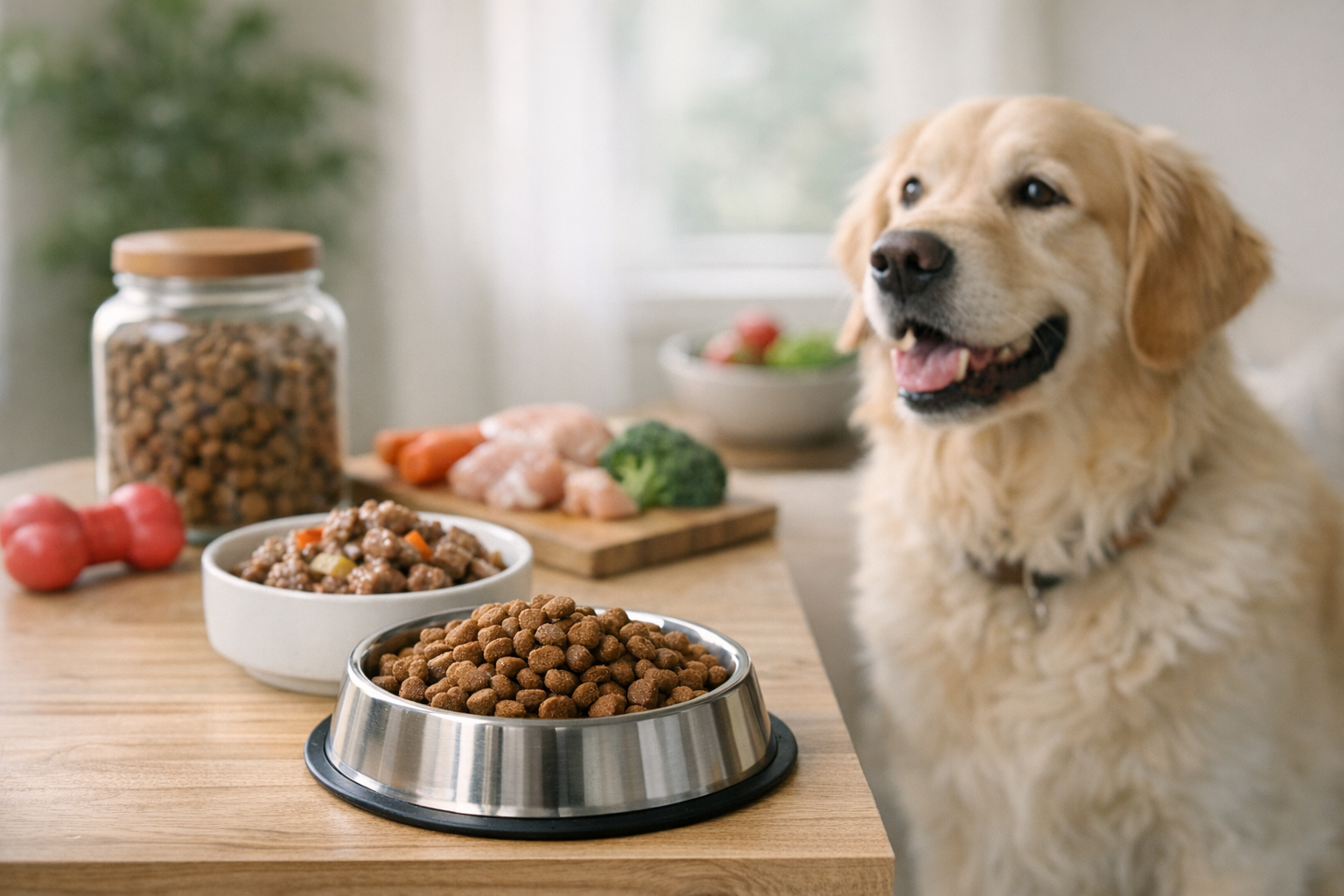
Standing in the pet food aisle can feel like a test you did not study for. You see rows of colorful bags of kibble next to stacks of canned recipes, and you might wonder if one is clearly superior. At BaxterBoo, we talk to pet owners every day who are trying to balance nutrition, budget, and their dog's specific tastes. We have been helping pet parents since 2006, and we know that the choice between dry and wet food is rarely about one being perfect and the other being poor. It is about finding the right tool for your dog's unique life stage and health needs. This article covers the differences in processing, the specific health benefits of each type, and how to decide what belongs in your dog's bowl.
Quick Answer: Neither dry nor wet food is universally better for all dogs. Dry food offers dental benefits and convenience, while wet food provides essential hydration and higher palatability for picky eaters. Many owners find that a combination of both provides the most balanced approach.
How Dry and Wet Foods Are Made
To understand which food fits your lifestyle, you first need to look at how they are manufactured. Both types start with quality ingredients like proteins, fats, and carbohydrates, but the finished products are very different.
The Process of Making Kibble
Dry dog food, or kibble, goes through a process called extrusion. Manufacturers take meat, grains, and vitamins and grind them into a consistent dough. This dough is cooked under high pressure and then pushed through small holes to create specific shapes. Once the kibble is formed, it goes through a drying process to remove moisture. This low moisture level is what allows dry food to stay shelf stable for so long. Finally, many brands spray the pieces with fats or oils to make them more appealing to your dog.
If you are comparing options, start with our dog food category.
The Process of Making Wet Food
Wet food follows a different path. The ingredients are ground and mixed with a liquid gravy or gel. This mixture is then sealed inside cans or pouches and heated. This heating process sterilizes the food and kills any bacteria while cooking the ingredients. Because the food is sealed in a container with its moisture intact, it does not need the same preservatives that dry food might require.
The Case for Dry Dog Food
Dry food remains the most popular choice for most households in the United States. It is practical for busy families and offers several distinct advantages.
Convenience and Storage
One of the biggest wins for dry food is how easy it is to handle. You can buy a large bag and store it in an airtight container for weeks. It does not require refrigeration after you open it, which saves space in your kitchen. This convenience also extends to how you feed your dog. If your dog likes to graze and eat small amounts throughout the day, dry food can sit in a bowl without spoiling or attracting pests as quickly as wet food would.
If freshness is on your mind, our dog food storage collection is a smart next step.
Cost Effectiveness
If you are watching your budget, dry food is generally the more economical choice. Because it is concentrated and contains very little water, you are paying for actual nutrients rather than moisture. You can typically buy dry food in bulk, which lowers the cost per meal significantly compared to individual cans of wet food.
Dental Health Benefits
We often recommend dry food for dogs that are prone to dental issues. The crunchy texture of kibble encourages your dog to chew. This mechanical action can help scrape away small amounts of plaque and tartar from the surface of the teeth. Some brands, like Royal Canin or Eukanuba, even design their kibble in specific shapes to maximize this cleaning effect.
For a closer look at oral-care options, browse our dry dog food dental health selection.
Note: While dry food helps with dental hygiene, it is not a replacement for regular teeth brushing or professional veterinary cleanings.
Cognitive and Mental Enrichment
Kibble is much easier to use with training and enrichment toys. You can put dry pieces into puzzle feeders, snuffle mats, or treat-dispensing balls. This forces your dog to use their brain to get their meal. It slows down fast eaters and provides mental stimulation that wet food simply cannot offer in the same way.
The Case for Wet Dog Food
While dry food is convenient, wet food offers several health-related benefits that are hard to ignore. For some dogs, canned food is not just a treat but a nutritional necessity.
Superior Hydration
The most significant difference between the two is water content. Dry food usually contains about 10 percent moisture, while wet food can contain up to 78 percent or more. This is vital for dogs that do not drink enough water on their own. Proper hydration supports kidney function and keeps the urinary tract healthy.
High Palatability
If you have a picky eater, you know the struggle of trying to get a dog to eat plain kibble. Wet food has a much stronger aroma and a richer texture. The smell of meat is more prominent because of the moisture. This can be a lifesaver for older dogs that are losing their sense of smell or sick dogs that have lost their appetite.
Easier to Chew
For senior dogs or those with missing teeth, the hard crunch of kibble can be painful or impossible to manage. Wet food is soft and easy to swallow. It removes the barrier to eating for pets with dental disease or mouth sensitivities.
Weight Management and Satiety
Wet food can actually help some dogs lose weight. Because it is high in water, it has a lower calorie density by volume. This means your dog can eat a larger portion and feel more full while consuming fewer calories. This feeling of fullness, or satiety, is key to preventing the begging behavior that often leads to overfeeding.
Comparing Nutritional Profiles
When comparing these two formats, it is important to look at the ingredients on a dry matter basis. This means you look at the nutrients after the water has been removed.
- Protein Content: Dry food often looks higher in protein on the bag because it is concentrated. However, many wet foods have excellent protein levels once you account for the water.
- Carbohydrates: Dry food requires starches like grains, peas, or potatoes to hold its shape during the extrusion process. Consequently, dry food usually has a higher carbohydrate count than wet food.
- Fats: Both types can have healthy fat levels. Wet food often contains more animal fats that improve taste, while dry foods might use sprayed-on fats for the same purpose.
Key Takeaway: Most high quality brands, like our selection of Royal Canin products, our selection of Open Farm products, or our selection of Stella & Chewy's products, offer complete and balanced nutrition in both their wet and dry formats. Neither is inherently more nutritious if the ingredient quality is high.
When Health Dictates the Choice
Sometimes the choice of food is taken out of your hands by a medical condition. This is where specialized diets become important.
Urinary and Kidney Support
Dogs with a history of bladder stones or kidney issues often need as much water as possible. In these cases, a wet food diet is almost always the better option. Increasing water intake helps dilute the urine and flushes out the kidneys. Our pharmacy offers many prescription wet foods through our partnership with Pet's Choice. These are specifically formulated to manage these chronic conditions.
Allergies and Sensitivities
If your dog suffers from skin allergies or digestive upset, the type of food matters less than the ingredients. However, wet food often has fewer preservatives and binders than dry food. This can make it easier to find limited-ingredient recipes for sensitive systems.
Vet Tip: If your dog is showing signs of a health condition like sudden weight loss, excessive thirst, or recurring skin issues, consult your veterinarian before switching diets. They may recommend a prescription diet available through our pharmacy to address the specific problem.
The Best of Both Worlds: Mixing Wet and Dry
You do not have to choose just one. Many pet parents at our warehouse store in Vernon Hills prefer to mix the two. This is often called "topping" or "mixing."
Benefits of a Mixed Diet
- Texture Variety: Mixing gives your dog the crunch of kibble with the tasty gravy of wet food.
- Cost Control: You can save money by using dry food as the base and adding a small amount of wet food for flavor.
- Controlled Hydration: Adding a spoonful of wet food to kibble ensures your dog gets a little extra moisture at every meal.
If you are considering a blended approach, our guide to mixing dry dog food with wet is a helpful follow-up.
How to Mix Correctly
If you decide to mix, you must be careful about calories. Wet food is calorie-dense once you get past the water content. You cannot just add a can of wet food on top of a full serving of dry food without causing weight gain.
- Find the daily calorie requirement for your dog.
- Calculate how much dry food equals half those calories.
- Calculate how much wet food equals the other half.
- Adjust based on your dog's activity level and weight.
For portion planning, our guide to how much dry food to feed a dog can help you get started.
Transitioning Your Dog to a New Food
If you decide that dry food is better for your situation, or if you want to move toward a wet diet, you must do it slowly. A sudden change in food is the most common cause of upset stomachs and diarrhea in dogs.
The 7 to 10 Day Rule
- Days 1 to 3: Mix 25 percent of the new food with 75 percent of the old food.
- Days 4 to 6: Mix 50 percent of the new food with 50 percent of the old food.
- Days 7 to 9: Mix 75 percent of the new food with 25 percent of the old food.
- Day 10: Feed 100 percent of the new food.
Watch your dog's stool during this time. If it becomes loose, slow down the transition and stay at the current ratio for a few more days.
Specific Brands to Consider
We carry over 500 brands at BaxterBoo, and we handpick them based on quality. Here are a few that offer excellent options in both categories:
- Farmina: Known for their low-glycemic formulas and high quality proteins.
- Open Farm: A great choice for owners who want ethically sourced ingredients and transparency.
- Royal Canin: Offers highly specialized formulas for specific breeds and health needs.
- Stella and Chewy's: Perfect if you are looking for freeze-dried raw options that combine the convenience of dry food with the nutrition of raw.
Practical Feeding Tips for Success
Regardless of which food you choose, how you feed it matters. Proper habits can prevent obesity and ensure your dog gets the most out of their nutrition.
- Use a Scale: Measuring cups can be inaccurate. Weighing your dog's food in grams ensures they get the exact same amount every time.
- Clean the Bowls: Wet food residue can grow bacteria quickly. Wash your dog's bowl with hot, soapy water after every meal.
- Check the Bag: Once a bag of dry food is opened, the fats start to oxidize. Try to finish a bag within six weeks to ensure freshness.
- Warm it Up: If your dog is being extra picky with wet food, try warming it in the microwave for 5 to 10 seconds. This releases the aromas and makes it more enticing.
Environmental and Lifestyle Factors
Your own daily routine should play a role in this decision. If you travel often with your dog, dry food is much easier to pack and feed on the go. You do not have to worry about finding a refrigerator for half-used cans. On the other hand, if you live in a very hot climate, the extra hydration from wet food can be a vital safety measure against heat exhaustion.
bottom line: Choose the food that fits your dog's health needs first and your lifestyle second.
Conclusion
The debate over whether dry food is better for dogs does not have a single answer. Dry food wins for dental health, budget, and convenience. Wet food wins for hydration, taste, and senior care. Many pet owners find that using high quality dry kibble as a foundation while adding wet food as a topper provides the best results for their dogs. At BaxterBoo, we offer a wide range of both types, including premium brands and prescription diets through our pharmacy partnership with Pet's Choice.
- Dry food helps with tartar control and is budget-friendly.
- Wet food is essential for hydration and helps picky eaters.
- Always transition between foods slowly to avoid digestive upset.
- Consult your vet for dogs with kidney, urinary, or dental issues.
If you are ready to stock up on your dog's favorite meals, consider signing up for our Autoship programme. You will save on your first order and earn a free MVP Gold membership, making it easier than ever to keep your dog's bowl full of the nutrition they need.
FAQ
Does dry dog food really clean a dog's teeth?
Dry food provides a mechanical scraping action that can help reduce plaque and tartar buildup on the surface of the teeth. However, it is not a substitute for regular dental care or professional cleanings from a veterinarian. Some specialized dental diets are specifically shaped to maximize this cleaning effect compared to standard kibble.
Can I feed my dog only wet food?
Yes, a dog can live a healthy life on an all-wet food diet as long as the food is labeled as complete and balanced. You may need to be more diligent with their dental care since they will not have the crunch of kibble to help clean their teeth. Wet food is often more expensive for large breeds but can be a great option for smaller dogs or seniors.
How long can wet food sit out in the bowl?
Wet food should not sit out for more than 30 to 60 minutes. Because of its high moisture content, it can quickly become a breeding ground for bacteria or attract flies. If your dog does not finish their wet food within that timeframe, you should discard the leftovers and wash the bowl.
Why is dry food usually cheaper than wet food?
Dry food is more concentrated and has a much longer shelf life, which reduces the costs associated with packaging and shipping. When you buy wet food, a large percentage of what you are paying for is water. Dry food allows you to buy in bulk, which significantly lowers the price per serving for most pet parents.






