
 Save 15% on your 1st Autoship learn more

 Email us
 Live Chat
 FAQs
FAQs





Introduction
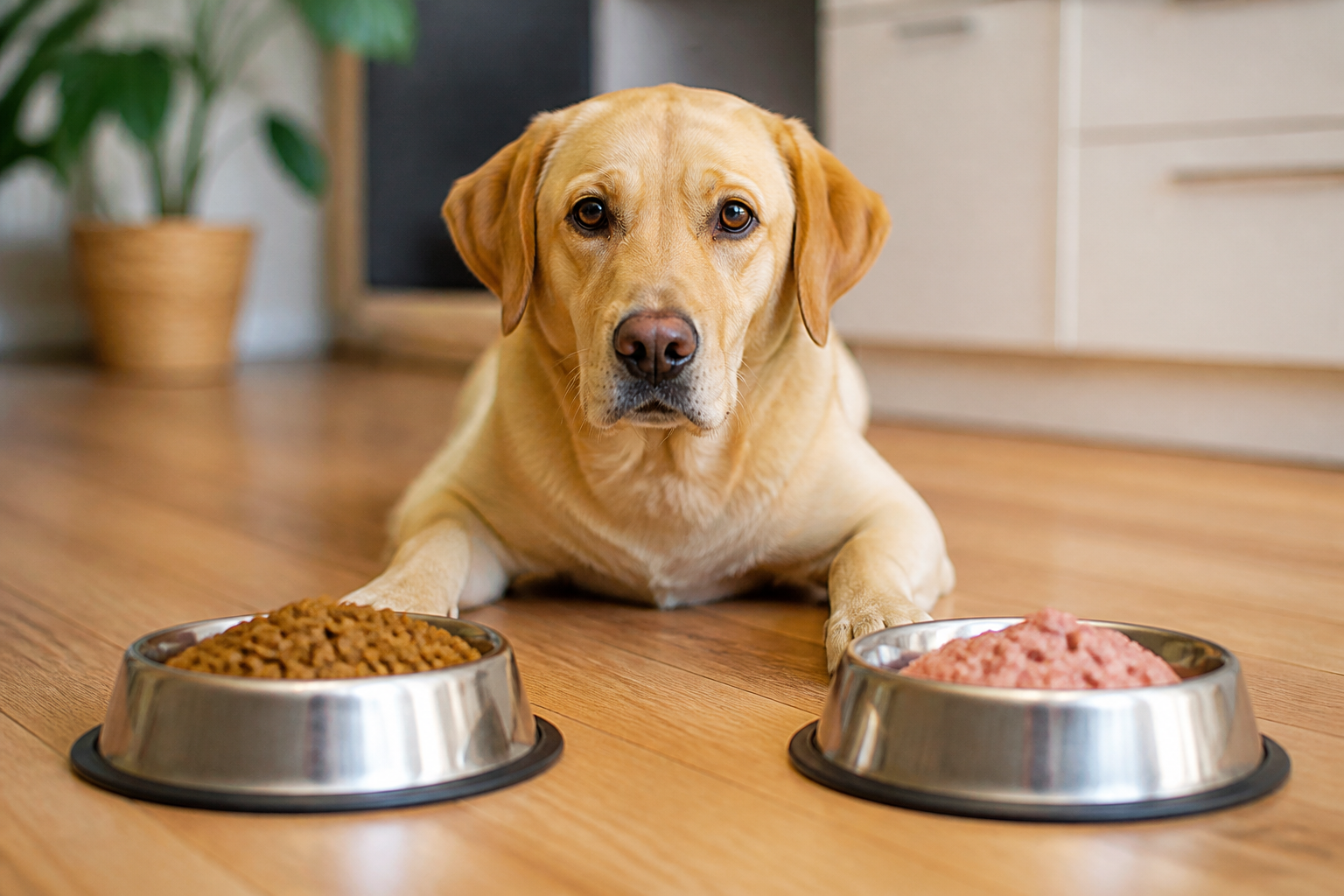
You are standing in front of a massive wall of bags and cans, trying to decide what will keep your dog healthiest. One label promises "crunchy kibble for clean teeth," while the can next to it boasts "rich gravy and real meat." It is one of the most common questions we hear at BaxterBoo from concerned pet owners. Every dog has unique needs based on their age, health, and activity level. This article explains the key differences between dry and wet food, the specific benefits of each, and how to choose the right one for your home. Both options can provide excellent nutrition, but your dog's lifestyle will determine which one is truly better for them.
Quick Answer: Neither dry nor wet food is universally better. Dry food offers convenience and dental benefits, while wet food provides essential hydration and higher palatability. Most healthy dogs do well on a high quality version of either, or a combination of both.
The Basic Differences in Processing
To understand which food is best, you first need to know how they are made. Dry dog food, or kibble, goes through a process called extrusion. Ingredients are mixed into a dough and cooked under high pressure. The dough is then pushed through small holes to create specific shapes. These pieces are dried and often sprayed with fats or vitamins to ensure they are shelf stable and tasty.
Wet food starts with ground protein sources. Manufacturers add a gravy or gel containing vitamins, minerals, and grains. This mixture is sealed in cans or pouches and then sterilized through a heating process. This cooking method preserves the food without the need for the heavy preservatives sometimes found in lower quality dry options.
The most significant difference between the two is water content. Dry food typically contains about 10 percent moisture. Wet food usually contains between 75 and 80 percent moisture. This single factor changes how much your dog needs to eat to get the same amount of nutrition. You can compare both options in our dog food category.
The Benefits of Dry Dog Food
Many owners prefer dry food for its simplicity. It is easy to store, easy to measure, and generally more affordable. Because it is nutrient dense, your dog needs a smaller volume of food compared to wet options to meet their caloric needs.
Dental Health Support
One of the most cited benefits of kibble is its effect on teeth. The mechanical action of chewing crunchy kibble can help scrape away some plaque and tartar. Some specialized dental diets, like those from Royal Canin or Eukanuba, are specifically shaped to maximize this cleaning effect. While kibble does not replace regular brushing, it can be a helpful tool in a broader oral care routine. Explore our selection of Royal Canin products when comparing specialized formulas.
Convenience and Storage
Kibble is much easier to manage for busy households. You can leave it in a bowl for several hours without it spoiling. This makes it a great choice for dogs that prefer to graze throughout the day. Once a bag is opened, it stays fresh for several weeks if stored in a cool, dry place. It is also ideal for use in puzzle toys and slow feeders, which provide mental stimulation during mealtime. For more dry-food feeding ideas, read how to get your dog to eat dry food.
Cost Effectiveness
If you are sticking to a budget, dry food usually offers the best value. Because you are not paying for the weight of water, the price per serving is significantly lower. You can also buy larger bags to save money over time. When you use programs like our MVP Rewards programme, the savings on these bulk purchases add up quickly.
Key Takeaway: Dry food is the most practical choice for owners who want a cost-effective, shelf-stable option that supports basic dental hygiene and works well with interactive feeders.
The Benefits of Wet Dog Food
While kibble is convenient, wet food offers several nutritional and sensory advantages that dry food cannot match. It is often closer to a dog's natural diet in terms of moisture and aroma. Browse our wet dog food collection when looking for softer meal options.
Superior Hydration
Many dogs do not drink enough water on their own. This can lead to concentrated urine and an increased risk of urinary tract issues. Wet food provides a massive boost to their daily fluid intake. This is particularly important for dogs with kidney issues or those prone to bladder stones. By eating their water, they maintain better hydration levels naturally.
Increased Palatability
If your dog is a picky eater, wet food is often the solution. The canning process preserves the natural aromas of the meat. When you open a can, the scent is much stronger than a bag of dry kibble. For senior dogs whose sense of smell may be fading, this strong aroma can jumpstart a lagging appetite.
Weight Management and Satiety
Wet food can be a secret weapon for weight loss. Because it is mostly water, it has fewer calories per gram than dry food. Your dog can eat a larger portion and feel full without consuming too many calories. This "bulk" helps them feel satisfied, which prevents the begging that often happens on a calorie-restricted dry diet.
Comparing Nutritional Profiles
When you look at the labels, it might seem like dry food has much more protein. This is often a misunderstanding of how labels are written. To compare them fairly, you must look at the nutrients on a "dry matter basis." This means calculating the protein and fat content after the water is removed. For another comparison of these formats, see should you feed your dog wet and dry food.
- Protein: Both types can offer high protein. Wet food often contains more animal-based protein and fewer plant-based fillers.
- Carbohydrates: Dry food requires starches and grains to hold the kibble shape. Consequently, it usually has a higher carbohydrate count.
- Fats: Wet food may have slightly higher fat levels, which contributes to its better taste and can help improve skin and coat health.
When Health Dictates the Choice
Sometimes the "better" food is decided by a medical condition. Your veterinarian is the best resource for diagnosing health issues that require a specific diet. We see many customers who transition their pets based on medical needs.
Senior Dogs and Dental Issues
As dogs age, they may develop gum disease or lose teeth. For these seniors, crunching hard kibble can be painful. Soft, wet food allows them to eat comfortably without putting stress on their mouth. Wet food is also easier to digest for older systems that might be slowing down.
Managing Chronic Conditions
For dogs with chronic health needs, the choice often moves toward specialized formulas. Our pet pharmacy provides access to FDA-approved prescription diets through our partnership with Pet's Choice. Whether your dog needs a kidney-support diet (which is often better in wet form for hydration) or a weight management formula, these specialized foods are designed to treat specific symptoms.
Vet Tip: Always consult your veterinarian before switching to a prescription diet or a food meant to manage a specific health condition like kidney disease, diabetes, or severe allergies.
The Strategy of Mixing Both
You do not always have to choose just one. Many pet owners find that a combination of wet and dry food provides the best results. This is often called "topping" or "mixed feeding." You can use kibble as the base for its dental benefits and cost savings, then add a spoonful of wet food to increase the aroma and moisture. See how to mix wet and dry dog food for another approach.
How to Mix Safely
If you decide to mix, you must be careful about calories. Adding a can of wet food to a full serving of dry food will quickly lead to weight gain. You should replace a portion of the dry food rather than simply adding to it.
- Identify the total daily calories your dog needs.
- Determine the calorie count for a standard portion of your chosen dry food.
- Calculate how much wet food replaces a quarter or half of that portion.
- Watch your dog's weight closely for two weeks after the change.
Bottom line: Mixing wet and dry food offers a balance of dental care, hydration, and taste, but requires careful calorie monitoring to prevent obesity.
Essential Gear for Feeding
The type of food you choose might change the gear you need. For dry food, airtight storage containers are essential. Once a bag of kibble is opened, the fats begin to oxidize when exposed to air. This can make the food go rancid and lose its nutritional value.
For wet food, you may need can covers or specialized lids. Once a can is opened, it must be refrigerated and used within two days. If your dog is a fast eater, wet food can be smeared onto a lick mat to slow them down and provide mental enrichment. We carry a wide variety of these accessories to make mealtime easier for both of you.
Transitioning Between Food Types
If you decide that wet food is better for your dog's current stage of life, do not make the switch overnight. A sudden change in diet is the most common cause of digestive upset, including diarrhea and vomiting. Follow this guide to switching from dry to wet dog food for additional transition guidance.
- Days 1 to 2: Mix 25 percent of the new food with 75 percent of the old food.
- Days 3 to 5: Mix the foods in a 50/50 ratio.
- Days 6 to 7: Use 75 percent of the new food and 25 percent of the old food.
- Day 8: Feed 100 percent of the new food.
Watch your dog's stool consistency during this week. If it becomes loose, slow down the transition and stay at the current ratio for a few extra days.
Considering the Environmental Impact
There is also the matter of packaging and waste. Dry food usually comes in large paper or plastic bags. While these are bulky, they generate less waste per serving than dozens of small aluminum cans. However, aluminum is one of the most recyclable materials available. If sustainability is a priority for you, look for brands like Open Farm or The Honest Kitchen that focus on ethical sourcing and recyclable packaging. You can explore our selection of Open Farm products while comparing options.
Making the Final Decision
To decide if dry food is better than wet for your dog, look at their current health. A young, healthy dog with good teeth often does perfectly well on a high quality kibble like NutriSource or Acana. They benefit from the convenience and the dental support.
However, if your dog is older, struggles with hydration, or has become picky, wet food might be the superior choice. Brands like Tiki Cat or Weruva offer high-protein wet options that focus on clean ingredients. The extra cost is often worth the improvement in your dog's appetite and energy levels.
At BaxterBoo, we stock over 500 trusted brands to ensure you can find exactly what your pet needs. Whether you choose the convenience of kibble or the hydration of canned food, we can help you find the right formula.
Key Takeaway: Use dry food for convenience and dental health, and use wet food for hydration, senior care, or picky appetites.
Summary of Feeding Options
Choosing a food involves balancing your lifestyle with your dog's biological needs.
- Choose Dry Food if: You want a cost-effective option, your dog has good dental health, and you prefer to use puzzle feeders.
- Choose Wet Food if: Your dog needs more hydration, has a poor appetite, or has trouble chewing hard textures.
- Choose a Mix if: You want to offer variety and extra moisture without the high cost of an all-wet diet.
To make sure you never run out of your chosen food, consider our Autoship programme. You can schedule regular deliveries of your favorite brands and save on every order. It is the easiest way to keep your pantry stocked while earning rewards through our MVP program.
For dogs with medical needs, remember that our pharmacy offers a wide selection of prescription foods. These are often the best choice for managing long-term health issues under the guidance of your veterinarian.
FAQ
Is it okay to only feed my dog dry food?
Yes, most healthy dogs can thrive on a diet of only dry food. High quality kibble is formulated to be "complete and balanced," meaning it contains every nutrient your dog needs for their specific life stage. If you choose an all-dry diet, just make sure your dog has constant access to fresh, clean water to compensate for the low moisture content of the food.
Does wet food cause more dental problems than dry food?
Wet food does not directly cause dental disease, but it does not provide the scraping action that kibble offers. Because wet food is soft and can stick to the teeth and gums, it may contribute to plaque buildup if you do not have a regular dental care routine. If you feed wet food exclusively, it is even more important to brush your dog's teeth or use dental treats and water additives.
Can I mix water into dry food instead of buying wet food?
Adding water or low-sodium broth to kibble is a great way to increase hydration and soften the food without the higher cost of canned options. This can also help release the aroma of the kibble, making it more appealing to picky eaters. However, once you add water to dry food, you must treat it like wet food and discard any uneaten portions after about 30 minutes to prevent bacterial growth.
Is wet food higher in fat and calories than dry food?
On a per-gram basis, wet food actually has fewer calories than dry food because it is mostly water. However, some wet foods can be higher in fat to make them more palatable. It is important to check the caloric density on the label and adjust the serving size accordingly. If your dog is prone to weight gain, a high-protein, low-fat wet food can actually help them feel fuller while consuming fewer total calories.






